
Review · MOUNT FUJI TOURS
From Tokyo: Mount Fuji Sightseeing One Day Trip
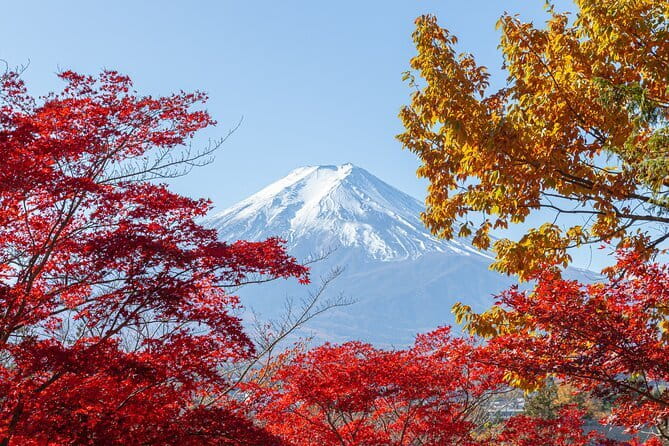
A Fuji fix without the train headaches. This one-day trip strings together the classic viewpoints around Mount Fuji and Lake Kawaguchi, with scheduled stops built for photos and quick tastes of local village life. I like that the day runs on an air-conditioned bus with someone else handling the navigation, so you can focus on the views and not the timetable math. One thing to keep in mind: Fuji visibility is weather-dependent, and when fog or cloud rolls in, your photos will be less dramatic.
I also really like the structure of the route. You hit postcard-famous angles like the Chureito Pagoda area, then move through lakeside viewpoints, spring-water ponds, and even a quirky clock-shop path, all in about 10 hours. Guides are a big part of the experience too, with names like Keiko, Jay, Joey, and Blair showing up in feedback for being clear, organized, and ready with photo tips.
Key highlights to know before you go
- Door-to-door feel from Tokyo or Shinjuku on an air-conditioned coach, with navigation taken care of
- Photo-timed stops that keep you moving but still give enough time to frame shots
- Big scenery payoff in one day across Fujiyoshida and the Fuji Five Lakes area
- Oshino Hakkai spring ponds plus the Chureito Pagoda view combo, both free to enter
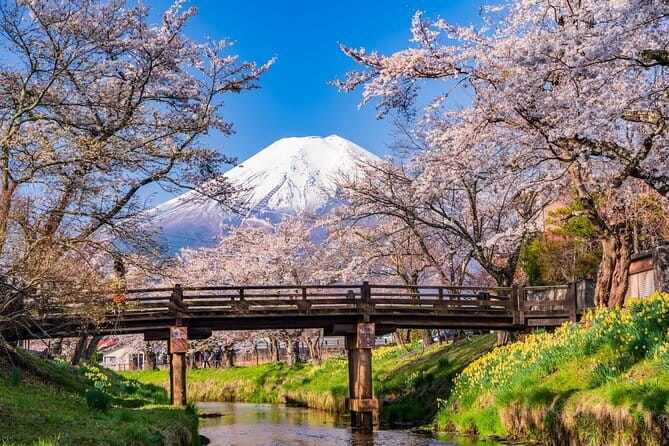
- Weather matters most for Mount Fuji photos, so pack for rain and cloud
- Small group on a 45-person cap, which keeps the day from feeling chaotic
The real deal with Tokyo to Fuji transport
This tour is designed for people who want a Fuji day without turning it into a second job. You start with round-trip transportation from Tokyo or Shinjuku, and you stay in an air-conditioned vehicle for the long drive through the countryside. That matters more than you might think. Tokyo-to-Fuji logistics can be confusing if you are switching trains and buses, especially on a tight day.
The format is simple: get on the coach, listen to your guide, and hop off at planned photo stops. You do not need to research routes, figure out parking, or worry about how to get back at the end of the day. It is also a mobile ticket style experience, which is convenient when you are already juggling transit apps and station maps.
Group size is capped at 45 travelers, so you are not stuck in a giant herd. In practice, the day still moves at a steady pace, but it feels more manageable than some bigger excursions.
One practical tip from the vibe of this kind of day: be ready to be on time at each stop. Several comments emphasized punctuality. In a tour like this, a few minutes lost early can steal real photo time later.
More Tokyo tours and experiences for the shortlist



Entering the Fuji postcard zone: Chureito Pagoda and Arakura Shrine
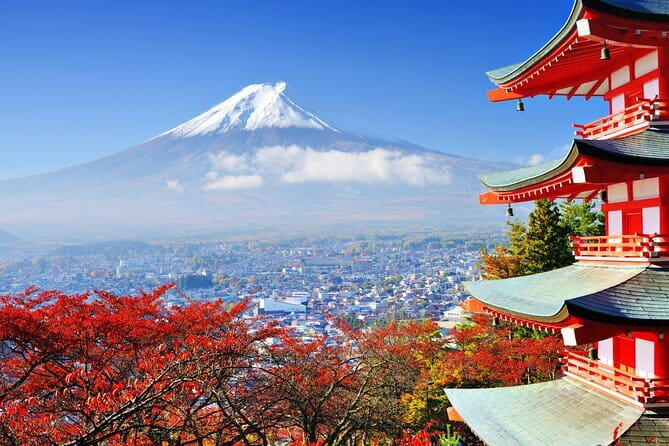
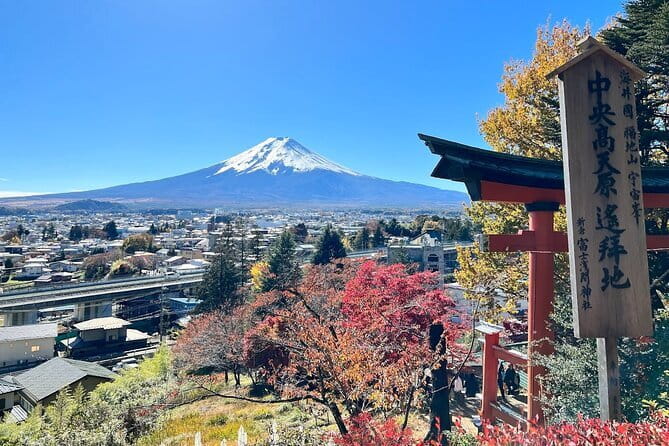
Your first major target is the Chureito Pagoda view. The spot is at Arakurayama Sengen Park, where you get sweeping views of Chureito Pagoda, Mount Fuji, and Fujiyoshida City below. This is one of those places where the scenery does the talking, and your job is mostly to arrive, look up, and compose.
You get about an hour here. That is plenty of time to:
- walk to the main viewpoints,
- take photos from a couple of angles,
- and still have room to settle if the light changes.
Right after that, you visit Arakura Fuji Sengen Shrine, with quick access time for a short cultural break. The shrine dates back to 705 and has served as the guardian god for Arakura Village for over 1,300 years. It is a small stop in minutes, but it adds something important. Fuji is not just a photo subject here. It has long been tied to worship, protection, and local identity.
Both places list free admission, which is a nice bonus since you are already paying for the transport and guide time. The drawback is that these are popular places. On busy days, you will share the viewpoints. Bring patience and a faster camera rhythm.
Lake Kawaguchiko: the most popular Fuji Five Lakes viewpoint
From the shrine-and-pagoda combo, the tour shifts to Lake Kawaguchiko, the most popular of the Fuji Five Lakes. This is where Fuji often looks its most postcard-like, because the mountain can reflect off the water when conditions cooperate.
You get about 20 minutes here. That is short, so you’ll want to be strategic:
- If the sky is clear, spend the first moments lining up the most iconic shoreline angle.
- If clouds are moving in, keep your position and wait a bit, rather than constantly relocating.
Oftentimes, the best view is the one you can calmly keep shooting, not the one you sprint to. Even if the timeframe feels tight, 20 minutes is long enough to grab a couple of solid perspectives if you do not overthink it.
Oishi Park: flowers and a lakeside promenade with Fuji in frame
Next up is Oishi Park, which is designed for scenic viewing where you can take in flowers, Lake Kawaguchiko, and Mount Fuji all at once. You will see a lakeside promenade vibe, and the flower plantings change by season, so the look of this place shifts throughout the year.
You get about 30 minutes here, which is better than the lake stop because it gives you time to:
- walk a bit,
- pause more,
- and photograph without rushing.
If your goal is photos that look like more than just a single mountain silhouette, this is the stop that helps most. The combination of shoreline, seasonal color, and Fuji in the background can give you variety in your final album.
Oshino Hakkai: eight ponds, spring water, and that World Heritage feeling
Then you go to Oshino Hakkai, the village famous for its eight clear spring-water ponds. These waters are recognized as one of Japan’s Top 100 Famous Waters, and the area is linked to the Mount Fuji World Heritage zone.
You get about an hour, and for once you have time to slow down. This stop is different from the quick “look and shoot” viewpoints. Here, the charm is in the water clarity and the village atmosphere around it. It is a place where you can enjoy small details like the pond edges, stonework, and the way the water behaves.
Also, because admission is listed as free, it is a great value add. You are not paying to walk around, so your money is going into the coach day and the guide.
The one caution: you are visiting in a timed group schedule. If you want to linger for snacks or browsing, you will have limited margin. Plan to spend your full time inside the photo-and-water loop, and save souvenirs for later.



Hikawa Clock Shop and a Lawson photo stop for Fuji-themed street scenes
This day trip does not only stick to traditional landmarks. It includes a couple of fun, modern photo moments that people love for their contrast: Fuji against everyday Japan.
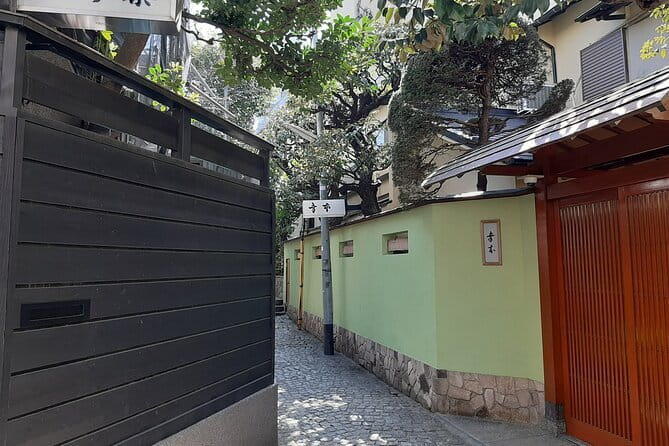
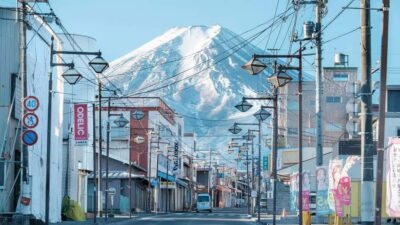
First, Hikawa Clock Shop. The setting is described as a charming town with a serene path that leads to an iconic mountain view background for Japanese street scenes. Expect a quick stroll and photos that feel more like street photography than a temple vista.
You get about 20 minutes.
Then there’s the Lawson Fujikawaguchiko Town Hall stop, which is basically an Instagram-style set piece. The modern blue facade of the convenience store can frame Mount Fuji in a striking way, and you get about 15 minutes to take photos and move on.
Is it necessary? For some people, no. For others, it is a satisfying change of pace after hours of nature viewpoints. Either way, it keeps the day diverse, and it does not require extra spending since admission to the stop is listed as free.
Weather, crowds, and the timing trick that keeps the day working
Let’s talk Fuji reality. Even on the best scheduled day, you are not guaranteed a fully clear mountain. The tour runs on set times because that’s how groups work. But your actual view depends on clouds, fog, and how quickly the sky clears.
That is why the best strategy is mental, not logistical. When visibility improves, you shoot efficiently and then keep your eyes up, because clouds can shift again later. Many guide feedback notes highlight flexibility, like adjusting the timing when skies were cloudy early and catching Fuji later in the day. So if you hear your guide talking about conditions, take it seriously.
Crowds are another reality at the big-name viewpoints. Chureito Pagoda and the surrounding park area can feel packed when many buses arrive around the same time. You’ll get time, but you might not get a long wandering pace. If your dream is spending an hour just drifting, this is likely going to feel more like a fast highlight tour than a slow hike.
Packing-wise, do not overpack. Bring:
- an umbrella, because rain in Japan can be sudden and intense,
- a light layer, since weather around the lake can feel cooler than Tokyo,
- and a small snack plan since lunch is not included.
Also, bring cash or a card plan for snacks if you want them on the go. You’ll have brief windows at multiple stops, not a dedicated sit-down lunch break.
Price and value: is $58.90 fair for a 10-hour Fuji loop?
At $58.90 per person, you are paying for a lot of convenience: round-trip transport from Tokyo or Shinjuku, an air-conditioned vehicle, and all listed fees and taxes. The tour also gives you an organized day with scheduled photo stops across multiple key areas, so you are not paying separately for each bus leg and entrance plan.
Where the value really shows up is in time. If you were to replicate this with public transit and transfers, you’d spend real brain power, plus you’d lose flexibility. This format is built for travelers who want the highlights without turning it into a project.
There are two value tradeoffs to weigh:
- You are not getting a long, leisurely experience at each spot.
- Some stops are photo-focused, including the Lawson facade and the clock-shop path, so your satisfaction depends on whether you like variety and quick visual moments.
If you want a “best-of” Fuji day, the price lands as reasonable. If you want deep time at just one location, you might feel rushed.
Who this tour fits best (and who might want something else)
This is a strong fit if you:
- have limited time in Tokyo and want Fuji without navigating,
- enjoy scenic photo stops and don’t need long browsing breaks,
- like the idea of a guided day with structured timing,
- and want to see multiple areas around Fuji in one outing.
It might not be your best match if you:
- hate crowds at famous viewpoints,
- need lots of time for shopping or sitting at cafes,
- or travel with a specific accessibility or mobility need and expect a fully flexible walking schedule.
The good news is that the tour explicitly notes you should indicate if you are traveling with a stroller or large luggage, so you can plan ahead with the operator.
Should you book this Mount Fuji day trip?
I’d book it if your priority is getting to the right Fuji spots fast, with the least hassle possible. The combination of Chureito Pagoda views, Arakura Shrine context, Lake Kawaguchiko timing, Oshino Hakkai spring ponds, and Fuji-themed photo stops creates a full day that feels like a highlight reel without being totally chaotic.
I would hesitate only if your heart is set on a slow, long-form experience at one site, or if the idea of crowds and timed stops stresses you out. And remember, even with perfect planning, weather can hide the mountain. If you can accept that possibility, this tour is a smart way to spend a single day well.
FAQ
How long is the Mount Fuji day trip from Tokyo?
The tour lasts about 10 hours.
Where does the tour depart from?
Pickup options include Tokyo or Shinjuku, and it is noted as being near public transportation.
Is admission included for the stops?
Admission is listed as free for the stops included on the route.
Is lunch included?
No, lunch is not included.
What is included in the price besides transportation?
The price includes an air-conditioned vehicle and all fees and taxes.
Is the ticket digital?
Yes, it uses a mobile ticket.
Will I have enough time to take photos at each stop?
The tour is built around scheduled photo stops, with time allotted at each location, but some stops are brief, so you will want to be ready to move quickly.
How many people are in the group?
The tour has a maximum of 45 travelers.
If I’m traveling with stroller or large luggage, what should I do?
You should indicate this when booking so the operator can plan accordingly.
Does the tour offer refunds if I cancel?
Cancellation is free if you cancel up to 24 hours in advance for a full refund.
FAQ
What should I expect at Chureito Pagoda?
You get about an hour at the Arakurayama Sengen Park area, known for panoramic views of Chureito Pagoda, Mount Fuji, and Fujiyoshida City.
What makes Oshino Hakkai special?
Oshino Hakkai is known for eight clear spring water ponds, recognized as one of Japan’s Top 100 Famous Waters, and it is part of the Mount Fuji World Heritage area.
Are there any modern photo spots on the day trip?
Yes. There is a stop at Hikawa Clock Shop and a short photo stop at the Lawson Fujikawaguchiko Town Hall area.
When is the best time to see Mount Fuji on this tour?
The tour is structured with multiple chances to view Mount Fuji across the day, but visibility depends on weather.
What should I bring for the day?
Bring a practical rain layer, since conditions can change around the lake area, and plan for snacks because lunch is not included.
More 1-Day Tours in Tokyo



More Tour Reviews in Tokyo
Not for you? Here's more nearby things to do in Tokyo we have reviewed












Mount Fuji Tours, side by side.
 ★ 5.0Mt Fuji and Hakone 1-Day Bus Tour Return by Bullet TrainFrom $16326,383 reviews
 ★ 4.0Mt Fuji & Hakone Cruise, Drum Show Bullet Train 1 Day from TokyoFrom $1497,413 reviews
 ★ 4.4Tokyo Mt Fuji 5th St & Hakone Cruise Bus Tour w/Bullet TrainFrom $1545,024 reviews
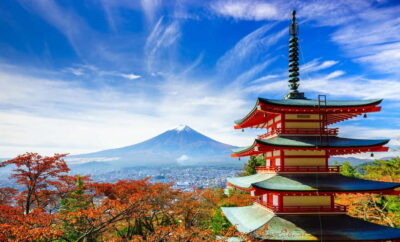 ★ 4.5From Tokyo: Mount Fuji Full-Day Sightseeing TripFrom $684,970 reviews
 ★ 4.7Mt. Fuji Tour, Hakone Ropeway, Owakudani, Lake AshiFrom $544,002 reviews
 ★ 4.2Mt. Fuji 5th Station & Hakone Cruise 1-Day Bus TourFrom $1292,381 reviews
 ★ 4.7Mt Fuji Top 5 Spots Day Tour: Arakurayama Park,Oshino HakkaiFrom $532,066 reviews
 ★ 5.0Private Tour to Mt. Fuji and Hakone (Fully Licenced Operator)From $4971,910 reviews
This tour also belongs to