
Fuji in one tight day is doable. This tour is interesting because it strings together shibazakura flower viewing, iconic Lake Kawaguchiko viewpoints, and a traditional village stop with easy round-trip transport from Tokyo. What I like most is the hassle-free logistics and the way the day mixes big Fuji photo moments with local culture, not just viewpoints. A possible consideration is that the schedule is packed, so each destination gets a short visit.
At around 10 hours total, you’re riding in an air-conditioned vehicle and following a group plan with mobile ticket access. In past departures, guides like Kishida, Agnes, and Taiyo have stood out for clear directions and keeping the day running smoothly. It is a great fit if you want a lot of Fuji area highlights in one go, with minimal planning on your end.
Key Things I’d Prioritize on This Tour
- Fuji Shibazakura Festival at Motosuko Resort: timed for when the plants are in bloom, with paid entry in addition to the tour price
- Saiko Iyashi-no-Sato Nenba: a traditional Japanese village stop with a modest ticket cost
- Lake Kawaguchiko photo angles: quick access to classic shoreline views and flower parks
- Oishi Park and its flower promenade: a strong “Mt. Fuji plus foreground color” combo
- Chureito Pagoda and Arakura Sengen Shrine (when running): Arakurayama Sengen Park views plus a shrine built in 705
- Golden Week adjustment: May 1 to 7 can mean skipping Chureito Pagoda and Arakura Shrine due to heavy traffic
Why a One-Day Fuji Trip Works From Tokyo
A one-day Mount Fuji plan makes sense when you want the payoff without giving up your whole trip to trains. This is built around round-trip transportation from Tokyo in a comfortable, air-conditioned coach, which instantly cuts down on the time and stress of switching buses or trains.
The itinerary is designed for variety. You’re not only looking at the mountain, you’re also getting local culture (the traditional village), plus spiritual stops (the shrine area), and multiple Fuji viewpoint backdrops around Lake Kawaguchiko. That mix is the whole point of this day: you leave with photos that look different from each other, not 6 versions of the same view.
One caution: because it’s group-paced, you don’t get long free roaming time. If you love lingering, sketching, or slow photography, you may feel the day moving fast, especially in busier seasons.
More Tokyo tours and experiences for the shortlist



Getting to the Fuji Shibazakura Festival: Flowers, Tickets, and Photo Timing
The day starts with the Fuji Shibazakura Festival at Motosuko Resort, timed for when the shibazakura plants are blooming. The festival started in 2008, and the big reason to come is simple: you get a dedicated flower setting where you can photograph Mt. Fuji paired with a colorful foreground.
This stop is about 1 hour, and it does require a separate entry ticket (¥1,200 per person), not included in the tour price. That extra ticket is totally normal for festival events, but it does mean the tour cost isn’t your only expense once you’re there.
If you’re aiming for the best photos, take the first moments seriously. When the air is clear, your best shots usually come early before you get pushed around by the flow of other visitors. When the forecast is overcast, you still might catch Fuji peeking through at the right angle, but don’t count on it being picture-perfect all day.
Saiko Iyashi-no-Sato Nenba: A Traditional Village Stop With Real Story
Next you head to Saiko Iyashi-no-Sato Nenba, a traditional Japanese village in Fujikawaguchiko Town. It’s known for its picturesque setup with Mt. Fuji in the background, and it’s the kind of stop that turns your day from sightseeing into something more human.
This visit is about 50 minutes, and there’s a separate ticket (¥500 per person). You’ll want to treat this as your “pause” moment in the schedule, because it’s where the day shifts from scenery to everyday cultural atmosphere.
One detail worth noting is that the village was destroyed by a landslide during a typhoon in 1966. That background gives the place a different emotional tone than a generic theme attraction. Instead of only chasing views, you’re reminded that this area has real vulnerability to the same nature that also creates the Fuji scenery.
The one drawback of a village stop on a bus tour is pacing. You may not have time to go slowly through every corner, so wear comfortable shoes and focus on the parts that connect to the village atmosphere for you.
Lake Kawaguchiko and Oishi Park: The Classic Fuji View Route
After the village, you move into pure scenery mode at Lake Kawaguchiko, the most popular of the Fuji Five Lakes. It’s known for panoramic views of Mt. Fuji from the shoreline, and it has the longest shoreline among the five lakes. On a calm, clear day, the view payoff is obvious, and even on mediocre days you can still find angles where Fuji shows up.
Your time here is about 20 minutes, and the lake itself is free to view. Short visit or not, I like this timing because you get a quick hit of that “I’m really in Fuji country” feeling without losing half the day to one location.
Then you go to Oishi Park for about 30 minutes, also free. The lakeside promenade offers a mix of flower scenery that blooms according to the season, which means your foreground changes month to month. This is a great stop if you want photos where Mt. Fuji looks bold, not just distant.
If you’re visiting when shibazakura is already done or not at peak, Oishi Park still gives you the foreground texture you need. Flower parks can be hit or miss depending on the calendar, but this area is built for the Fuji photo concept year-round.
A practical tip: plan for wind. Lakeside parks can feel cooler, and if you’re photographing, wind can make it harder to hold steady shots. Dress in layers so you stay comfortable even if the mountain weather shifts.
Kawaguchiko Natural Living Center: The Torii-in-View Angle
One of the more visually specific stops is the Kawaguchiko Natural Living Center. This is only about 15 minutes, and it’s free.
Why this matters is the second-floor viewing perspective: you can easily capture a red torii blending with Mt. Fuji. That combination of color and structure is exactly the kind of “specific photo opportunity” I look for on a fast day trip. It’s less about walking around forever and more about getting one strong composition quickly.
Because your time here is short, move with purpose once you’re inside. If you take too long at the entrance, you’ll feel rushed before you reach the view point.



Chureito Pagoda, Arakura Fuji Sengen Shrine, and the Golden Week Change
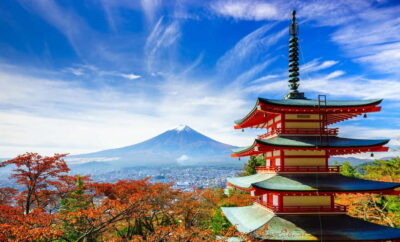
The final stretch focuses on Arakurayama Sengen Park and the shrine area. The highlight for many visitors is Chureito Pagoda, a classic viewpoint where you can see the pagoda with Mt. Fuji and Fujiyoshida City in the background. This stop is about 50 minutes and is free.
From there you visit Arakura Fuji Sengen Shrine, built in 705 and serving as a guardian place for over 1,300 years. It’s a sacred worship site where people seek protection against bad luck and promote harmony. This is a quick 15-minute stop, also free, but it adds that spiritual layer that helps the day feel more than just a photo circuit.
Now, the important logistics note. During Golden Week (May 1 to 7), traffic around Mt. Fuji can be heavy. In that period, the tour cancels the visit to Chureito Pagoda and Arakura Fuji Sengen Shrine, so the group can allocate enough time to other attractions. If you’re traveling in those dates, don’t be surprised if you’re shifting your expectations from the final scenic pair to the rest of the itinerary.
If you care a lot about seeing Chureito Pagoda specifically, check your travel dates carefully before you book. For everyone else, this is still a strong day because the Lake Kawaguchiko and Oishi Park stops do the heavy lifting for Fuji views even when the late-day park gets adjusted.
Guide Style and Group Size: How the Day Stays Manageable
This is a group tour with a maximum of 45 travelers, which is big enough to feel social but not so huge that it becomes chaotic at every stop. You’ll also have an advantage if the meeting points are well coordinated, and the guide support seems to be a real strength here.
In feedback I’ve seen from this tour type, guides such as Kishida, Agnes, and Taiyo get praised for being clear and organized, and for helping people get where they need to be on time. One guide communication style that comes up is using a messaging group to share meeting instructions, which can be a big deal when you’re traveling across multiple sites in one day.
The included air-conditioned vehicle matters more than you’d think. On a 10-hour schedule, comfort keeps your energy up, and it helps you enjoy the stops instead of feeling drained before you even reach the views.
My practical take: your experience will rise or fall based on how well you follow the group timing. If you treat the tour like a suggestion, you’ll waste time. If you treat it like a plan, you’ll likely feel like you got your money’s worth in viewpoints and culture.
Budget Check: Is This $58.90 Day Trip Worth It?
The price is $58.90 per person, and that includes the air-conditioned vehicle and a guide. On its own, that’s already a value signal, because transportation from Tokyo and back to the Fuji area is one of the more expensive pieces if you do it independently, especially when you factor in your time and the mental energy of planning.
But you do have extra costs on top:
- Saiko Iyashi-no-Sato Nenba ticket: ¥500
- Fuji Shibazakura Festival ticket: ¥1,200
- Lunch is not included
So the all-in cost depends on your spending habits and currency exchange. Still, you’re paying for a curated route with multiple paid and free stops. You’re not just buying a bus ride to one viewpoint.
I also like that this itinerary gives you both paid “set-piece” experiences and free scenery. The free parts are valuable because they let you stretch your budget while still capturing different Fuji angles, especially around Lake Kawaguchiko.
If you’re thinking like a budget traveler, bring snacks or plan your lunch strategy in advance. Some guides provide food and timing hints, but if you want more control, having your own backup helps you avoid losing time hunting for something open.
What to Expect at Each Stop, Without the Rush Panic
To make this day feel smooth, think of it as a sequence of short chapters:
- 1 hour at shibazakura festival, paid entry
- 50 minutes at the traditional village, paid entry
- 20 minutes for Lake Kawaguchiko views, free
- 30 minutes for Oishi Park, free
- 15 minutes for the Natural Living Center torii view, free
- 50 minutes at Chureito Pagoda, free
- 15 minutes at Arakura Fuji Sengen Shrine, free
In other words, you’re rarely sitting with nothing to do. That’s good for most visitors because it keeps the day productive. It can be annoying if you love slow travel, but most people come for the Fuji hits and then move on to the next photo angle.
A weather reality check is also useful. Mt. Fuji visibility can change quickly. Even when skies look overcast, the mountain can appear at the right moment from the right spot, which is why having multiple viewpoint stops matters. The itinerary’s variety increases your odds of seeing Fuji clearly at least once.
Who This Tour Fits Best, and Who Might Want a Different Plan
This tour fits best if you want:
- a day-trip plan with minimal planning effort from Tokyo
- multiple Fuji viewpoints in one organized loop
- a mix of scenery plus cultural stops (village and shrine)
It may feel less satisfying if you’re the type who wants to linger for hours at one place, because the schedule is intentionally tight. It also may not be your top choice if you prefer independent travel where you can chase weather changes on your own.
For families and people with mobility needs, the itinerary includes a note that you should indicate when booking if you have a stroller or large luggage. That helps the operator prepare, but your comfort will still depend on the speed of bus transitions and your ability to handle short walks at each stop.
Should You Book This Mount Fuji and Shibazakura Day Trip?
If your goal is a high-return day with major Fuji sights plus a real traditional village and shrine stop, I’d book this. The value is strong for the price because you’re getting transport and guide support, and you’re not wasting time figuring out routes across the Fuji area.
Pick it with confidence if:
- you want shibazakura flower photos during the bloom period
- you like organized itineraries with predictable meeting points
- you want multiple Fuji angles rather than just one
Skip or reconsider if:
- you’re traveling during Golden Week and Chureito Pagoda or Arakura Shrine are must-see items for you
- you dislike short stops and prefer long, unstructured time in one place
- you don’t want any added ticket costs beyond the tour price
Overall, this is a practical, Fuji-focused day trip where the structure is the value. You’ll trade a bit of freedom for a lot of payoff, and when the mountain cooperates, the photos are exactly the kind that make the whole trip feel real.
FAQ
How long is the Mount Fuji and shibazakura one-day trip?
The tour is about 10 hours total.
What is included in the tour price?
The included items are an air-conditioned vehicle and a guide. You also receive mobile ticket access.
What extra tickets or costs should I plan for?
Lunch is not included. You also need tickets for Saiko Iyashi-no-Sato Nenba (¥500 per person) and the Fuji Shibazakura Festival (¥1,200 per person).
Is Lake Kawaguchiko and Oishi Park admission included?
Yes, those stops list admission as free.
What if I want Chureito Pagoda and Arakura Fuji Sengen Shrine during Golden Week?
During Golden Week (May 1 to 7), the tour expects heavy traffic and cancels the visits to Chureito Pagoda and Arakura Fuji Sengen Shrine to protect the schedule.
What languages is the tour offered in?
The tour is available in English and Mandarin.
More 1-Day Tours in Tokyo


More Tour Reviews in Tokyo
Not for you? Here's more nearby things to do in Tokyo we have reviewed












Mount Fuji Tours, side by side.
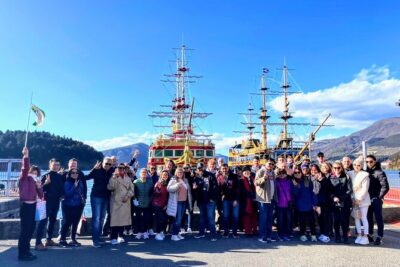 ★ 5.0Mt Fuji and Hakone 1-Day Bus Tour Return by Bullet TrainFrom $16326,383 reviews
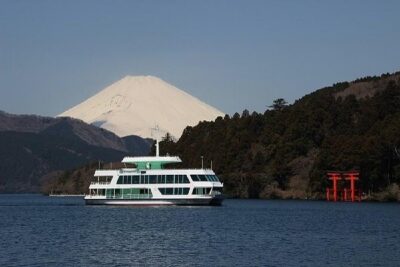 ★ 4.0Mt Fuji & Hakone Cruise, Drum Show Bullet Train 1 Day from TokyoFrom $1497,413 reviews
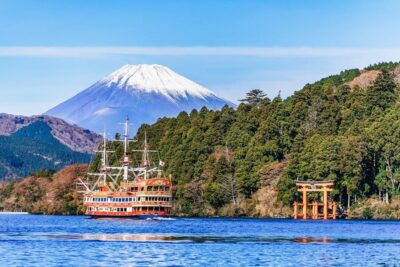 ★ 4.4Tokyo Mt Fuji 5th St & Hakone Cruise Bus Tour w/Bullet TrainFrom $1545,024 reviews
 ★ 4.5From Tokyo: Mount Fuji Full-Day Sightseeing TripFrom $684,970 reviews
 ★ 4.7Mt. Fuji Tour, Hakone Ropeway, Owakudani, Lake AshiFrom $544,002 reviews
 ★ 4.2Mt. Fuji 5th Station & Hakone Cruise 1-Day Bus TourFrom $1292,381 reviews
 ★ 4.7Mt Fuji Top 5 Spots Day Tour: Arakurayama Park,Oshino HakkaiFrom $532,066 reviews
 ★ 5.0Private Tour to Mt. Fuji and Hakone (Fully Licenced Operator)From $4971,910 reviews
This tour also belongs to