
Review · MOUNT FUJI TOURS
Mt. Fuji Panoramic Ropeway, 5th Station, And Oshino Hakkai Tour
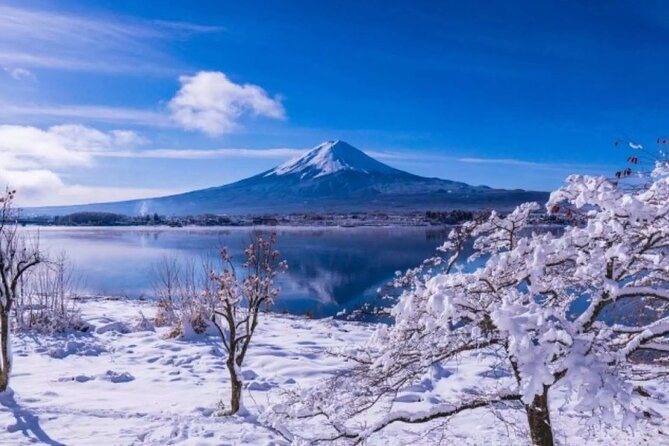
A clear-sky day turns this trip into magic. I like the way the route stacks Mount Fuji viewpoints back to back, so you keep moving toward better angles instead of wasting hours guessing where to stand. You also get a small-group feel, plus built-in time for photos and a real break with included lunch.
Two things I’d specifically plan for: the Mt. Fuji Panoramic Ropeway ride is designed as a prime photo window, and the Oshino Hakkai eight-pond village gives you that calm, traditional contrast to the city. One drawback to keep in mind is that this day is weather-dependent, and the ropeway involves on-site queuing, which can affect timing.
Key takeaways before you go
- Ropeway photo time: the ride is scheduled for big, framed views of Fuji and the lake area.
- High-elevation stop: the Mt. Fuji 5th Station Police Box takes you up around 2,300 meters for fresh air and altitude vibes.
- Oshino Hakkai ponds: three hours at the traditional village with its eight crystal-clear ponds.
- Included lunch + admissions: you pay once and get transportation, admissions, and lunch in the bundle.
- Limited group size: up to 20 travelers, which usually makes moving between stops less chaotic.
- Weather and queues matter: ropeway suspension and line time can change the pace of your day.
Why this Fuji day trip beats a DIY day
If you’re based in Tokyo, Mount Fuji day trips can turn into a logistics puzzle. This tour handles the driving, the stop order, and the admissions, so you can spend your energy on timing, photos, and enjoying each place instead of juggling train transfers and rental car stress.
I also like the order of the sights. You start around Lake Kawaguchi, then layer in Oishi Park, climb to the 5th Station, and finish with Oshino Hakkai. That flow makes sense because your eyes keep getting different kinds of Fuji: wide views at the lake, higher-altitude views at 2,300 meters, then a slower, cultural setting around the ponds.
Finally, there’s a social side that’s often missing on solo plans. The group max is 20, you’ll be around like-minded travelers all day, and it’s naturally easier to swap photo tips in real time.
You can also read our reviews of more tours and experiences in Tokyo.



Shinjuku meeting point and timing that you should take seriously
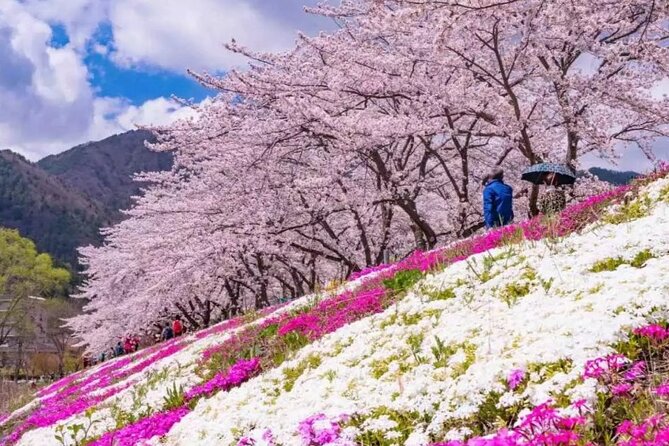
Your day starts at Shinjuku, at the West Exit in front of the Shinjuku Island Tower Love statue. The meeting time is listed as 07:45, with departure at 08:00, and they ask you to arrive about 10 minutes early.
Why I care about this: Fuji days can be long, and Tokyo traffic can be unpredictable. If you show up late, the itinerary can’t be rearranged, and refunds are not given for missed attractions due to late arrival. So plan to be there early, not just on time.
The tour duration is estimated at 9 to 10 hours, and that’s a realistic range given road conditions and potential queue time for the ropeway.
Lake Kawaguchi and the Mt. Fuji Panoramic Ropeway photo window
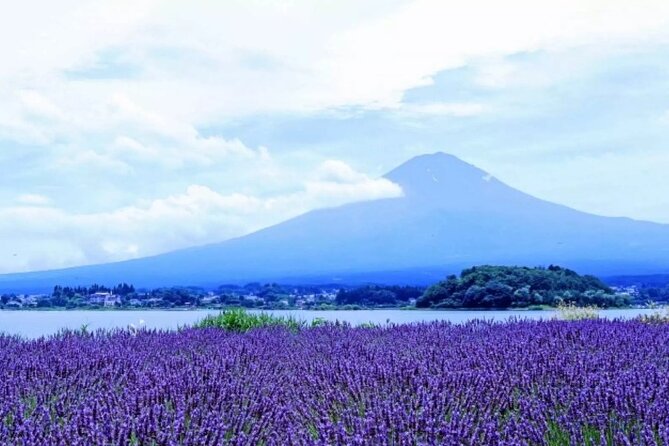
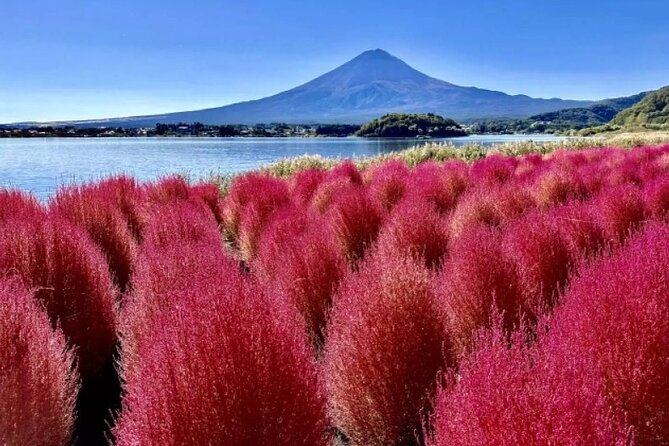
Lake Kawaguchi is the first real “wow” stage. It’s the area where you tend to get classic Fuji-and-lake angles, and the schedule gives you a generous block for the ropeway.
Here’s what to expect: you’ll be aiming for views that capture Fuji with the surrounding area below, and the ropeway ride is specifically positioned as an ideal time to take photos of the scenery. That matters because the ropeway has a moving perspective. From a ground viewpoint you can feel boxed in by structures or crowds, but from above you get a cleaner line of sight.
Also note two practical realities from the tour details:
- The ropeway can’t be reserved in advance and requires queuing on site.
- If the ropeway is temporarily suspended due to weather conditions announced by the authorities, the plan may switch to the Lake Kawaguchi Ensoleille cruise instead.
So, yes, you should go for the views. But also pack patience. If there’s a line, your exact timing can shift. Bring a coat, keep your camera ready, and treat this like part of the experience, not a problem.
Oishi Park: a calm hour with big Fuji framing
After Lake Kawaguchi, you’ll head to Oishi Park, where the focus is serene walking time with Mt. Fuji views. The stop is about 1 hour, and it’s known for having unobstructed views, so it’s one of those places where you can step out, look up, and quickly understand why people make a day of this.
This hour is a useful reset. You’ve just done travel time plus the ropeway effort. A short garden stop helps you slow down, get some shade or breathing space, and take photos without feeling like you’re racing the clock.
One consideration: viewing conditions for flowers or leaves can shift with weather, and the tour won’t be suspended or refunded just because foliage timing is imperfect. Bring a flexible mindset. Even without peak color, Oishi Park can still deliver the “Fuji in front of you” feeling.
Mt. Fuji 5th Station Police Box: your altitude reality check
Next comes the climb to Mt. Fuji 5th Station Police Box, at around 2,300 meters (7,546 feet). The stop is about 1 hour, which is enough time to take in the high-elevation atmosphere, snap photos, and soak up the special feeling of being on the mountain zone without turning this into a strenuous hike day.
At this altitude, the big story is usually temperature and air. Even if the weather is good at lower elevations, it can feel cooler up here, and wind can be a factor. The tour’s advice to wear comfortable clothing and bring a coat is not optional. I’d also keep your outer layer accessible, not packed deep.
There’s also a contingency in the tour details: if the road to the 5th Station is closed due to unexpected weather or traffic, the itinerary may change to Kitaguchi Hongu Fuji Sengen Jinja. That’s a smart backup, but it also means the view focus can change. If you’re booking this mainly for the 5th Station, understand that access depends on conditions.



Oshino Hakkai: eight ponds and that traditional village slow-down
The final major sightseeing block is Oshino Hakkai, scheduled for about 3 hours. This is the part of the trip that feels less about angle-chasing and more about wandering.
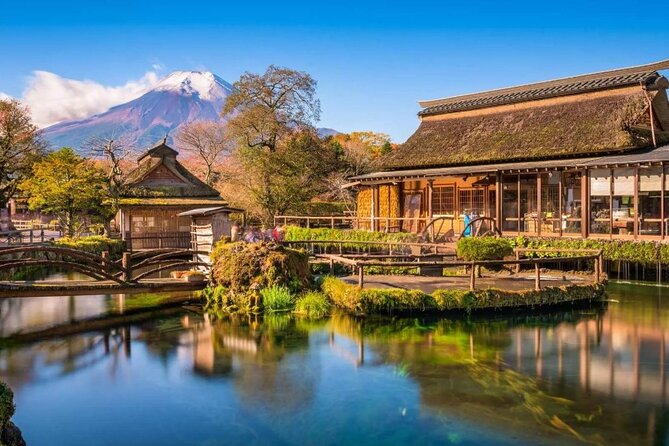
Oshino Hakkai is known for its eight crystal-clear ponds, collectively called Hakkai Springs, plus traditional thatched-roof houses. It’s a great end-of-day choice because after higher-energy stops (ropeway, panoramic views, altitude), you get a calmer setting where you can walk at an easy pace, take in the water, and enjoy the village atmosphere.
It also helps that this portion is longer than the earlier stops. Three hours gives you time to slow down, look closely, and not feel rushed through the ponds. If the weather is changeable, this is also one of those places where even partial visibility still feels worth it because the setting is more than just a single view.
Included lunch and why the break actually matters
Lunch is included, and that’s more valuable than it sounds. Fuji day trips often run long, and food timing can turn stressful fast. Having lunch built in helps you stay steady while you move from place to place.
If it’s flower or maple season, the tour notes serious traffic jams can happen and recommends bringing light food. I’d follow that advice even if lunch is included. Think of it as a buffer: if you arrive a bit later than expected or if there’s extra waiting time at the ropeway, a small snack in your bag can rescue your mood.
Language, guide style, and what to expect from a small group
The tour offers service in Chinese, Japanese, and English. You can request an English-speaking guide when booking, but it’s not guaranteed. If you don’t request that, the tour provides a Chinese-speaking guide.
This is worth planning for, especially if you’re the type who loves to ask questions. Still, even without English, the day’s structure does a lot of the work for you. You’re following a set route, and the stops are visually obvious even if the explanations are brief.
Also, the group max is 20 travelers. Smaller groups usually mean less crowding around key viewpoints and a better chance to hear what the guide is saying. The tour also notes that vehicle dispatch can vary depending on group size, and for smaller groups, the driver and accompanying person may handle the whole service.
Price and value: what $119 really buys you
At $119 per person, this isn’t the cheapest way to see Fuji, but it can be good value depending on how you’d otherwise build the day.
Here’s what the price includes:
- Transportation
- Admissions
- Lunch
That bundle matters because the cost of time is the hidden expense. A DIY day from Tokyo to multiple Fuji-area stops is often slower and more complicated. By pooling transport and admissions, you reduce the number of tickets and transfers you’d have to coordinate.
The fair question is: are you paying for flexibility or for a tightly scheduled day? This tour is the latter. It’s scheduled, it’s structured, and it’s designed to deliver a sequence of viewpoints. If you like wandering slowly and making last-minute decisions, you might feel slightly constrained. If you like having a plan and watching the day unfold, it can feel efficient.
Weather reality: your main variable
This experience requires good weather. And even when the day stays on schedule, weather affects what you actually see. The tour specifically warns that viewing periods for flowers or red leaves can shift with conditions, and it won’t be suspended or refunded due to those changes.
There are also operational changes that can happen:
- Ropeway suspension can lead to the cruise replacement.
- Road closures can trigger an itinerary change to Kitaguchi Hongu Fuji Sengen Jinja.
- Traffic congestion or facility maintenance can adjust your time at each attraction.
So I’d treat this like a “day with Mount Fuji as the star,” not a guaranteed box-ticking itinerary. If Fuji is cloudy, the day can still be enjoyable, but your payoff depends on the sky.
Reliability note from the experience record
The overall rating is 4.2 (5 reviews), which suggests many people have a decent experience. Still, there is at least one serious complaint about last-minute cancellation close to the departure date, even though a refund was issued.
I can’t predict how your date will go, but this is the kind of itinerary where I’d avoid booking it as your only Fuji option if you have very limited time in Japan. If you’re visiting during peak season, have a backup plan for another Fuji-area day or another activity you can pivot to.
Should you book this tour?
I think this tour is a strong choice if you want a guided, multi-stop Mount Fuji day without wrestling transit between viewpoints. It’s especially good if you value:
- the ropeway photo window at Lake Kawaguchi,
- the high-altitude experience at Mt. Fuji 5th Station Police Box,
- and a longer, calmer finish at Oshino Hakkai.
I’d think twice if you’re extremely weather-sensitive, hate queuing, or you’re on a tight schedule where a last-minute change would ruin your trip. Also, if you need English specifically, remember the English-speaking guide is available but not guaranteed.
If you can be flexible on timing and you’re excited by the idea of seeing Fuji from multiple angles in one day, booking can be a smart move.
FAQ
What time and where do I meet for the tour?
You meet at Shinjuku West Exit in front of the Shinjuku Island Tower Love statue, and the listed meeting time is 07:45 with departure at 08:00.
How long is the tour?
The tour is estimated to take about 9 to 10 hours.
What’s included in the price?
The price includes transportation, admissions, and lunch.
Is the Mt. Fuji Panoramic Ropeway ticket reserved in advance?
No. The Mt. Fuji Panoramic Ropeway cannot be reserved in advance and requires queuing on site.
What happens if the ropeway is suspended due to weather?
If the ropeway is temporarily suspended due to weather conditions announced by the authorities, the tour may arrange the Lake Kawaguchi Ensoleille cruise instead.
Can I request an English-speaking guide?
You can request an English-speaking guide in the booking request, but it is not guaranteed. If no special request is made, a Chinese-speaking guide is provided.
Are children under 6 free?
Children under 6 are free if they do not require a seat and meals. If they need a seat, you’ll need to purchase a child ticket, and additional fees may apply for meals.
More Tours in Tokyo

More Tour Reviews in Tokyo
Not for you? Here's more nearby things to do in Tokyo we have reviewed












Mount Fuji Tours, side by side.
 ★ 5.0Mt Fuji and Hakone 1-Day Bus Tour Return by Bullet TrainFrom $16326,383 reviews
 ★ 4.0Mt Fuji & Hakone Cruise, Drum Show Bullet Train 1 Day from TokyoFrom $1497,413 reviews
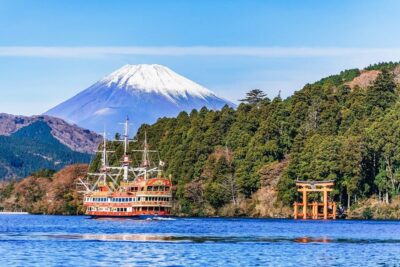 ★ 4.4Tokyo Mt Fuji 5th St & Hakone Cruise Bus Tour w/Bullet TrainFrom $1545,024 reviews
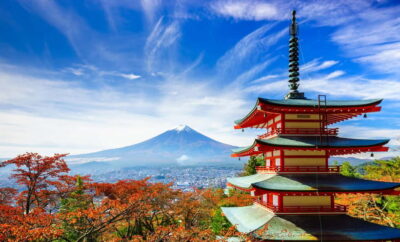 ★ 4.5From Tokyo: Mount Fuji Full-Day Sightseeing TripFrom $684,970 reviews
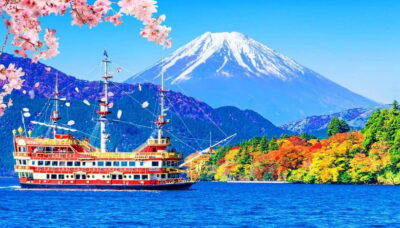 ★ 4.7Mt. Fuji Tour, Hakone Ropeway, Owakudani, Lake AshiFrom $544,002 reviews
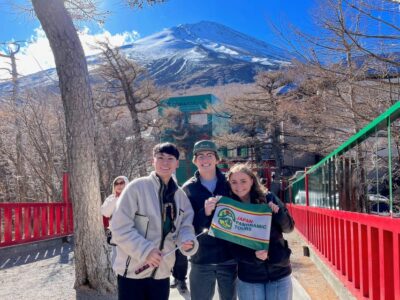 ★ 4.2Mt. Fuji 5th Station & Hakone Cruise 1-Day Bus TourFrom $1292,381 reviews
 ★ 4.7Mt Fuji Top 5 Spots Day Tour: Arakurayama Park,Oshino HakkaiFrom $532,066 reviews
 ★ 5.0Private Tour to Mt. Fuji and Hakone (Fully Licenced Operator)From $4971,910 reviews