
Review · MOUNT FUJI TOURS
Mt Fuji and Hakone 1-Day Bus Tour Return by Bus
Mt. Fuji in a single day can be a dream or a disappointment, and this tour is built to maximize your odds. I like the simple plan: air-conditioned bus with Wi-Fi, a guided stop at Mt. Fuji’s 5th Station, then the classic Hakone combo of cable car views and the Lake Ashi cruise. For me, the standout is the payoff, even when the schedule is tight, because you’re not just riding, you’re actually getting out for key photo and viewpoint moments. The one drawback to keep in mind is the time cost, you are on the bus for a big chunk of an 11-hour day, and weather can limit the views of Fuji.
This is the kind of trip that works best when you go in with a plan for photos, comfortable walking shoes, and realistic expectations about visibility. I also appreciate that it’s capped at about 43 travelers, with a professional English speaking guide and multilingual audio on board. You will feel the group pace at each stop, so if you hate rushing, plan to book something slower.
Key details that shape the day
- Pickup at Ginza or LOVE Shinjuku keeps the morning organized and easy to find
- Mt. Fuji’s 5th Station is the big target, with about 30 minutes on the mountain area
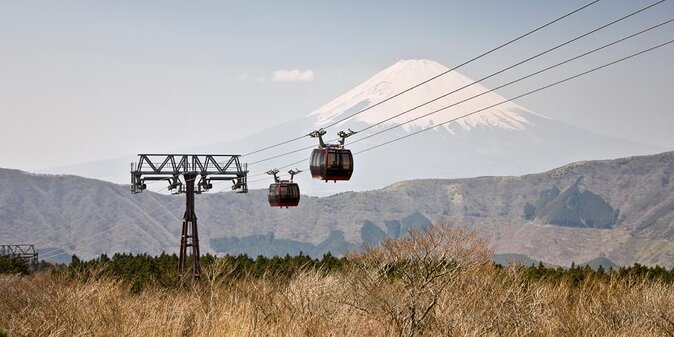
- Hakone Ropeway is included for sweeping views when the sky cooperates
- Lake Ashi cruise is the calm payoff after lots of travel time
- Odawara or Shinjuku drop-off changes by season and traffic, so your return plan matters
Price and logistics: what you are really paying for
At about $136.05 per person for an 11-hour day, the value is not in luxury. It is in packaging: you’re buying a guided, door-to-meeting-point day trip that includes the major transport links, entry fees for the key rides, and a guided route out of Tokyo without renting a car. When you split the cost, the cable car and cruise fees alone help justify the ticket, and the guide keeps you from wasting time figuring out where to stand and what you’re looking at.
Now the reality check. This is a bus tour, which means the itinerary is always working against traffic and weather. Some guides and reviews call out that the day can feel “mostly driving” if Fuji visibility is poor or if the schedule gets squeezed. If you like slow travel, you may end up feeling shorted, especially at the 5th Station.
For most people, though, this format hits a sweet spot: you get an organized route to Fuji and Hakone with included activities, and you can focus on getting photos and experiencing the scenery rather than navigating.
More Tokyo tours and experiences for the shortlist



Starting smart: pickup points and the bus comfort factor

Your morning begins with pickup from either Matsuya Ginza (7:20am) or LOVE Shinjuku (7:50am). The meeting place is anchored by a specific landmark, the Robert Indiana Sculpture, also called the LOVE statue, which makes it much easier to find your group. This detail matters because confusion at pickup can ruin the day fast in Tokyo.
On board, you’ll have an air-conditioned coach with Wi-Fi and multilingual audio guidance (English plus Spanish, French, Italian, German, Portuguese, and Ukraine listed). That sounds fancy, but it’s practical: you can use the audio to get context before you reach the viewpoints, and you can save your phone battery for photos. You should still expect a long ride, so bring something to do on the bus, and plan to stand up and stretch during breaks whenever the guide allows it.
One more timing note. Reviews include examples of smooth, on-time departures, and some days you may arrive at Fuji around late morning. That’s not a guarantee, but it’s a sign the operator aims for operational discipline.
Mt. Fuji 5th Station: the photo target with a built-in time limit
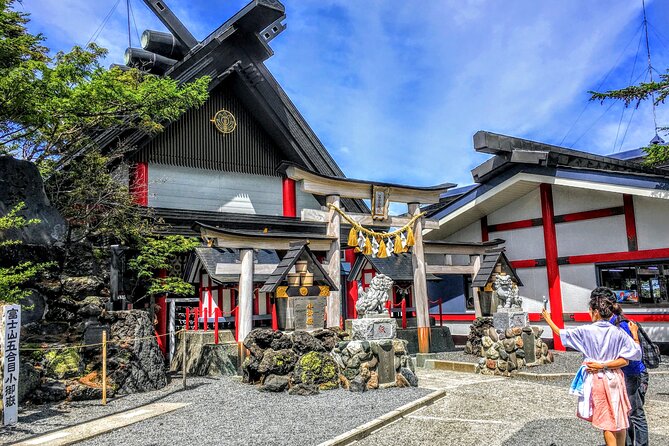
The reason you book this tour is the chance to see Mt. Fuji from the 5th Station area. You get about 30 minutes there, plus time to breathe the cooler air and feel the sacred feel at the Shinto shrine on-site. On clear days, this is where the mountain suddenly becomes real, not just a postcard.
What I like about this stop is that it is structured for views and photos. You can walk a bit, find angles, and take the classic shots without feeling like you’re wandering around with no plan. You also have a natural built-in rhythm: arrive, look, take photos, do a short shrine moment, then move on before the group gets stuck in bottlenecks.
The drawback is also simple. Visibility is not controllable. If clouds or fog roll in, your 30 minutes can feel like a lot of effort for little view. Also, access conditions change by season. The tour notes that if you cannot go beyond the 4… (the text is truncated in the details), the plan adjusts, and on certain dates in early June you may visit an alternative place due to traffic regulations for the hill climb.
If you want the best odds, go late fall or winter when the air can be clearer. At minimum, bring layers, because weather can shift quickly near the mountain.
Lunch at the foot of Fuji: included, but not halal or vegan
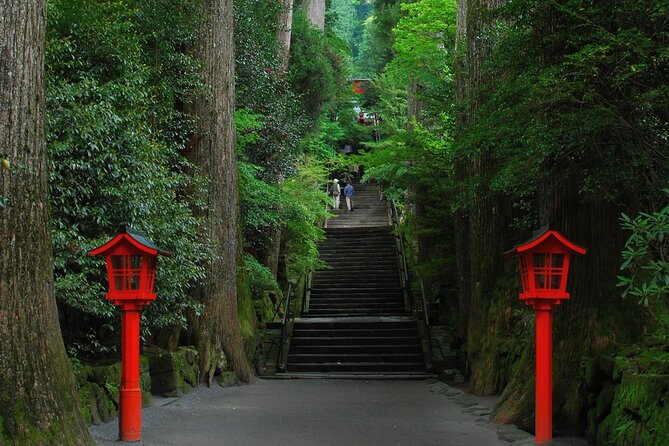
If you choose the lunch add-on, you get a Japanese buffet lunch at the base area near Mt. Fuji, with local fresh ingredients listed. The tour specifically allows vegetarian and Muslim-friendly options if you request when booking. That’s helpful because it means the operator is not just offering a token plate.
Here’s what to watch. Halal and vegan are listed as not available. If you need those specifically, you’ll want to book without lunch and plan your own food. The gluten-free situation is mentioned as limited, because the buffet has nutrition labels but options may vary.
In practical terms, the buffet can be the most “easy” part of the day because you’re not waiting in line for a set meal. You can eat quickly, refill, and get back to the schedule. The trade-off is quality consistency, since it’s a group lunch. Some reviews describe it as excellent, others as mediocre, which tells me you should treat lunch as fuel, not the highlight.
Hakone Ropeway: the cable car moment that can save the day
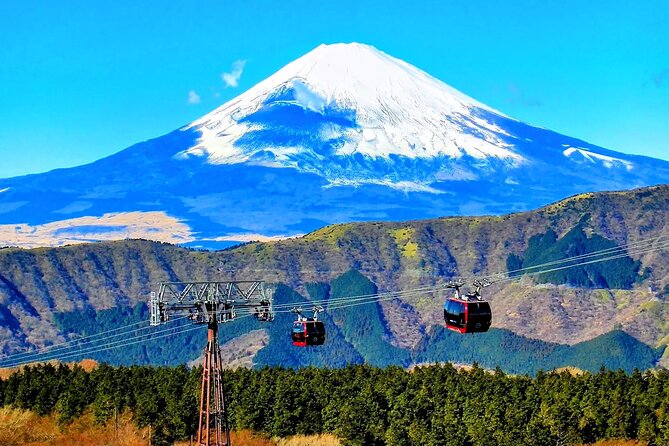
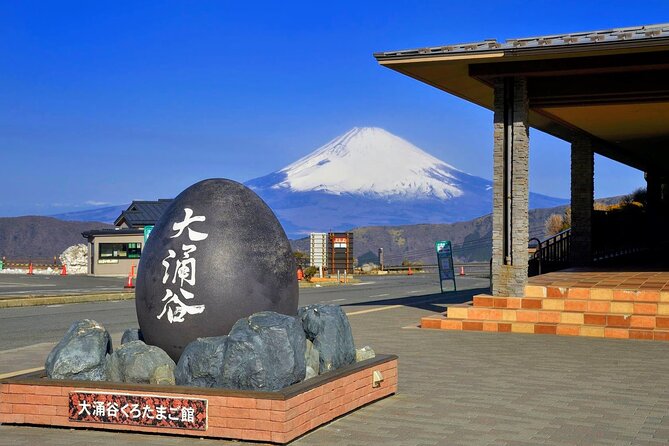
After Fuji, you’ll head into Hakone for Hakone Ropeway (included). This is your aerial viewpoint step, designed to show Hakone nature and Mt. Fuji from above when conditions cooperate. The scheduled stop is about 30 minutes, which is tight but usually enough if you plan your photo strategy: pick your spot quickly, then step aside when the group shifts.
What I like about including a cable car is that it changes the “level” of the experience. A bus day can blur together, and Ropeway gives you a vertical reset. You’re no longer just looking outward from a roadside viewpoint, you’re looking down into the valley and up toward the peaks.
The risk is weather. Fog, rain, and strong winds can limit visibility, and in some situations an activity might be swapped. The tour states that operations can change due to weather or suspension, and it may send you to alternatives or compensate with a gift instead of giving refunds for those changes. Translation: you should have a flexible mindset. If it’s socked in, you still get the ride and scenery, but the famous mountain view may not appear.



Lake Ashi cruise: where the day feels less rushed
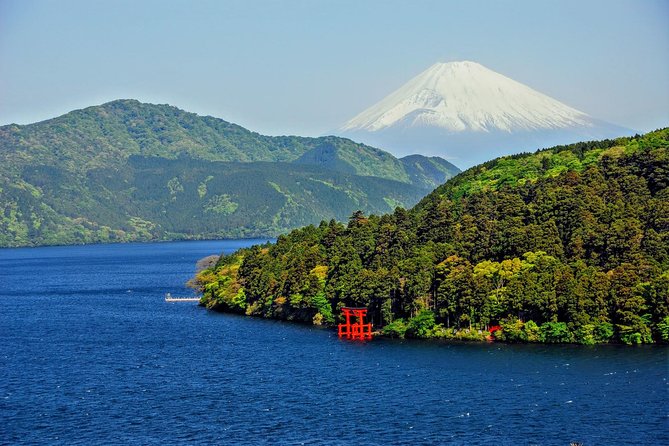
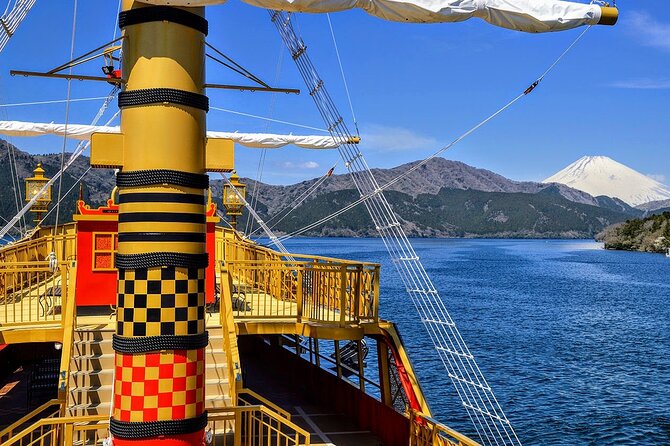
Then comes the part many people remember: the Lake Ashi cruise. The schedule gives you about 30 minutes on the water. This is a caldera lake setting in Hakone, and it tends to be the calmer break after a packed itinerary.
I like this stop because it’s different from the mountain walk and the cable car ride. You can sit, feel the breeze, and focus on the lake views. It also gives you an opportunity to check your photos and compare angles, since the shoreline and surrounding slopes look different from the water.
Crowding is the main thing to consider. Some days the boat can be busy, and if you’re unlucky, you may not find a great seat. That said, the cruise is still one of the most “Hakone” experiences you can fit into a day.
Also note the tour’s contingency plans. If a cruise on Lake Ashinoko is not possible due to conditions, the operator lists alternative options including a Swan Lake Cruise Ship on Lake Yamanaka and other replacements. So the core idea stays the same, but the exact lake experience can shift.
When you finish: Odawara Station vs Shinjuku, and why it matters
The tour ends at either Odawara Station or Shinjuku, depending on time of year and traffic. The details are clear: on weekends and public holidays, it ends at Odawara Station because of heavy traffic. Other timing notes say Shinjuku drop-off can be around 19:00 with no traffic jam, which is basically Tokyo-speak for “conditions permitting.”
This matters because your return to Tokyo changes. If you need the smoothest route back, the tour offers a “Returning by Bullet Train” option, which includes a Shinkansen ticket. The details also mention that if you have a JR Pass, you can take the bullet train from Odawara to Tokyo Station.
If you plan to go back by local trains, make sure you know your station exit routes and timing. A long day plus navigating at the end is not fun.
One more luggage note is worth your attention: the tour adds a warning that you won’t be able to bring a large luggage item exceeding total dimensions of 160cm onto non-reserved cars of the Shinkansen, giving an example of 80cm x 50cm x 30cm. If you’re traveling with big bags, pack smart for train limits.
Guides can make or break the vibe: the real human factor
The schedule is fixed-ish, but the tone is human. Many of the praised guide names show up repeatedly in the review comments: Aya, Yui, Aya again, Hiro, Sora, Levin, Hero, Tommy, Tsubasa, Mo Mo, Blue, and Masa. Even when the itinerary feels rushed to some people, guides often turn the bus ride into something useful, with humor and practical advice.
A big advantage here is the “professional English speaking tour guide” plus multilingual audio guidance. That hybrid approach helps when you’re tired. You can listen to the guide’s live comments, then rely on audio when you miss a point, especially about what you’re seeing at the shrine, or how to interpret Hakone views from the ropeway.
If you’re booking with kids or older relatives, guide style matters. The better guides keep the group moving but still explain what matters, so you’re not just marching from stop to stop.
Who this tour is best for, and who should think twice
This tour fits best if you want one organized day that hits the signature checklist: Fuji 5th Station area, Hakone Ropeway, and a Lake Ashi cruise. It’s also a solid choice if you dislike the stress of driving out of Tokyo and you want the comfort of a coach plus a guide.
It’s especially good if you travel with limited time in Japan. In that case, the “bus time” is not a bug, it’s the price of fitting a huge region into a single schedule.
Who should think twice? If you get grumpy when you feel rushed at each stop, you’ll probably feel it here. Multiple comments in the data hint that the day can feel grueling when the bus dominates the day or when Fuji visibility is poor. If you know you’re sensitive to asthma, the tour is explicitly marked as not recommended.
If you’d rather travel slower, you may prefer a more flexible plan using trains and local buses, so you can linger at viewpoints and adjust when the sky clears. But that’s a different kind of effort. This tour is for people who want a guided structure more than a choose-your-own-adventure pace.
Should you book Mt. Fuji and Hakone by bus?
Book it if you want a structured, included-activity day that gets you beyond Tokyo without car stress, and you’re ready to treat the views as conditional. If your top priority is seeing Mt. Fuji specifically, remember there is no view guarantee, so prioritize seasons with clearer air and dress for weather swings.
I would not book it if you strongly dislike bus-heavy days or if you need long, unhurried time at each stop. The trade-off is real: you get more “must-sees” but you sacrifice slow wandering.
My decision rule is simple. If you’re excited by the idea of reaching Mt. Fuji’s 5th Station, riding the Hakone Ropeway, and doing the Lake Ashi cruise all in one day, this tour is a practical way to make it happen. If you want breathing room, build your own day with rail and local timing instead.
FAQ
What is the pickup time and location in Tokyo?
Pickup is offered from Matsuya Ginza at 7:20am, or from LOVE Shinjuku at 7:50am.
Where does the tour end, Odawara or Shinjuku?
It can end at either Odawara Station or Shinjuku Station depending on the time of year. On weekends and public holidays, the tour ends at Odawara Station due to heavy traffic.
Is a lunch buffet included?
Lunch is included only if you select the lunch option. It is described as a Japanese buffet.
Can I request vegetarian or Muslim lunch?
Yes. Vegetarian and Muslim lunch options are available if you request when booking.
Is halal or vegan lunch available?
Halal and vegan meals are not available. If you need halal or vegan, the details suggest booking without lunch and bringing your own food.
Does the bus have Wi-Fi and audio guidance?
Yes. The bus includes free Wi-Fi service, plus multilingual audio guidance in English, Spanish, French, Italian, German, Portuguese, and Ukraine.
Which activities are included besides the Fuji area?
The tour includes Hakone Ropeway (cable car) and a Lake Ashi sightseeing cruise.
How long do you spend at Mt. Fuji’s 5th Station?
The scheduled time at Mt. Fuji Subaru Line 5th Station is about 30 minutes, with admission tickets listed as free.
Are all itinerary stops guaranteed?
No. The itinerary order can change due to traffic and weather. If an activity is closed, the operator says they will try an alternative place, and refunds are not given for changes.
Do I need a Shinkansen ticket back to Tokyo?
The standard product may not include the Shinkansen ticket. The tour notes that you can book the Returning by Bullet Train option if you need to return to Tokyo smoothly from Odawara. If you have JR Pass or do not need a Shinkansen ticket, you may book the standard product.
More 1-Day Tours in Tokyo

More Tours in Tokyo

More Tour Reviews in Tokyo
Not for you? Here's more nearby things to do in Tokyo we have reviewed












Mount Fuji Tours, side by side.
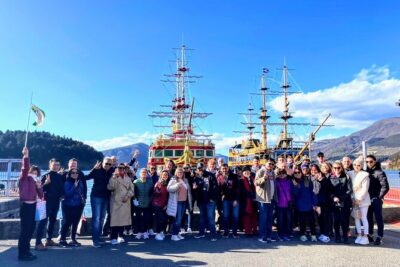 ★ 5.0Mt Fuji and Hakone 1-Day Bus Tour Return by Bullet TrainFrom $16326,383 reviews
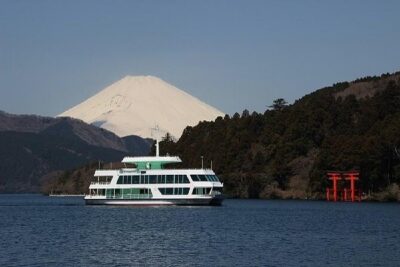 ★ 4.0Mt Fuji & Hakone Cruise, Drum Show Bullet Train 1 Day from TokyoFrom $1497,413 reviews
 ★ 4.4Tokyo Mt Fuji 5th St & Hakone Cruise Bus Tour w/Bullet TrainFrom $1545,024 reviews
 ★ 4.5From Tokyo: Mount Fuji Full-Day Sightseeing TripFrom $684,970 reviews
 ★ 4.7Mt. Fuji Tour, Hakone Ropeway, Owakudani, Lake AshiFrom $544,002 reviews
 ★ 4.2Mt. Fuji 5th Station & Hakone Cruise 1-Day Bus TourFrom $1292,381 reviews
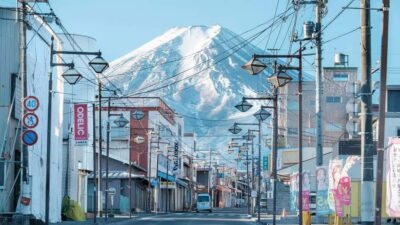 ★ 4.7Mt Fuji Top 5 Spots Day Tour: Arakurayama Park,Oshino HakkaiFrom $532,066 reviews
 ★ 5.0Private Tour to Mt. Fuji and Hakone (Fully Licenced Operator)From $4971,910 reviews
This tour also belongs to