
Review · SHIBUYA TOURS
Tokyo Private Tour: One Day Highlights and Optional Shibuya Sky
One day, Tokyo done right. This private plan strings together classic Asakusa temple streets and jaw-dropping Shibuya Sky views with a guide who handles the hard parts like train routes and timing.
I especially like how you get the spiritual old-school Tokyo in Asakusa, then switch gears to Shibuya’s high-rise perspective. I also like that it is a one-day loop, so you spend less time figuring out logistics and more time looking at the details.
One possible drawback: it is still a full, walking-heavy day on public transit, so you will want comfortable shoes and patience.
Key Things You’ll Notice on This Day Tour
- A private guide with public-transport know-how so you are not guessing connections
- Asakusa starts with a modern landmark at the Kengo Kuma-designed Asakusa Culture Tourist Information Center
- Shibuya Sky tickets are included, including access to the Sky Edge viewing corner
- You cover real contrasts in Tokyo from Senso-ji and Meiji Jingu to Takeshita Street
- Small group limits mean you get more personal attention (max 10 people)
Why This Private Tokyo Day Works Better Than a DIY Route
Tokyo is easy to get around, but it can still feel like a lot. This tour works because it turns a complicated day into a simple plan: one guide, one rhythm, and public transit handled for you. You still get to wander, but the route avoids the classic mistake of zigzagging across the city when your feet are already tired.
It is also a good match for first-timers. You get a quick orientation across neighborhoods that are worlds apart. Asakusa feels traditional and ritual-focused, while Shibuya hits you with scale, speed, and skyline height. Then Harajuku rounds it out with shrine serenity and youth fashion energy.
If you like photography, the structure helps. You reach Shibuya at the right time for views, and you hit the crossing and Hachiko area where people-watching is the whole point. The day is built to make those moments land, not just to tick boxes.
You can also read our reviews of more private tours in Tokyo
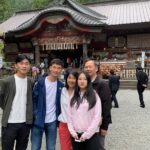
Asakusa Culture Tourist Information Center: Start With a Kengo Kuma Moment
You begin at the Asakusa Culture Tourist Information Center. It is an 8-story building designed by architect Kengo Kuma, and it is not just a place to ask questions. It is a modern arrival point in a neighborhood that is famous for old streets and temple crowds.
This stop is short, but it sets your mindset. Your guide can frame what you are about to see in Asakusa, from the gate and shopping street leading into Senso-ji to the nearby shrine and river views afterward. Even if you have been reading about Tokyo for weeks, standing in a place like this helps you orient quickly.
Practical note: this is free admission and only about 15 minutes, so it works even if you want coffee first. Use the moment to ask your guide about pacing. Asakusa crowds can swell, especially around the main approach to the temple.
Nakamise Street and Kaminarimon: Thunder Gate and Snack-Stop Vibes
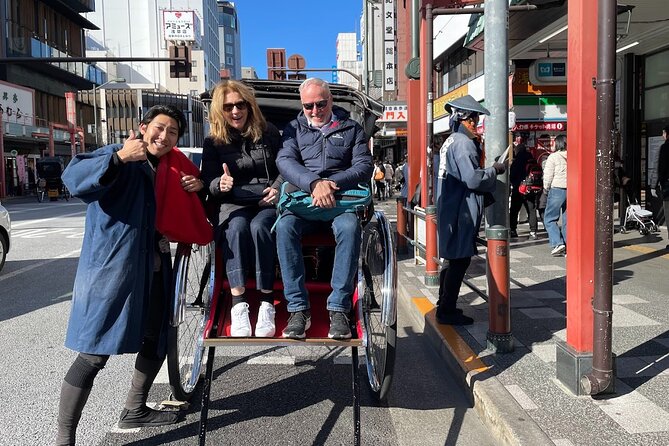
From there, you walk through Nakamise Shopping Street toward Kaminarimon, the Thunder Gate. This is the classic approach to Senso-ji and it is basically Tokyo theater. The street is lined with stalls and the gate acts like a dramatic doorway into the temple grounds.
The smart value here is that you do it with a guide. You do not just walk through a tourist lane. You get context for why this street exists and why it matters to Asakusa’s identity. Your time at Nakamise is about 15 minutes, so it is enough to soak it in without getting stuck in a long snack queue.
Tip: wear sleeves you can keep for sun or shade. The gate-to-temple area can feel warm, and you will be walking again soon.
Senso-ji Temple and Asakusa Jinja: Two Faiths, One Neighborhood Mood
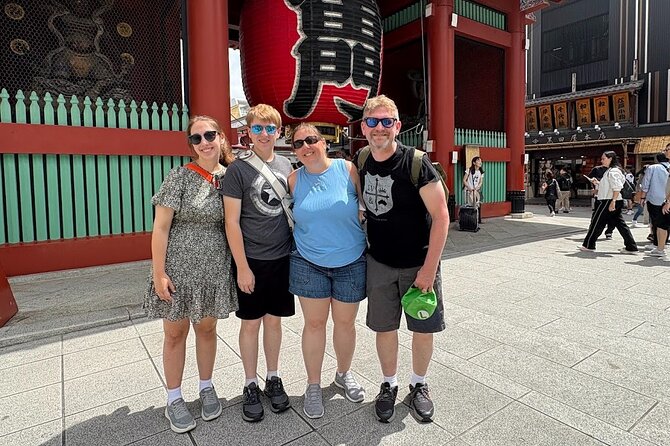
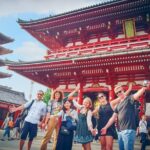
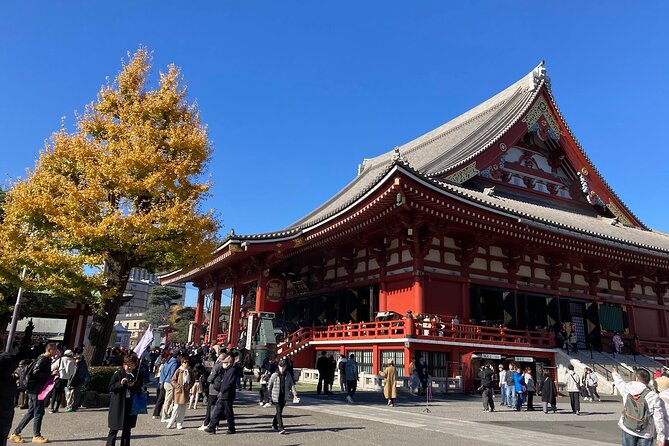
Senso-ji is one of Tokyo’s most colorful and popular temples, and your stop here is about 30 minutes. It is famous for reasons that go beyond architecture. The atmosphere is part of the experience: incense, details in the buildings, and the sense that people come for both tradition and meaning.
What I like about pairing Senso-ji with the nearby Asakusa Jinja Shrine is the contrast. Senso-ji is Buddhist, while Asakusa Jinja is Shinto. They sit close together, so you get a quick lesson in how Japan can hold different religious spaces side by side.
Your Asakusa Shrine stop is shorter, around 10 minutes, and it is smaller than its neighbor. That works well after time at Senso-ji. You get a calmer moment to slow down, look at the shrine layout, and notice the differences without feeling rushed.
If you are into photography, this is your best zone for street-level details. Focus on gates, rooflines, and the way people move through the spaces.
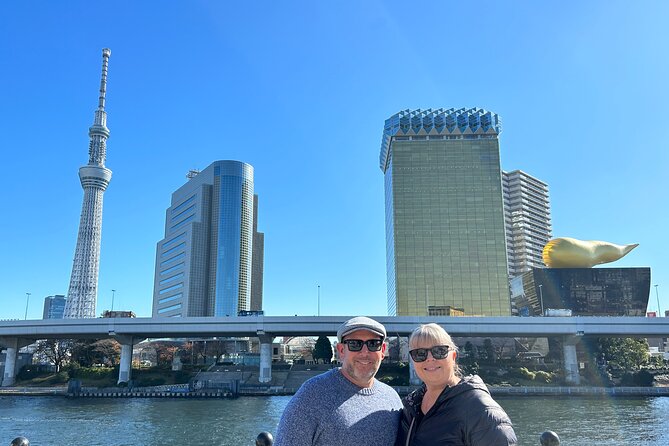
Sumida Park and Tokyo Skytree Views: A Breather by the River
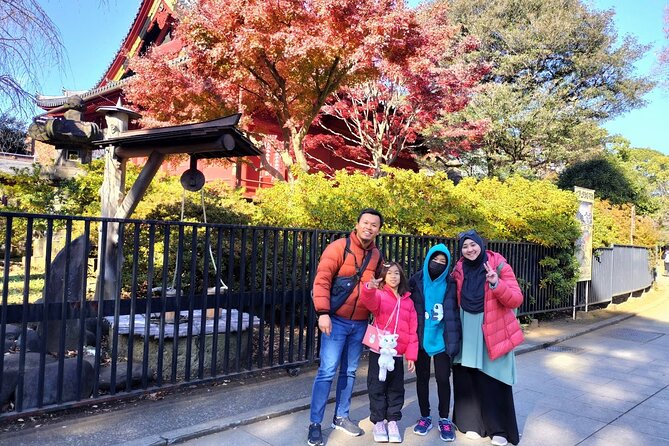
After temple energy, you head to Sumida Park near Asakusa Station. This stop is only about 10 minutes, but it is timed like a reset button. You get views of Tokyo Skytree with fewer visual barriers than you would have in tighter streets.
The river breeze matters more than you think. By this point you have been walking through gates and crowd lanes. A quick open-air pause helps you recharge before the day turns modern and vertical.
If you care about photos, this is a nice moment to frame the skyline from a distance. You also get a change of scene, which makes the later Shibuya sequence feel even more dramatic.
More Tokyo tours and experiences for the shortlist




Shibuya Sky: The High View, the Sky Edge, and a Wind Reality Check
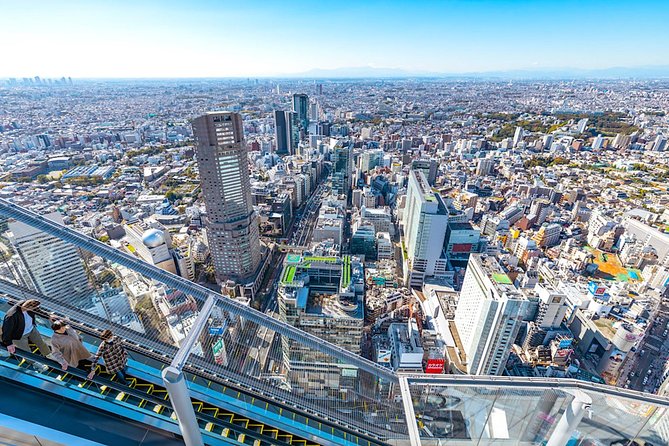
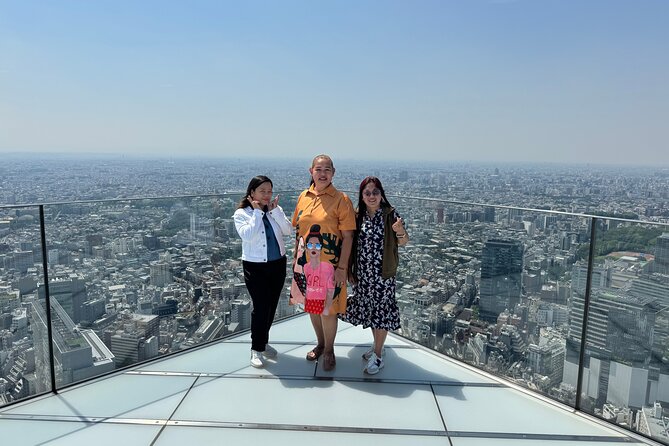
Then you go up. Shibuya Sky is the newest landmark in the Shibuya area, about 230 meters above ground, and your ticket is included. The highlight is Sky Edge, a corner where you can look down at the cityscape below.
This is the kind of view that makes your brain stop doing schedules and start just taking in the scale of Tokyo. On a clear day, it is a strong “wow” moment even if you have seen skylines before.
One real consideration: wind can affect what is open. I saw one example where the outdoor area was closed due to high wind. You cannot control weather, but you can control your expectations. Even if an outdoor section is limited, you are still going for a panoramic Tokyo view, and Shibuya Sky is designed to deliver that feeling.
If you are planning your photos, bring your phone charger or power bank. Higher-view stops burn battery fast.
Shibuya Crossing and Hachiko: Where Tokyo Feels Like a Movie
After the height, you go down into motion. Shibuya Crossing is near Shibuya Station, and it is crossed by an enormous number of people each day. At peak time, thousands can cross on a single green light.
Your time here is short, about 15 minutes, but it is exactly the right length for a first encounter. You want to watch the crossing cycle at least once, spot how the lanes move, then step into the meeting-point culture around the area.
Right there is the bronze Hachiko statue, and the plaza around it is a standard meeting spot for locals. It is only a few minutes on the schedule, about 5 minutes, but it is worth it. Hachiko is easy to understand even if you do not know the full story, because the statue is surrounded by everyday human behavior: waiting, pointing, reuniting.
Small tip: do not stand directly in the thickest crowd flow if you want photos. Let the light of the crosswalk work for you, not against you.
Meiji Jingu Shrine and Takeshita Street: Forest Calm Meets Fashion Noise
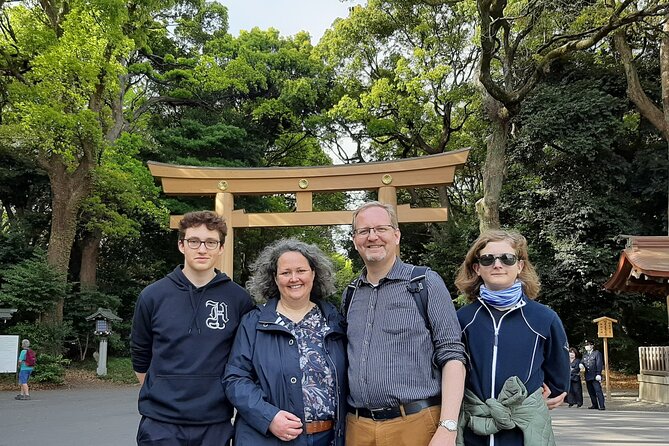
Next stop is Meiji Jingu Shrine, near Harajuku Station. This is about 45 minutes, and the shift is immediate. Instead of traffic and lines of shops, you get a shrine dedicated to Emperor Meiji and his consort, Empress Shoken.
This longer stop is the right call. Meiji Jingu feels like a place where you can slow your pace and actually notice the surroundings. It is a reminder that Tokyo is not only neon and crowds. It can be quiet, formal, and grounded.
Then you head to Takeshita Street for about 30 minutes. It is only 350 meters long, but it packs in trend-focused energy and street fashion watching. It is a good “last bounce” for the day. By now, you have temple serenity in your head, and then you trade it for people-watching, colorful outfits, and quick storefront visuals.
If shopping is your goal, ask your guide how to pace it so you still get time for your transit back. This is a day tour, not an endless browse session.
Price and Value: Is $178.38 Worth It?
At about $178.38 per person for a 7-hour private day, the value comes from what is included and what you are spared.
What you get:
- an English-speaking guide
- hotel pickup and drop-off in Tokyo’s 23 wards
- public transportation as part of the plan
- all fees and taxes
- photos of tour participants
- Shibuya Sky tickets included
What you do not get:
- food and drinks
- private transportation like taxi or a private car
Here is the practical way to judge it. If you were to buy Shibuya Sky admission plus spend your own time planning trains and managing multiple neighborhood changes, the cost adds up in both money and energy. The included guide support matters most on a first day. Tokyo can be simple, but it can also be tiring if you keep stopping to check routes.
Also, the group size helps. It is capped at 10 people, so you are not in a huge crowd tour where your guide has to talk at volume. A private setup means you can ask for small adjustments, like where to pause for photos or how long to spend in a specific area.
Pace, Walking, and Using Public Transit Like a Local
Even though it is called a one-day highlights tour, plan for real movement. You will be walking through Asakusa streets, across busy crossing zones, and inside shrine and shopping areas. The tour lists moderate physical fitness as the expectation, which is fair.
Public transit is included, and the benefit is obvious: your guide handles the rail and subway flow. On your own, Tokyo transit can be less confusing than you fear, but it is still easy to lose time, especially when you are switching lines in a rush.
This is also why a good guide can make or break the day. I saw a pattern in guide feedback that they were organized on trains, flexible with pacing, and able to help with practical travel tasks when needed. That kind of competence reduces stress fast.
Bring:
- comfortable shoes you can wear for a few hours straight
- a small bottle of water (food is not included)
- a light layer for indoor cooling or weather shifts
And one more: Shibuya Sky can involve outdoor exposure for some parts of the experience. If the weather is windy, be ready for access changes.
Who Should Book This Tour, and Who Might Want a Different Plan
This tour is ideal if you want a strong first-day Tokyo overview without turning your vacation into a navigation project. It is especially good for:
- first-timers who want Asakusa, Shibuya, and Harajuku in one sweep
- people who like guided history and place context while still taking photos
- travelers who prefer public transit with a pro doing the route planning
It may be less ideal if you want a relaxed, slow-paced day with long stays in just one neighborhood. This plan is designed for multiple highlights. You will see a lot, but you will not park yourself for hours in a single spot.
It is also a good match if you are okay with some walking on busy streets. The “moderate physical fitness” note is there for a reason, and it is accurate to what the schedule implies.
Should You Book This Tokyo Private Tour?
If you want a practical, high-impact Tokyo day and you like the idea of having someone else manage train transitions, I think you should strongly consider booking this. The included Shibuya Sky ticket is a meaningful value add, and the route covers three neighborhoods that feel like different cities.
Book it if:
- you want Asakusa temple landmarks plus Shibuya’s modern drama
- you prefer a guided plan over building one from scratch
- you are traveling with people who benefit from hotel pickup and clear directions
Be cautious if:
- you hate walking and long transit days
- you are picky about outdoor access at Shibuya Sky when wind affects what areas are open
If you do book, wear comfortable shoes and plan to buy your own lunch and drinks. Then let the guide drive the timing. You will come away with a Tokyo picture that feels real, not just snapped from afar.
FAQ
How long is the Tokyo private highlights tour?
The tour lasts about 7 hours.
What time does the tour start?
The start time is 9:30 am.
Is Shibuya Sky included?
Yes. Shibuya Sky observatory admission is included in the tour.
Does the tour include hotel pickup and drop-off?
Yes, pickup and drop-off are offered in Tokyo’s 23 wards.
What is the group size for this private tour?
It is a private tour with a maximum of 10 people per booking.
Is food included in the price?
No. Food and drinks are not included.
More Private Tours in Tokyo
More Tours in Tokyo


More Tour Reviews in Tokyo

Not for you? Here's more nearby things to do in Tokyo we have reviewed












Shibuya Tours, side by side.
 ★ 5.0Official Street Go-Kart in ShibuyaFrom $763,435 reviews
 ★ 4.9Street Kart Experience in ShibuyaFrom $741,484 reviews
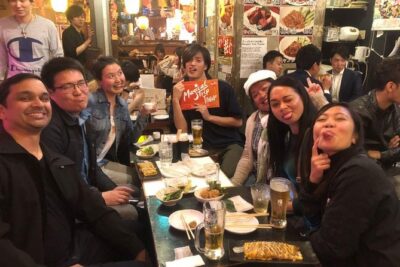 ★ 5.0Shibuya Meltdown Nightlife Tour: All-You-Can-Drink Bar HoppingFrom $1061,058 reviews
 ★ 5.0Shibuya Official Street Go-Kart in Shibuya AnnexFrom $69972 reviews
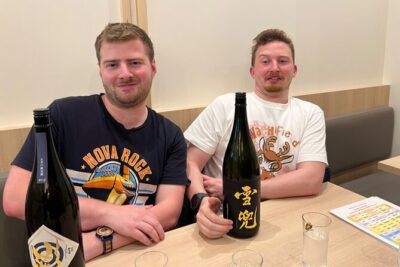 ★ 5.0Shibuya Food Tour (13 dishes and 4 Eateries)From $77770 reviews
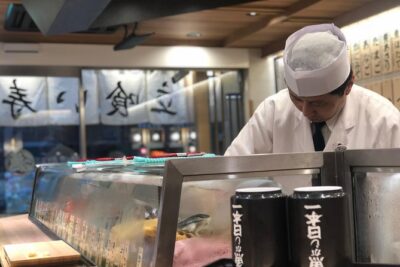 ★ 5.0Best of Shibuya Food TourFrom $217612 reviews
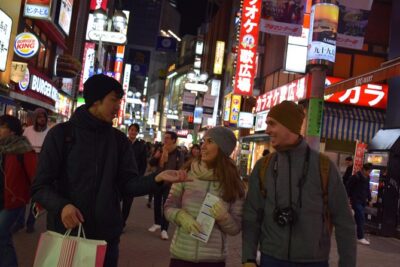 ★ 4.8Shibuya Highlights Walking TourFrom $19601 reviews
 ★ 4.7Premium Go-Kart Tour with Tower & Shibuya CrossingFrom $116528 reviews
This tour also belongs to