
Review · TOKYO CITY TOURS
Photoshoot with Professional Photographer in Tokyo
Tokyo looks better when someone else directs you. This private photoshoot in Tokyo is built for couples who want destination-style portraits without chasing strangers for snaps, and your English-speaking pro chooses the spots based on your interests.
I really like the photo output. You’ll receive 10-12 edited photos for a 1-hour session, or 20-22 edited photos for a 2-hour session, plus the unedited versions, with delivery in a few days.
The main thing to watch is conditions. The experience needs good weather, and some of the most famous areas (like Shibuya and Harajuku) can be crowded, so you may have to work with the flow of the streets.
Key things to know
- Private, couple-only session starting and ending in Shibuya.
- Locations chosen around your interests, not a one-size-fits-all route.
- Real editing included (10-12 for 1 hour, 20-22 for 2 hours) plus unedited versions.
- Tokyo range in one shoot, from Shibuya and Harajuku to Asakusa, Akihabara, and Ginza.
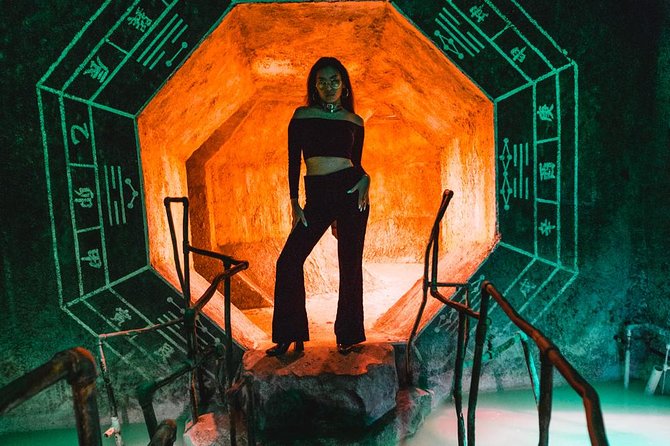
- Cyberpunk option in Kawasaki, at Anata no Warehouse with a Kowloon Walled City look.
- 2 hours gives you breathing room if you want to change outfits.
Price and what you actually get for it
At $209.79 per person, this isn’t a budget quick-fix. But it also isn’t just “someone holds your camera.” You’re paying for a professional photographer, a private setup for you and your partner, and editing of at least 10 photos (or 20-plus for a longer session). That matters, because Tokyo lighting can be tricky, and good composition turns a chaotic street into a clean portrait background.
For value, pay attention to the delivery promise: edited photos arrive within a few days. You also get the unedited versions, which is useful if you want to pick your favorites later or share more widely without relying only on the edited set.
If you want the best mix of street-style shots plus “cleaner” portrait frames, the 2-hour option is usually the smarter spend. A 1-hour session can work, but the experience itself notes that changing outfits often needs more time.
You can also read our reviews of more photography tours in Tokyo

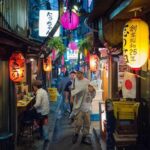
Shibuya meeting point, custom locations, and how the shoot flows
This experience starts in Shibuya and ends back at the meeting point, so you’re not zigzagging Tokyo without a plan. You’ll be working with an English-speaking professional who selects locations based on your interests and objectives, which is the real advantage of a private photoshoot versus joining a generic group photo walk.
You can think of it like this: you’re not just getting photos in Tokyo, you’re getting photos for your trip. If your vibe is fashion and urban street scenes, you’re more likely to spend time around Harajuku and Omotesando. If you want a traditional contrast, the plan can shift toward Asakusa and shrine-area streets. If you like pop-culture neon and tech, Akihabara fits that mood.
One practical note: transportation to and from attractions is not included. In most cases, that’s manageable if you’re already building your Tokyo itinerary with subway rides, but it’s still something to factor in for a smooth day.
Shibuya Crossing, Hachiko, and the fast energy of modern Tokyo
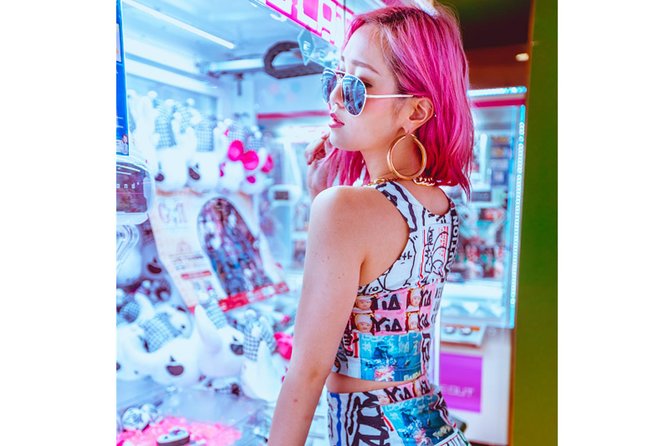
Shibuya is the signature opener. Expect the kind of street scenes people imagine when they picture Tokyo: busy intersections, strong signage, and layers of movement in every direction. For photos, that translates to great background texture, as long as you’re comfortable shooting with crowds nearby.
A stop tied to Hachiko, the bronze statue honoring the loyal Akita dog, gives you a grounded Tokyo landmark moment. It’s one of those places where the setting instantly tells your camera and your viewers you’re in Japan, not just on a random street.
Possible drawback: when a spot is famous, it’s famous for a reason, and that means it can be crowded at peak times. Your photographer will handle the framing, but your shots may feel more controlled and less spontaneous if you’re trying to avoid people entirely.
Harajuku streets, Takeshita-style fashion, and Omotesando’s architecture
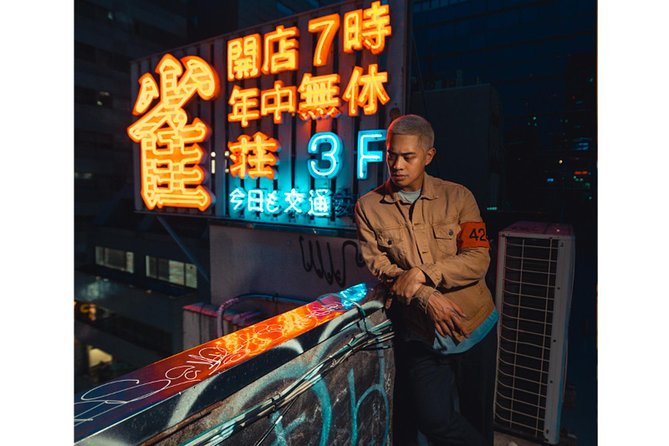
Harajuku and nearby Aoyama are where you can go from street fashion chaos to polished, design-forward backgrounds. Takeshita Street is famously narrow and can get extremely busy, which is great for photos that feel playful and fashion-forward. The tradeoff is timing: if you’re there when it’s packed, you’ll want a pro who knows how to guide you through gaps in foot traffic without ruining your flow.
Then you can pivot to Omotesando, including the Omotesando Avenue tree-lined boulevard and the more modern shopping architecture around Omotesando Hills and Tokyu Plaza. These areas tend to deliver “clean lines” for portraits, and they help your photos look intentional even when the street behind you is full of activity.
If your shoot leans more romantic or cinematic, the photographer may include calmer nearby options like Meiji Shrine and Yoyogi Park. A lush forested shrine area gives you softer light and a quiet back-drop contrast to the fashion streets, while Yoyogi Park can work nicely for wider walking shots.
A tip that helps your results: tell your photographer what you want your photos to feel like. If your goal is fashion editorial style, say that. If you want gentle couple portraits, say that too. Private shoots work best when the photographer can match their shot style to your expectations.
Asakusa’s shrine streets and Sensō-ji style photo backdrops
Asakusa gives you the older Tokyo look, and it photographs well because it has visual storytelling in every direction. Around Nakamise Street, you’ll find traditional craft shops and street-food vibes, which can add energy and authenticity to couple photos. If you’re the kind of person who wants your images to feel like travel memories, this area tends to deliver.
The plan can include Asakusa Shrine (also known as Sanja-sama), plus the temple area linked to Sensō-ji. This combination is powerful for photos because you get both ornate religious architecture and atmospheric street texture. Even if you don’t feel like you’re “doing a tour,” you’re still surrounded by strong visual cues that make your photos unmistakably Tokyo.
Drawback to consider: temple and shrine areas can be crowded, especially later in the day. If you dislike crowds, aim to keep your mindset flexible and let the photographer position you to use the background while minimizing the number of faces in your frames.






Akihabara electronics, Ueno Park calm, and the fish market intensity
Akihabara is for people who love tech, game culture, and signage. The area centers on electronics retailers ranging from tiny storefronts to major department-style setups like Yodobashi. For photos, this kind of environment creates bold colors and lots of “story” in the background.
But here’s the catch. Bright signage can make exposure tricky. One past experience noted that photos can come back looking too dark, so if you know you prefer lighter, brighter images, it helps to say that up front and request a style closer to your taste.
Ueno Park offers a totally different palette. It’s a large green space, and greenery is a cheat code for portraits because it gives you natural separation from the city. Ueno can also help if your shoot needs a breather between high-energy stops.
Then there’s the fish market area, known for seafood variety and viewing zones for a tuna auction. This is a strong choice if you want your photos to include a more intense, real-world Tokyo moment, not just polished landmarks. Possible drawback: it’s not a “slow stroll” kind of setting. Expect motion, strong activity, and a focus that isn’t about posing.
Tokyo’s palace area, Tokyo Station red brick, and Ginza evening polish
If you want variety beyond street scenes, the shoot can head into Chiyoda and the Imperial Palace area zones, including gardens and scenic viewpoints around the palace grounds. This part of Tokyo helps you get photos that feel calmer and more classic, with space for walking shots and scenic backdrops.
You may also run into parks nearby, including Kitanomaru Park (with Nippon Budokan in the area) and Kanda Shrine (which dates back about 1,270 years, with rebuilding due to fires and earthquakes). These stops add depth, because they mix “Tokyo landmark” with quieter streets.
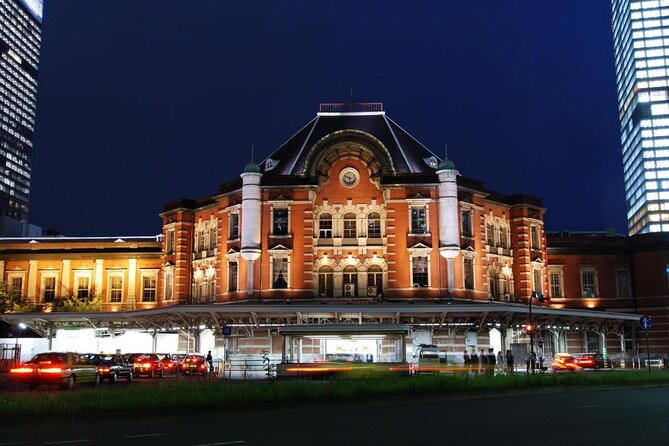
For architecture lovers, Tokyo Station’s red brick building is a must for photos. It’s nostalgic, photogenic, and a strong background for couple portraits. Then you can swing to Ginza, known for upmarket boutiques and ritzy dining. Ginza can be a great place to aim for sleek nighttime-style images, especially if your photographer knows how to frame shop lights and keep skin tones looking natural.
If you’re pairing these stops into one shoot, it works best when your photo plan includes both quick energy and slower portrait time. The private format makes that balancing act easier.
Anata no Warehouse in Kawasaki for cyberpunk style photos
Not all Tokyo shoots have to be Tokyo city-center. Anata no Warehouse, in Kawasaki, is a five-story arcade facility designed to look like the former Kowloon Walled City in Hong Kong, with a cyberpunk aesthetic. It’s exactly the kind of place that makes your photos feel like you’re in a movie set rather than a normal street.
For couples, it can also be a fun change of pace. Instead of trying to find the “perfect” street corner, you get built-in dramatic walls, lights, and angles designed for pictures.
Possible drawback: because it’s outside central Tokyo, your shoot may feel more about the location style than about hitting every famous Tokyo landmark. Still, if you want photos that feel unique, this stop is one of the strongest value-add options.
Timing, outfits, and how to get the best results in 1 hour
This shoot runs about 1 hour to 1.5 hours by default, but the included options show a clear difference. A 1-hour session includes 10-12 edited photos, while a 2-hour session includes 20-22 edited photos. If you’re thinking of outfit changes, the experience itself recommends 2 hours because a 1-hour session may not leave enough time.
Here’s how I’d plan it as a practical traveler:
- Pick one outfit for street scenes (something comfortable for walking).
- Pick one outfit for more “portrait” backgrounds (something that looks good with architecture and lighting).
Also, treat this like a mini photo session, not like a casual walk. Your photographer will guide you, but your job is to show up ready to move, decide quickly, and follow cues. That’s how you end up with photos that look like you meant to take them, not like you got lucky mid-tour.
The real downside to watch: editing style and weather dependence
Most of the experience value is about the final photos. A past note flagged that images came back too dark, which is a reminder that editing style varies. Before your shoot, think about the look you want: bright and airy, or moody and dramatic. You can also mention that you want Tokyo’s colors and signage to show clearly.
Then there’s weather. The experience requires good weather, and if it’s canceled due to poor weather, you’ll be offered a different date or a full refund. Tokyo can change fast, so if you’re booking for a specific day, check the forecast and keep some flexibility in your schedule.
Should you book this Tokyo private photoshoot?
Yes, if you want couple-focused, professionally edited travel photos without asking strangers to take the picture. The mix of major Tokyo locations plus the customization based on your interests makes it good value, especially because you receive a sizable edited set within a few days.
Book it if you like the idea of a guided plan through places like Shibuya, Harajuku, Asakusa, and Ginza, or if you want something more unusual like the cyberpunk look at Anata no Warehouse. I’d skip it only if you dislike crowds at famous photo spots or you need an ultra-flexible plan for bad weather days.
FAQ
How long is the photoshoot?
It runs for about 1 hour to 1 hour 30 minutes approximately.
How many edited photos will I receive?
For a 1-hour session, you get 10-12 edited photos plus unedited versions. For a 2-hour session, you get 20-22 edited photos plus unedited versions.
What kind of photographer do I get?
You get a private photoshoot with an English-speaking professional photographer.
Where does the photoshoot start and end?
It starts in Shibuya, Tokyo, Japan and ends back at the meeting point.
Are locations picked based on my interests?
Yes. Photoshoot locations are chosen based on your interests and objectives.
Is transportation included?
No. Transportation to/from attractions is not included.
What happens if weather is poor or I cancel?
The experience requires good weather. If it’s canceled due to poor weather, you’ll be offered a different date or a full refund. If you cancel, it is non-refundable and cancellation changes are not available for any reason, with cancellation fees applying based on how close to the event you cancel.
More Photography Tours in Tokyo
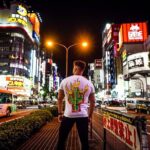
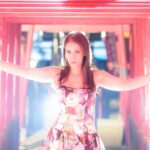
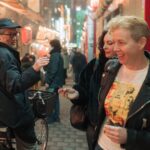
More Tour Reviews in Tokyo
Not for you? Here's more nearby things to do in Tokyo we have reviewed












Tokyo City Tours, side by side.
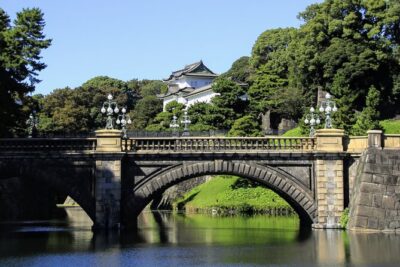 ★ 5.01-Day Tokyo Bus TourFrom $12914,250 reviews
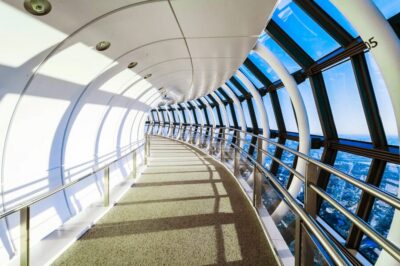 ★ 4.5TOKYO SKYTREE® Admission ticketFrom $1311,192 reviews
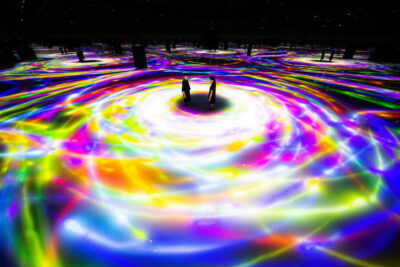 ★ 4.6teamLab Planets TOKYO Digital Art Museum Entry TicketFrom $259,779 reviews
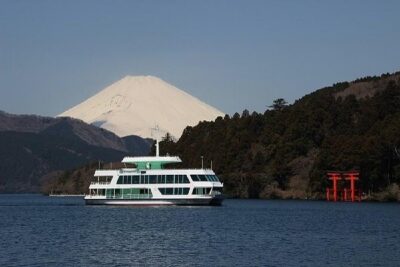 ★ 4.0Mt Fuji & Hakone Cruise, Drum Show Bullet Train 1 Day from TokyoFrom $1497,413 reviews
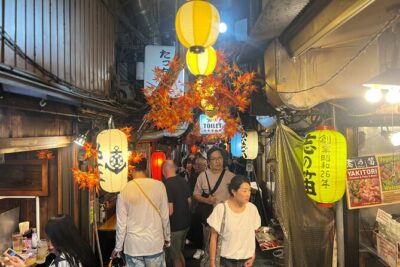 ★ 5.0Shinjuku Food Tour (13 Dishes at 4 Local Eateries)From $866,603 reviews
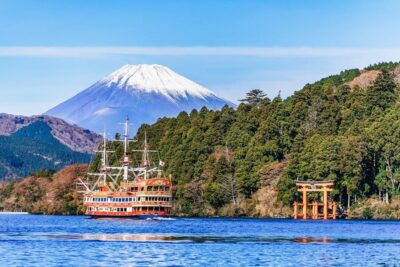 ★ 4.4Tokyo Mt Fuji 5th St & Hakone Cruise Bus Tour w/Bullet TrainFrom $1545,024 reviews
 ★ 5.0Flagship 2-Hours Official Street Go-Kart Tour – Tokyo Bay ShopFrom $644,974 reviews
 ★ 4.5From Tokyo: Mount Fuji Full-Day Sightseeing TripFrom $684,970 reviews
This tour also belongs to