
Review · TOKYO CITY TOURS
Tokyo by Night Photography Tour (Private Option Available)
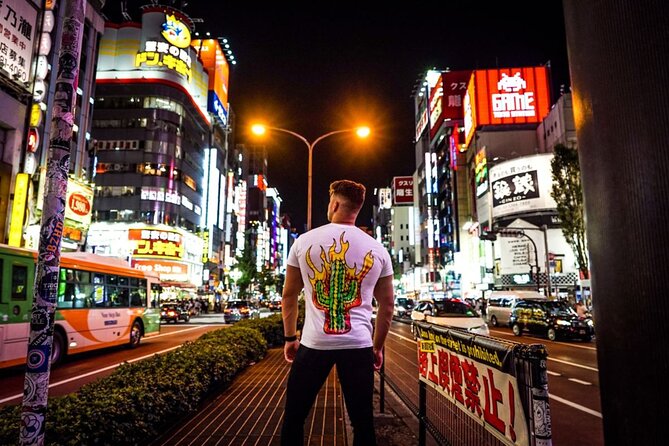
Neon looks better after dark. This Tokyo by Night Photography Tour puts you in the right places at the right times, with a professional photographer guiding your route and capturing the shots. You’ll also get 20 edited photos after the walk, so you are not just photographing Tokyo, you are coming home with usable images.
What I like most is the hands-on approach: you get photographed by a pro, with guidance on angles and posing, not just a generic walking tour. I also like the small-group size (max 6), which makes it easier to keep pace, ask questions, and actually get individual attention from the guide, including English support. Guides I saw named in feedback include Gota, including the friendly Gota-san vibe.
One thing to consider: the schedule is photo-condition dependent, so the exact timing can shift, and some areas have strict no-photography rules (including Shinjuku Golden Gai and Memory Lane). If you hate fast walking, or you need guaranteed time slots with zero “wait and adjust,” plan for flexibility.
Key highlights worth planning for
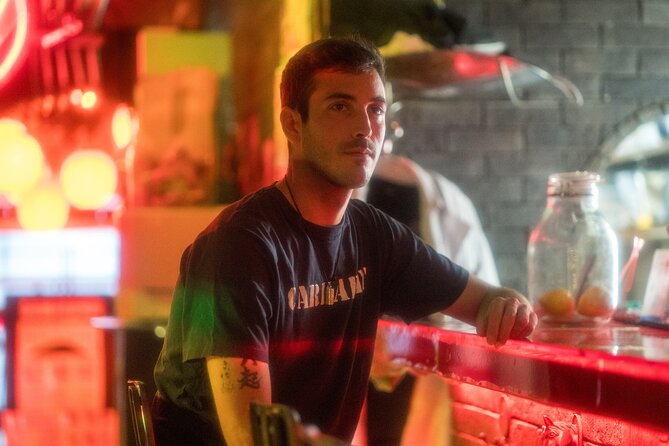
- Pro shooting plus 20 edited images, so you leave with finished photos
- Small group up to 6, which helps the guide keep control of the pace
- Iconic and in-between Tokyo from Shinjuku alleys to Shibuya Crossing
- Pose and angle coaching so your photos look intentional, not accidental
- A drink included during the night circuit
- No-photo zones in certain spots, meaning you may shoot only from approved areas
Night shots in Tokyo, without turning it into a DIY camera project
Tokyo at night is not just lights. It is reflections on wet pavement, neon bleeding into alley shadows, and crowds moving like a moving camera. This tour works because it treats your camera skills as optional. You are not expected to figure out settings in the dark while also navigating trains, crossings, and crowds.
You do get an English-speaking guide and photographer, and the guiding style is practical. The photographer shoots you along the way, and you receive 20 edited photos afterward. That matters because street-night photos usually fall into two buckets: either great scenes with blurry faces, or sharp portraits with boring backgrounds. This tour is set up to help with both.
Also, the pace is active. Expect real walking through photo stops, plus quick positioning for shots. If you want a relaxed night stroll, this is probably not your best fit. If you want an efficient “Tokyo night greatest-hits, but with personality” kind of evening, it is right up your alley.
You can also read our reviews of more private tours in Tokyo
Starting in Shinjuku, where the night feels like a movie set
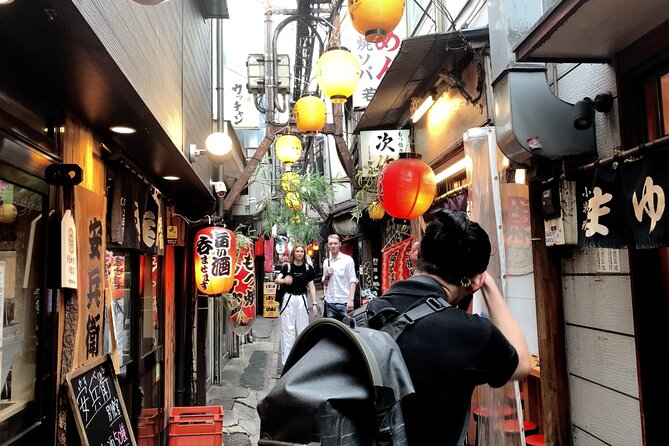
Your night begins in Shinjuku, meeting at Miraion Lion Square (3 Chome-38 Shinjuku). From there, the tour leans into the part of Tokyo that feels like a hidden scene you did not plan.
One early stop is Shinjuku Golden Gai, known for its maze-like bar lanes and that almost retro-futuristic feel people associate with Tokyo nightlife. This is where “Blade Runner”-style visuals come from in real life: tight angles, strong signage, and night texture. One catch: photography is strictly prohibited in some areas, including Golden Gai. That does not automatically make the stop useless. It means you likely will not be freelancing photos with your phone in every nook. Instead, you will follow the photographer’s plan for what is allowed, and you will still get your pro shots from permitted viewpoints.
Even if Golden Gai is visually intense, it can be stressful to navigate alone at night. Here, the guide keeps you moving and focused, so you can spend your energy on looking good for the lens instead of trying to read the maze.
Shibuya Crossing and the other famous stops, done with timing in mind
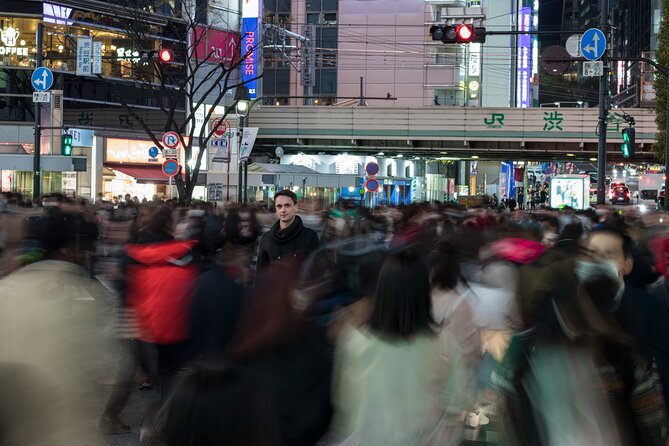
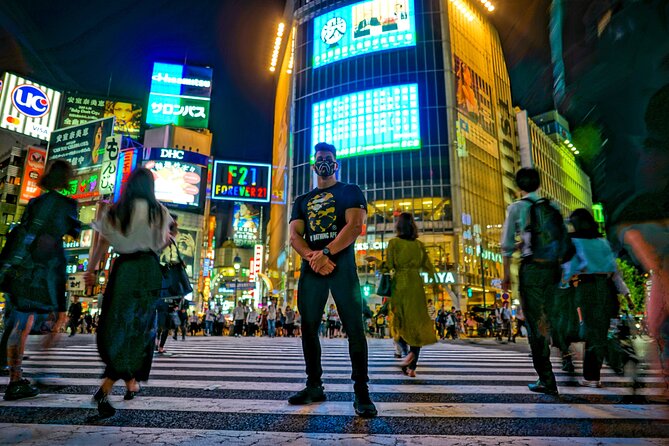
After Shinjuku, you head toward Shibuya, one of Tokyo’s best-known night hubs. The tour includes a stop at Shibuya Crossing, which is the kind of place where your photo can either look iconic or look like chaos.
Here is where a guide helps in a very real way. At peak hours, everyone is trying to take the same picture at the same time. A photographer can time the moment when your frame includes motion and faces, not just people’s backs. You also get time on foot to place yourself where the background works.
The itinerary also includes a pass by Hachiko in Shibuya. Even if you have seen Hachiko on postcards, it still works at night because the area has that “meeting point” energy. If you like a photo that feels local rather than only postcard-perfect, this is one of those stops.
You may also pass Shibuya 109, a fashion and entertainment building that is part of the neighborhood’s identity. It is not a “sit and shop” kind of stop, more like a quick visual marker for the area’s pop culture rhythm.
And you will likely pass through the area near Shibuya Center gai, which is known for keeping people out later. If you like photos with crowds and neon, this is the sort of zone where you get that “Tokyo at night” mood.
Tokyo Metropolitan Government Buildings area, for street-level skyline vibes
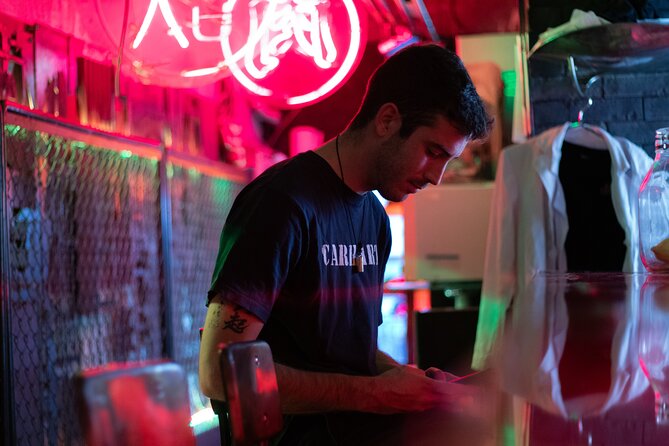
The tour includes photo time near the Tokyo Metropolitan Government Buildings area. The famous point here is that the observation deck sits high on the building, but this tour focuses on street-level views rather than asking you to go up.
Why this stop matters is simple. It gives you a cleaner shot that is easier to plan than alleyways. The wider streets, strong building lines, and landmark signage help your photos look more like a city poster. You will also move through a short sequence of sights around this area, including:
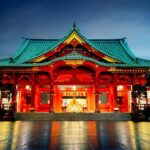
- a temple stop area (street-level views)
- a pedestrian bridge
- a Love sculpture
- the Metropolitan Government buildings
- Yodobashi Camera nearby
That mix of symbols, bridges, and big signage is what makes night Tokyo feel modern and slightly dramatic. It is also a good spot for your pro photographer to get a mix of portrait-style photos and more “place” photos.
Because this area is also popular, positioning matters. Expect to stand where the guide tells you, take a quick sequence of shots, then move on. It is efficient, but it is not slow.
Kabukicho: Tokyo nightlife photography with texture, signage, and movement
Another key chunk of the walk is Kabukicho. This district is packed with signage, bright storefronts, and narrow-side-street energy. It is one of those places where your photos can go wrong fast if you are trying to shoot yourself. Too much glare. Too much background clutter. Too much motion blur.
With a pro guiding the moment, you can get that “neon on faces” look without sacrificing the photo quality. You will stop at a few photogenic spots in the area for a focused burst of photos, then the tour keeps you moving toward Shibuya.
Kabukicho is also where the no-photo rules can matter depending on the exact side streets. The key is to treat it like this: your guide knows the boundaries, so be ready to follow instructions quickly.
You can also read our reviews of more evening experiences in Tokyo
What the pro photographer actually does for you
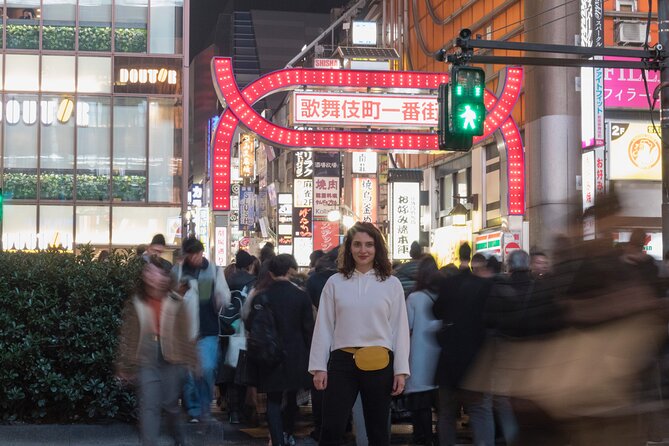
The photographer part is not a side detail. It is the product.
Based on the style of feedback around this tour, your photographer:
- gives a clear route plan ahead of time (so you know what you are walking toward)
- offers helpful reminders during the walk
- helps with posing and angles, including positive coaching
- shoots you through the night and sends back the edited images later
Guides mentioned by name include Gota, including Gota-san in feedback, and the tone is described as friendly and reassuring. If you feel awkward in front of a camera, this kind of coaching can be a big deal. You are not just standing there hoping for a good shot.
Also, you do not need your own camera. You can go with just comfortable shoes and weather-appropriate clothing, and the pro handles the main photos. If you want your own personal shots, you can bring a phone or camera, but you will still rely on the pro for the best results.
The included drink stop, and why it helps the flow
This tour includes 1 drink. That is not just a perk, it is a smart pacing tool. When the evening is active, a quick sit-down moment helps you reset, especially for couples and solo travelers who do not want the night to feel like a nonstop treadmill.
A couple of feedback notes point to the drink stop sometimes being at a themed spot, even described as a steampunk-style bar. You should not count on any exact theme, but you can expect that the drink is part of the night’s rhythm, not an afterthought.
How long it really takes (and why it can vary)
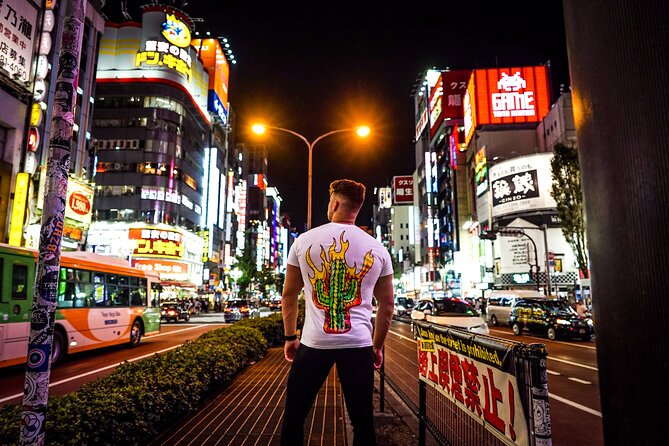
The tour runs about 2 hours to 2.5 hours. The length is not fixed, and it can change based on photo conditions, crowd levels, and group size.
That flexibility is actually important for night photography. If it is raining lightly, if the crowds are thicker than expected, or if a particular spot needs more time for positioning, the guide may adjust the route timing. The tour is designed around getting photos, not hitting a spreadsheet schedule.
One practical tip: because the guide must start on time, being late can cut you off. If you are more than about 15 minutes late, you may not be able to join and will not be able to get a refund or reschedule. For a night tour, I treat that like a hard rule. Build in buffer time.
Also, expect more walking than you might think. Some feedback describes the walk as around 3 km. That is not a marathon, but you will feel it if you wear the wrong shoes.
Value check: $105.71 for a night shoot that gives you finished photos
At $105.71 per person, this is not a cheap “just a walk” tour. The value comes from two things you often have to pay extra for when traveling:
1) a professional photographer shooting you through the night
2) 20 edited photos delivered after
If you were hiring a photographer for even one hour in a major city, you would usually pay a lot more than this once you factor in editing. Here, you are getting the shooting plus editing built in, along with an English-speaking guide to keep the route tight and logical.
The tour also includes a drink, and it is small-group, max 6. Small groups cost more to run, so that is part of why the price makes sense.
Two items to keep in mind: train transportation is not included, and entry fees are listed as free for the stops on the route. That is good for budgeting, but you still need local transit money to get between areas on your own or as directed.
Who this tour is best for
This is a strong match if you want:
- Iconic Tokyo night photos (Shibuya Crossing style) without trying to plan everything yourself
- a pro photographer to handle the hard parts of night portraits
- a night walk that also shows you Tokyo neighborhoods you might miss
It is especially good for solo travelers. You are not “waiting for friends to take turns.” The photographer is there to guide your poses and keep the momentum.
It is also good for couples who want photos that look like they came from a real shoot, not just random smartphone shots. The small group format means you are not lost in a giant crowd.
It may be less ideal if you:
- want a slow, chatty pace with lots of sitting time
- hate being told where to stand and when to move
- are very sensitive to strict rules like no-photo zones
A quick packing and comfort checklist
This tour is photo-focused, so your job is mostly comfort and readiness:
- wear comfortable shoes (you will be walking)
- dress for the weather, since Japan conditions can swing hard by season
- keep bags light if you can, since you may have to place items down when you stop for photos
A “no-photo zone” mindset helps too. If you go in assuming your phone will not work everywhere, you will have less frustration and more fun.
Should you book it?
I think you should book this tour if you want Tokyo night photos that look polished, and you do not want to deal with the usual chaos of photographing yourself in high-traffic areas. The combination of pro shooting, 20 edited photos, and a small group is the core reason it works.
Skip it if your main goal is scenic wandering with zero pressure, or if you need absolute control over exactly what you photograph at each spot. The photography restrictions in some areas, plus the variable timing based on conditions, mean it is not a strict, predictable “clockwork” experience.
If your priority is great results with minimal stress, Tokyo by Night Photography Tour is a smart use of one evening in the city.
FAQ
What time does the tour start?
The tour starts at 5:30 pm.
How long is the Tokyo by Night Photography Tour?
It runs about 2 hours to 2.5 hours, and the exact duration can vary depending on photo conditions, crowds, and group size.
How many edited photos do I receive?
You receive 20 edited photos during or after the tour process.
Is a camera required?
No cameras are required. You can bring one if you want extra personal photos, but the tour is built around the photographer taking your pictures.
How big is the group?
The tour is a maximum of 6 travelers.
Is a drink included?
Yes, 1 drink is included.
Where does the tour meet?
The meeting point is Miraion Lion Square, 3 Chome-38 Shinjuku, Shinjuku City, Tokyo 160-0022, Japan.
Are there places where photography is not allowed?
Yes. Photography is strictly prohibited in some areas, including Shinjuku Golden Gai and Memory Lane.
More Private Tours in Tokyo
More Tours in Tokyo




More Tour Reviews in Tokyo


Not for you? Here's more nearby things to do in Tokyo we have reviewed












Tokyo City Tours, side by side.
 ★ 5.01-Day Tokyo Bus TourFrom $12914,250 reviews
 ★ 4.5TOKYO SKYTREE® Admission ticketFrom $1311,192 reviews
 ★ 4.6teamLab Planets TOKYO Digital Art Museum Entry TicketFrom $259,779 reviews
 ★ 4.0Mt Fuji & Hakone Cruise, Drum Show Bullet Train 1 Day from TokyoFrom $1497,413 reviews
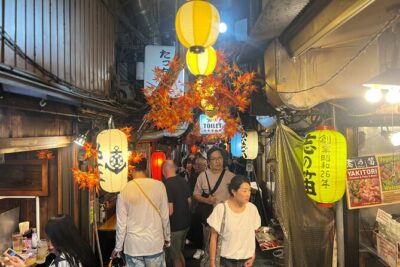 ★ 5.0Shinjuku Food Tour (13 Dishes at 4 Local Eateries)From $866,603 reviews
 ★ 4.4Tokyo Mt Fuji 5th St & Hakone Cruise Bus Tour w/Bullet TrainFrom $1545,024 reviews
 ★ 5.0Flagship 2-Hours Official Street Go-Kart Tour – Tokyo Bay ShopFrom $644,974 reviews
 ★ 4.5From Tokyo: Mount Fuji Full-Day Sightseeing TripFrom $684,970 reviews
This tour also belongs to