
Review · MOUNT FUJI TOURS
Private Car Mt Fuji and Gotemba Outlet in One Day from Tokyo
One day, two very different Fuji moods. I love the private car pace, plus the chance to hit iconic Mt. Fuji photo stops like Chureito Pagoda and Arakura Sengen Shrine without wrestling transit. The drawback is simple: you must choose among several possible stops, and Mt. Fuji visibility depends on weather.
This is the kind of day that works best when you treat it like a tailored route, not a checklist. Guides such as Elina, Taiji Endo, Ken, and Masa are praised for patience and adjusting timing when conditions change, including managing long lines.
If you want maximum shopping time or zero standing in queues, you’ll want to plan your priorities early. Do not worry though, the day is set up so your guide can steer the schedule around what matters most to you.
Quick key points before you go
- Private pickup and drop-off from your hotel area in an air-conditioned minivan, plus a bottled water.
- Arakura and Chureito Fuji views are built into the schedule as your early anchor points.
- Lake Kawaguchi and seasonal parks give you breathing room and non-stop photo angles.
- Most sights have free admission, but a few paid add-ons can affect your day plan.
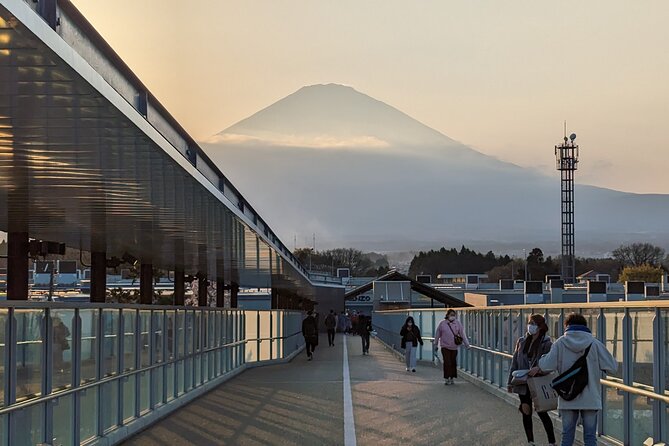
- Gotemba Premium Outlets is the big retail payoff, with about an hour set aside for shopping.
- You select around 4 to 6 sites from a longer list, which keeps the day from feeling like a sprint.
Private Car Mt. Fuji and Gotemba Outlets: What This Day Trip Gets Right
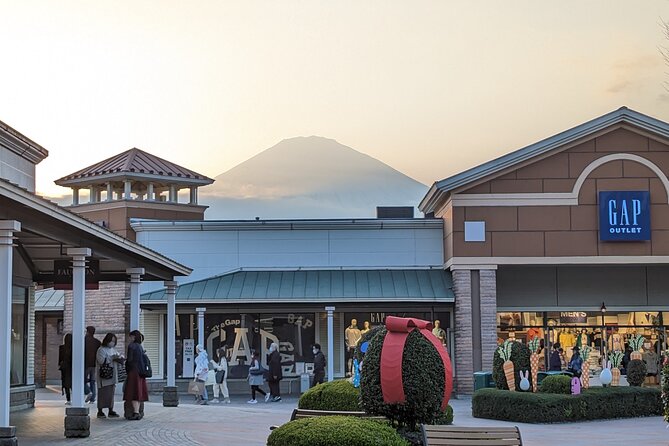
A one-day Mt. Fuji trip can go two ways. Either you feel rushed between sites, or you spend most of the day traveling. This private car format aims for the middle ground: you get real time at Fuji viewpoints and lakeside spots, then you switch gears to shopping at Gotemba Premium Outlets.
The big value for me is the comfort plus the human help. Instead of fighting trains and buses, you roll out of Tokyo with a local guide and a driver who already knows how the roads and timing work. That matters on a day when traffic can swing your schedule, and it matters even more when the weather turns and you need options.
You also get customization. The itinerary is essentially a menu, and you pick around 4 to 6 sites. That choice is a practical feature, not a nice-to-have, because Mt. Fuji areas are spread out.
You can also read our reviews of more private tours in Tokyo
How the Tokyo to Mt. Fuji Route Actually Feels in a Private Minivan
The tour runs about 10 to 11 hours, depending on timing and which stops you choose. You’re in an air-conditioned minivan for the long ride, and hotel pickup and drop-off are included. For most people, that alone is worth it if you dislike early-morning logistics or you’re traveling with kids, seniors, or anyone who just wants a smoother day.
Also, this is a true private group experience, priced for up to 8 people per group. That makes it easier to justify the cost when you’re not traveling solo or as a couple only.
A detail I really like: you receive bottled water and the vehicle has a DVD player. It is not a headline feature, but on a long day it helps keep the mood calm.
Choosing Your 4 to 6 Stops Around Mt. Fuji (So Your Day Stays Fun)
The schedule includes a lot of possible stops, from shrines to caves to lakes. The key is to pick the combination that matches your style.
If you’re a first-timer who wants the famous angles, I’d focus on:
- Arakura Sengen area for a Fuji view with the Chureito Pagoda.
- Lake Kawaguchiko for lakeside time.
- One cultural stop like Oshino Hakkai or Kitaguchi Hongu Fuji Sengen Jinja.
- One paid or adventure add-on if you have energy, like the ropeway or a cave.
If you want a more active day, build in:
- Aokigahara Forest walking time.
- A cave stop like Narusawa Ice Cave or Fugaku Wind Cave.
- Saiko Lake and Saiko Bat Cave.
If you want a lighter day, pick fewer paid add-ons and more free admission spots. Many stops in this route list are free, so you can spread your budget on meals and shopping instead.
Chureito Pagoda and Arakura Sengen Shrines: Fuji Photos Without the Chaos
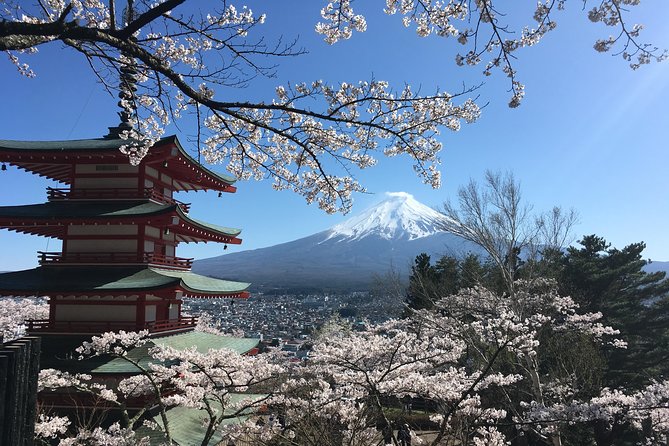
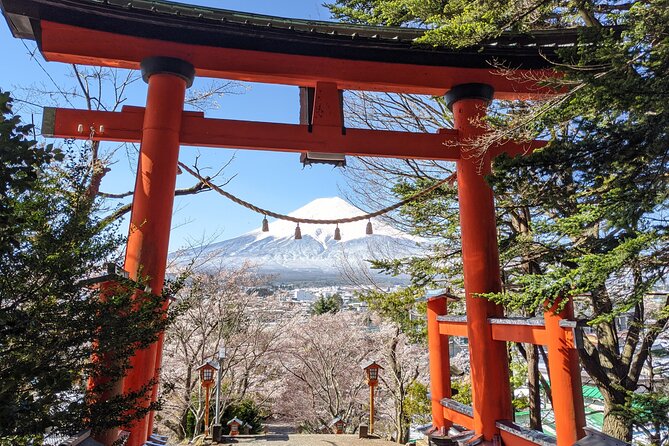
This is the part of the day you’ll remember. Chureito Pagoda at Arakura Sengen Shrine is one of those classic Japan scenes that makes sense even if you have seen photos before. The view is famous for a reason, and the tour is timed so you reach the area with enough breathing room to take photos and walk around.
The schedule also includes Arakura Fuji Sengen Shrine and short time in Arakurayama Sengen Park. Together, these stops give you a small circuit: shrine atmosphere, viewpoint space, and the main photo moment.
Practical tip: wear shoes you can stand in. Even with short visits, you’ll want to move to different angles. If your group includes someone who needs frequent rests, tell the guide early so they can set your walking pace.
Fujisan World Heritage Center and Mt. Fuji Panoramic Ropeway: Adding Context and Views
Not every Mt. Fuji stop is only about pictures. The Fujisan World Heritage Center is a short indoor visit where you can watch a video about Mt. Fuji rituals and the region. It’s brief, but it helps you understand why people have long treated this mountain as more than scenery.
Then comes the Mt. Fuji Panoramic Ropeway. This is where the day pivots from shrine-land to big panorama. You can enjoy views over Mt. Fuji, Lake Kawaguchi, and Fuji Yoshida City. The tour allots 30 to 90 minutes depending on queue length, so treat this as your flexible time block. If the line is long, your guide can help you decide if you should wait or adjust.
Note on cost: ropeway admission is not included. Plan for that if you care about riding.
More Tokyo tours and experiences for the shortlist




Lake Kawaguchiko and Oishi Park: The Best Place to Slow Down
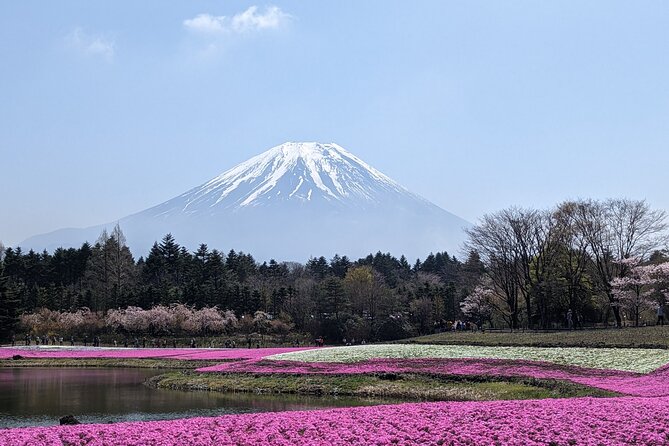
After the intense photo zones, Lake Kawaguchiko gives you a reset. You get about 30 minutes by the lake, which is just enough to stretch your legs, take a few photos, and feel the scale of the area.
Oishi Park adds something different. It is known for flowers, including lavender, and the tour allows 20 to 90 minutes depending on what the day looks like. If you’re there in the right season, this is where you can relax without chasing lines or tickets.
And if you like a sweet break, Fuji Oishi Hana Terrace is included as a stop for local crafts and, importantly, ice cream and fruit-based sorbets. You are not stuck with a long meal stop here, but it gives your group something easy and local.
Oshino Hakkai and the Mt. Fuji Approach Shrines: Culture Meets Water
Oshino Hakkai is a classic spot for a reason. The ponds fed by Mt. Fuji spring water create that clean, reflective landscape you see in photos and want to experience in person. The tour gives you time to walk and enjoy the area without turning it into a marathon.
Another shrine stop included is Kitaguchi Hongu Fuji Sengen Jinja, described as the main shrine in the northern part of Mt. Fuji and also connected to the first step of the ascension tradition. Even if you do not follow the religious side closely, the setting makes sense in the wider story of Mt. Fuji as a pilgrimage mountain.
These stops are also good for groups with mixed interests. Some people love viewpoints. Others prefer quieter walking. Oshino and shrine areas sit in the middle.
Mt. Fuji 5th Station: Worth It, But Only When It Works for Your Dates
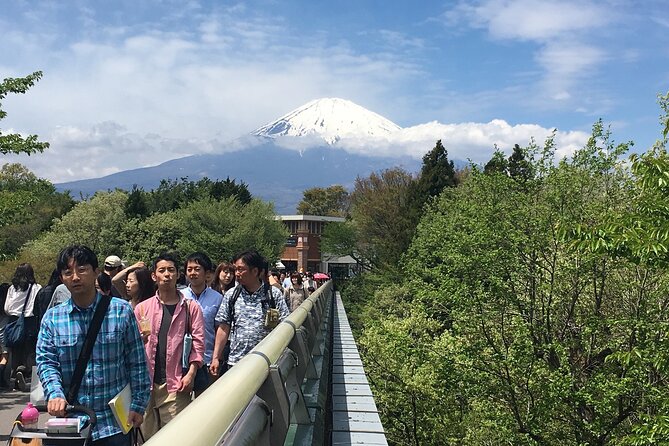
The 5th Station is about as close as you can get by car. It sits around 2,300 meters, and this is the stop that tends to feel more serious and “high altitude” than the lake viewpoints.
Two practical points you must know:
- There is a toll fee of 2,100 yen paid on the spot.
- Access is closed from July to mid-September and also in winter, due to the climbing season for climbers and seasonal conditions.
The tour notes this stop usually takes about 2 hours, so it can easily consume a big chunk of your day. If your goal is just panoramic views and shopping, you may prefer to spend that time elsewhere. If your goal is the summit feeling, this is one of your best choices.
Aokigahara Forest, Ice Caves, and Saiko Bat Cave: When You Want Adventure
This route includes multiple “active” nature stops in the Aokigahara area. Depending on what you pick, you might do:
- Narusawa Ice Cave (15 to 30 minutes)
- Fugaku Wind Cave (15 to 30 minutes)
- Aokigahara Forest walking (about 30 minutes)
- Saiko Bat Cave (ticketed, about what your guide sets within the schedule)
There’s also Saiko Lake included, described as one of the five lakes of Mt. Fuji and called the maiden lake. Saiko is a calmer choice that pairs well with cave time, so your day does not feel only like quick stops.
Cave visits and forest time are not always everyone’s priority, but they add variety. If you’ve already seen enough shrine photos, this is where the day changes tone. Just remember: cave and nature stops tend to be more about short bursts and walking paths than wide open space.
Gotemba Premium Outlets: Where the Day’s Final Energy Goes
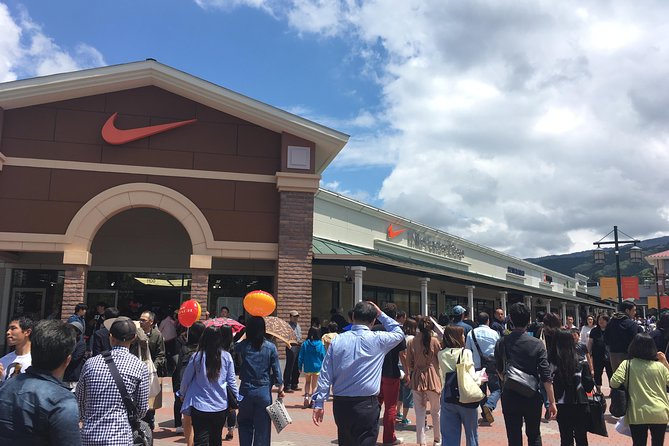
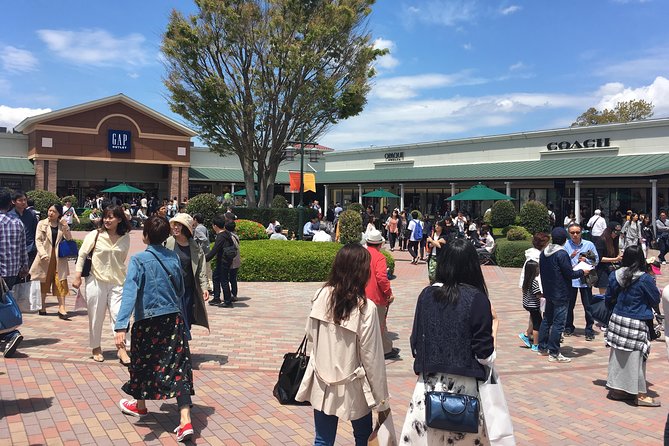
After Fuji, you head to Gotemba Premium Outlets. The schedule sets aside about 1 hour, and the mall is described as Japan’s biggest outlet with around 270 to 290 stores.
That 1 hour sounds short, and it is. But it works if you shop with a plan:
- Decide what you want before you arrive, shoes, basics, or brands you can only find there.
- Prioritize one or two zones, not the whole mall.
- Budget for restroom breaks and payment lines so your time does not evaporate.
The tour does not include admission ticket costs for the outlet stop, so the main variable becomes how fast you move and how many people in your group want to browse.
Lunch and Timed Meals: Don’t Treat It Like an Afterthought
Lunch and food are not included. You’ll be at the mercy of timing, crowds, and where your guide can fit a good meal spot. The payoff is that a strong guide can help you find something local and practical without turning lunch into a long detour.
This is also where I would talk to your guide right away. If you have dietary needs, tell the team before the day starts. Vegetarian options are available, and your guide can steer you toward a place that fits your group.
If your group includes seniors or anyone who needs frequent breaks, build that into your lunch plan. A timed day works much better when the meal stop is realistic.
Price and Value: Is $1,255 for a Private Group Worth It?
Let’s talk value, not just cost.
The price listed is $1,255.38 per group for up to 8 people, and the tour runs about 10 to 11 hours. That means the bigger your group, the more your money makes sense, because the cost is shared across the same car and driver time.
For two or three people, it can feel pricey compared with bus tours. But private car days reduce the “hidden” costs: stress, time lost to transfers, and the need to plan every timing detail yourself. You also get hotel pickup and drop-off, guide help, and the ability to pick fewer or more stops depending on what your group can handle.
Past guests highlight guide quality and patience, including guides who adjust to weather and group needs. That’s not marketing fluff. When Mt. Fuji visibility changes, or when queues run long, your day is either repaired by a good guide or you eat the inconvenience yourself.
Weather, Visibility, and Schedule Changes You Should Expect
Mt. Fuji can be crystal clear or hidden behind clouds in a snap. The tour notes that it will not be cancelled or refunded even if some spots are not fully visible due to weather. The schedule is also subject to change due to weather or traffic.
So your best strategy is mindset, not control. Bring layers, keep your camera ready, and treat the day as a plan for great experiences even when the mountain is shy.
This is also where having a flexible itinerary helps. When your “must see” is hidden, your guide can shift attention to other strong stops like lakeside areas, cultural centers, shrines, or shopping.
Who This Tour Fits Best (And Who Should Rethink It)
This tour is a strong match if you want:
- A stress-free day with hotel pickup and a private vehicle.
- A mix of iconic Fuji viewpoints and a major shopping stop at Gotemba.
- A guide who can manage time and adapt when the weather or lines change.
- The option to include a few adventure stops like caves and Aokigahara forest walking.
It may not fit perfectly if you want an unhurried, slow travel pace. The total time is limited, and you will likely choose among stops. Also, since ropeway, certain caves, and the 5th Station toll can add costs, you should decide your “must rides” early.
If you have mobility needs, it’s smart to talk to the tour team ahead of time. One guide named Taiji was described as especially patient and helpful with a wheelchair in the group, which is a good signal that your guide can work with different needs, but you should still communicate details up front.
Should You Book This Private Mt. Fuji and Gotemba Tour?
I’d book it if your top priority is a smooth one-day escape from Tokyo with real Fuji photo time and an easy path to Gotemba shopping. The private vehicle format makes the schedule more usable, and the guide-driven flexibility helps you get something satisfying even when conditions shift.
Skip it or swap stops if you want maximum time at only one area, like only Lake Kawaguchi for hours, or if you are purely budget shopping and already know the Fuji route well enough to DIY.
My practical recommendation: choose your 4 to 6 stops like you’re building a playlist. Pick the photo anchor, add one cultural or lake moment, and then decide what level of adventure you want before the Gotemba hour ends your day. If you do that, this becomes one of the most efficient ways to feel Mt. Fuji in a single day while still getting something fun in your shopping bags.
FAQ
What’s the group size and format?
It is a private tour for your group only, with pricing listed per group for up to 8 people. You’ll travel by air-conditioned minivan with hotel pickup and drop-off.
How long is the tour?
The duration is about 10 to 11 hours, approximately.
Which languages are available for the guide?
The tour includes an English, Japanese, or French speaking local guide. Chinese and Korean speaking guides are available upon request.
Is Mt. Fuji 5th Station included?
The 5th Station stop is listed, but access involves a toll fee of 2,100 yen paid on the spot. Admission is not included, and access is closed from July to mid-September and also in winter.
Are admission tickets included for the stops?
Many stops list free admission, but some are not included. For example, the Mt. Fuji Panoramic Ropeway requires admission not included, and certain experiences like caves or other activities are also not included.
Is lunch included?
No. Food and drinks, including lunch, are not included.
What if Mt. Fuji is cloudy or not fully visible?
The tour will not be cancelled or refunded if spots are not fully visible due to weather. The schedule can also change because of weather or traffic conditions.
More 1-Day Tours in Tokyo
More Private Tours in Tokyo
More Tour Reviews in Tokyo



Not for you? Here's more nearby things to do in Tokyo we have reviewed












Mount Fuji Tours, side by side.
 ★ 5.0Mt Fuji and Hakone 1-Day Bus Tour Return by Bullet TrainFrom $16326,383 reviews
 ★ 4.0Mt Fuji & Hakone Cruise, Drum Show Bullet Train 1 Day from TokyoFrom $1497,413 reviews
 ★ 4.4Tokyo Mt Fuji 5th St & Hakone Cruise Bus Tour w/Bullet TrainFrom $1545,024 reviews
 ★ 4.5From Tokyo: Mount Fuji Full-Day Sightseeing TripFrom $684,970 reviews
 ★ 4.7Mt. Fuji Tour, Hakone Ropeway, Owakudani, Lake AshiFrom $544,002 reviews
 ★ 4.2Mt. Fuji 5th Station & Hakone Cruise 1-Day Bus TourFrom $1292,381 reviews
 ★ 4.7Mt Fuji Top 5 Spots Day Tour: Arakurayama Park,Oshino HakkaiFrom $532,066 reviews
 ★ 5.0Private Tour to Mt. Fuji and Hakone (Fully Licenced Operator)From $4971,910 reviews
This tour also belongs to