
Review · MOUNT FUJI TOURS
Private Tour to Mt Fuji and Hakone with English Speaking Driver
Fuji day trips live or die by the weather. This one keeps the hard parts off your plate, with hotel pickup and an English-speaking driver handling navigation and timing from Tokyo. You get a private setup, so you are not squeezed into a crowded bus schedule just to chase the same photos as everyone else.
I like the way you can set your own pace at each stop, from quick viewpoints to longer photo breaks. I also like that the day hits classic Mt Fuji country plus Hakone’s volcanic side, so you see different textures of the landscape instead of repeating the same view twice.
One thing to plan around is that Fuji visibility is never guaranteed, and some attractions cost extra once you are on-site. You might also find the day is more of a driver-led day with interpretation on the go, rather than a deep lecture-style history tour.
Key things worth knowing before you go
- Private door-to-door pickup in Tokyo saves time versus figuring out trains and transfers.
- Expressway travel with tolls included means less time in traffic and more time at sights.
- A flexible schedule lets you linger for photos when skies cooperate, or move on fast when they do not.
- Hakone volcanic sights at Ōwakudani plus the famous black hot spring eggs for good luck.
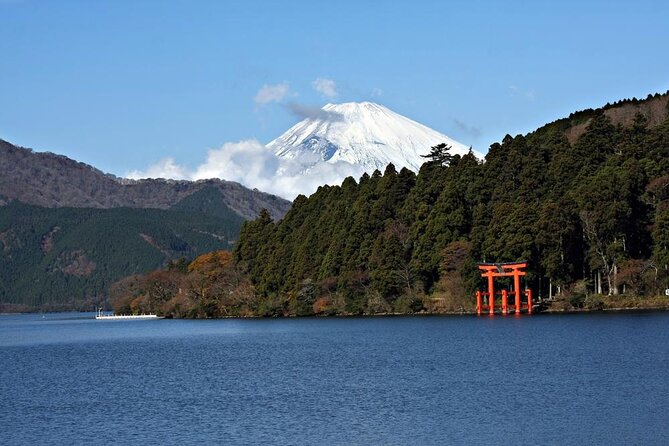
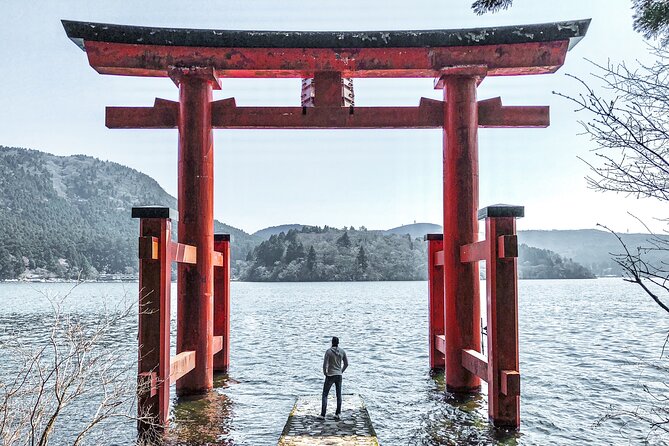
- Lake Ashi cruise viewpoint is built around the torii gate angle from the water.
- A mix of Fujiyoshida and Kawaguchiko scenery gives you multiple chances to catch Mt Fuji.
Why this private Fuji and Hakone day works from Tokyo
If you want Mt Fuji and Hakone without planning a route, this format is the point. The practical win is simple: one vehicle, one driver, and a timeline that moves between major sights without you paying the stress tax of train connections.
You also get privacy. That matters when the day turns into a photo chase. With a private tour, you can ask for a short detour for a viewpoint, or cut a stop if clouds roll in early. People often rave about this part of the day because it feels controlled, not chaotic.
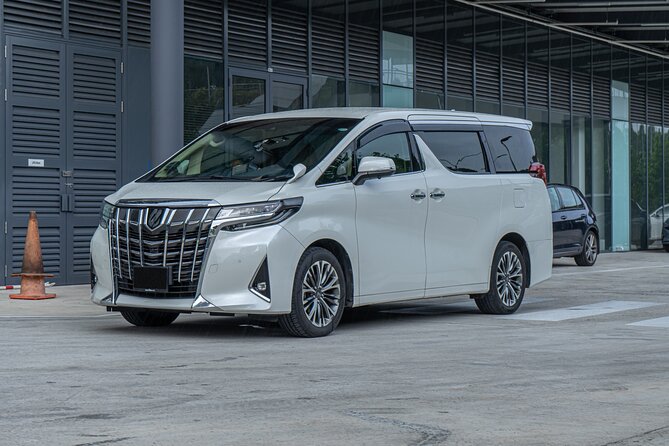
The other big benefit is comfort. Expect an air-conditioned vehicle, and expect your driver to keep things organized even when roads are busy. You are still on the timetable of a day trip, but it feels like someone else is doing the logistics thinking for you.
You can also read our reviews of more private tours in Tokyo
Meeting point and road time: how the day starts in Marunouchi
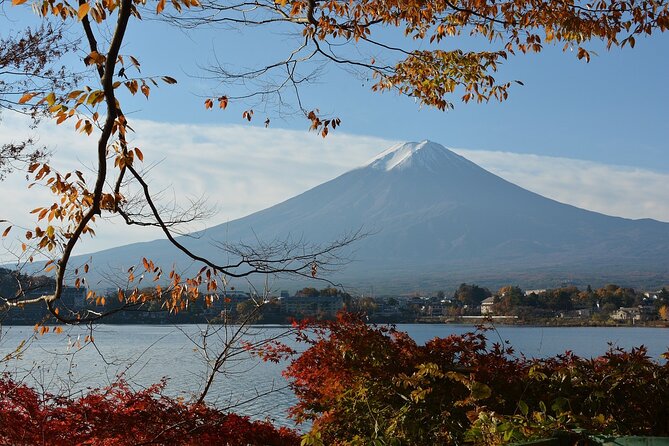
The day is anchored around Tokyo Station. You will meet at Tokyo Sta. Marunouchi-Kitaguchi (Marunouchi North Exit) and head out from there. If pickup is offered for your hotel, you will start closer to where you sleep, which is a real value on a 10-hour plan.
Travel time is managed with the express highway, and highway tolls are included. That sounds minor until you try to do this DIY. The route out of Tokyo can be time-consuming, and saving even a chunk of road time means you can actually enjoy each stop instead of racing the clock.
A smart move for any Fuji day is asking your driver about when to start and when to shift. One theme that shows up in guides who do this often is timing adjustments, like pushing early to improve your odds before crowds and fog build.
Ōwakudani: Hakone’s volcanic steam, sulfur air, and the black eggs
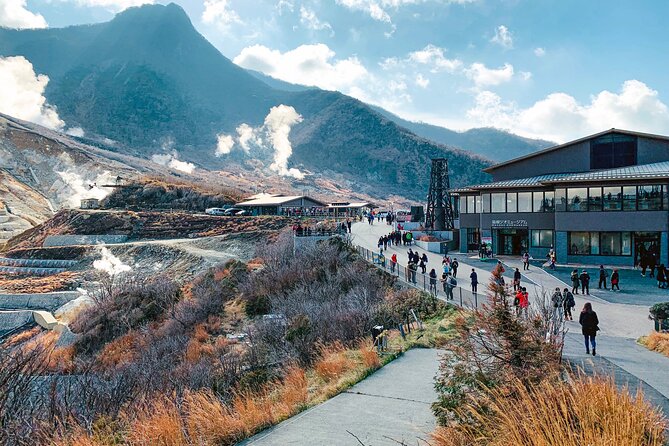
Ōwakudani is the sensory shock of the day. You get fumaroles, steam vents, and that unmistakable volcanic smell. It is not subtle, which is why it is memorable. This is also where you may catch Mt Fuji and Lake Ashi on clear days, because the area is open and elevated compared with some other Hakone stops.
You will likely spend about an hour here. That is enough for photos, a stroll through viewpoints, and that classic souvenir moment: the blackened hot spring eggs. Eating one is part superstition, part novelty. More importantly, it is an easy activity to fill the time while you wait for skies to shift.
One consideration: the tour does not list every Hakone transport cost as included. If a ropeway segment is part of your route, the Togendai to Ōwakudani Ropeway fee is not included (listed as extra). Your driver should guide you on how to handle ticketing on the spot.
Oshino Hakkai: the calm Fuji foothills ponds stop
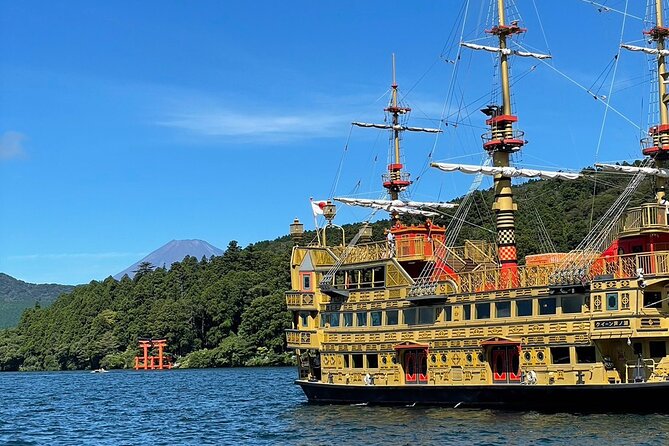
After Ōwakudani’s drama, Oshino Hakkai is a breath of fresh air. This area is known for its spring water ponds at the foothills of Mt Fuji. You get a different kind of scenery here, less industrial and more quiet, with water features that feel connected to the mountain’s underground flow.
You have about 1 hour 30 minutes. That length is useful because you can move at a relaxed pace, pause for photos, and still keep the day moving. It is also a good place to slow down if you are traveling with kids, or if you simply want a break from constant walking.
A practical note: Oshino Hakkai can look great in many weather types, but Fuji itself is the variable. If clouds stick around, you still get the ponds and the gentle village atmosphere.
Lake Ashi cruise: torii gate views and a pirate-ship style ride
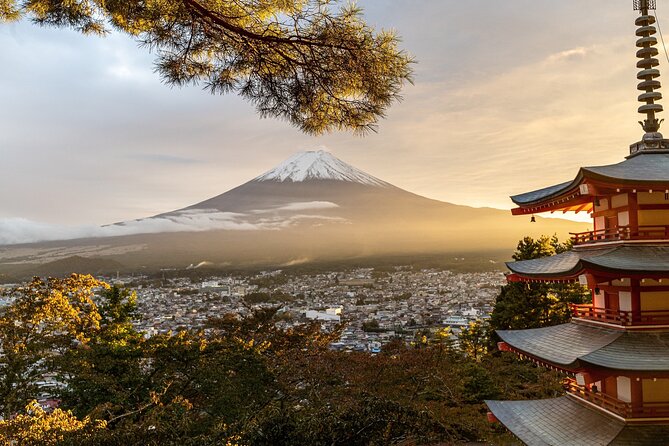
Lake Ashi is the scenic center of gravity for Hakone. Instead of just looking at the lake from shore, you get a boat ride themed like a pirate ship. The ride is about an hour, and it is built around a specific view: the famous torii gate visible from the water.
This is one of those experiences that feels worthwhile even if you have already seen lots of photos online. From the deck, the torii gate lines up differently, and the mountain backdrop changes as the boat moves.
The cruise fee is not included. The listing shows it as the Pirate ship on Lake Ashi at 1,300 yen per person. If you want to avoid surprise costs later, I recommend budgeting for this up front.
If the day is hazy, focus on the water textures and the framing. If it is clear, then yes, you are chasing the Mt Fuji backdrop too. Either way, the boat creates a break in the road-heavy day.
More Tokyo tours and experiences for the shortlist

Lake Kawaguchiko and Oishi Park: more Fuji angles, plus dessert
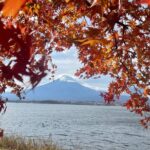
Once you shift toward the Fuji Lakes region, the goal becomes repetition in the good way. Different vantage points, similar payoff. Lake Kawaguchiko is one of the most famous settings for Fuji views, and it is set up for postcard angles.
Your time here is shorter, about 30 minutes. That is not long enough to wander deeply, but it is enough to grab the main views and feel the place. For me, that short stop time is a fair trade if your priority is seeing multiple highlights in one day.
Then comes Oishi Park, again a quick hit of scenery. Expect flowers facing Mount Fuji and Lake Kawaguchiko, and yes, there are ice cream flavors to try. The ice cream part sounds trivial until you are spending a full day in transit and waiting for the sky to cooperate. A sweet break helps keep the energy up.
Both of these stops are listed as free admission. That means your money goes toward transport and the paid sights, instead of stacking lots of small entry fees.
Shrines and the Chureito Pagoda shot you came for
This tour includes two shrine-style stops plus the pagoda area. It is a nice cultural contrast to the volcanic and lakeside scenery, and it gives your camera time to rest between viewpoints.
Kitaguchi Hongu Fuji Sengen Jinja is a short stop, about 30 minutes. This shrine is linked symbolically with Mt Fuji, and you can treat it as a calm pause. Even if you do not read every plaque, the setting helps the day feel rooted in the region’s traditions.
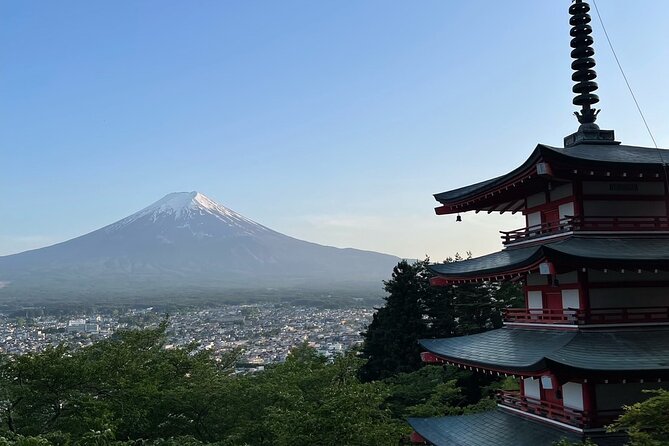
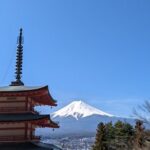
Then you head to Chureito Pagoda, about an hour. Chureito is a five-storied pagoda overlooking Fujiyoshida, with Mt Fuji in the distance on clear days. This is the kind of place where the light and the weather make the difference between a good photo and a great one.
The Arakura Sengen Shrine complex is part of the pagoda story, and the stop gives you time to move around for angles. If Fuji is hidden, you still get the pagoda composition, but you will want to temper expectations. No tour can control clouds.
Timing and weather strategy: how guides make or break the day
Fuji is a weather drama. If the sky is clear, you feel like you are watching a giant art project in the landscape. If the sky is not clear, the day can still be beautiful, but it turns into Plan B mode.
That is where the private format matters. Drivers like Mike, Yasir, Fahad, Talal, and Maiku (spelling varies by booking) are praised for one key skill: adjusting the itinerary based on conditions. The best guides watch the timing and switch around the day so you get the most opportunities instead of staring at one viewpoint for too long.
I would treat that as your checklist when you book. Ask how they handle poor visibility. Ask whether they will reposition when clouds lift. And ask your driver what they think the best order is for your day.
Also, build in patience. One review noted that arriving early helped avoid jams and improve the odds of seeing Mt Fuji. Your driver will likely think in those terms, especially when road time can eat up your margin for good light.
Price and value: is $495.51 per group worth it?
The price is $495.51 per group up to 5. On paper, that looks like a lot. In practice, it can work out as great value if you are traveling as a family or a small group.
Here is the math that helps: if you fill all five spots, you are roughly around $100 per person for a full day with private transportation plus an English-speaking guide/driver setup. Even with fewer people, you are still paying for a private vehicle for about 10 hours, and that is usually where the DIY cost explodes once you count time, train tickets, and the stress of transfers.
What you get for that price is also practical. Included items are air-conditioned vehicle, private transportation, English speaking guide, pickup and drop off to hotel, and highway tolls. Those are the big-ticket logistics pieces.
Where the value can shrink is if you are used to paying only for entry tickets and you dislike any additional on-site fees. Because some attractions are not included, you might need to add a modest budget for specific paid activities like the pirate cruise and certain Hakone transport segments.
What costs extra: ropeways, the boat, and Fuji 5th station
To avoid surprises, budget for these listed extras:
- Pirate ship on Lake Ashi: 1,300 yen per person
- Togendai to Owakudani Ropeway: 1,500 yen per person
- Fuji 5th station entrance: 2,100 yen per booking
Your itinerary includes stops around Ōwakudani and Lake Ashi, so these often come into play. Your route could use the ropeway segment to reach Hakone’s volcanic zone efficiently.
If you care about Fuji 5th station specifically, keep an eye on whether your day includes it. The entrance fee is clearly listed as extra, so it is better to assume it might be part of a variant route, then confirm with your driver.
Lunch is not included either. That is common for day trips, but it matters. Plan for it so you do not end up paying too much near a viewpoint because you are hungry right now.
Comfort, communication, and photo support that makes the day feel easy
A private tour succeeds when it feels smooth. The best days tend to include clear communication before pickup and a guide who helps with timing once you are on the road.
Many drivers in this style are known for staying in close touch, including confirming details before the day starts. Once you are out, a good guide keeps things relaxed while still moving at a sensible pace.
Photo support is another big reason people love this tour format. Some guides, like Mike, are praised for being ready with photo timing and even taking group photos with their own camera so everyone looks like they actually coordinated. That is not a guarantee, but it is a realistic benefit of hiring someone who knows where to stand and when to move.
For families, one review highlighted patience with young children. So if you are traveling with kids, it can be a relief to have someone adjust breaks without making it awkward.
Who this tour is best for, and who should rethink it
This private day works best if you want these outcomes:
- You want Mt Fuji and Hakone highlights in one long day without planning.
- You value convenience, comfort, and flexible stop lengths.
- You care about photos and want someone to handle route decisions and timing.
It may be less ideal if you expect a lecture-style history tour. One kind of disappointment that can happen with private driver setups is that you get directions and practical guidance more than a deep dive into cultural context. If you want a heavy focus on academic history, you may want to look for a tour that explicitly markets that approach.
The weather factor also affects everyone. Even the best schedule cannot force Fuji into view. Your driver can optimize the odds, but the mountain has the final say.
Should you book this Mt Fuji and Hakone private day trip?
I think you should book if you want a low-stress, high-effort day, where your biggest job is choosing how long to linger at each view. The combination of private English-speaking driver, express highway time savings, and multiple Fuji angles (Oshino Hakkai, Lake Kawaguchiko, plus the Chureito Pagoda viewpoint) makes it a smart way to see a lot without juggling transit.
I would hesitate only if you have a tight budget for extra fees or you are set on a very academic guided experience. Also, be honest with yourself about weather. If the forecast looks rough, the day can still be enjoyable, but your Mt Fuji photo goals may need Plan B.
If you want iconic scenery with a driver who can react in real time, this is a strong pick for a first or second trip to Japan, when you still want to keep your mental energy for Tokyo.
FAQ
Is pickup from Tokyo included?
Yes. The tour includes pick up and drop off to your hotel, and it also lists a meeting point at Tokyo Sta. Marunouchi-Kitaguchi (Marunouchi North Exit).
Does the tour include an English-speaking guide?
Yes. It includes an English speaking guide as part of the private transportation.
How long is the tour?
The duration is listed as about 10 hours.
What is included in the price?
The package includes an air-conditioned vehicle, private transportation, English speaking guide, pickup and drop off to hotel, and highway tolls. There is also a mobile ticket.
What fees are not included?
Lunch is not included. Also not included are Fuji 5th station entrance (2,100 yen per booking), the Pirate ship on Lake Ashi (1,300 yen per person), and the Togendai to Owakudani Ropeway (1,500 yen per person).
Where does the tour start and end?
It starts at Tokyo Sta. Marunouchi-Kitaguchi (Marunouchi North Exit). The experience ends back at the meeting point.
Is this tour private or shared?
This is private. Only your group participates.
Do I need good weather for this tour?
Yes. The tour notes it requires good weather, and if it is canceled due to poor weather, you will be offered a different date or a full refund.
What is the cancellation window?
You can cancel for free up to 24 hours in advance for a full refund, based on the local start time.
More Private Tours in Tokyo
More Tours in Tokyo





More Tour Reviews in Tokyo


Not for you? Here's more nearby things to do in Tokyo we have reviewed












Mount Fuji Tours, side by side.
 ★ 5.0Mt Fuji and Hakone 1-Day Bus Tour Return by Bullet TrainFrom $16326,383 reviews
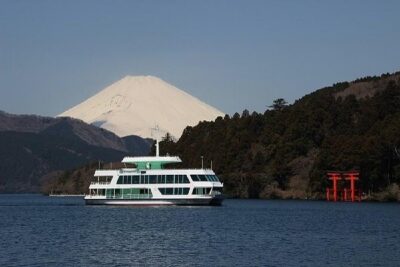 ★ 4.0Mt Fuji & Hakone Cruise, Drum Show Bullet Train 1 Day from TokyoFrom $1497,413 reviews
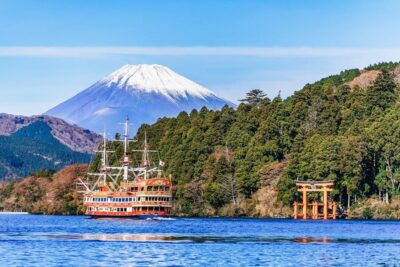 ★ 4.4Tokyo Mt Fuji 5th St & Hakone Cruise Bus Tour w/Bullet TrainFrom $1545,024 reviews
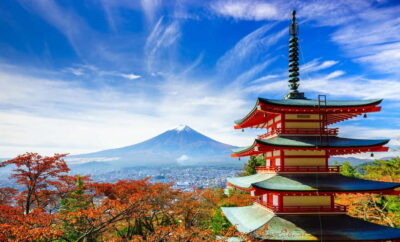 ★ 4.5From Tokyo: Mount Fuji Full-Day Sightseeing TripFrom $684,970 reviews
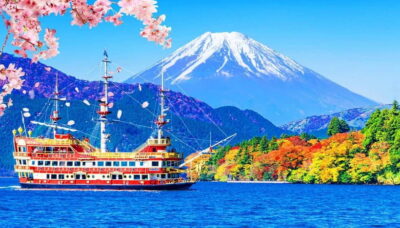 ★ 4.7Mt. Fuji Tour, Hakone Ropeway, Owakudani, Lake AshiFrom $544,002 reviews
 ★ 4.2Mt. Fuji 5th Station & Hakone Cruise 1-Day Bus TourFrom $1292,381 reviews
 ★ 4.7Mt Fuji Top 5 Spots Day Tour: Arakurayama Park,Oshino HakkaiFrom $532,066 reviews
 ★ 5.0Private Tour to Mt. Fuji and Hakone (Fully Licenced Operator)From $4971,910 reviews
This tour also belongs to