
Review · HAKONE DAY TRIPS
4 Day Tour – Mount. Fuji, Tokyo, Hakone, Kamakura and Yokohama
Tokyo and Fuji, without the train stress. This private 4-day route strings together Tokyo landmarks, Mount Fuji viewpoints, Hakone nature, and Kamakura temples in one smooth plan, using a comfortable air-conditioned private car and an English-speaking driver who keeps the day efficient.
I like how much variety you get without burning hours on transfers. You can also steer the day around your interests, with optional add-ons like teamLab Planets or the photo stop at the Statue of Liberty when time allows.
One thing to keep in mind: accommodation is not included, and several major sights list admission as not included. So you will still do some ticket budgeting on your own, especially for the tower decks, ropeways, and museum-like stops.
Key things I’d watch for before booking
- Private car time-saving beats Tokyo transfer math. Less waiting, less confusion, more actual sightseeing.
- A packed mix of icons and quieter religious sites. Markets, shrines, temples, gardens, and volcanic scenery.
- Optional stops help you match your pace. teamLab Planets, Statue of Liberty, Minatomirai, and some paid experiences depend on time.
- Mt Fuji day can hinge on weather. The operator flags good weather as a requirement.
- Driver-led details really matter. Past groups noted thoughtful care from guides such as Armad and David, including photo help and convenient parking.
- Up to 5 people keeps it personal. This works best when your group wants conversation and flexibility, not a big bus day.
Why this private-car Tokyo region tour works
Tokyo is amazing, but it can be a lot. Stations, transfers, crowds, and timing can make even simple plans feel like a second job. This tour flips that equation by putting you in a private, air-conditioned vehicle with an English-speaking driver, so you spend your energy on the places you came for.
The itinerary also makes a smart choice: it combines Tokyo with the Fuji area, then Hakone, then Kamakura and Yokohama. That sequence lets you see different sides of the Tokyo region without turning your trip into a daily logistics puzzle.
You can also read our reviews of more tours and experiences in Tokyo.



Day 1 in Tokyo: fish market energy, classic temples, and neon neighborhoods
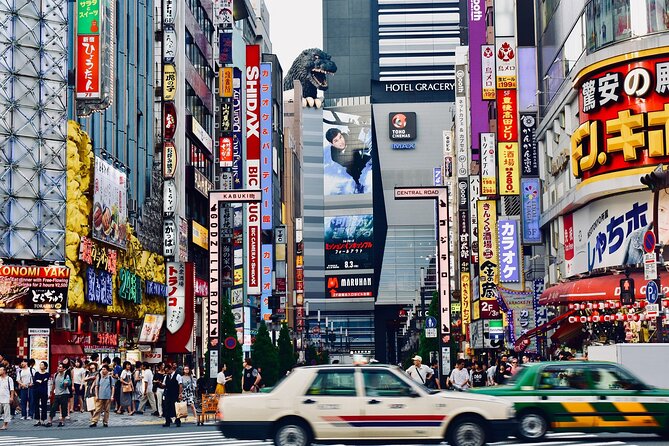
Your day starts early and leans into Tokyo’s “greatest hits,” but it does so in a way that feels logical rather than random.
Tsukiji Fish Market (45 minutes, free admission)
This is the largest fish market in the world, and even with its shift into a tourist-facing experience, the draw is still the scale and intensity. In a short window, it is ideal for soaking up the food culture vibe and snapping photos before your next stop takes over the senses.
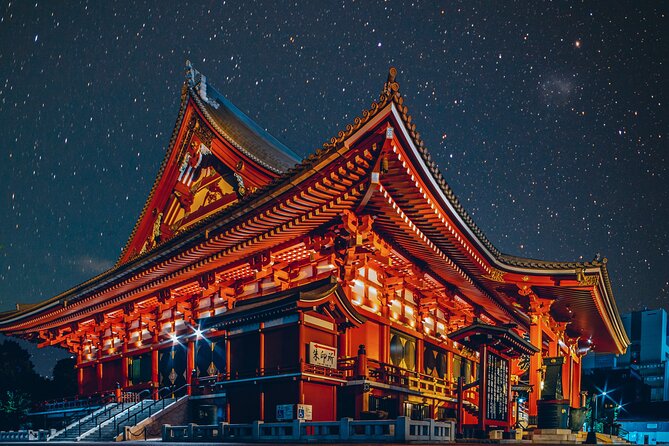
Senso-ji Temple in Asakusa (1 hour, free admission)
Senso-ji is Tokyo’s oldest religious building and one of the city’s most colorful and popular. If you want an instant contrast to modern neighborhoods, this is it. The time you get here is long enough to walk around, take in the atmosphere, and not feel rushed.
Tokyo Skytree (1 hour, admission not included)
Skytree’s observation decks are on the 45th floor, with views from about 202 meters up. The big payoff is seeing the city’s spread, and on a clear day you can spot major landmarks in the distance.
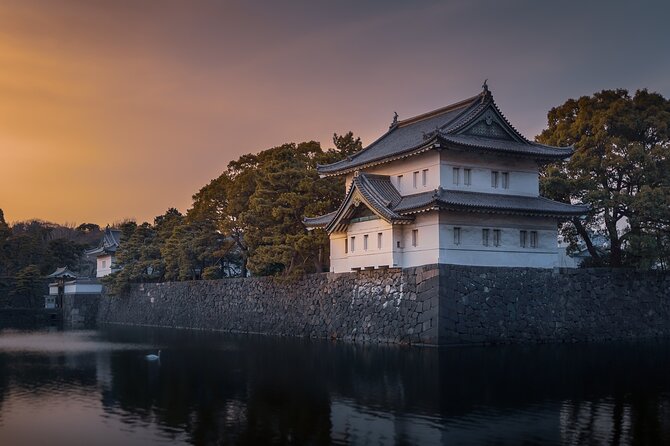
Imperial Palace East Garden (45 minutes, free admission with prior booking)
This stop matters because it gives you a calmer, more ceremonial Tokyo. You visit the East Garden area, and the big practical note is prior booking is required. If you hate paperwork, plan for this early in your trip planning.
Akihabara (30 minutes, free admission)
Electronics plus manga and anime culture is the name of the game here. Even if you are not shopping, it is fun to people-watch and see how deep the nerd culture goes.
Meiji Jingu Shrine (30 minutes, free admission)
A Shinto shrine dedicated to Emperor Meiji and Empress Shōken, surrounded by a lush green forest. You get a quick reset from the street energy, and it is a rare chance to feel Tokyo’s quieter heartbeat.
Harajuku and Takeshita Street (1 hour, free admission)
This is youth-driven fashion and accessories, plus sweets. If you have ever wanted to see what Tokyo teens and trendsetters do with a free afternoon, this is a good place to do it.
Shibuya Crossing (20 minutes, free admission)
The world-famous scramble crossing, with as many as 3,000 people moving at once. It is touristy, yes, but it is also a real Tokyo moment. Keep your expectations simple: you want the spectacle and the photos.
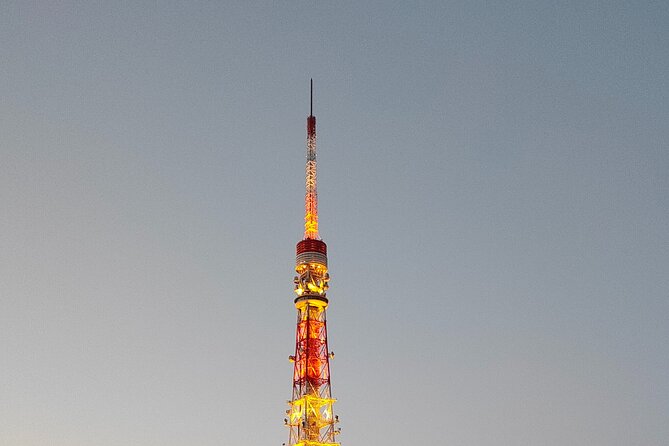
Tokyo Tower (10 minutes, free admission)
A fast stop, but worth it because the tower’s design is based on the Eiffel Tower and it has an identity of its own. Think of it as your quick skyline anchor before the more experience-style stops.
Optional: teamLab Planets TOKYO (30 minutes, admission not included)
If you still have energy, teamLab Planets is the kind of experience that can feel very Tokyo in a not-typical way. The description includes walking through water and a garden where you become part of the scene. If tickets are within your budget, it is a strong add-on, but it is dependent on time.
Optional: Statue of Liberty photo spot in Odaiba (30 minutes, free admission)
If you just want the quick photo and the classic Rainbow Bridge background, this works well as a low-effort finale to the day.
A note on the feel of Day 1: when a driver knows how to park well and time stops so you are not stuck waiting, the day feels lighter. One past group specifically praised Armad for day one care, including taking photos and parking in convenient places.
Day 2 in Kamakura and Yokohama: bamboo temple calm, then Chinatown and gardens
This day moves you out of central Tokyo and into two places that feel more coastal and historically grounded, without requiring you to plan train lines all day.
Hokoku-ji Temple, also known as the Bamboo Temple (1 hour, admission not included)
Hokoku-ji is famous for its bamboo garden and is part of Zen Buddhism traditions. Even with a shorter visit, it gives you that temple-garden stillness that contrasts with Tokyo’s pace.
Hase-dera (45 minutes, admission not included)
Hase-dera is known for housing a massive wooden statue of Kannon. It is the kind of place where you notice craftsmanship and scale, not just buildings.
Kotoku-in, Great Buddha of Kamakura (30 minutes, admission not included)
A shorter stop, but the Great Buddha is the centerpiece. It is a good “hit it and remember it” moment in between longer temple visits.
Tsurugaoka Hachimangu Shrine (1 hour, admission not included)
This shrine is a major cultural center and hosts important festivals. The detail that helps you appreciate the site is that it has two ponds representing the Taira and Minamoto clans, so you are not just looking at scenery, you are looking at symbols.
Komachidori shopping street (1 hour 30 minutes, free admission)
A pedestrian walkway lined with shops, eateries, and sweets. Use this time to snack, pick up small gifts, or just slow down after temple circuits.
Yokohama Chinatown (1 hour, free admission)
Chinatown in Yokohama is about 160 years old, and it has a population around 3,000 to 4,000. One detail I love here is that today most residents trace to Guangzhou, so it feels like a living cultural district rather than a theme set.
Optional: Sankeien Gardens (1 hour, admission not included)
Sankeien is a traditional Japanese-style garden opened in 1906 and designed by Tomitaro Hara, known by the pseudonym Sankei Hara. If you like gardens, this stop adds a softer, more reflective texture to the day.
Optional: Minatomirai waterfront area (30 minutes, free admission)
Minatomirai is described as a futuristic waterfront with high-rise views and shopping. It is a good choice if you want something modern after all the religious sites.
What makes Day 2 work: it is not just “temples, then shopping.” It blends spiritual calm, a lively street, then a cultural district in Yokohama. And yes, the pacing matters. One past group praised David for going out of his way to show unusual attractions, which is exactly how you want this day to feel.
Day 3 around Mount Fuji: springs, pagoda views, ropeways, and the 5th station
This is the big nature day, and it is where good weather really counts. The tour explicitly notes you need good conditions, since visibility impacts much of what you came for.
Oshino Hakkai springs (30 minutes, free admission)
These are eight springs in Oshino, where aquifer water from Mount Fuji reaches the surface. It is a clean, scenic break, and the quick time window is enough to appreciate the water sources without turning it into a long detour.
Chureito Pagoda (30 minutes, free admission)
This five-storied pagoda is one of the most recognizable Mount Fuji views. The attraction here is the iconic framing, so the timing and weather matter.
Lake Kawaguchiko (30 minutes, free admission)
Kawaguchiko is the most easily accessible of the Fuji Five Lakes, with train and direct bus connections to Tokyo. You also get the feel of a hot spring resort town, which helps explain why people base themselves here.
Mt Fuji Panoramic Ropeway (1 hour, admission not included)
A ropeway ascends 400 meters from Lake Kawaguchiko’s eastern shore to an observation deck near Mount Tenjo. This is your chance to go up for a bigger view, but tickets are not included, so budget for it.
Oishi Park (30 minutes, free admission)
Oishi Park is highlighted as a top spot for Mount Fuji views, with Fuji in the background, the lake in the midground, and lavender in the foreground. If you love classic postcard composition, this is the stop.
Saiko Iyashi no Sato Nemba (30 minutes, admission not included)
A replica of an old Japanese village, with thatched roof buildings. It is a good option when you want culture plus scenery in one compact time.
Arakura Fuji Sengen Shrine (30 minutes, free admission)
This park offers panoramic views of the city, with a famous seasonal appeal for cherry blossoms. Even if you are not chasing flowers, the view angle helps you appreciate how Fuji shapes the region.
Mt Fuji 5th station (2 hours, admission not included)
This is one of the most dramatic parts of the trip. The 5th station is described as halfway up, and you get time to absorb the mountain atmosphere. If your goal is a physical sense of scale, this is the right stop.
Gotemba Premium Outlets (2 hours, free admission)
After nature, you get a very practical break. Gotemba is linked to green tea growing at the foot of Mount Fuji, and the area is also known as a horseradish capital of Japan. Even if you just window shop, it is an easy way to finish the day without trying to squeeze in one more far-flung viewpoint.
How to plan your expectations for Day 3: the operator is aiming for multiple Fuji angles, so you see Fuji from different setups, plus viewpoints that involve ropeways. When weather cooperates, it feels like a greatest-hits sampler of the region’s famous views.
Day 4 in Hakone: shrines in the forest, Lake Ashi views, ropeway rides, and Owakudani sulfur air
Hakone is all about geothermal scenery plus lake views, and this day gives you a good chain of experiences rather than random hopping.
Hakone Shrine or Kuzuryu Shrine (1 hour, admission not included)
Located at the foot of Mount Hakone along Lake Ashi, the shrine buildings are hidden in dense forest. This stop is about atmosphere, so build in mental space to slow down for it.
Lake Ashinoko (1 hour, admission not included)
A crater lake formed in the caldera after the volcano’s last eruption 3,000 years ago. Even if you do not take a long ride, the framing is part of Hakone’s identity.
Hakone Ropeway (1 hour, admission not included)
A funitel line links Sounzan and Togendai via Owakudani. This is the transport piece that doubles as a viewpoint, which is why it fits so well in a short schedule like this.
Owakudani Valley (1 hour, free admission)
This is the volcanic highlight, known for sulfur springs and Kuro Tamago, black eggs. It is the kind of place where you notice the air and the rock texture, and it gives your trip a memorable sensory contrast to the temples earlier.
Gora Park (30 minutes, admission not included)
A western-style hillside botanical garden with a tea house, greenhouses, and a central fountain. It is a nice pace change after volcanic sightseeing.
Hakone Open-Air Museum (1 hour, admission not included)
An outdoor sculpture gallery across 70,000 square meters. Because it is outdoors with views around it, it can feel like art plus weather plus scenery all at once.
Amazake-chaya Tea House stop (tea break, founded 400 years ago)
Amazake-chaya is described as a relaxing place founded 400 years ago. The tea house serves amazake, sweet rice wine, made with a recipe that has remained unchanged since opening. Even if you do not drink much alcohol, this sounds like a good simple rest break after walking.



Private-car logistics that quietly make or break a trip
The headline benefit is obvious: you are not wrestling trains. But the real win is timing and comfort.
A private vehicle helps you:
- Keep your day moving with fewer transfer delays
- Get to photo points without sprinting across stations
- Adjust within limits, since optional stops exist when time allows
The tour also offers pickup and uses mobile tickets. That matters because it removes one more layer of uncertainty when you are trying to hit early starts.
One more practical note: the experience is described as private, and it is not a guided tour by default. You can request a guide for an extra cost. What you do get is an English-speaking driver who explains the region and helps you learn as you go.
Price and value: what $3,000 per group really means
The price is $3,000 per group, up to 5 people. That is effectively up to $600 per person if you fill all seats, and less if you have fewer people, since it is priced per group.
Here is what you are paying for:
- A private, air-conditioned car across Tokyo, the Fuji area, Hakone, Kamakura, and Yokohama
- English-speaking driving support
- A route designed to stack major attractions without constant transit changes
- Personal attention and a customizable feel
What you are not paying for:
- Accommodation, since you choose where to stay in each place
- Admission for several activities, including Tokyo Skytree, paid temples and gardens in Kamakura and Yokohama, ropeways, and the Open-Air Museum
- Optional experiences, where ticket costs apply and time limits matter
If you are traveling as a pair or small group, the value depends on how much you hate transit planning and how many paid attractions you plan to add. If you are the kind of traveler who wants to show up and let the vehicle and schedule do the heavy lifting, this can feel like a fair exchange.
Practical tips for a smoother Tokyo to Fuji to Hakone rhythm
Keep these in mind and your days will feel easier.
Plan on early, long days. The tour notes that the experience runs about 10 hours including commuting time. That is a full-day rhythm, so treat it like one day of action per calendar day.
Budget for non-included admissions. Many stops are free, but many are explicitly not included. If you want the ropeways and observation decks, set aside money so you are not surprised at payment time.
For Imperial Palace East Garden, expect prior booking. The visit is free, but it is not a walk-up casual stop according to the tour info.
Dress for mountain weather. The schedule includes Lake Kawaguchiko, Mt Fuji 5th station, and Hakone. Even when Tokyo is warm, mountain air can feel cooler, and you will be happier with layers.
Bring a photo plan. This sounds silly, but one past group specifically praised Armad for taking pictures and parking at convenient spots. When you rely on a driver for photo timing, you will get better results than if you try to do it all solo between crowds.
Should you book this 4-day private Tokyo region tour?
Book it if:
- You want a time-efficient way to cover Tokyo plus Mt Fuji plus Hakone plus Kamakura plus Yokohama.
- Your group size is up to 5 and you want personal attention rather than a big-group pace.
- You are okay paying separate admissions for towers, ropeways, and museum-like stops, and you want the car and route planning covered.
Skip it or compare other options if:
- You do not want to manage extra ticket costs, since many key sights are not included.
- You are the type who loves planning transit and likes the freedom of going station to station.
If you want one trip that feels like five trips, this is a strong fit. The private-car format plus English-speaking support makes it a lot less stressful than doing it on your own, and the mix of temples, markets, Fuji viewpoints, and Hakone volcanic scenery gives you variety without daily logistics stress.
FAQ
Is transportation included?
Yes. The tour includes travel in a comfortable air-conditioned private car, with pickup offered.
How large is the group?
The price is for a group of up to 5 people. A group larger than 5 can be facilitated for an additional cost.
What is the meeting time?
The start time is 8:00 am.
Are attraction tickets included?
Some stops are listed as free admission, while others are listed as admission not included. You should expect to pay separately for the not-included attractions.
Is there a tour guide?
This is described as not a guided tour by default, but a guide can be arranged on request for an additional cost. You will have an English-speaking driver who explains the region.
Is accommodation included?
No. Accommodation is not included so you can choose where to stay in each area.
What about weather for Mount Fuji and Hakone?
The experience requires good weather. If it is canceled due to poor weather, you will be offered a different date or a full refund.
What is the duration?
It is approximately 4 days. The tour notes about 10 hours including commuting time.
What is the cancellation policy?
Free cancellation is available. You can cancel up to 24 hours in advance for a full refund, but cancellations made less than 24 hours before the start time are not refunded.
More Tours in Tokyo
More Tour Reviews in Tokyo
Not for you? Here's more nearby things to do in Tokyo we have reviewed












Hakone Day Trips, side by side.
 ★ 5.0Mt Fuji and Hakone 1-Day Bus Tour Return by Bullet TrainFrom $16326,383 reviews
 ★ 4.0Mt Fuji & Hakone Cruise, Drum Show Bullet Train 1 Day from TokyoFrom $1497,413 reviews
 ★ 4.4Tokyo Mt Fuji 5th St & Hakone Cruise Bus Tour w/Bullet TrainFrom $1545,024 reviews
 ★ 4.7Mt. Fuji Tour, Hakone Ropeway, Owakudani, Lake AshiFrom $544,002 reviews
 ★ 4.2Mt. Fuji 5th Station & Hakone Cruise 1-Day Bus TourFrom $1292,381 reviews
 ★ 5.0Private Tour to Mt. Fuji and Hakone (Fully Licenced Operator)From $4971,910 reviews
 ★ 4.0Mt Fuji & Hakone Cruise, Drum Show Bus 1 Day from TokyoFrom $1221,287 reviews
 ★ 4.2From Tokyo: Mt. Fuji & Hakone Tour w/ Return by Bullet TrainFrom $1171,278 reviews
This tour also belongs to