
Review · TOKYO CITY TOURS
Private tour Tokyo – The Harmony of Modernity and Tradition
Tokyo makes sense on foot. I love the hotel pickup and the tailored route approach, with guides like Yoko-san and Xavier helping your group move through Tokyo without feeling rushed. The main drawback to plan around is the pacing: you’re scheduled for about 30 minutes per big-name stop, so you’ll have to decide what matters most.
This is the kind of tour that helps you connect Tokyo’s two sides fast, the formal and the futuristic, the quiet and the crowded. You start at 10:00 am, go for roughly 8 hours, and you get a small-group, private feel where the guide can steer the day based on your interests and even the weather.
Key Points You’ll Care About
- A private, small-group format means your route can flex around your must-sees
- Free admission at major stops like the Imperial Palace and Meiji Jingu keeps the day simple
- Hotel pickup and drop-off reduces Tokyo friction, especially if it’s your first time
- On-the-spot subway guidance helps you figure out how Tokyo transit actually works
- 8 hours with set highlights gives you breadth without losing the thread
- All-weather operation means you just need to dress right and keep moving
Why This Private Tokyo Walk Beats a DIY Day
Tokyo is huge, and its neighborhoods can feel like different cities. A private walking tour is useful because someone else handles the sequencing and navigation while you focus on what you came for.
I like that this tour is built around modern-meets-tradition stops, not random photo spots. That matters because it gives you a clearer mental map of Tokyo, not just a camera roll.
The private part is also real, not marketing fluff. It’s only your group, so you can ask practical questions and adjust the pace without everyone else voting on the plan.
You can also read our reviews of more private tours in Tokyo
Price and What You’re Really Paying For at $196.48
At $196.48 per person for about 8 hours, you’re not paying for a ticket bundle. You’re paying for time, planning, and on-the-ground guidance, including hotel pickup and a local guide.
That value gets even better when you factor in that the main attractions listed have free admission. Also, because the guide helps you ride the subway and walk efficiently, you’re less likely to burn money on wrong turns, wasted transfers, and “we’ll figure it out” detours.
Do budget for what’s not included. Transportation to and from attractions is listed as an average JPY 1,500 per person per day, and food and drinks aren’t included unless specified.
10:00 Start, Hotel Pickup, and How the Timing Really Works
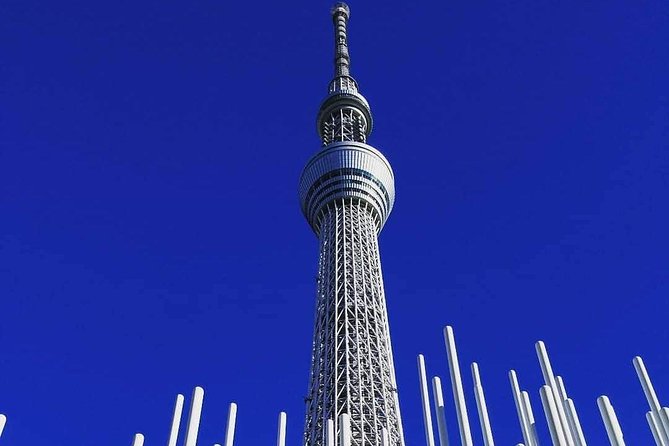
Your day starts at 10:00 am, and it’s designed to flow as a long highlight loop. Expect a consistent walking rhythm, plus short transitions where you’ll use public transit rather than relying on one long ride.
The schedule is tight in a good way, with roughly 30 minutes at each stop. That’s long enough to see the core of each place and still ask questions, but short enough that you won’t linger like you might on your own.
My advice: decide ahead of time which stop you’ll treat as your “slow and thoughtful” moment. For the rest, aim for curiosity, photos, and a few key facts your guide can explain.
Stop 1: Imperial Palace Grounds for a Very Japanese Kind of Scale
The Imperial Palace is the primary residence of the Emperor of Japan, and that alone sets the tone. Even if you’re not there to “tour a museum,” this is a chance to understand how power, tradition, and space shape the city.
You get about 30 minutes and free admission, which works well as an opening act. It’s a strong starting point because it’s grounded, orderly, and built for walking at a human pace.
The possible drawback is also clear. Thirty minutes means you’ll focus on the main perspectives your guide points out, not on deep exploration. If you’re obsessed with palace history, you may want to plan a separate visit later.
Stop 2: Meiji Jingu Shrine and the Calm Reset
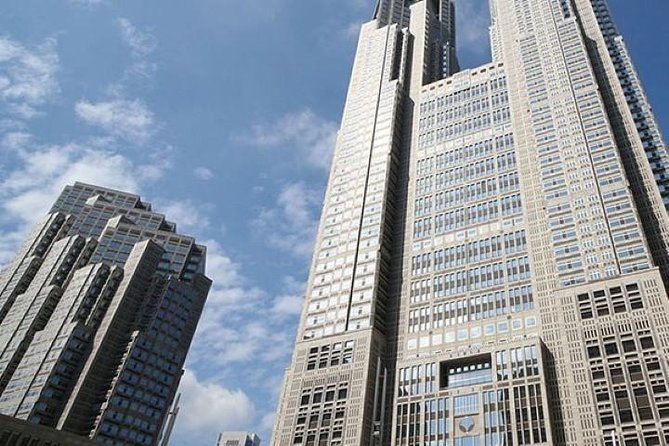
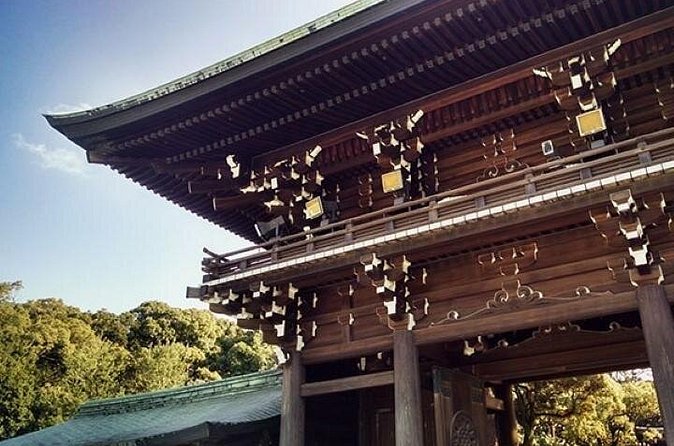
Next up is Meiji Jingu Shrine, dedicated to the deified spirits of Emperor Meiji and his wife. This stop is valuable because it gives you a clear contrast to Tokyo’s speed, with a shrine setting that encourages slower steps and quiet attention.
Again, the listed time is about 30 minutes, with free admission. That’s enough time to understand what makes a Shinto shrine meaningful and to experience the atmosphere without feeling like you’re on a conveyor belt.
Wear the right shoes here. Shrines often mean uneven ground and extra walking, and your comfort will affect how much you enjoy the moment. If you’re traveling with anyone who tires easily, this is a place to ask your guide to pace you.


Stop 3: Tsukiji Fish Market for Business Tokyo, Not Just Photos
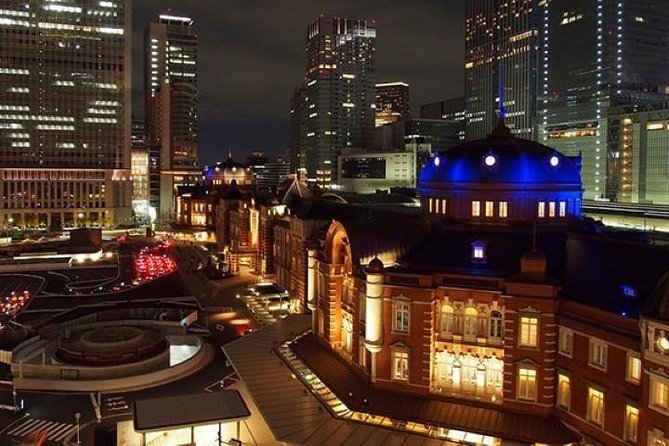
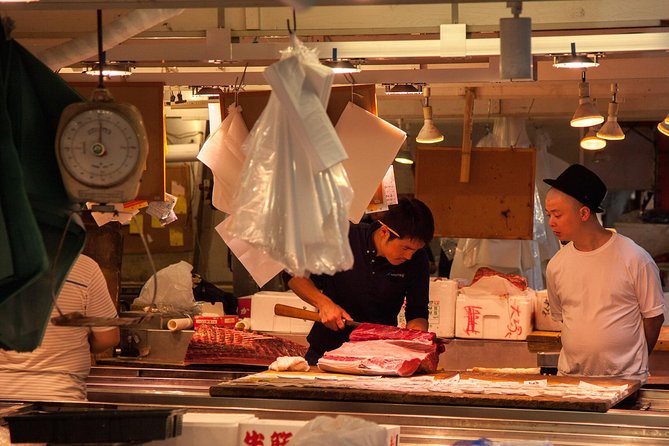
Tsukiji was home to the world’s largest fish market, and that fact alone explains why this stop still sparks interest. Even with only about 30 minutes, it’s a chance to see how food culture intersects with commerce and daily life.
You’ll have free admission at this stop, so you can spend your budget on simple street snacks later. The practical value here is context: your guide can help you connect what you see to what Tokyo was built on.
The consideration is crowd energy. Market areas tend to attract lots of people, and tight time plus foot traffic can make it feel busy. If you hate busy spaces, I’d still go, but I’d treat it as a quick window into the scene rather than a deep dive.
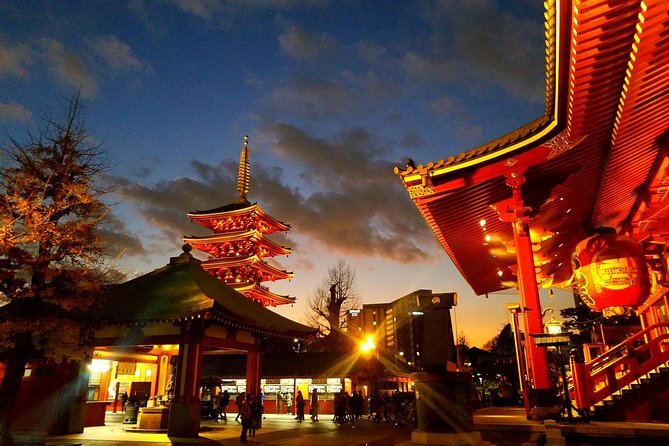
Stop 4: Senso-ji Temple, Tokyo’s Oldest Temple Feeling
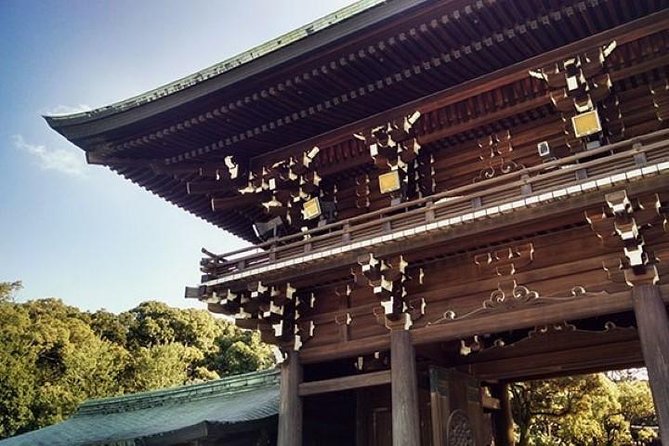
Senso-ji is Tokyo’s oldest temple and one of its most significant. It’s a top stop for a reason: it’s not just old, it’s part of how Tokyo people keep continuity with the past.
You get about 30 minutes and free admission, which makes it ideal as a “big meaning” stop early in the day. You can learn the core story, spot key details, and still have time for the rest of the route.
The tradeoff is similar to other major icons. You won’t be able to slow down and do everything at a temple of this scale in one half hour. But with a guide, you’ll know what’s most important to notice.
Stop 5: Ueno Park, Museums Nearby and Resident-Friendly Space
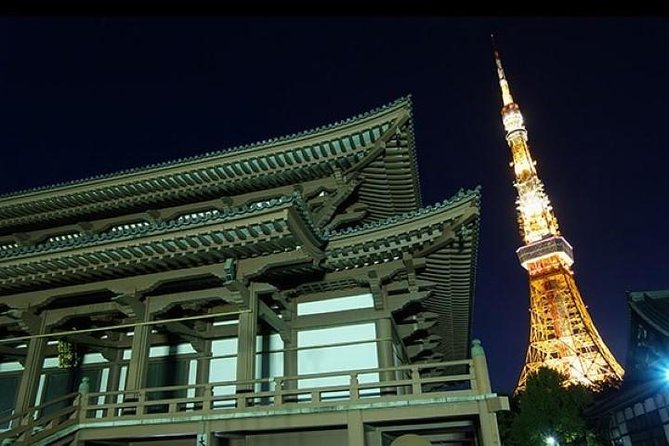
Ueno Park is a large park and a favorite destination of Tokyo residents. One reason I like this stop is that it helps Tokyo feel livable, not just scenic.
The tour info also points out that major attractions are within the park, including the Tokyo National Museum and Toshogu. With about 30 minutes, you’re not doing a full museum day, but you can get your bearings and decide if Ueno deserves a longer second visit.
This stop is also a good reset between iconic landmarks. Parks let you breathe, take a less rushed walk, and reposition for the afternoon energy ahead.
Stop 6: Shibuya Crossing, the City’s Most Recognizable Moment
Shibuya Crossing is the landmark Tokyo exports to the world. You’ll recognize it instantly, even if you’ve never been here, because Tokyo pop culture made it famous.
With about 30 minutes, your guide can help you get the best angles and the right timing to watch the flow. This is the kind of stop where being there at the right moment makes a difference, and having someone guide you through the intersection helps you avoid getting stuck in the wrong spot.
One practical note: Shibuya is a place where you should expect foot traffic and lots of motion. If you’re sensitive to crowds, bring patience. If you love people-watching, this is your payoff.
How the Guide Helps You Navigate Tokyo Like a Local
This tour’s real skill is not only walking. It’s learning how Tokyo moves.
A recurring theme from successful experiences with guides like Yoko and Xavier is that they teach transit in a way you can actually use. That’s huge. Tokyo subways can feel cryptic until someone shows you what to look for, how to get to the next station efficiently, and how to avoid wasted transfers.
What I also appreciate is the tailoring. Your day is supposed to be adjusted to your group’s interests and needs, not forced into a one-size-fits-all script. If your group has a mix, that flexibility turns the tour from “everyone waits for someone” into “everyone gets something.”
And yes, comfort matters. In past experiences with the guide team, people noted patience and adjustments for guests who needed a gentler pace. That’s the kind of practical empathy that makes a long walking day work.
What to Budget for Food, Transit, and Shoes
Food and drinks are not included unless specified, so plan to grab snacks or a proper meal during your free time. Your best move is to ask your guide what to eat near your next stop, because they can steer you toward options that make sense for the day you have.
Transit within Tokyo is partly on you. The tour lists average transportation at JPY 1,500 per person per day for getting to and from attractions. That figure is useful, but it’s still an estimate, so I’d keep some cushion if your group’s pace changes.
Shoes are the quiet make-or-break. This is a walking tour with a full half-day schedule, so bring comfortable footwear and dress for the weather. The tour operates in all weather conditions, and the instruction is simple: dress appropriately.
Who This Tour Is Best For (and Who Should Think Twice)
This tour is a strong fit for first-timers who want the big contrasts of Tokyo in one organized day. It’s also ideal for groups with mixed interests because the guide can tailor the order and focus based on what matters most to your group.
It’s especially useful if you don’t want to spend energy figuring out routes and subway connections. The payoff is confidence by the end of the day, because you’ll understand how neighborhoods connect instead of just “visiting places.”
Who might hesitate? If you prefer slow travel, deep museum time, or food-focused exploration, the 30-minute stop structure may feel like a sprint. Also, if you strongly dislike using public transit, the navigation element won’t feel effortless.
Should You Book This Private Tokyo Tour?
I’d book it if you want a stress-reducing way to see Tokyo’s major modern-and-tradition highlights without turning your day into logistics homework. The combination of private group time, hotel pickup, and free entry at several major stops is what makes it feel good value for the money.
I’d pass or swap to a different format if your main goal is lingering. This tour is built for efficient, guided time, not for long museum hours or repeat passes through the same neighborhood.
Finally, a quick reality check: your day is only as good as your priorities. If you tell the guide what you care about most, this style of tour can turn Tokyo from overwhelming into understandable, one neighborhood at a time.
FAQ
What time does the tour start?
The tour starts at 10:00 am.
Is hotel pickup included?
Yes. Hotel pickup is included, and the tour also offers drop-off at your Tokyo hotel.
Are admission tickets included for the stops?
Yes. The listed attractions have free admission, including the Imperial Palace, Meiji Jingu Shrine, Tsukiji Fish Market, Senso-ji, and the other stops on the route.
Is transportation between attractions included?
No. Transportation to/from attractions is not included. The tour lists an average cost of JPY 1,500 per person per day.
Are food and drinks included?
No. Food and drinks are not included unless they are specified as part of your plan.
Does the tour operate in bad weather?
Yes. The tour operates in all weather conditions, so you should dress appropriately.
Is this a private tour?
Yes. This is a private tour/activity, meaning only your group participates.
What are the requirements for children?
Children must be accompanied by an adult.
More Private Tours in Tokyo

More Tours in Tokyo

More Tour Reviews in Tokyo
Not for you? Here's more nearby things to do in Tokyo we have reviewed



Tokyo City Tours, side by side.
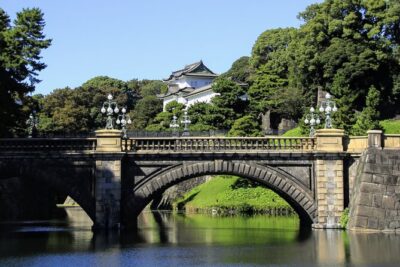 ★ 5.01-Day Tokyo Bus TourFrom $12914,250 reviews
 ★ 4.5TOKYO SKYTREE® Admission ticketFrom $1311,192 reviews
 ★ 4.6teamLab Planets TOKYO Digital Art Museum Entry TicketFrom $259,779 reviews
 ★ 4.0Mt Fuji & Hakone Cruise, Drum Show Bullet Train 1 Day from TokyoFrom $1497,413 reviews
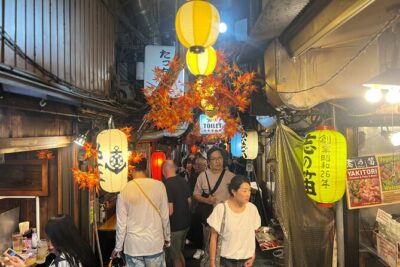 ★ 5.0Shinjuku Food Tour (13 Dishes at 4 Local Eateries)From $866,603 reviews
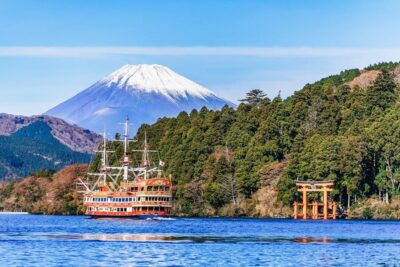 ★ 4.4Tokyo Mt Fuji 5th St & Hakone Cruise Bus Tour w/Bullet TrainFrom $1545,024 reviews
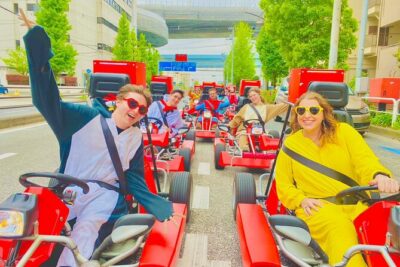 ★ 5.0Flagship 2-Hours Official Street Go-Kart Tour – Tokyo Bay ShopFrom $644,974 reviews
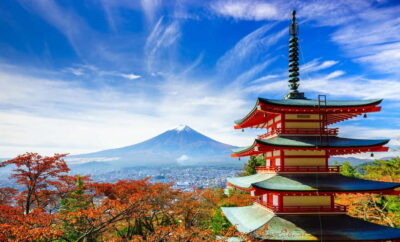 ★ 4.5From Tokyo: Mount Fuji Full-Day Sightseeing TripFrom $684,970 reviews