
Review · HAKONE DAY TRIPS
Hakone Hachiri: Old Tokaido Highway Hiking Half-day tour
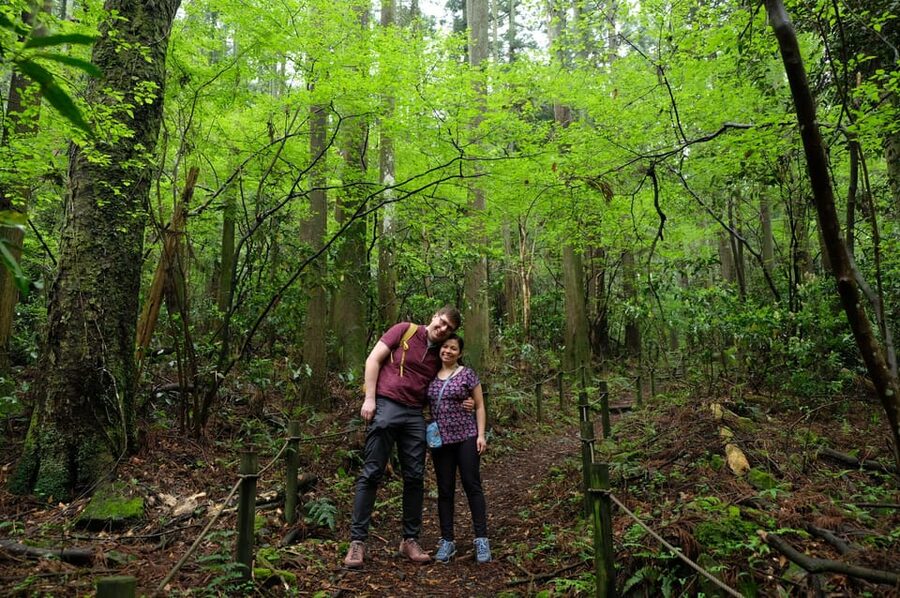
Hakone Hachiri turns a short walk into a time machine. You’ll get hands-on nature time and a clear, on-foot sense of how travelers moved between Kyoto and Edo, with stops like Hatajuku and the 400-year amasake tea house. I like that the route includes the feel of the old Tokaido cobblestones without turning it into a tough grind. One catch to plan for, if you care about photos, is that Mt. Fuji visibility depends on the weather.
This is also a smart intro hike if you’re not a long-distance person. The trek is about 4 km, mostly gentle slopes and cobbled paths, and you’ll skip the steepest stretches using bus. If you’re hoping to move at a relaxed pace while still getting that Edo-period feeling, this timing works well.
Key highlights to look for
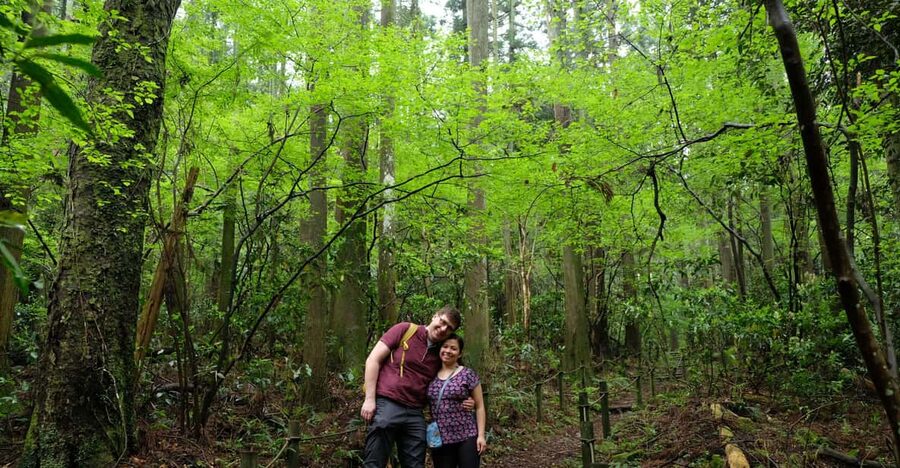
- Amasake tea house with a 400-year history, plus local snacks to keep your energy up
- Hatajuku and the wood carving village area, where the old route still feels lived-in
- Shinrin-yoku (forest bathing) style nature time, built into the walk and stops
- Old Tokaido cobbles plus the postcard view angle at Lake Ashi
- Cedar avenue with 400-year-old trees, then the Edo-era traffic gate at Hakone Checkpoint
- Small group size (up to 6), which helps the pace and questions
Hakone Hachiri: walking the Old Tokaido without the full 32 km slog
Hakone Hachiri is named for a real measurement challenge. In Japanese, hachi means eight, and ri is roughly 4 km today. Put together, it points to the difficult 32 km mountain path that travelers once faced on the route between Kyoto and Edo (today’s Tokyo).
What makes this tour different is that it gives you the best “hike feel” while skipping the hardest climbs with local transport. You still walk sections that resemble what Edo-period travelers experienced, but you’re not signing up for the whole endurance test. For me, that’s the key value: you get the story in your legs, not just in your head.
The vibe is also surprisingly calm. Even with cobblestones and some hills, the plan is beginner-friendly, and the timing is built for breaks and scenic stops, including Lake Ashi and the checkpoint area.
You can also read our reviews of more hiking tours in Hakone
The route overview: what you’ll actually do in about 3.5 hours
This is a 210-minute half-day tour, starting at Hakone-Yumoto Station. The guide waits at the ticket gate, and you’ll head out in a small group (up to 6 people) with an English live guide.
Your walk is about 4 km total, and you should expect:
- Gentle slopes and cobbled sections on the older road
- Short segments on foot, plus short hops by local bus or shared taxi
- Several photo stops and brief breaks, not a nonstop march
The itinerary rhythm matters here. You start with a warm-up walk near the river, then shift into heritage stops (Hatajuku and the teahouse), then move onto the classic cobbled stretch of the Old Tokaido, and finish at Hakone Checkpoint. That flow keeps you from feeling like you’re constantly “starting over,” which helps on a short tour.
Getting started at Hakone-Yumoto, then the river walk
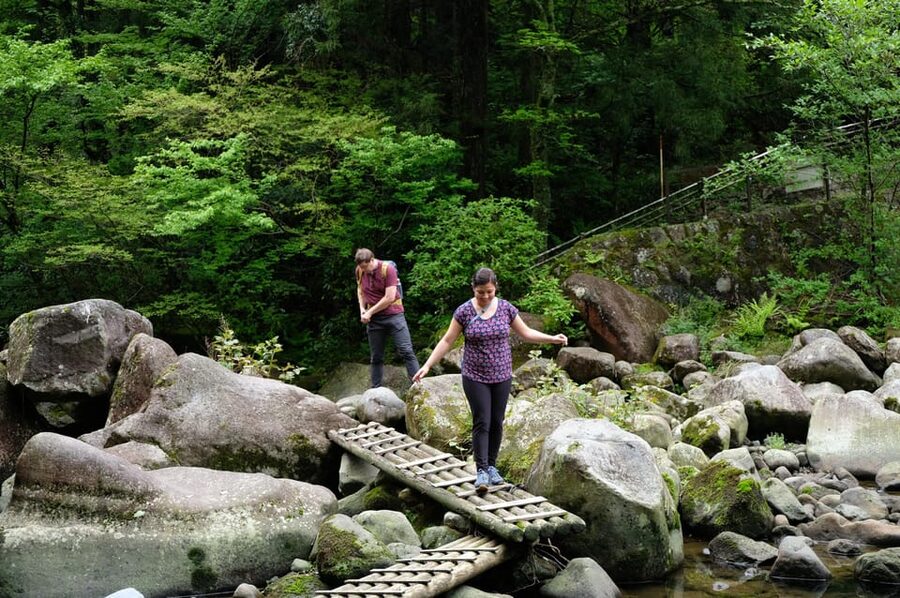
The day kicks off at Hakone-Yumoto Station, meeting at the ticket gate. From there, you take a black cab for about 15 minutes to reach the walking area near the river.
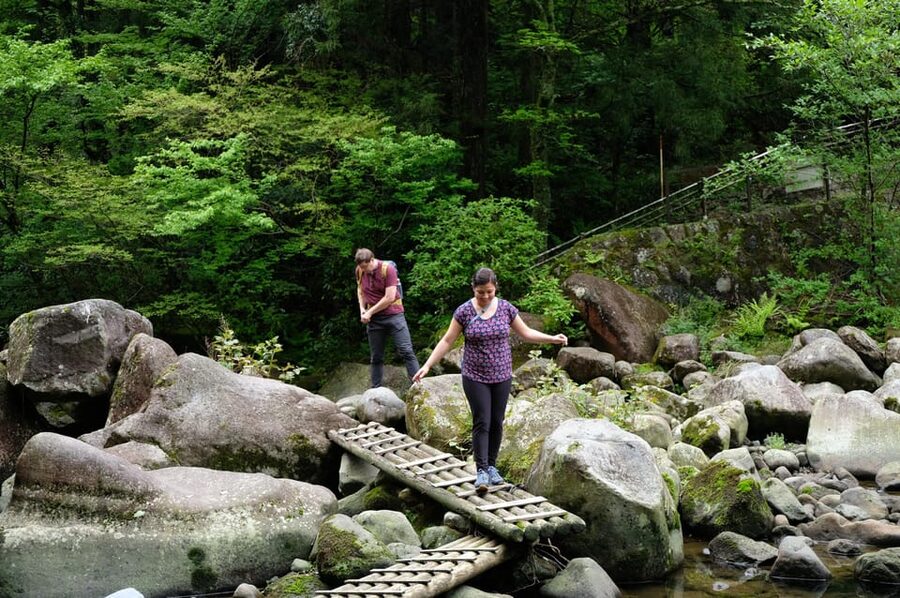
Then comes the first hiking segment, roughly 1 hour along the Sukumo River area. Even though this is still part of the tour, it functions like a practical warm-up. A river corridor also tends to be more forgiving than steep mountain switching paths, so it’s a good place to settle into the pace.
This is where forest-bathing thinking starts to make sense. The tour frames shinrin-yoku, which is basically forest bathing, as part of how you experience the area. You’re not only walking for distance. You’re walking to slow your senses down a notch, notice the air and the shade, and let the route feel less like a checklist.
Hatajuku: wood carving village energy and snack-time browsing
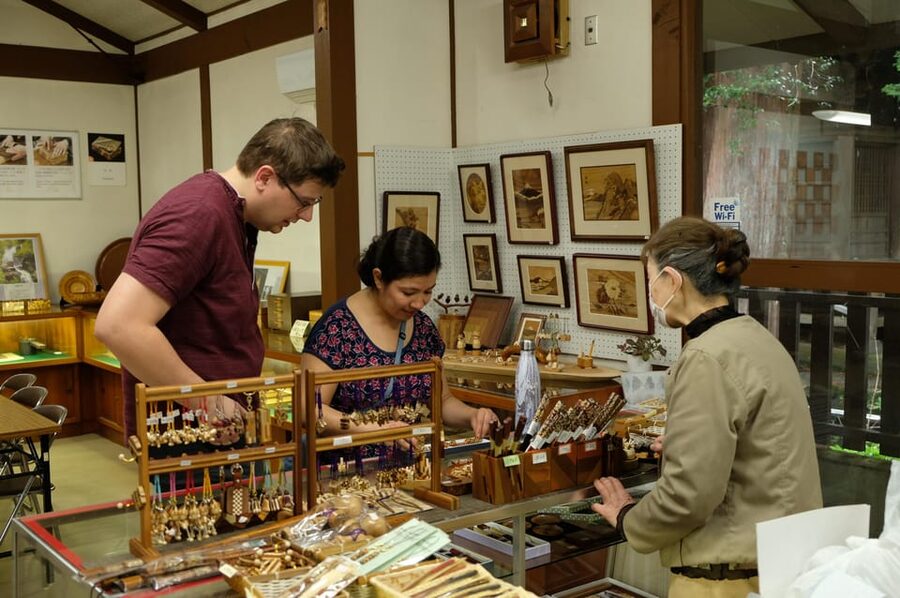
Next up is Hatajuku, described as a wood carving village area on the old Tokaido route. You’ll have about 30 minutes here for a visit, shopping, and passing through at an easy pace.
This stop is useful because it breaks the hike into two experiences: travel-history immersion and local street-level culture. If you’ve ever wondered what “old highway towns” meant in real life, this is where that question gets answered in the simplest way: shops, crafts, and tea culture linked to people moving through.
One practical note: because your time is limited, keep your browsing focused. Pick one or two items you genuinely want, rather than trying to cover everything. On a short tour, that saves you from ending with regret and aching feet.
The amasake tea house: the 400-year stop that powers the day
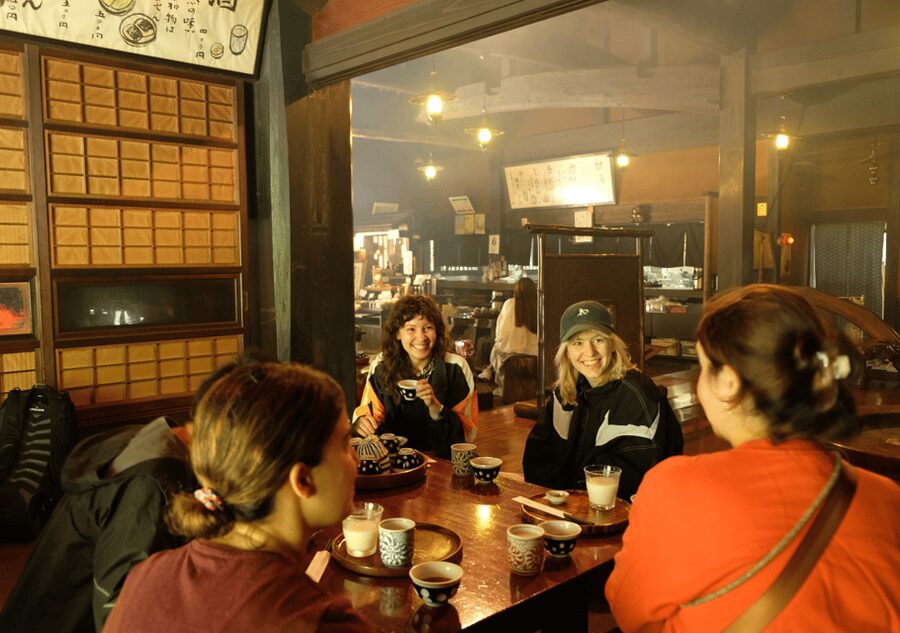
After Hatajuku, you use a short bus or coach ride (about 10 minutes) to reach the Amasake Tea House. Your time there is about 30 minutes, including a visit and local snacks.
This is one of the most specific highlights: you’ll enjoy a cup of amasake, and the teahouse is described as having a 400-year history. Amasake is a comforting, lightly sweet drink, and it fits the day’s theme. It also gives you a real break point, so the tour doesn’t feel like it’s rushing past the best part.
If you’re the type who likes meaningful food moments, this is where you’ll feel it. It’s not just a drink stop. It’s tied to an old highway rhythm, the same kind of pause travelers needed.
Possible drawback: if you’re not a fan of sweet drinks, you might want to treat the stop as a culture and snack moment rather than expecting it to be a big personal favorite.
More Tokyo tours and experiences for the shortlist

Old Tokaido cobbles: the walk that makes the story physical
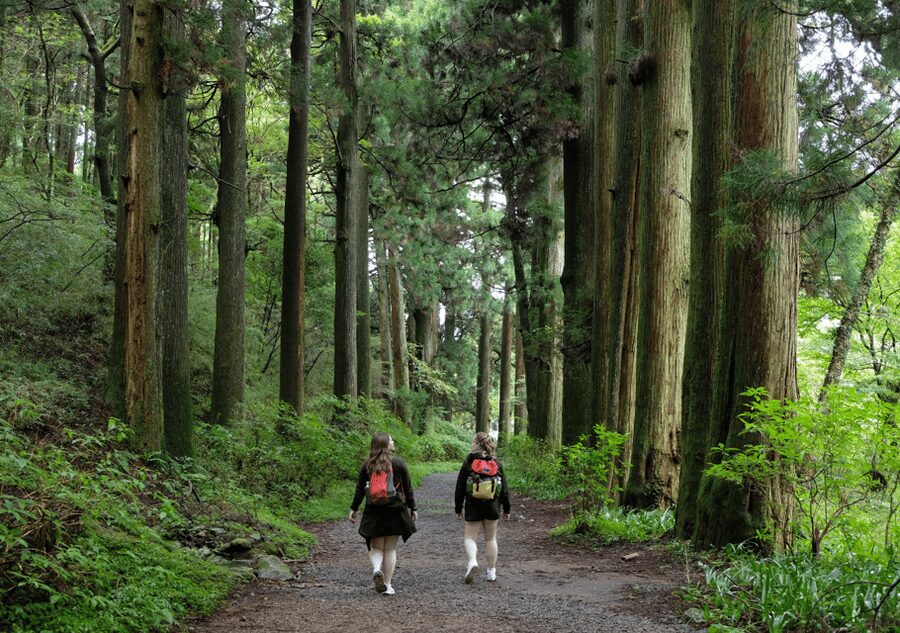
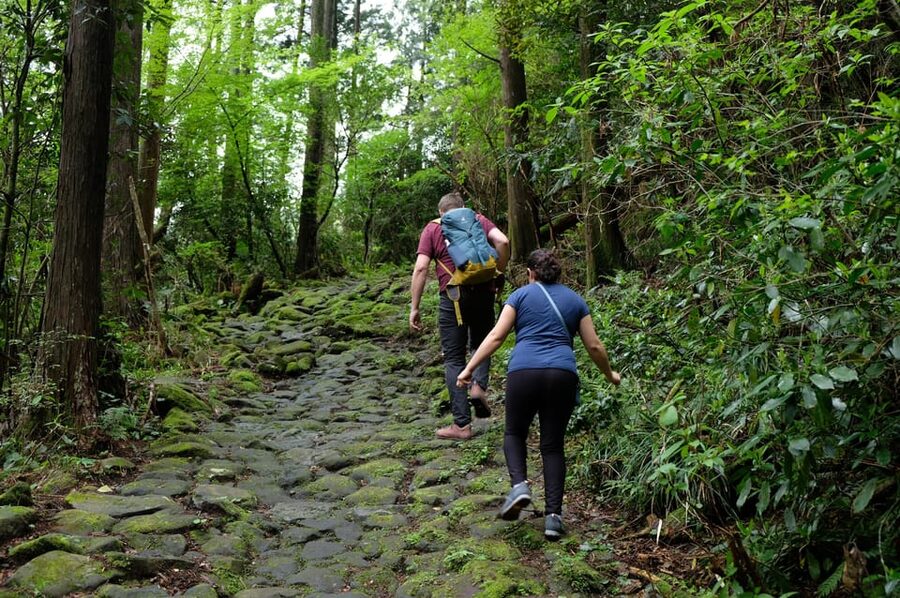
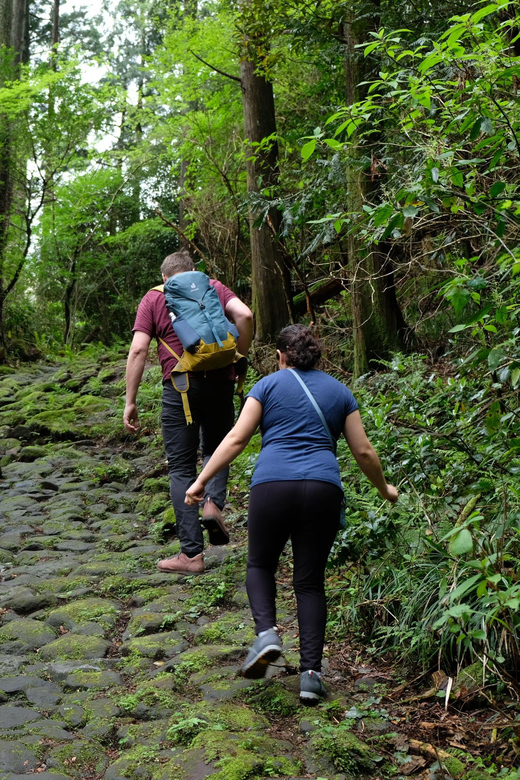
After the teahouse, the tour shifts into the signature walking stretch: cobbles on the Old Tokaido Highway for about 45 minutes.
This is the point where the tour earns its name. Edo-period travel routes weren’t famous because they were comfortable. They were famous because they connected major cities. Cobblestones help you feel that era in a very direct way.
For beginners, the good news is that the hike is designed to be manageable. You’re not dealing with a long, steep climb for hours. You’ll have enough breaks and time for photos to reset your legs.
What to expect with cobbles: slower steps, more ankle attention, and a slightly more active posture than smooth paths. If your shoes are too soft or too slippery, this section can feel less pleasant than it should. Comfortable shoes are not optional here.
Lake Ashi: postcard views and the Mt. Fuji gamble
You’ll then reach Lake Ashi for a 15-minute photo stop and walk-through area. This is where the tour invites you to look outward, not just forward.
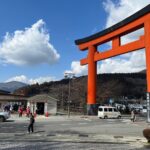
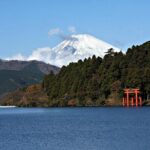
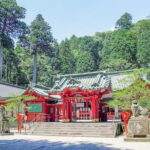
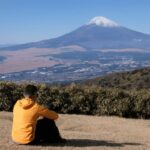
The promise is specific: you may be able to take a picture with Mt. Fuji and the lake view if the weather permits. You also pass by what’s described as the Torii gate of Hakone Shrine, which is often seen in Hakone postcards.
Here’s the practical value. Even if you don’t get clear Mt. Fuji, the route still pays off because you’re getting the open-water perspective that mountain walking can hide. That helps your brain “release” after the cobblestone effort.
If Mt. Fuji is your top goal, plan with flexibility. Fog and clouds are part of Hakone. The tour can’t control that, so treat Fuji as a bonus, not the reason you’re there.
Ancient cedar avenue: shinrin-yoku in plain sight
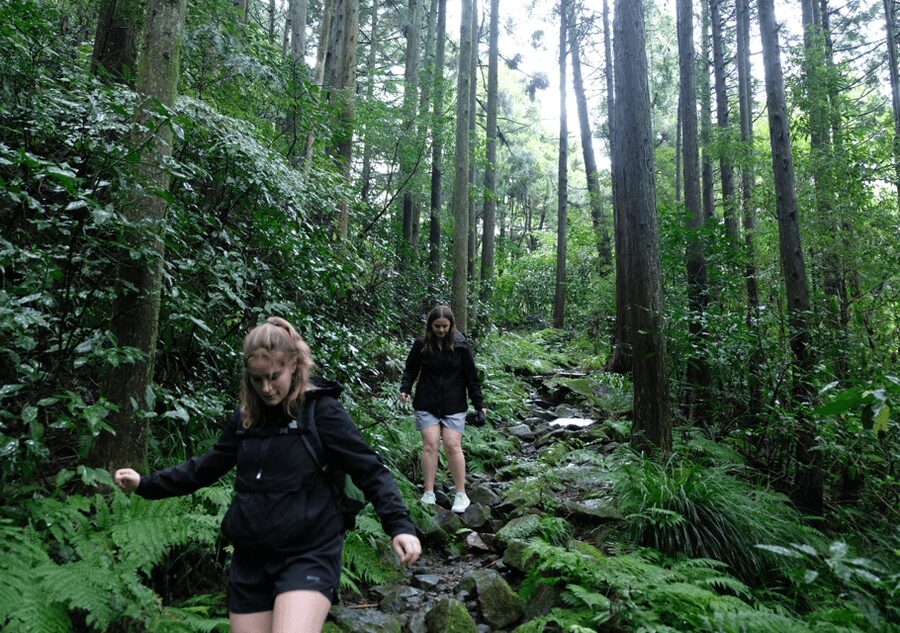
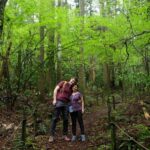
After Lake Ashi, you reach the Old Tōkaidō Road Ancient Cedar Avenue, East End, for another 15-minute segment. You’ll have photo stops and a walk through an area described with cedar trees over 400 years old.
This is where shinrin-yoku becomes more than a term. Cedar shade, cooler air, and the straight, tunnel-like feeling of an avenue all nudge you to slow down and pay attention. You’re not just ticking a landmark box. You’re letting the environment guide your pace.
If you’re traveling with fatigue, this segment tends to help because the trees create a calmer sensory space than open sun. Bring a hat, especially if the weather is bright, since you’re likely to spend time outdoors.
Hakone Checkpoint: seeing how the Edo government controlled travel
The day finishes at Hakone Checkpoint around 12:30 pm, with about 10 minutes near the gate area. This is described as the Edo-era traffic control point where the government managed travelers.
This ending works well because it reframes everything you’ve walked. Earlier you experienced the “how it felt” aspects: cobbles, villages, teahouse pauses. Now you get the “why it mattered” piece: this route wasn’t just scenery. It was controlled movement between power centers.
At this point, your tour ends, and you can plan your afternoon around the lake area. The area has restaurants for lunch, and you might also explore nearby attractions like Hakone Shrine and a pirate ship option on the lake, if you want to keep the sightseeing theme going.
Guide quality and group size: why a max of 6 changes the experience
This is a small group tour, limited to 6 participants, led in English by a certified National Mountain Guide.
A smaller group changes small things that matter. You’ll get quicker answers, fewer crowd bottlenecks at photo stops, and a pace that can flex when someone needs an extra minute on cobbles. It also makes it easier to hear explanations, which is important because the tour’s strength is turning places into meaning.
One guide name that shows up in past experience is Aki. He’s praised for making the day work smoothly and for explaining the area well. If you’re someone who likes to understand what you’re seeing rather than just walking through it, that style is exactly what you’ll want here.
What you should bring (and what to skip)
The essentials are simple:
- Comfortable shoes (especially for cobbles)
- Hat and sunscreen
- Camera for Fuji and lake moments
Not allowed: smoking.
There’s also practical suitability guidance. This tour is not suitable for children under 9, pregnant women, or people with back problems. If any of those apply, you’ll want to look at a different format or route length.
How this tour fits different traveler styles
I think this tour suits people who want a short, structured walk with real context. If you like:
- Nature breaks plus heritage stops
- A beginner-friendly challenge
- On-foot explanations tied to route history
…you’ll likely enjoy it.
If you’re an advanced hiker looking for long elevation gains and endurance, this one might feel too brief. But that’s not the point. The point is understanding Hakone’s role in the route system without burning half a day on steep climbing.
Price and value: what $112 gets you in real terms
At $112 per person, this isn’t the cheapest thing in Hakone. The value comes from the combination:
- A certified National Mountain Guide
- A guided route that includes history, nature, and specific stops like Hatajuku and a 400-year teahouse
- A short hiking workload that’s still meaningful: about 4 km
- A small group size (max 6), which affects pace and attention
Also, keep in mind that some transport costs are extra. Transportation to the trailhead is via shared taxi (about 2000 yen shared among the group). There’s also a bus fee to the teahouse (less than 400 yen). Those are normal add-ons for tours that mix walking with local transit, but it’s worth budgeting so the final number doesn’t surprise you.
For me, the price feels most justified if you care about the guide-led interpretation. If you just want views and a casual stroll, you could do Hakone on your own for less. If you want the route meaning explained clearly while you walk it, this price makes more sense.
Should you book Hakone Hachiri?
Book it if you want a beginner-friendly half-day hike that connects nature and highway history in a way you can feel. It’s especially good if you like the idea of shinrin-yoku style walking, a real teahouse stop with amasake, and an ending at Hakone Checkpoint that ties the day together.
Skip it or look for an easier alternative if you have back concerns, you’re traveling with someone who can’t handle cobblestones, or you’re only interested in guaranteed Mt. Fuji photos. The Fuji part is weather-dependent, and the walking segments, while gentle overall, still require comfortable shoes and attention on uneven surfaces.
More Hiking & Trekking Tours in Hakone
More Tours in Hakone

More Tour Reviews in Hakone
Not for you? Here's more nearby things to do in Hakone we have reviewed



Hakone Day Trips, side by side.
 ★ 5.0Mt Fuji and Hakone 1-Day Bus Tour Return by Bullet TrainFrom $16326,383 reviews
 ★ 4.0Mt Fuji & Hakone Cruise, Drum Show Bullet Train 1 Day from TokyoFrom $1497,413 reviews
 ★ 4.4Tokyo Mt Fuji 5th St & Hakone Cruise Bus Tour w/Bullet TrainFrom $1545,024 reviews
 ★ 4.7Mt. Fuji Tour, Hakone Ropeway, Owakudani, Lake AshiFrom $544,002 reviews
 ★ 4.2Mt. Fuji 5th Station & Hakone Cruise 1-Day Bus TourFrom $1292,381 reviews
 ★ 5.0Private Tour to Mt. Fuji and Hakone (Fully Licenced Operator)From $4971,910 reviews
 ★ 4.0Mt Fuji & Hakone Cruise, Drum Show Bus 1 Day from TokyoFrom $1221,287 reviews
 ★ 4.2From Tokyo: Mt. Fuji & Hakone Tour w/ Return by Bullet TrainFrom $1171,278 reviews
This tour also belongs to