
Review · TOKYO SAMURAI EXPERIENCES
Samurai Experience Mugai Ryu Iaido in Tokyo
Sword practice, Tokyo style.
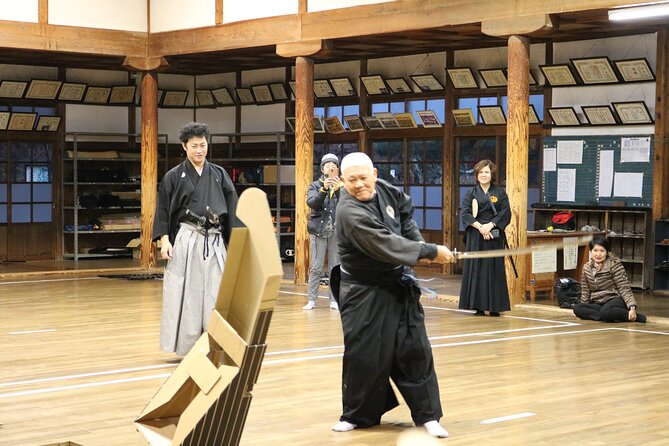
I love how this small-group Mugai-ryu iaido lesson feels both traditional and practical, with hands-on time right away instead of a long lecture. Master Takeda Hougyoku leads the experience, and you spend the hour learning the safe flow of drawing and sheathing an imitation katana, then getting to try cutting practice (tameshigiri) and seeing kata up close. The bonus for me is the photo-friendly setup, so you can actually capture what you are learning, not just stand around watching.
One consideration: you have to make your own way to the meeting point in Kuramae. There is no pick-up or drop-off, so build in a little extra time and use your map app to find 4-chōme-20-10 Kuramae, Taito City.
Key things I’d plan around
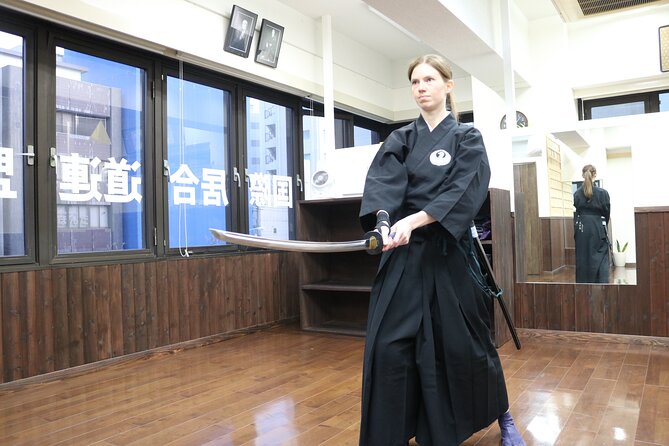
- Master Takeda Hougyoku’s instruction: Head of Hougyoku-kai guides you through Mugai-ryu iaido.
- Mock katanas for safety: You practice with sword imitations, so you can focus on technique.
- You try tameshigiri: Cutting practice is part of the 60-minute flow, not just a demo.
- Rental hakama is included: You don’t need to hunt down samurai clothing before you arrive.
- A tight 1-hour lesson: Fast pacing means you should arrive ready to start.
- Max 8 people: The group stays small enough for real attention.
Kuramae is the right base for iaido
Your lesson starts at 4-chōme-20-10 Kuramae, Taito City, Tokyo, and it ends back at the same meeting point. Kuramae is a workable choice because it is within Tokyo, close enough that you can get there on public transportation without turning the day into a logistics puzzle.
Even though there is no hotel pick-up, I like that this style of experience keeps things focused. Once you arrive, the session moves quickly from wardrobe to technique. If you are the type who hates running around, aim to get there a few minutes early, so you are not rushing when it is time to change.
You can also read our reviews of more tours and experiences in Tokyo.



The full 60-minute flow, from hakama to kata
This is a one-hour lesson, and the structure matters because iaido is all about sequence. Here is what you should expect during the time you have.
First, you change clothes. The experience includes rental hakama, the traditional samurai skirted trousers. You will be swapping into the look and feel of the practice right away, and it helps you understand the postures you will be using in the lesson.
Next comes the intro. You will listen to an explanation of what iaido is, given by Master Takeda and the instructor. For beginners, this is the part that saves you from guessing. Instead of treating sword motions like random movie choreography, you learn what the training is trying to develop: controlled drawing, proper sheathing, and disciplined form.
Then you get the safety and handling overview. You receive a clear walkthrough of how to safely handle the sword, including how to draw and sheath the imitation katana, how to hold it, and the basics of simple patterns. Since the swords are imitations of the katana, you can concentrate on timing and movement quality without the intimidation factor that real steel might bring.
After that, you move into the most memorable part: tameshigiri. Tameshigiri is when a samurai practices by using the sword to actually cut something. You will try it as part of the lesson, which is great value for your time because you do not just watch the concept. You practice the idea.
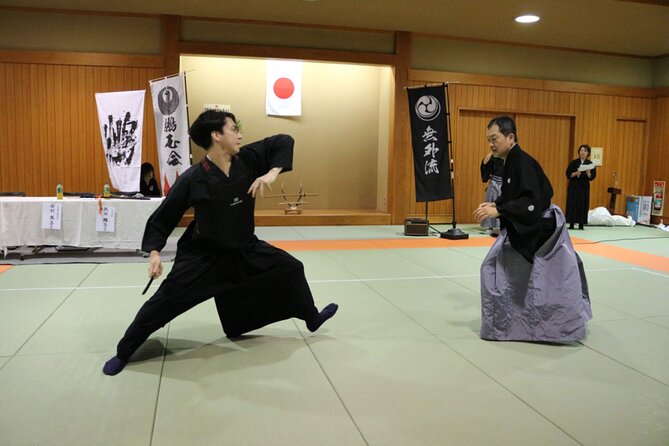
Finally, you watch Mugai-ryu kata demonstrations. Mugai-ryu iai is known to be practical martial arts training, and you will see predetermined attack patterns (kata) demonstrated by the master. At the end, there is a chance to see real iaido kata right in front of you, so the session finishes with the art form as it is meant to be performed, not just explained.
Master Takeda Hougyoku and the Mugai-ryu focus
Master Takeda Hougyoku is presented as the head of the International Iaido Organization Hougyoku-kai, and the program frames him as the heir of the ancient scrolls of the Mugairyu masters. They also describe this instruction as carrying on the 340-year-old spirit of Mugairyu sword play.
What you should take from that, as a learner, is not mysticism. It is standards. You can feel that the teaching is not casual. In a small group setting, that matters. You get corrections, and you learn the why behind the mechanics.
Also, Mugai-ryu is described as a practical martial art. That is a useful label for first-timers because it suggests training that prioritizes functional movement and disciplined sequence. Instead of treating sword work like a purely ceremonial performance, you see kata as a way to store technique, so it is available when needed. Even if you never become a serious practitioner, this perspective helps you appreciate what you are doing during your own tameshigiri attempt.
Safety and mock katanas, what that means for you
If you are even slightly worried about sword activities, this experience is designed to ease that fear. The lesson uses mock katanas, meaning sword imitations rather than real blades.
That one detail changes the whole experience. It means you can pay attention to basics like stance, grip, and the controlled motion of drawing and sheathing. You do not need to fight panic about safety. You can also trust that the instructor time is going into technique, not safety lectures every five minutes.
Because the class caps at 8 travelers, you are not lost in a crowd. In a smaller setting, it is easier to get your form noticed and adjusted.
Tameshigiri and kata, what to watch for
Tameshigiri is the moment where iaido stops being only theory. The program explicitly includes tameshigiri, and since it is described as cutting practice, you should approach it with respect. You are not doing it for entertainment. You are using the sword motion in a way that connects technique to a physical result.
When you try it, focus on what you are being taught during the handling overview. Your goal is not to be fast. In iaido training, speed without control does not help you learn. The session gives you the flow first, then asks you to test it. That is the right order.
Then comes the kata viewing. Kata are predetermined patterns of attack, and Mugai-ryu iai is known for being practical. When you watch the master, do not just stare at the sword. Watch the body sequence too: how the motion starts, how the draw connects to the next moment, and how the sheathing fits the overall pattern.
And because the lesson ends with a chance to see real iaido kata before your very eyes, you get a final comparison between what you practiced in beginner form and what the tradition looks like at full expression.



Included gear and what you should bring
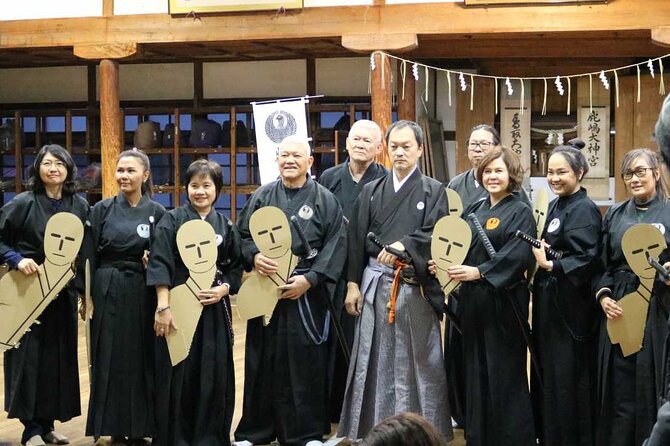
This experience includes rental hakama and Japanese sword rental, plus an English-speaking instructor. That is a big convenience for a Tokyo activity, because you do not have to solve the clothing problem or find a place that rents practice swords.
Still, you should plan to come ready to change. Wear clothes that are easy to remove and re-wear. The lesson includes changing clothes as part of the 60-minute schedule, so you do not want to be stuck wrestling with something complicated.
Also, the tour uses a mobile ticket. That means you should have your phone charged and access to your booking confirmation ready.
Price and value for a 1-hour, Master-led class
At $151.92 per person, this is not a budget activity. But it is also not trying to stretch into half a day or a full day. You are paying for a tightly timed, hands-on session with a recognized master and small-group attention, plus the included rentals.
Here is how I think about the value:
- You get rental hakama and sword rental, which saves money and time.
- You get English instruction and individualized attention in a group of up to 8.
- You do real practice elements, including tameshigiri, rather than only watching a performance.
- You get kata viewing at the end, which helps you understand what your beginner moves are aiming toward.
If you are a frequent Tokyo visitor, this makes sense because it is a different slice of culture than the usual sightseeing loop. If you are a first-time visitor, it is also a strong choice because it teaches you a clear cultural skill in a short time, and you can attach it to something you will remember later, not just a photo.
Who this experience suits best
This workshop is a good fit if you:
- Want hands-on cultural learning, not just a demonstration
- Like small-group activities where your questions can actually get answered
- Are curious about samurai history through practice, not through fantasy reenactment
- Want a Tokyo experience that is structured, safe, and beginner-friendly
It also suits martial arts fans who want to see how iaido training is taught at a master-led level, with clear attention to the flow of movement. And because there are opportunities to take photos, you can bring home more than a memory, as long as you follow any guidance the instructor gives during practice.
If you hate changing clothes for activities or you need hotel pick-up to feel comfortable, you might find the format less convenient. Otherwise, it is a strong way to spend an hour learning something real.
How to get the most out of your lesson
To enjoy this class, go in with the right expectations. This is not a casual try-on. It is a disciplined training session, and you will get more out of it if you treat it that way.
Here are a few practical tips:
- Arrive early enough to settle and change without rushing.
- During the safety and handling explanation, slow down mentally, even if it feels repetitive. Iaido is about sequence.
- When you try tameshigiri, focus on form first. You will learn faster that way than by trying to force results.
- When the master demonstrates kata, watch the transitions. Those are where the lesson connects to the tradition.
If you do those things, you will leave with a sense of how iaido works as a system, not just a set of sword tricks.
Should you book Samurai Experience Mugai Ryu Iaido?
I would book it if you want a Tokyo experience that blends craft, discipline, and hands-on practice in a small group. The presence of Master Takeda Hougyoku, the inclusion of rental hakama and sword practice gear, and the chance to try tameshigiri in a one-hour lesson all make the value feel solid for what you get.
I would think twice if you cannot reach the Kuramae meeting point on your own, or if you need a longer, slower class with more time to practice one movement. The pacing is efficient by design.
If you are open to a structured lesson and want to learn a side of Japanese culture most visitors skip, this is a very smart use of an hour in Tokyo.
More Tour Reviews in Tokyo
Not for you? Here's more nearby things to do in Tokyo we have reviewed












Tokyo Samurai Experiences, side by side.
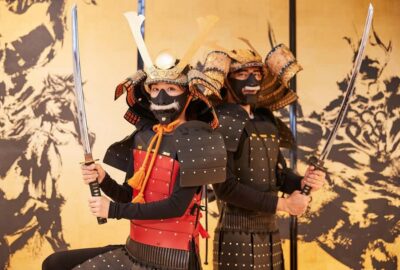 ★ 4.6Samurai Ninja Museum Guided tour and ExperienceFrom $271,010 reviews
 ★ 5.0Samurai Sword & Archery Class from Samurai DescendantFrom $193603 reviews
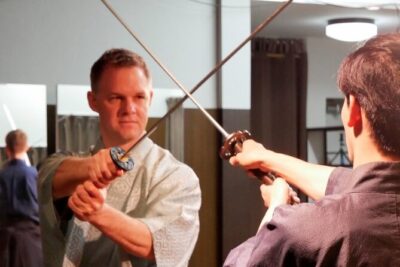 ★ 5.0Best Samurai Experience in TokyoFrom $65458 reviews
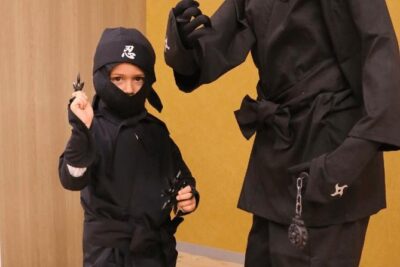 ★ 5.0Ninja Experience (Family Friendly) at Samurai Ninja Museum TOKYOFrom $47441 reviews
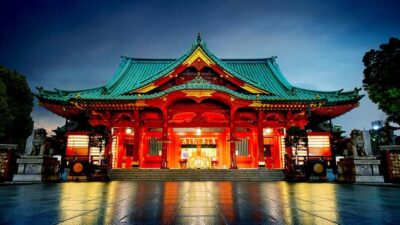 ★ 4.6Samurai Entertainment Night Show in Kanda ShrineFrom $41417 reviews
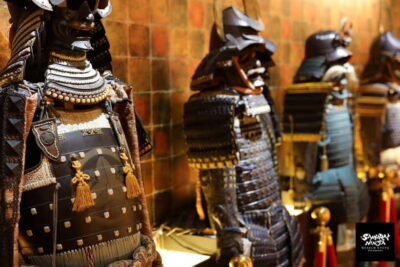 ★ 4.8Samurai Ninja Museum Asakusa: Samurai Sword Lesson & TourFrom $63306 reviews
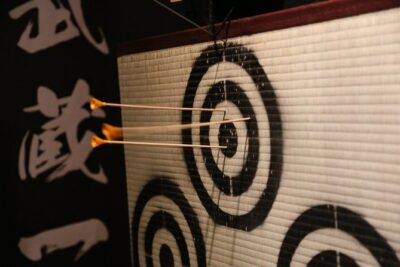 ★ 5.0Ninja Samurai 2-hour hands-on lesson by Japanese master in TokyoFrom $86194 reviews
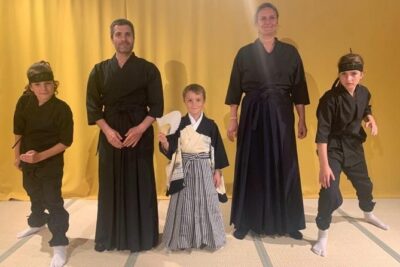 ★ 5.0Samurai Sword Experience (Family Friendly)at SAMURAI MUSEUM TOKYOFrom $65168 reviews
This tour also belongs to