
Review · TOKYO SAMURAI EXPERIENCES
Samurai Sword Experience (Family Friendly)at SAMURAI MUSEUM TOKYO
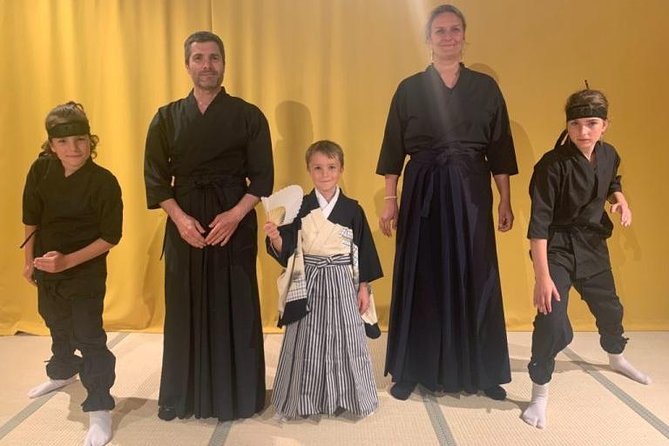
Try a katana lesson in Asakusa. This hands-on experience at SAMURAI MUSEUM TOKYO mixes costume, safe sword practice, and a museum visit, all kept in a small-group format. You start at the Samurai Ninja Museum in Nishiasakusa and end right back where you begin.
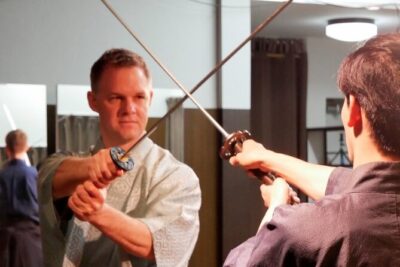
I love the real training vibe, not just pose-and-pay. You get taught how to handle a katana safely, then practice set movements with instructor support, plus you dress in a hakama and samurai helmet. I also like that the experience includes a quick slice of the ninja side with weapons trials.
One consideration: the schedule is tight, and the museum is compact, so if you are someone who wants to linger and read every label, you may feel rushed. Also, children under 6 cannot enter the samurai venue.
Key highlights you should care about
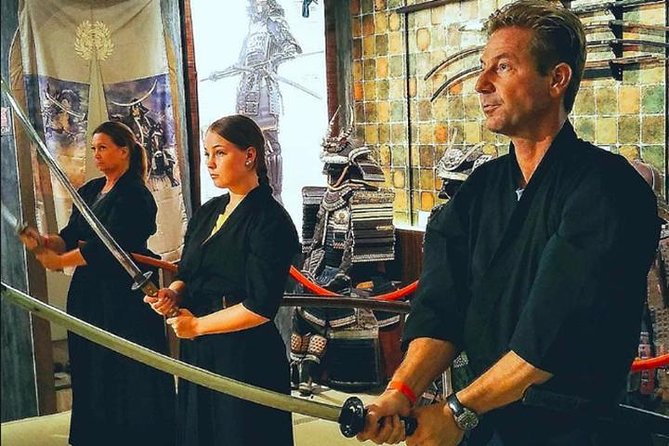
- Safe katana handling lesson with guided practice, not just photos
- Costume plus armor trial with posing in front of studio-style backgrounds
- Ninja weapons trial including throwing-star style practice
- Museum visit included, with time that can feel short if the room gets busy
- Clear age rule: no samurai-venue entry for kids under 6
First Stop: Samurai Ninja Museum Asakusa, the 2:00 pm starting point
The experience begins at Samurai Ninja Museum Asakusa Tokyo, in the Nishiasakusa area of Taito City. It starts at 2:00 pm and ends back at the same meeting point, so you are not juggling transfers, buses, or extra coordination.
This is a big plus for families and first-timers. You show up, check in, and the whole program flows from there. The venue is also described as near public transportation, which matters in Tokyo, because walking time can add up fast.
You can also read our reviews of more museum experiences in Tokyo


Getting Kitted Out: Hakama, Helmet, and Armor for photos that feel earned
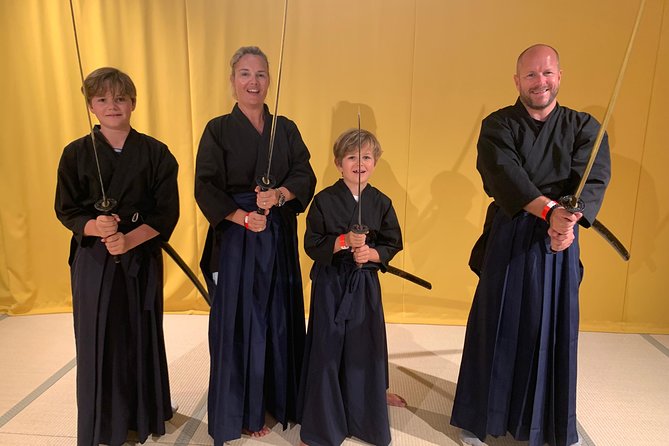
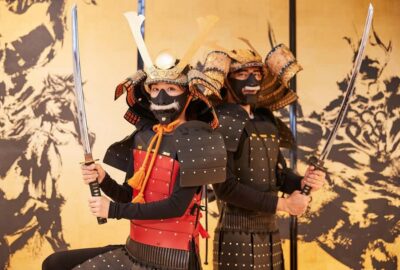
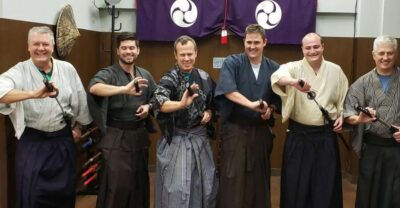
Before any sword practice, you get dressed. The experience includes wearing a hakama (traditional outfit), plus a samurai outfit and samurai helmet. There is also an armor trial, with time for posing in front of studio or samurai-themed backgrounds.
This is where the experience turns from entertainment into a memory. The staff support you through the costume fit, and you are not left figuring it out alone. If you have ever done a quick costume photo stop, this feels different because you are preparing for the training portion, not just putting on clothes.
Also, you should know the limits of the look. Some parts are described as costume or trial gear that looks realistic for photos, rather than full battlefield weight armor. Still, it photographs well, and the moment does not feel rushed if your group arrives on time.
Katana Skills the Safe Way: set movements, wooden or foam practice, replica swings
The heart of the experience is sword handling. You learn how to wield a katana safely, and you practice the movements with instructor guidance. You also see why the setup matters: the instruction happens in a controlled environment with clear safety rules, so you can follow along without the stress of a real combat scenario.
From what you will be doing on the floor, expect this to be structured training, not freestyle dueling. One detailed description breaks it down as a short demonstration, then guided group practice of a small set of movements, and finally a crack or set of swings with a replica sword. The replica is described as not sharp in that account, and there is no chopping action with a real katana.
If that is what you want, great. If you are hoping for action-heavy cutting, you will likely be disappointed. Plan to treat it like a mini lesson with physical participation, where the goal is correct form and safe handling, not dramatic stunts.
Why this part is good value for your money
You are paying for more than time with a sword. You are paying for an instructor to teach posture, safe grip, timing, and how to move as a group. The repeated praise on the instruction style matters here. Names like Ryo, Kenny, and Jack show up in feedback as examples of calm, patient teaching and clear communication.
And yes, the “replica, not real sharp blade” detail means you can relax. You get to feel like a samurai without the risk.
Ninja Side Quest: weapons trial and throwing-star practice
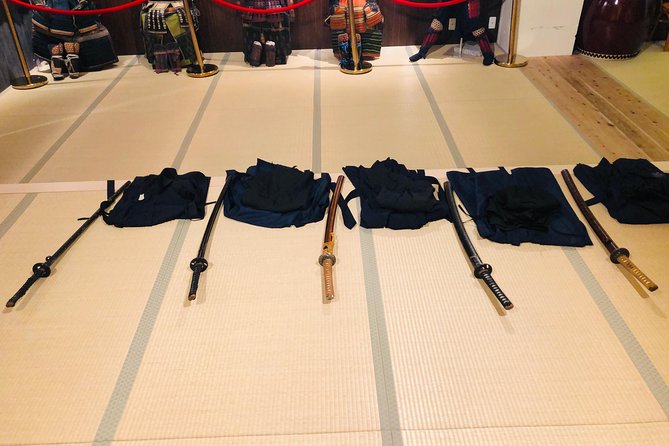
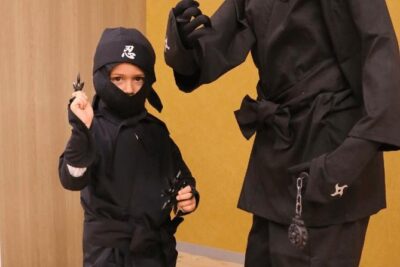
After the sword lesson, the program pivots to the ninja side. You get a ninja weapons trial included in the package. In at least one account, the throwing-star portion is described as throwing hard rubber ninja stars into Styrofoam.
This is a fun contrast to the katana work. Sword practice is about body control and line of motion. Throwing stars is about aim, timing, and how to release with consistent form. It is also a quick way to keep kids engaged after the costume and training steps.
If you are the kind of person who likes variety, this is a smart addition. It keeps the hour-plus from becoming one single activity.





The Museum Tour: a compact look at Samurai and Ninja artifacts
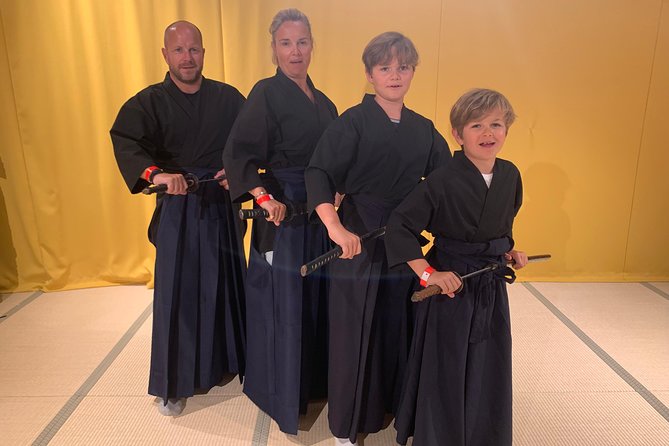
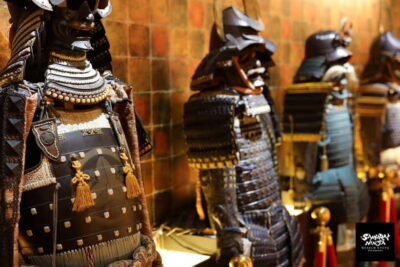
The experience includes a tour of the Samurai and Ninja Museum at Samurai Ninja Museum Asakusa Tokyo. One person described it as not a traditional full-size museum, but still interesting and engaging. The time feels built around keeping you moving, so you might not see everything in a slow, reading-heavy way.
You can think of the museum tour as context. The sword and weapons practice is fun, but the museum helps you connect the props to the culture and the training ideas behind them. You will also see ancient artifacts mentioned in feedback, which adds credibility beyond the cosplay.
One practical note: space can get tight. A couple of accounts point out that if the museum is crowded, it can be harder to see exhibits or move comfortably. If you want the best viewing, keep your eyes up and your camera ready, and accept that you will not have hours in every room.
Small-group promises, and what that means for your experience
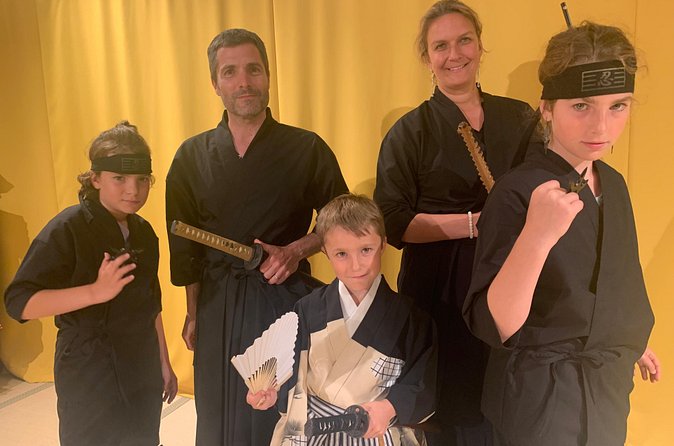
The program is sold as small-group. Some details point to maximums like eight for the group experience, and other caps like a maximum of 16 travelers for the overall activity. In real life, what matters is how your session is organized once you start training.
You may also notice that the dressing and photo segments can create waiting time if your group is larger than ideal or if people arrive late. One account criticized waiting because late arrivals forced the rest of the session to slow down. Another account described a crowded feel when the group size was not what they expected.
So, the best move is simple: arrive a little early and stay ready to go. When you get started on time, you get more practice time, more photos, and a smoother museum flow.
Price and value: is $65.41 per person worth it?
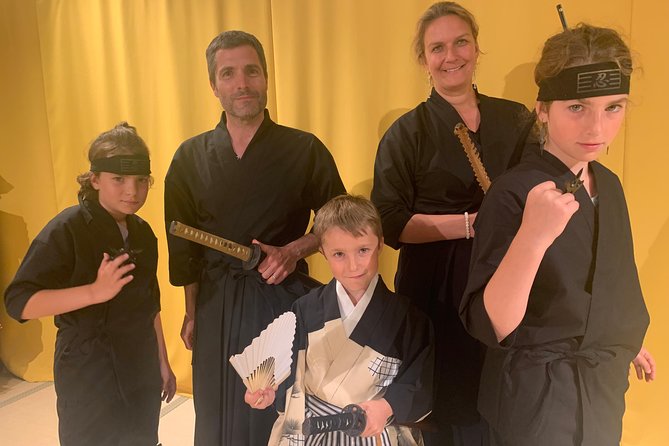
At $65.41 per person, you are not paying for a single photo or a quick costume walk-through. You are paying for a bundle: sword instruction, traditional outfit dressing (hakama and samurai gear), helmet use, an armor trial and posing time, a ninja weapons trial, and a museum tour included in the same ticket.
For people traveling with kids, that bundle is the value. Kids get physical activity, costumes, and photo moments. Adults get structured instruction and cultural context, plus an easy Tokyo activity with a fixed start time.
If your expectations are aligned with what is offered, it feels like good value. If you expected the ability to chop with a real katana or an ultra-long museum experience, it probably will not feel like enough time. The “short set of movements” format is the tradeoff for staying safe and keeping the schedule moving.
Who should book this Samurai sword experience?
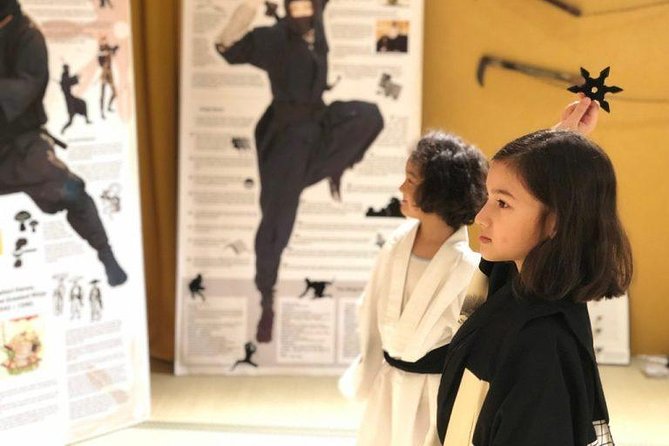
This is a great fit if you want hands-on fun with a training focus. It is family-friendly in spirit and has a strong recommendation rate. The biggest hard rule is age: children under 6 cannot enter the samurai venue, so plan accordingly.
This also works well if you love Japanese culture and want something more active than museums alone. You are learning sword handling, practicing ninja-style throwing, and seeing artifacts in one block.
If you hate waiting or you are extremely sensitive to crowds in small spaces, consider the timing carefully. The museum portion can feel tight, and waiting can happen if a group has late arrivals. For best results, keep your schedule flexible, arrive early, and treat it as a program with a rhythm, not a slow-paced stroll.
Practical timing tips so you do not lose your turn
Start time is 2:00 pm. From there, the overall experience is described as around 1 hour 15 minutes, but other detailed timing accounts suggest the real total can run about 90 to 120 minutes depending on how the session flows. That range is normal for activities that include dressing, group instruction, and photo time.
To protect your experience:
- Arrive early so you do not get pulled into last-minute waiting.
- Keep your camera and phone charged before you start dressing.
- If you care about museum exhibits, accept you will get a guided pass rather than an hours-long browse.
The upside is that once you are in the program, it is structured and staff-led. You do not need to figure out the steps yourself.
Should you book SAMURAI MUSEUM TOKYO’s Samurai Sword Experience?
Book it if you want a single, family-friendly Tokyo activity that mixes safe sword practice, costume dressing, ninja weapons trial, and a museum visit. The strongest selling point is the instruction and the hands-on feel, plus the small-group teaching style praised by many people.
Skip it or choose something else if you want a long, quiet museum day or you expect real sharp cutting with a real katana. This is training with replicas and safe practice movements, designed to be fun and accessible.
If your group includes kids, just remember the under-6 rule for the samurai venue. For everyone else, if you show up on time and go in with the right expectations, this is one of those activities that turns a city stop into a story you will keep.
FAQ
How long does the Samurai Sword Experience take?
The experience is listed as about 1 hour 15 minutes. Some timing details also suggest the total can run roughly 90 to 120 minutes depending on how the session moves.
What happens during the sword training?
You receive a hands-on lesson on using a samurai sword and learn how to safely wield a katana. You also practice the movements with instructor guidance, with safety-focused practice tools and a replica sword segment described as not sharp.
Can children participate?
Children under 6 cannot enter the samurai venue. The experience is described as family-friendly for ages that can enter the venue.
Where do I meet for the tour?
Meet at Samurai Ninja Museum Asakusa Tokyo, 1-chōme-8-13 Nishiasakusa, Taito City, Tokyo 111-0035, Japan.
Is transportation included?
No. Transportation to and from attractions is not included.
Is there free cancellation?
Yes, you can cancel for a full refund up to 24 hours before the experience’s start time. If you cancel less than 24 hours before, the amount paid is not refunded.
More Museum Experiences in Tokyo

More Tour Reviews in Tokyo
Not for you? Here's more nearby things to do in Tokyo we have reviewed












Tokyo Samurai Experiences, side by side.
 ★ 4.6Samurai Ninja Museum Guided tour and ExperienceFrom $271,010 reviews
 ★ 5.0Samurai Sword & Archery Class from Samurai DescendantFrom $193603 reviews
 ★ 5.0Best Samurai Experience in TokyoFrom $65458 reviews
 ★ 5.0Ninja Experience (Family Friendly) at Samurai Ninja Museum TOKYOFrom $47441 reviews
 ★ 4.6Samurai Entertainment Night Show in Kanda ShrineFrom $41417 reviews
 ★ 4.8Samurai Ninja Museum Asakusa: Samurai Sword Lesson & TourFrom $63306 reviews
 ★ 5.0Ninja Samurai 2-hour hands-on lesson by Japanese master in TokyoFrom $86194 reviews
 ★ 4.9Best Samurai ExperienceFrom $63124 reviews
This tour also belongs to