
Review · TOKYO SAMURAI EXPERIENCES
Private Samurai Sword Experience
Cutting lessons in a samurai garden sound risky. This private Tokyo session turns Samurai sword basics into something you can actually practice, including the Kesagiri 45-degree diagonal slash, with a peaceful garden setting and temple bell views. The main consideration is that it’s hands-on and weather-dependent, so you’ll want to be ready for moderate physical effort and a plan B if conditions are poor.
You can pick a morning or afternoon time, and the experience runs about 2 hours 30 minutes. It starts and ends near Naka-Meguro Station, so you can fit it into a broader Tokyo day without too much fuss.
Key Highlights You’ll Care About
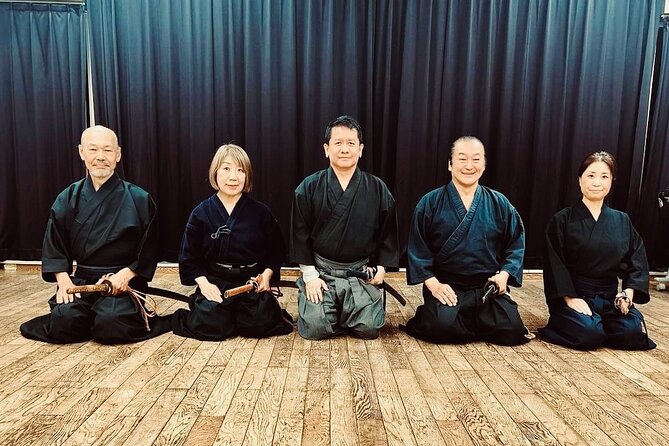
- Private training with a master instructor so questions do not get lost in a crowd
- Kesagiri practice using the cutting method tied to Samurai tradition
- Kiritaiken cutting session setup with a Japanese Mozoto and urethane rod instead of tatami
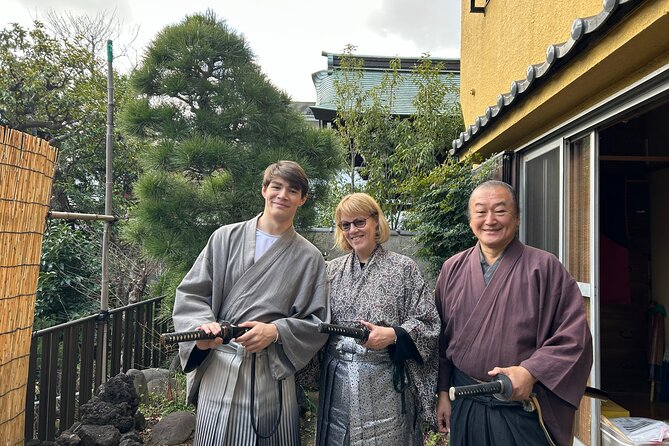
- Temple bell garden photos right after your practice, in a calm neighborhood setting
- Optional matcha tea ceremony taught by an instructor in a tatami room
Why This Private Samurai Sword Experience Feels Different in Tokyo
Tokyo has plenty of cultural shows. This one is training, not watching. When you pay for a private lesson, you get more time on form and fewer awkward moments trying to copy someone else’s pace.
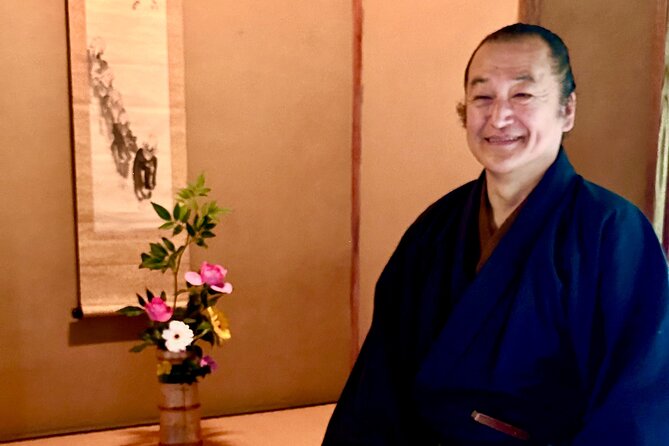
I like two things most. First, the instruction is hands-on, with you practicing what you’re being taught, not just doing a photo-op with a prop. Second, the setting matters: a garden space with temple bell scenery makes the session feel focused and calm, even though you are learning sharp arts.
The one drawback to plan for is that this is active and depends on weather. You’ll want shoes and clothing you can move in, and you should avoid scheduling something critical right afterward if the day gets weather-adjusted.
You can also read our reviews of more private tours in Tokyo

Meeting Near Naka-Meguro and What Happens Right Away
You meet at Naka-Meguro Station area, in Meguro City, Tokyo. The meeting point is listed as Naka-meguro Sta. 3-chōme-4-1 Kamimeguro, Meguro City, Tokyo 153-0051, Japan, and the activity ends back at that same spot.
From there, you head into the garden setting for the session. The pacing is built around a 2 hours 30 minutes total experience, so it feels complete without dragging on. Because it’s private and only your group participates, you’ll also avoid the common problem of waiting while other people get sorted out.
If you like structure, this is friendly: you know you’re going to practice cutting methods, then take garden photos, and optionally add a matcha tea ceremony. That predictability helps if sword training is new to you.
Kiritaiken Cutting Session: Urethane Rods and the Mozoto Setup
The heart of the experience is a traditional cutting session in Japanese martial arts, tied to Kiritaiken style practice. You will cut an urethane rod using a setup that uses a Japanese Mozoto, rather than cutting a tatami mat.
This detail matters for two reasons. One, urethane rod targets are meant for training, so the session stays safer and more controlled than many street-level sword fantasies. Two, it helps you learn timing and angle without the session turning into a mess of damaged materials.
You’re taught and then you perform a specific cutting method called Kesagiri. Kesagiri is a powerful 45-degree diagonal slash rooted in Samurai tradition. In plain terms, you’re not just swinging for speed. You’re learning a precise direction and cut line, the kind of thing you can only understand by doing it, then adjusting based on feedback.
Also note the way the practice is framed. You are trained safely, and for the cutting practice you use a replica blade in the master’s garden. That safety piece is a big part of why this experience is worth the money, even if you have only beginner-level interest.
Iaido Basics and Battodo: The Skills You’ll Actually Use
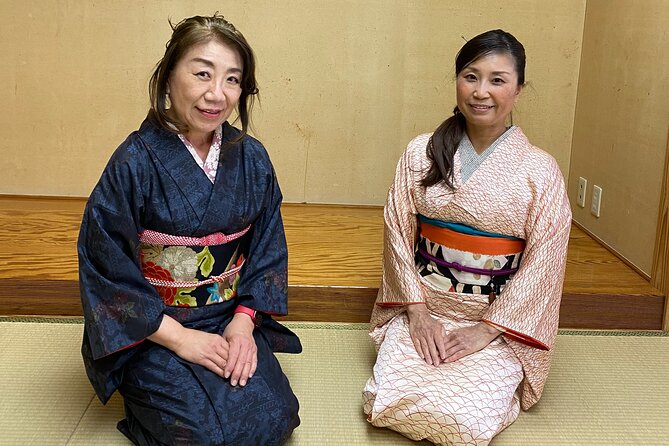
You won’t just hear martial arts trivia. You’ll get hands-on with the basics of Samurai swordsmanship, including Iaido and Battodo, taught in a structured way that makes sense even if you’re brand new.
Iaido is the sword art theme here, with the instruction rooted in the Tamiya-ryu school of Iaido. Battodo is also mentioned as part of what you master during the session. I like how these are presented as skills you can practice during your time, not as vague concepts you study from afar.
The big value for you is feedback. In a private format, you can ask why your cut looks different, why your stance feels off, or what to adjust first. That’s the difference between “I swung a sword” and “I understand what I just did and how to improve it.”
And based on what you’ll be doing, you should expect moderate physical effort. Not extreme athletics, but you are moving with intention and repeating motions enough to learn from them. If you have balance or mobility limits, you may want to confirm ahead of time how the instructor adapts the practice for your comfort level.
Temple Bell Garden Photos, Plus an Optional Meguro Fudoson Walk
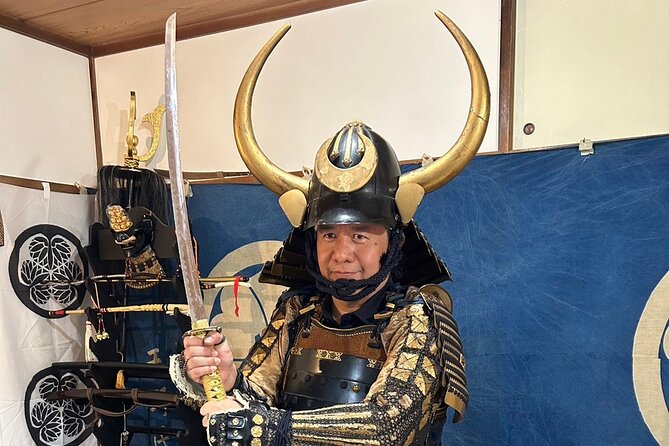
After the cutting practice, you get a picture opportunity in the Japanese garden area, with temple bell scenery. This is a nice touch because it turns the session into a memory you can keep, not just a technical experience that disappears once you leave.
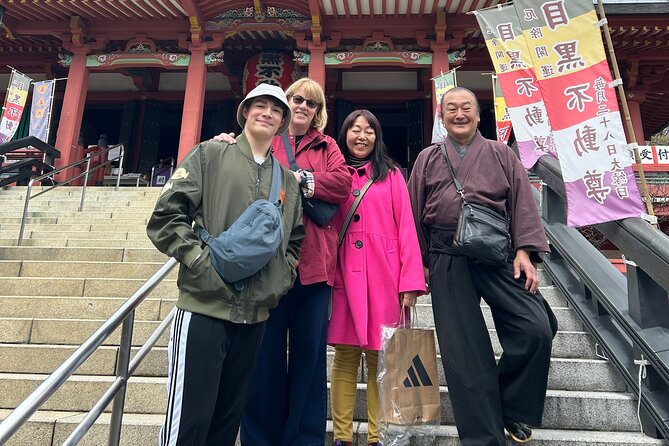
If you want to add a little walking, you can also take a walk to a nearby temple called Meguro Fudoson temple. The route is described as a walk through a small path. This is not sold as a long sightseeing day, but as a gentle add-on if you’d like more atmosphere right after the sword practice.
For me, this pairing makes sense. You learn traditional martial form in a garden space, then you see nearby religious architecture in the same neighborhood context. It helps the lesson feel grounded in real places, not staged locations.






Optional Matcha Tea Ceremony: Why It Fits the Sword Lesson
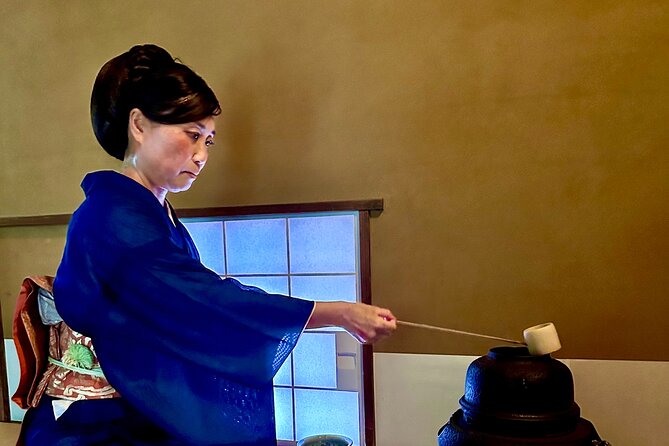
One of the instructors can also show you how to serve one cup of matcha, powdered green tea. You can experience the taste of matcha in a tatami room, and the guide explains the connection between Bushido, the way of the Samurai, and tea ceremony.
This part is easy to skip if you only care about sword technique. But if you like cultural context, it’s a smart addition. Tea ceremony is about attention, restraint, and timing. Those themes match sword arts more than you’d expect, especially when you’re learning that precision is the whole point.
The practical takeaway for you is simple: you learn to serve matcha, then you hear how the mindset behind Bushido connects to ritual and discipline. It turns the session from pure physical training into a more rounded cultural experience, without dragging in extra lectures.
If you do choose matcha, plan to slow down after the cutting practice. Your body is warmed up and focused from sword drills. Tea service gives you a natural wind-down, and it also gives your brain a chance to process what you practiced.
Price and Value: Is $474.72 Worth It?
At $474.72 per person, this is not a budget activity. But it is priced like a private lesson with specialized instruction, a structured practice setup, and a full experience that runs about 2 hours 30 minutes.
Here’s how I judge the value. You’re paying for three things that are hard to replicate on your own:
1) instruction rooted in Tamiya-ryu Iaido tradition,
2) safe practice with the proper training setup (including the urethane rod approach),
3) a private format that gives you time to ask questions and adjust.
Also, you’re not just getting a one-time demo. You’re learning basic technique and practicing Kesagiri, then you get garden photos and an optional matcha component. If tea ceremony interests you, that adds more experience content without turning the lesson into a tour bus shuffle.
You can also check whether your travel group can benefit from group discounts. The experience lists group discounts as a feature, so if you’re traveling with friends who want the same session, it may be a smarter way to spread the cost.
One more planning note: it’s listed as something people often book about 27 days in advance on average. If you have a specific day or time preference, I’d book early rather than hoping you can just walk in.
Who This Samurai Sword Experience Is Best For
This fits best if you fall into one of these categories:
- You want hands-on practice, not a museum-style explanation.
- You like structured cultural training with clear technique goals, like Kesagiri at a 45-degree diagonal.
- You want a private session where you can ask questions without feeling rushed.
- You’re curious about how Bushido connects to other rituals, like matcha tea service.
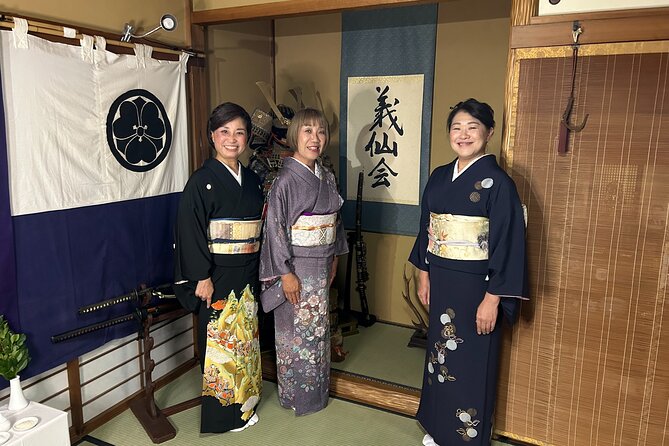
It’s also a good pick if you’re the type who values calm settings. The master’s garden, the temple bell scenery, and the optional neighborhood walk all help the experience feel intentional.
It may not be ideal if you want a long sightseeing itinerary or if you dislike anything physical. You’re not doing Olympic athletics, but you do need moderate fitness and good comfort with instruction that includes movement.
Quick Practical Tips Before You Go
Bring clothing you can move in. You’re practicing cutting forms and doing standing motions, so restrictive outfits can make it harder to learn. Comfortable shoes help too, especially if you choose the optional walk.
If you’re planning on matcha, it’s smart to pace your day. After sword practice, give yourself a little time to settle before the tea portion.
Finally, if you’re traveling in Tokyo by train, this is convenient because it’s near public transportation. You’re not stuck in a remote area with a complicated last mile.
Should You Book This Samurai Sword Experience?
If you want a private, hands-on Tokyo activity that goes beyond watching, I think this is a strong yes. The combination of safe training methods, a defined technique goal like Kesagiri, and the chance to ask questions privately makes it feel like real instruction, not entertainment.
If you’re the type who hates active lessons or you’re booking during a period when weather can be unpredictable, you should consider your schedule buffer. The experience needs good weather, and it can be adjusted due to poor conditions.
For the right traveler, this is one of those rare cultural experiences where you leave with both a memory and a skill you can explain at dinner.
FAQ
How long is the Private Samurai Sword Experience?
The experience lasts about 2 hours 30 minutes.
Where do I meet, and where does it end?
You meet at Naka-meguro Sta. 3-chōme-4-1 Kamimeguro, Meguro City, Tokyo 153-0051, Japan. It ends back at the same meeting point.
Is this tour private?
Yes. It is a private tour, and only your group participates.
What techniques do you practice during the session?
You practice the basics of Samurai swordsmanship, including Battodo and Iaido, and you learn the Kesagiri cutting method.
What do you cut in the Kiritaiken session?
You cut an urethane rod using a Japanese Mozoto, rather than cutting tatami mat.
Do you use real samurai blades?
You train safely with antique blades under the master’s guidance, and during the cutting practice you use a replica blade.
Is there an optional matcha tea ceremony?
Yes. If you’re interested, an instructor can show you how to serve one cup of matcha, and you can taste it in a tatami room.
What happens if weather is bad?
If the experience is canceled due to poor weather, you will be offered a different date or a full refund.
What is the cancellation window for a full refund?
You can cancel up to 24 hours before the experience starts for a full refund.
More Private Tours in Tokyo


More Tour Reviews in Tokyo
Not for you? Here's more nearby things to do in Tokyo we have reviewed












Tokyo Samurai Experiences, side by side.
 ★ 4.6Samurai Ninja Museum Guided tour and ExperienceFrom $271,010 reviews
 ★ 5.0Samurai Sword & Archery Class from Samurai DescendantFrom $193603 reviews
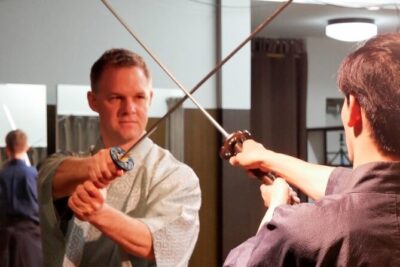 ★ 5.0Best Samurai Experience in TokyoFrom $65458 reviews
 ★ 5.0Ninja Experience (Family Friendly) at Samurai Ninja Museum TOKYOFrom $47441 reviews
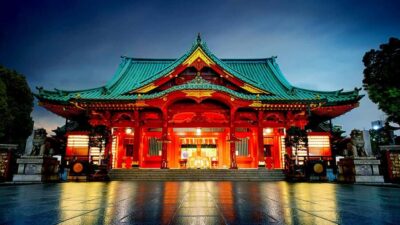 ★ 4.6Samurai Entertainment Night Show in Kanda ShrineFrom $41417 reviews
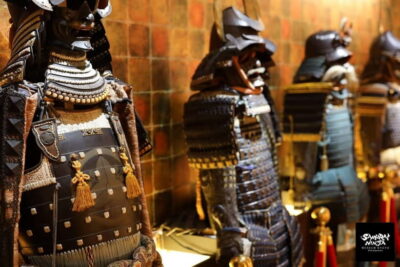 ★ 4.8Samurai Ninja Museum Asakusa: Samurai Sword Lesson & TourFrom $63306 reviews
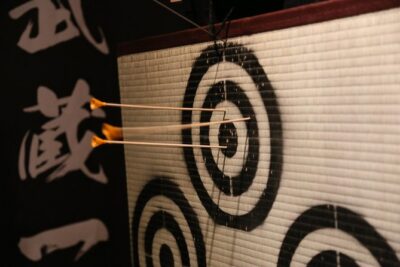 ★ 5.0Ninja Samurai 2-hour hands-on lesson by Japanese master in TokyoFrom $86194 reviews
 ★ 5.0Samurai Sword Experience (Family Friendly)at SAMURAI MUSEUM TOKYOFrom $65168 reviews
This tour also belongs to