
Review · HAKONE DAY TRIPS
Hakone: Traverse the Hakone Caldera and Enjoy Onsen
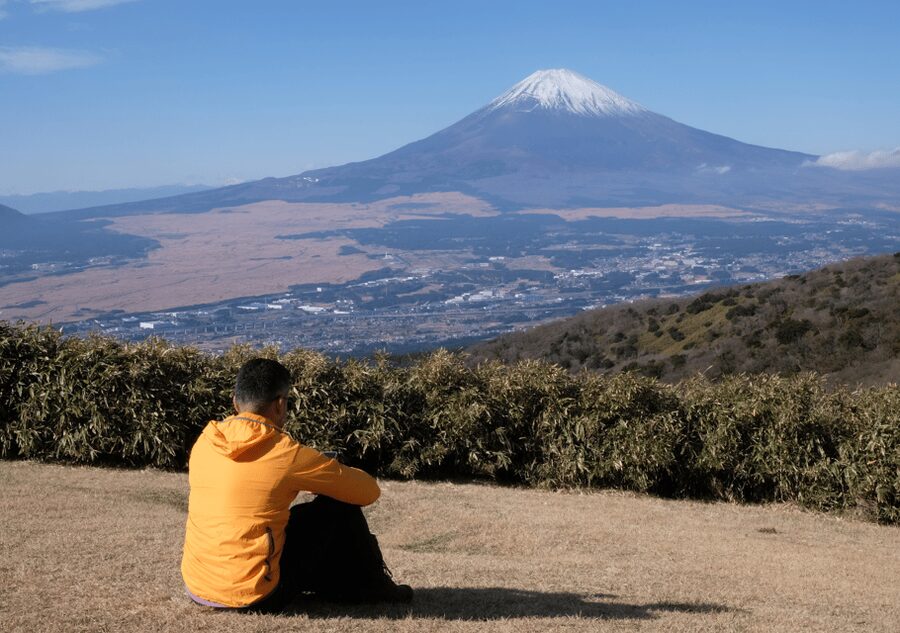
Hakone is best experienced on foot. This half-day style caldera traverse mixes ridge walking with volcanic Hakone sights and a satisfying onsen finish, so your legs earn the soak. Two things I like a lot are the small-group pace and the way the route is planned around the big viewpoints. One thing to consider: this is real hiking, about 8-9 km with a 400 m climb, so you need fitness and steady shoes.
You start at Hakone-Yumoto Station, ride out to the trail, then work your way up, across, and back down with lunch built in. If weather is kind, you can catch Mt Fuji from the ridge walk more than once, but even when Fuji is hidden you still get views of Hakone town and the caldera region.
Key points at a glance

- Small group of 6 means less crowding and a smoother pace on narrow sections
- Certified mountain guide with wilderness advanced first aid keeps the day grounded and safe
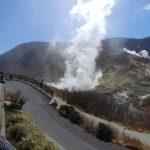
- Volcanic caldera ridgeline walking around Hakone’s geothermal zone, with Owakudani views
- Mt Fuji only if weather allows, but the ridge still delivers wide panoramas
- Onsen after lunch turns a tough hike into a classic Japanese recovery ritual
A Volcanic Ridge Hike With Mt Fuji Views When the Sky Cooperates
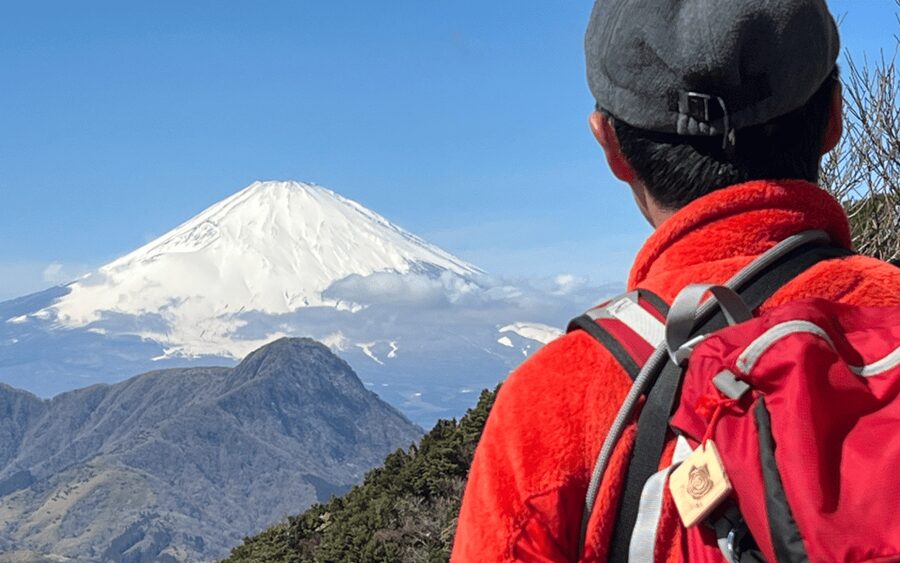
This isn’t the sort of Hakone day where you hop between stops and keep checking your watch. You’re on a mountain traverse, moving through changing views in a single arc, the outer rim of the Hakone caldera. The payoff is panoramic. On a clear day, Mt Fuji shows up from the ridge, and the timing is built around when visibility tends to be best along that high walk.
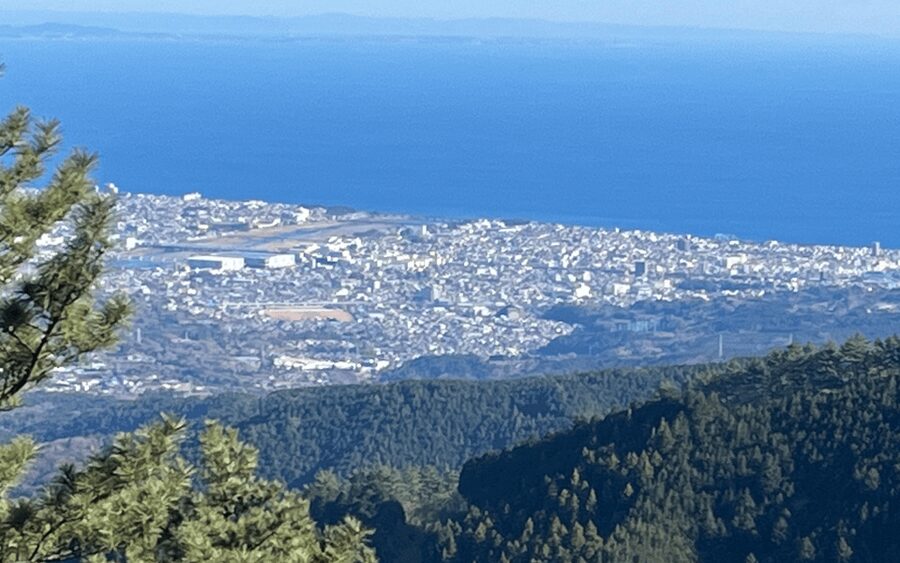
Even if Fuji hides behind clouds, the ridge route still makes sense because it’s not just about one mountain. You’re looking out over the Hakone area, with glimpses of the Pacific Ocean, Hakone mountains, and key caldera landmarks like Owakudani and Sengokuhara along the way. In other words, the day keeps its value even when the weather refuses to cooperate.
And then there’s the onsen. Hakone’s hot springs are a big reason people come here, but this tour adds the Japanese hiking rhythm: exert, refuel with a real meal, then soak away the fatigue after you’ve earned it.
More Tokyo tours and experiences for the shortlist

Getting Started at Hakone-Yumoto Station, Then Riding to the Trail
The meeting point is simple: Hakone-Yumoto Station at 8:45am, and the guide is at the ticket gate. If you’re already staying nearby the night before, the operator may suggest a nearer meeting point closer to the trailhead, but you have to ask.
After you meet, you’ll take a short ride to the start of the hike. The tour info calls out transportation as separate, with a bus cost around 1000 JPY. So mentally budget for that, even if the rest of the experience is prepaid.
Why this matters: getting out early reduces the chance you spend your morning stuck in crowds. The route is designed for walking, not for waiting. Based on what people have described about the day, part of the appeal is that it feels calmer than the main Hakone chokepoints.
The Hike: 8-9 km, 400 m Up, and a Ridge Walk Built for Panoramas
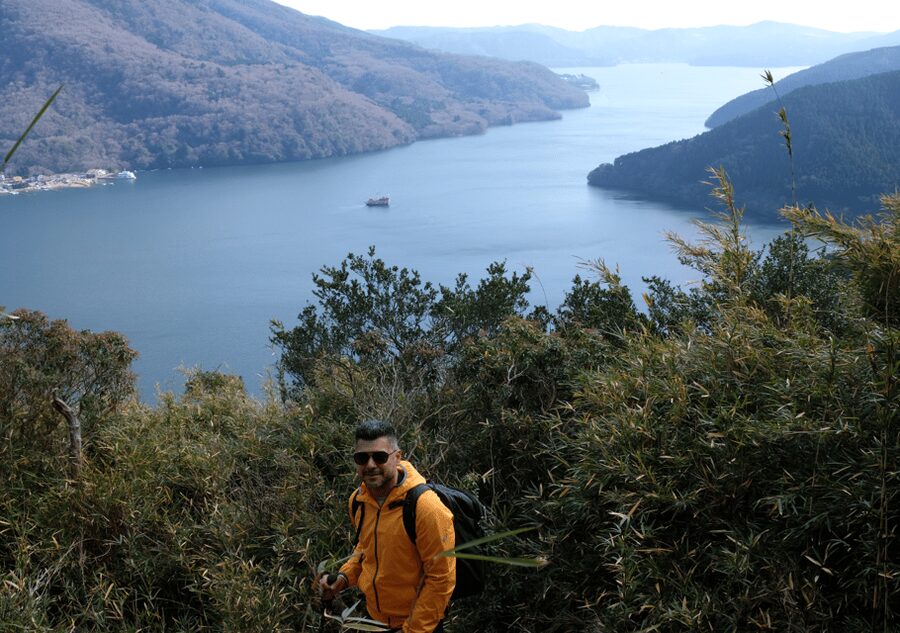
This is a 4-5 hour hiking block within a 7-hour day. Total distance is around 8-9 km, and the hardest single push is the ascent that gains about 400 meters over 90 minutes. That climb is the part where steady effort matters more than speed.
On the trail you’ll do more than just walk forward. There are photo stops and scenic pauses, and you’ll get snacks and drinks on top, which helps because hiking hunger hits fast.
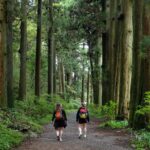
Then you reach the mountain ridge for the part most people remember: a 3-hour ridge walk. This is where the caldera view opens up, where you can look across Hakone’s volcanic terrain and, on clear days, spot Mt Fuji while you’re still moving along the high path. The ridge walk also matches the tone of Hakone, quiet and observant. You’ll go through a bamboo field where you can hear birds singing, and the vegetation shifts with the season.
- Spring can mean sakura along the way
- Autumn can bring red leaves
- Deep winter can put you stepping on powdered snow
Finally, you descend for about 30 minutes to reach Togendai. From there, you’re back on the day’s closing track toward returning to Hakone-Yumoto Station.
One consideration: you really do need to be fit enough for a sustained hike. The route is not a casual stroll, and the guide will adjust the difficulty based on how you normally hike, but the basic terrain is still mountain terrain.
Owakudani, Sengokuhara, and the Volcanic Story Behind the Views

Hakone’s caldera is active in the way you can feel, not just read about. This route uses the ridge line to help you understand what’s happening underneath. When you’re walking the outer rim, the volcanic activity makes more sense because you’re seeing the terrain in the same direction the geothermal forces shaped it.
You’ll also get visual context for major Hakone areas:
- Owakudani, famous in Hakone for volcanic activity
- Sengokuhara, known for its open views and geothermal surroundings
- Pacific Ocean hints from higher elevations
- Hakone mountains and the surrounding valley systems
This is the kind of tour where guidance makes your eyes work better. Even if you’ve seen photos of Owakudani before, standing farther back and then walking across the ridge gives you scale. You start to connect the features, so the views feel less like random scenery and more like a coherent place.
Lunch in Hakone, Then the Onsen Recovery Ritual

Plan on a proper break mid-tour. Lunch is arranged at a local Japanese restaurant (lunch is not included in the tour price), and you’ll have about 1 hour for the meal. Since you’re burning energy on the ridge climb and the early walking stretches, this matters. You’re not stuck eating something quick while you’re still cold, tired, and hungry.
After lunch, you head to an onsen to relax your muscles. The tour is very explicitly about this Japanese hiking ritual. So instead of thinking of the onsen as an add-on, think of it as part of the reason the day works.
Hakone is famous for onsen quality, and this is one of those tours where you’re led to the kind of soak you’d want after hiking. People have talked about the onsen as a strong finish, especially after a weather-clear day with good views. And honestly, even if you didn’t get Fuji, warm water does not care about clouds.

Tattoos and onsen rules
Most onsen used on this kind of day do not allow visible tattoos. The tour info says prior customers could enter if they cover tattoos with powdered sheets, which can be bought online. If that applies to you, reach out so the guide can help you figure out what will work.
The Weather Factor: What Fuji Luck Really Changes

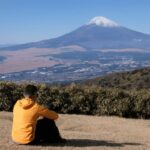
Mt Fuji is the headline, but you shouldn’t plan your entire emotional outcome on it. The tour notes say you can see Mt Fuji most of the time while you’re on the ridge walk if weather is good. If it’s hiding behind clouds, you’ll still have a view of Hakone town from the ridge area.
The practical takeaway: treat Fuji as a bonus. The ridge walk has enough value on its own because it’s built around multiple viewpoints and volcanic context. That way, you’re not disappointed if the sky is moody.
Also, the operator reserves the right to use a different onsen at the end depending on conditions for seeing Mt Fuji. That tells you they’re managing the day around real-world visibility, not just a fixed script.
Your Guide and the Small-Group Advantage

This tour is led by Akihiro Wada, the owner and chief guide of Coconuts Hike Japan. The guiding style matters here because a ridge walk is easier when someone helps you pace the group and points out what you’re actually looking at.
People have highlighted a few qualities repeatedly: friendly, funny energy, strong local context, and the ability to adapt if plans need to change. One review described a last-minute pivot due to personal injury for a different hike, with the guide adjusting flexibly. Another set of comments emphasized avoiding crowds and long queues, which matches the small-group approach.
The group size is limited to 6 participants. That’s not just a comfort perk. It helps on mountain routes where space matters. You’re more likely to hear instructions, move efficiently, and take photos without constantly waiting your turn.
Fitness, Footwear, and What to Pack for Bamboo, Snow, and Climbing
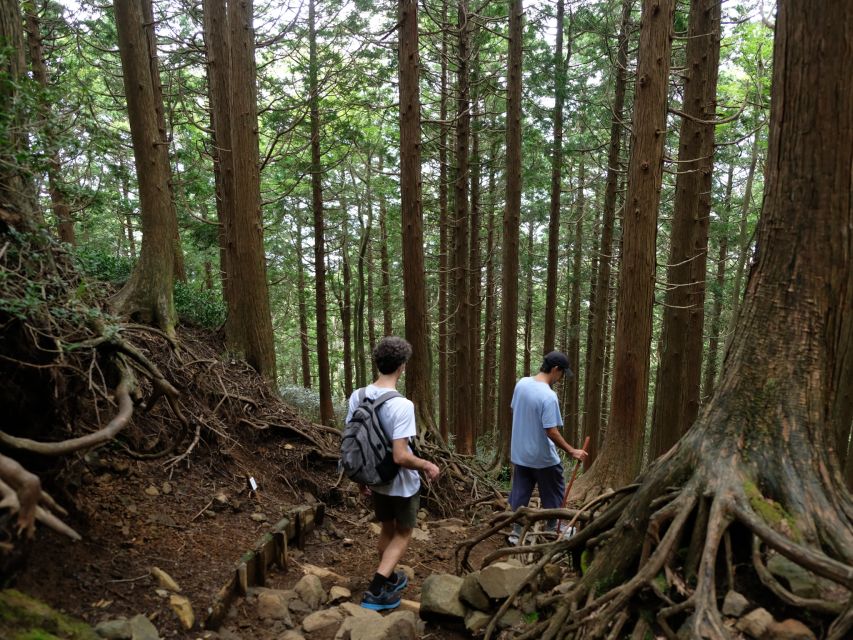
Because the day includes steep and uneven terrain, pack for your legs first and your camera second. Here’s what you’re told to bring:
- Hiking shoes
- Water
- Change of clothes
- Sunscreen
- Hat
I’d add one practical mindset: if you’re deciding between shoes that look good and shoes that stay stable, choose stable. Ridge terrain can be slick in winter, and the tour info mentions powdered snow in deep winter. You want traction and a secure fit.
Also, plan to dress in layers. Even in a region known for comfortable conditions at lower elevations, temperatures along a ridge hike can feel different.
One more note: the tour is for people who are fit enough to complete a traverse course, and the difficulty depends on how often you normally hike. If you usually do short walks, be honest with yourself. This is a day where you want endurance, not courage.
Price and Value: What $154 Covers, What You’ll Pay On Top
The price is listed as $154 per person, and the value is not just the route. You’re paying for a nationally certified mountain guide with wilderness advanced first aid training. That kind of credential matters on steep terrain, especially when weather changes visibility and footing.
Included items that add real value:
- Snacks and drinks on the top of the mountain
- A guided experience with interpretive context for volcanic terrain
Not included, so you should budget:
- Lunch (arranged locally, about 1 hour)
- Onsen fee after the hike, about 1500 JPY
- Transportation to the trailhead by bus, about 1000 JPY
When you put it together, the core hike and guide service are priced fairly for Japan mountain guiding, especially with a small group limit. Just don’t treat the $154 as a perfectly all-in amount, because lunch and onsen are part of the day’s rhythm.
Should You Book This Hakone Caldera Traverse and Onsen Tour?
Book it if you want a Hakone day that feels like a journey, not a checklist. This is a good fit for you if:
- You like hiking and can handle 8-9 km with a 400 m climb
- You want Mt Fuji odds without pretending the sky always cooperates
- You value a guide who can explain what you’re seeing and keep the group moving
- You want an ending that makes sense, the onsen soak after lunch
Skip or consider a lighter option if you’re not confident with steep, sustained walking, or if your hiking routine is mostly flat and short. Also, if you have visible tattoos and don’t want to manage coverage rules, the onsen policy could be a dealbreaker.
If you’re on the fence, here’s the decision shortcut I’d use: if the idea of walking a ridge with volcanic views and then soaking in Hakone hot water sounds like your kind of day, this is a strong match.
FAQ
Where is the meeting point for this tour?
You meet at the ticket gate of Hakone-Yumoto Station at 8:45am.
How long is the tour?
The tour duration is 7 hours.
How much hiking is involved?
You’ll hike about 4-5 hours, totaling around 8-9 km.
How hard is the climb?
There is a 90-minute ascent to the mountain top with about 400 meters of elevation gain.
What is included in the tour price?
A nationally certified mountain guide with wilderness advanced first aid training, plus snacks and drinks on top of the mountain. Lunch and onsen fees are not included.
Is lunch included?
Lunch is arranged at a local Japanese restaurant and you get about 1 hour for it, but lunch is not included in the tour price.
What about the onsen after the hike?
You will visit an onsen after lunch. The onsen fee is about 1500 JPY and is not included.
How do you get to the trailhead?
You travel to the trailhead by bus, and the transportation cost is not included in the tour price (about 1000 JPY).
Can I see Mt Fuji?
Mt Fuji is visible if the weather permits, especially from the ridge walk. If it’s cloudy, you will still have views of Hakone town.
Are tattoos allowed?
Visible tattoos are not allowed at most onsen used. The tour information says you may be able to cover tattoos with powdered sheets, which can be bought online, and you can ask the operator for help.
More Spa & Hot Springs in Hakone
More Tour Reviews in Hakone

Not for you? Here's more nearby things to do in Hakone we have reviewed
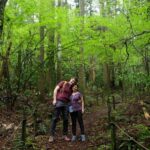
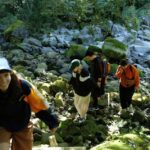
Hakone Day Trips, side by side.
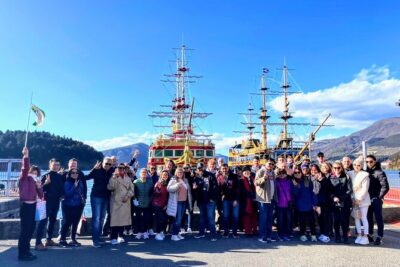 ★ 5.0Mt Fuji and Hakone 1-Day Bus Tour Return by Bullet TrainFrom $16326,383 reviews
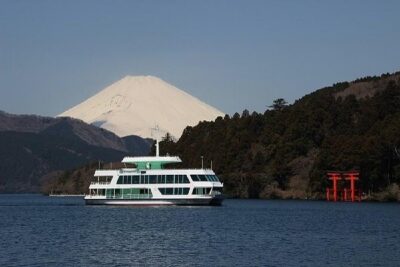 ★ 4.0Mt Fuji & Hakone Cruise, Drum Show Bullet Train 1 Day from TokyoFrom $1497,413 reviews
 ★ 4.4Tokyo Mt Fuji 5th St & Hakone Cruise Bus Tour w/Bullet TrainFrom $1545,024 reviews
 ★ 4.7Mt. Fuji Tour, Hakone Ropeway, Owakudani, Lake AshiFrom $544,002 reviews
 ★ 4.2Mt. Fuji 5th Station & Hakone Cruise 1-Day Bus TourFrom $1292,381 reviews
 ★ 5.0Private Tour to Mt. Fuji and Hakone (Fully Licenced Operator)From $4971,910 reviews
 ★ 4.0Mt Fuji & Hakone Cruise, Drum Show Bus 1 Day from TokyoFrom $1221,287 reviews
 ★ 4.2From Tokyo: Mt. Fuji & Hakone Tour w/ Return by Bullet TrainFrom $1171,278 reviews
This tour also belongs to