
Review · TOKYO CITY TOURS
Small-Group Architecture Tour in Ginza, Tokyo
Ginza looks different when you walk slowly. This small-group architecture tour in Tokyo’s Ginza lets you linger, stop for photos, and get explanations for what you’re seeing instead of racing past it. I like the way the route is built around details, from street-level design choices to the contrast between traditional and modern buildings.
You also get a guide who can read the buildings like a blueprint. In the groups led by Hal and Taka (Taka is a former urban planner and architect), the talk stays technical and grounded, with clear connections between eras, building choices, and Ginza’s evolution. One drawback to plan for, the walk calls for moderate fitness, and the experience depends on good weather.
Key things I’d prioritize
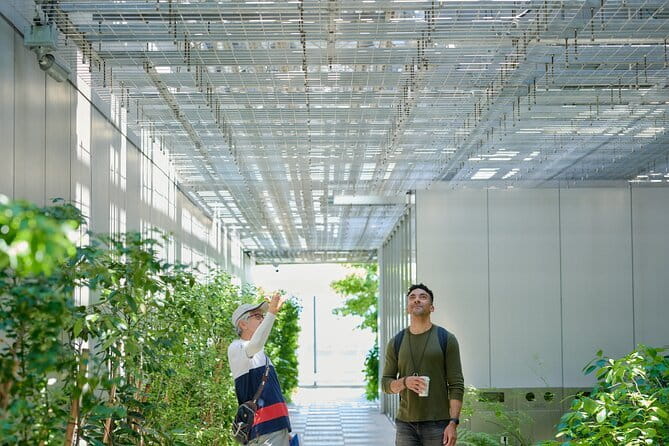
- Small group size (max 6), so you can actually ask questions instead of shouting over the crowd
- Regular photo stops on foot, not a drive-by version of Ginza
- Inside visits at multiple landmarks, with time built in to notice features
- Guides with real technical framing, including Hal and Taka
- A cozy drinks pause during the walk, so you do not power through on empty
Ginza Architecture, Read Like a Story, Not Like a Checklist
Most Ginza tours treat architecture like a backdrop. This one treats it like the main character. You start with the obvious shine, then you learn how the details came to be, from older influences tied to the Shogun era to how natural disasters shaped what got rebuilt and how.
What makes it work is the slow rhythm. You’re not just ticking off famous addresses. You’re looking at the choices, like how facades frame entrances, how public buildings organize space, and how commercial architecture borrows from (and rejects) older forms.
Another thing I appreciate is the guide’s attitude. You’re encouraged to ask for local architecture recommendations as you go. That matters because Ginza is full of eye-catching brands, but the best stuff is often in the side alleys and the less-hyped corners.
You can also read our reviews of more tours and experiences in Tokyo.



Small-Group Pace and Photo Stops You Can Actually Use
This is a 3.5-hour walk built for attention, not speed. The group size is capped at 6 travelers, which means the guide can keep track of everyone and still pause for questions. You also get frequent photo stops, so you’re not forced to snap one picture and sprint on.
The best part is that you’re on foot through Ginza, so the buildings change as you move. A facade that looks flat from across the street starts to make sense when you’re close enough to see how materials meet, where light hits, and how entrances funnel people.
One practical tip, wear shoes that can handle long, city-style walking. The tour is moderate fitness level, and even short stops add up when you’re moving at a steady pace for hours.
Getting Oriented: Tsukiji Start, Ginza Finish Near Mitsukoshi
You meet near Tsukiji Station, at the Tsukiji meeting place in Chuo City, specifically by 3-chōme and Exit 1. The end point is in Ginza 4-chōme, at the intersection in front of Mitsukoshi department store.
That start-to-finish layout is convenient. If you want to keep exploring after the tour, finishing near Mitsukoshi puts you right in the core of Ginza. You can pivot easily to shopping streets, dessert stops, or an evening plan without backtracking.
Also, you get a mobile ticket. That sounds small, but in Japan it reduces friction when you’re moving between transit points. You do not need to hunt for a paper voucher while you’re trying to meet the group.
Stop 1: Ginza Street Walk and Photo Time
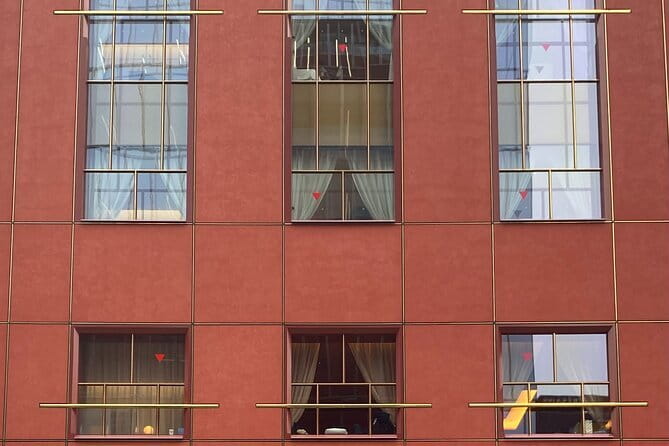
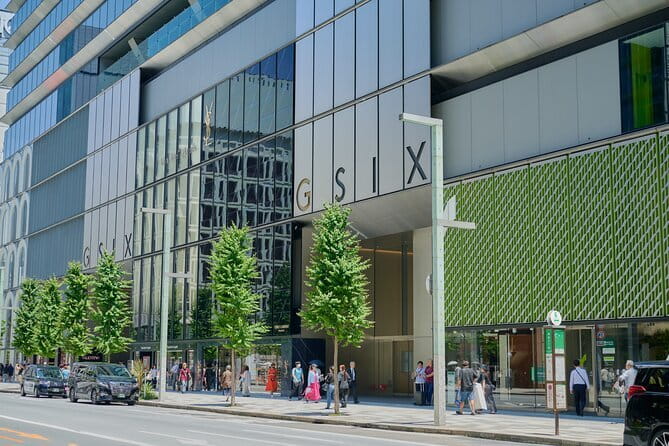
The opening segment is all about getting your architectural eyes tuned in. You spend about 40 minutes walking between sights, and that time sets the tone. The guide points out how Ginza blends commercial spectacle with serious design decisions, and you learn what to look for before the tour goes inside.
This is where the photo stops earn their keep. I like having time early, because it helps you avoid the classic problem of getting excited after the best angles are gone. Instead, you learn the patterns first, then you photograph with purpose.
Look around for contrasts: older-looking facades next to newer materials, entrances that feel designed for pedestrians, and signage that wraps buildings instead of sitting on top of them. Ginza looks uniform until you slow down enough to notice the differences.
Tsukiji Hongwanji Temple: Quiet Geometry on a Busy Street
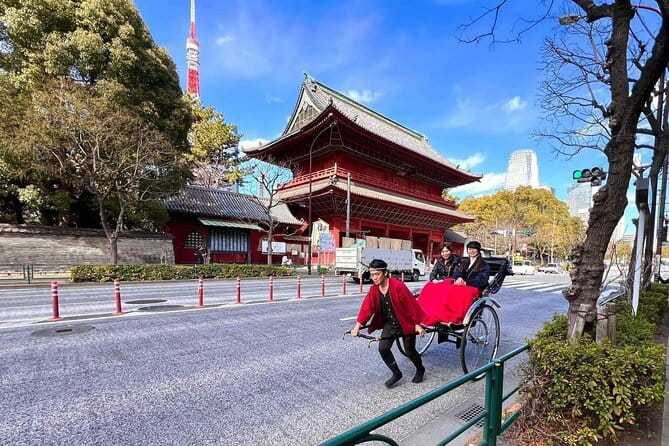
Next, you head to Tsukiji Hongwanji Temple, where you’ll spend about 10 minutes and go inside. This short stop is perfectly chosen. It gives your brain a reset from the sparkle of Ginza and lets you see how religious architecture reads differently from commercial design.
Inside, pay attention to the mood shift. Temples are designed for slowing down, and even a brief visit can change how you view the surrounding city blocks. The guide typically frames what makes the temple feel coherent, and why the layout and atmosphere matter in a dense urban area.
The practical win here is the mix. If you only do brand buildings, your photos start to look identical. Temple architecture adds texture and scale, and it changes what your eyes focus on.


Kabukiza Theater: Architecture Built for Performance
You then move to Kabukiza Theater for about 20 minutes, with time to go inside. Theater buildings are a special kind of architecture because they have to handle both public flow and a very specific purpose: people gathering to watch.
Inside, you get the chance to enjoy features rather than just spotting the exterior. You’re looking at how the building signals culture and drama through form, materials, and the way entrances and interiors guide movement.
Even if you are not a theater person, you’ll likely enjoy this stop because it shows architecture as a communication tool. The building is speaking to you before you ever sit down.
Nicolas G. Hayek Center: Modern Design That Feels Intentional
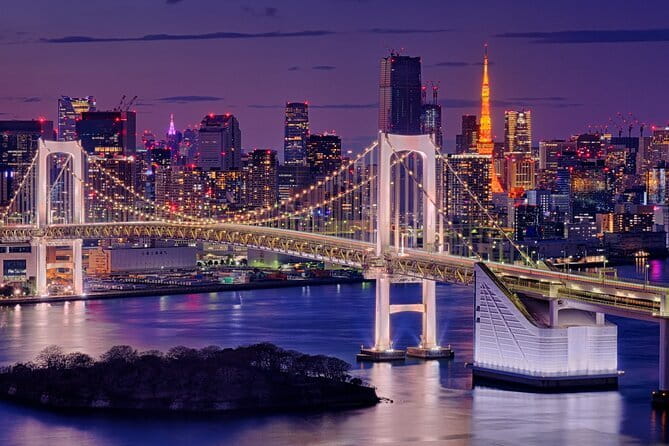
After that comes Nicolas G. Hayek Center, about 15 minutes, also inside. This is one of the places where you start seeing Ginza as a living design lab rather than just a shopping district.
What I like about stopping here is how it demonstrates modern architectural thinking through purpose. The guide’s technical explanations help you connect the dots between design and function. This is also a standout type of visit because it encourages you to notice details you would skip on a quick pass.
One of the strengths of guides like Hal and Taka is how they translate design choices into clear talking points. You’re not just told what something is, you get a sense of why it looks and works the way it does.
Toyoiwa Inari Shrine: A Short Stop With Real Contrast
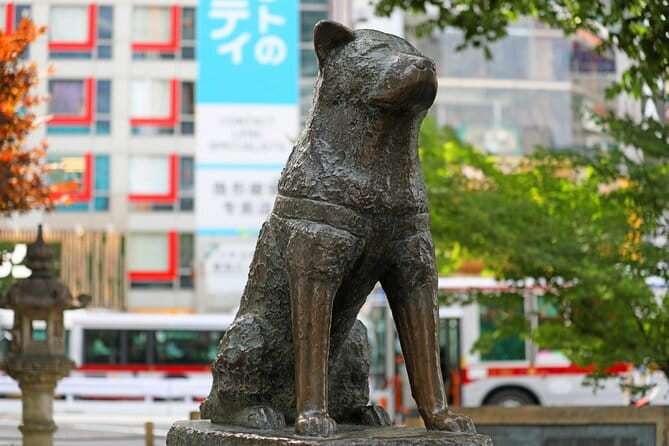
The tour includes Toyoiwa Inari Shrine for around 5 minutes, with time to go see its features. It’s quick, but it matters because it adds a spiritual counterpoint in the middle of Ginza’s commercial architecture.
Inari shrines are compact and visually distinct, so this stop acts like a visual palate cleanser. You’ll likely notice how a shrine’s placement and form work at human scale, then you step back into the logic of large buildings and storefronts.
The drawback is that it is brief. If you want a longer shrine visit, you may want to return on your own after the tour. Still, as a contrast stop, this works well.
Luxury Interiors in Ginza: Hermes, Mikimoto, and Wako
Next you get a sequence that many people come to Ginza for in the first place: premium retail architecture. You’ll visit Ginza Maison Hermes Le Forum for about 15 minutes inside. Then there’s Mikimoto Boutique Ginza 2chōme, about 5 minutes if there’s time, also inside. After that you view UNIQLO Tokyo from outside for about 10 minutes, and Mikimoto Ginza 4chōme Honten and Wako Ginza from outside.
This is a smart mix of inside and outside viewing. Luxury interiors can be photogenic, but the outside stops teach you a different skill: reading how brands shape public space without needing to step inside.
Here’s what I’d watch for during these segments:
- How storefront architecture frames the street and controls where you naturally look
- How buildings guide foot traffic around entrances, windows, and transitions between indoor and outdoor space
- How the architecture of an iconic brand differs from the architecture around it
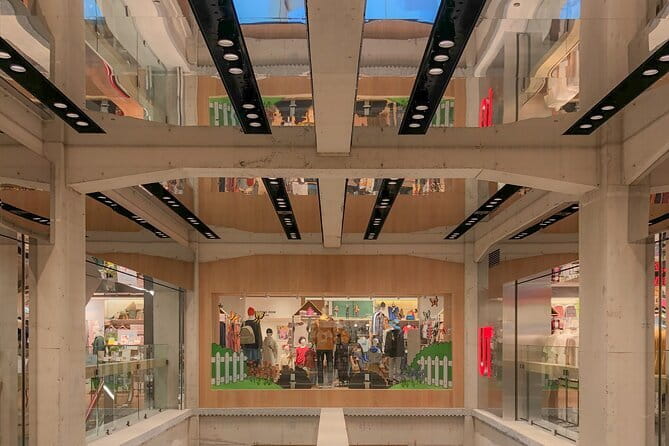
I also like that UNIQLO Tokyo is included as an outside view. It’s a nice reminder that Ginza is not only “high-end everywhere.” Different retail philosophies create different building experiences, even when you are standing in the same neighborhood.
And if you are the type who loves brand interiors, the tour can include standout moments in luxury spaces. One guide-led highlight mentioned in the experience set is an inside look at a Tiffany building during the Ginza luxury stretch, which tells me the guide may sometimes use the schedule to add a premium interior when timing allows.
Okuno Building Inside: Where It Feels Less Like a Mall, More Like Architecture
The tour ends with Okuno Building, about 10 minutes, with time to go inside. This is a great final stop because it shifts the focus back toward architecture itself.
When the tour reaches Ginza’s big names, it can start to feel like a theme park of storefronts. Okuno Building helps balance that. You get to see how a building can communicate character without relying only on flash or signage.
By this stage in the walk, you’ll also have a better sense of what to notice. Your brain will be primed to compare entrances, proportions, materials, and how people interact with the space.
Finishing at Ginza 4-chōme in front of Mitsukoshi department store also makes practical sense. You can head out in whatever direction fits your mood, and you are already in a central transit-friendly area.
What the Guide Explains About Shogun-Era Influence and Disaster Rebuilding
A big promise of this tour is the architectural context, specifically links between Shogun-era influences, natural disasters, and the styles that show up in Ginza.
You do not get a textbook lecture. You get explanations connected to what you’re seeing, which is exactly how this kind of info should be delivered on a walking tour. You’re learning why certain design choices exist, and why some patterns repeat even as buildings modernize.
Here’s the takeaway you can expect:
- Older planning ideas affect how spaces feel even when buildings get updated
- Disaster recovery shapes what gets rebuilt, and that includes materials, structure thinking, and building approaches you can sometimes recognize from the street
- The neighborhood’s evolution is written into facades, entrances, and how public space is treated
This is where having a technically minded guide pays off. In the Hal-led and Taka-led groups, the focus stays tied to how buildings work and why they look the way they do.
Cozy Drinks Pause: Small Break, Big Quality of Life
This tour includes a cozy pause with drinks along the way. That simple detail makes a difference on a half-day walk in a dense area like Ginza.
You’re going to stand, walk, and look closely at buildings. A break keeps your energy steady so you can actually enjoy the inside visits and not just endure them. It also gives you a chance to re-group with the guide for final questions before the next segment.
If you’re the type who gets cold easily or overheats in the sun, this pause is also your timing checkpoint. If you need water or a quick snack before the next stretch, you can handle it without breaking the tour flow.
Price and Value: How $84.70 Makes Sense for What You Get
At $84.70 per person, this is not a bargain-basement walk. But for Ginza, it can feel fair because the experience is built around:
- A small group size capped at 6
- Frequent on-foot photo stops
- A licensed guide
- Multiple inside visits at scheduled landmarks
- A drinks pause
- A route that runs about 3 hours 30 minutes
Also, the scheduled stops show free admission for each location listed. That means you are not paying separate entry fees during the walk for the included places.
So the value equation here is not only the price. It’s your time. You’re paying for direction, pacing, and interpretation. If you try to DIY it, you can certainly see the exteriors, but you’ll miss the why behind the designs, and you’ll likely spend more time figuring out where to go and what to notice.
Who This Tour Suits Best
This tour is a good fit if you like:
- Architecture details more than big photo backdrops
- Walking tours where you can ask questions
- A balance of traditional sites and modern city design
- Guides who can explain design choices clearly, like Hal and Taka
It’s less ideal if you want a long, relaxed cultural experience at one site. Most stops are short, and you are moving between several locations. You’ll enjoy it most if you like variety and you trust the guide’s pacing.
It also suits travelers who are comfortable with moderate walking. Since the tour is roughly half a day, you should plan for the rest of your day to be light and flexible.
Should You Book This Ginza Architecture Walk?
If you are planning a Ginza day and you want more than shopping and street photos, I’d book it. The mix of inside access, photo pauses, and design explanations makes this feel like a structured way to see Ginza as a real architectural neighborhood, not just a brand corridor.
Skip it only if you want a very slow pace, or if walking for about 3.5 hours with multiple stops sounds like too much. Also, factor in weather, since it requires good conditions.
If you book, wear comfortable shoes, keep your phone charged for the inside photo moments, and bring questions. The guide time is the payoff.
FAQ
How long is the Ginza small-group architecture tour?
It runs for about 3 hours 30 minutes.
What is the group size?
The tour has a maximum of 6 travelers.
How much does the tour cost?
The price is $84.70 per person.
Is hotel pickup included?
No, hotel pickup and drop-off are not included.
Where do I start the tour?
You start near Tsukiji Station, 3-chōme, by Exit 1.
Where does the tour finish?
You finish at Ginza 4-chōme intersection, in front of Mitsukoshi department store.
What ticket type do I receive?
You receive a mobile ticket.
Are there any admission fees for the stops?
The tour’s listed stops show free admission, and each stop is marked admission ticket free.
Does the tour include drinks?
Yes, there is a cozy pause with drinks along the way.
Is cancellation free?
Yes. You can cancel up to 24 hours in advance for a full refund.
More Tours in Tokyo


More Tour Reviews in Tokyo

Not for you? Here's more nearby things to do in Tokyo we have reviewed












Tokyo City Tours, side by side.
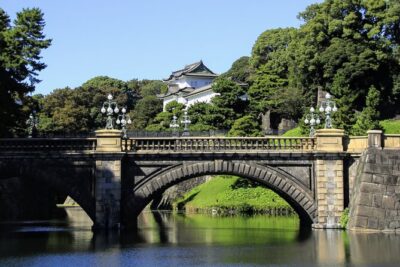 ★ 5.01-Day Tokyo Bus TourFrom $12914,250 reviews
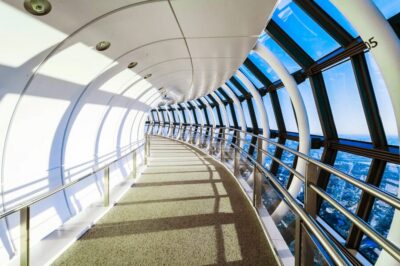 ★ 4.5TOKYO SKYTREE® Admission ticketFrom $1311,192 reviews
 ★ 4.6teamLab Planets TOKYO Digital Art Museum Entry TicketFrom $259,779 reviews
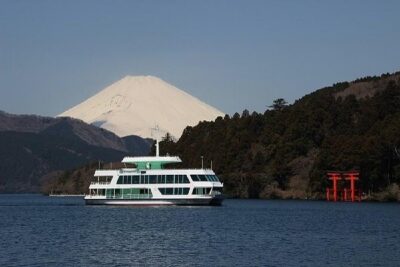 ★ 4.0Mt Fuji & Hakone Cruise, Drum Show Bullet Train 1 Day from TokyoFrom $1497,413 reviews
 ★ 5.0Shinjuku Food Tour (13 Dishes at 4 Local Eateries)From $866,603 reviews
 ★ 4.4Tokyo Mt Fuji 5th St & Hakone Cruise Bus Tour w/Bullet TrainFrom $1545,024 reviews
 ★ 5.0Flagship 2-Hours Official Street Go-Kart Tour – Tokyo Bay ShopFrom $644,974 reviews
 ★ 4.5From Tokyo: Mount Fuji Full-Day Sightseeing TripFrom $684,970 reviews