
Review · SHINJUKU TOURS
Tokyo After Dark Shinjuku Tour of Tradition and Pop Culture
Shinjuku after dark changes your pace. This 1.5 hour walking tour is a smart hit of old-school Tokyo plus modern neon, with stops that range from lantern-lit alleyways to a major entertainment district. I like that it mixes easy-to-see landmarks with the kind of details you usually miss when you wander solo, and I also really like that the tour includes a Purikura photo-sticker booth so you leave with a fun, Japan-only souvenir. One thing to consider: you are walking at night and meals are not included, so plan food before or after.
The pacing feels designed for real people, not marathon walkers. With a max group size of 12 and a local guide who helps with directions and photo moments, it makes Shinjuku feel less chaotic and more readable. You still get plenty of atmosphere, but you are not stuck guessing where to go next.
Key highlights you will actually care about
- Lantern-lit photos at Omoide Yokocho, the kind of back-alley Tokyo you only see after dark
- Golden Gai’s tiny-bar maze, packed with over 200 little places and their own identities
- A calm reset at Hanazono Shrine, tucked away from the neon noise
- Kabukicho plus Tokyu Kabukicho Tower, where themed izakaya energy meets modern city views
- Included Purikura photo stickers, a low-effort way to capture youth-culture style
- A short, guided route, built for first-timers who want structure without killing their feet
Shinjuku After Dark in 90 Minutes: a route that feels easy
This tour earns its place because it does what a good night plan should do. It gives you a clear sequence of neighborhoods, without trying to do everything in Tokyo. In about 1.5 hours, you go from post-war nightlife traditions to today’s neon entertainment scene, with a quiet spiritual pause in the middle.
The group size matters here. At up to 12 people, you are not constantly playing catch-up, and the guide can actually keep things moving. Also, the tour starts at Shinjuku Station East Exit Police Box and ends near Hanazono Shrine, which makes it simple to connect to dinner after.
And yes, it really does feel like an intro. One of the strongest themes from the feedback is that people find it easy and welcoming, with a guide who keeps the whole experience understandable and fun. If Shinjuku makes you nervous at night, this format helps.
You can also read our reviews of more tours and experiences in Tokyo.



Omoide Yokocho Lantern Alleys: nostalgia you can photograph fast
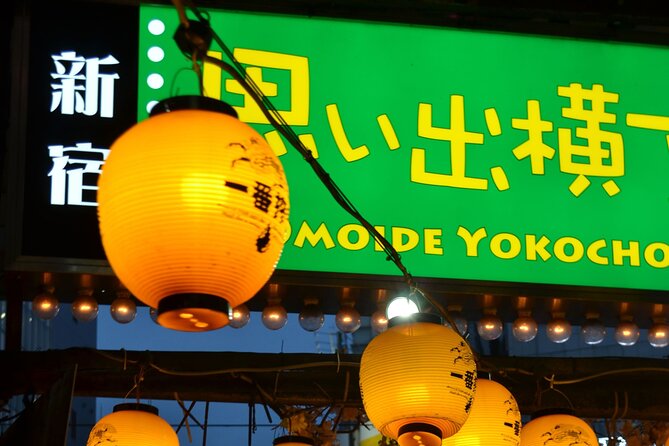
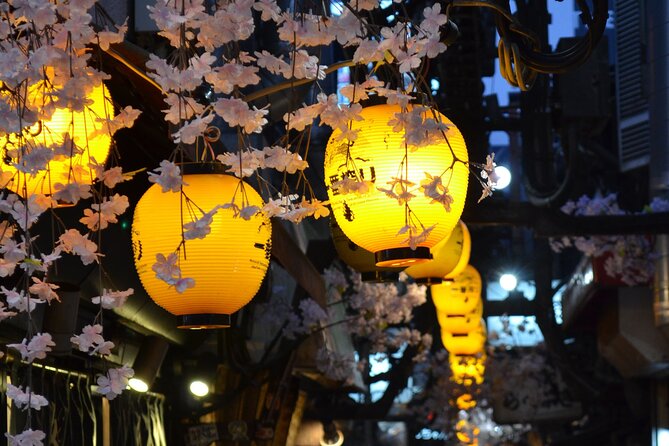
Omoide Yokocho is the kind of place that looks like it is meant for walking, not driving. The alleyways are lined with lantern-style lighting, creating that classic, low-ceiling, back-in-the-day Tokyo mood. It is also a strong starting point because it immediately frames what Shinjuku nightlife used to mean.
What I like about this stop is that it sets context, not just scenery. The tour ties Omoide Yokocho to post-war Tokyo and to nightlife traditions that grew in the area. That matters because it turns the alleys from a pretty photo backdrop into a living piece of the city’s story.
Practical note: this is an area where you will want your camera ready. The guide can help with photo placement in the alley, which is especially useful if you are not sure where the best angles are when everyone is moving around you. You get about 10 minutes here, so you will want to look, then shoot, then look again. Fast is fine. The atmosphere does most of the work for you.
Golden Gai’s Tiny Bars: stories inside a narrow maze
Next comes Golden Gai, and if you have ever seen pictures of Shinjuku’s tiny bar streets, this is the real deal. The tour moves you into a narrow web of alleys with over 200 tiny bars, each with its own vibe and identity.
This stop works because it forces you to slow down in the right way. You are not trying to cover the whole district. Instead, you see the shape of it, how the bars cluster, and why it feels so different from the big neon streets outside. It also helps that the guide can explain what you are looking at, so you are not standing there thinking, Is this just random doors and signs?
Time is short, around 10 minutes, so treat it like a taste. You are seeing the feel of the place more than trying to do a full bar-hop. If you are the kind of person who likes people-watching and atmosphere, Golden Gai is a highlight.
Hanazono Shrine: a quiet Shinto pause between neon and noise
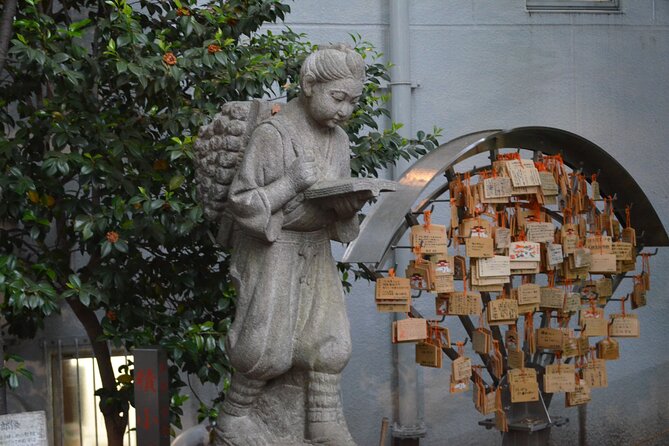
Then the tour changes gears in a way that feels oddly refreshing: a visit to Hanazono Shrine. This is a spiritual Shinto sanctuary that sits just steps away from the busiest parts of Shinjuku. In other words, it is a real contrast moment.
What makes this stop valuable is the rhythm. After neon streets and crowded alleyways, you get a calm reset. Even if you do not know a lot about Shinto, you can feel the shift in the pace. That contrast is one of the reasons this tour works as a night experience, not just a photo walk.
The tour time here is about 10 minutes, so it is enough to notice the atmosphere and take in the space, but not so long that you feel stuck. It also helps that the tour ends in the same general area, so you can keep your night going afterward without backtracking.
Kabukicho and Tokyu Kabukicho Tower: modern neon meets themed izakaya
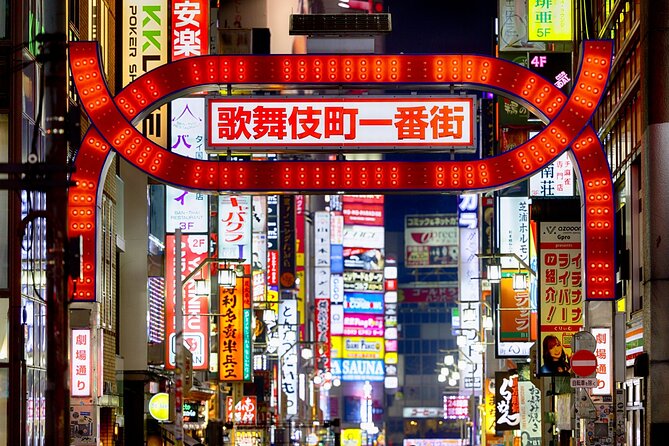
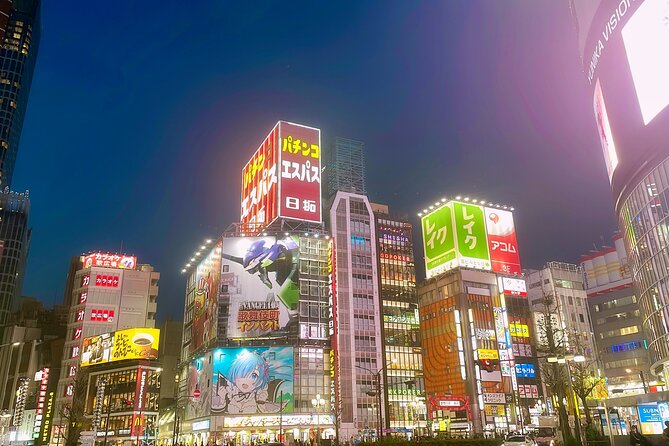
After the calm, you head back into the high-volume part of Shinjuku. Kabukicho is Japan’s best-known entertainment district, and the vibe is immediate: flashing signs, themed restaurants, and energy that keeps going late.
The tour includes a guided walk through Kabukicho, which is exactly how to do it. If you walk in on your own, it is easy to get turned around or distracted by the loudest storefronts. With a guide, you move through the district in a way that feels intentional.
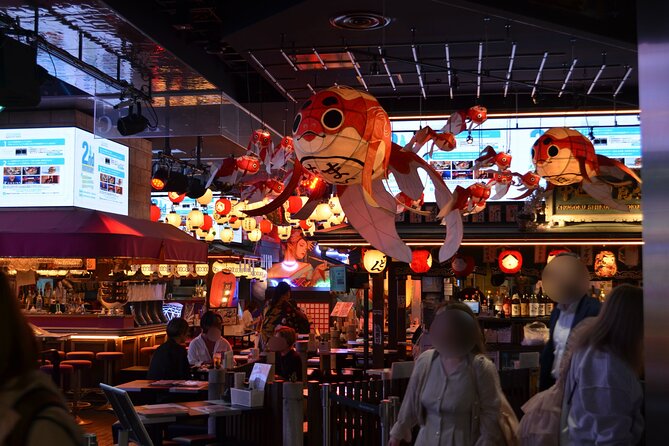
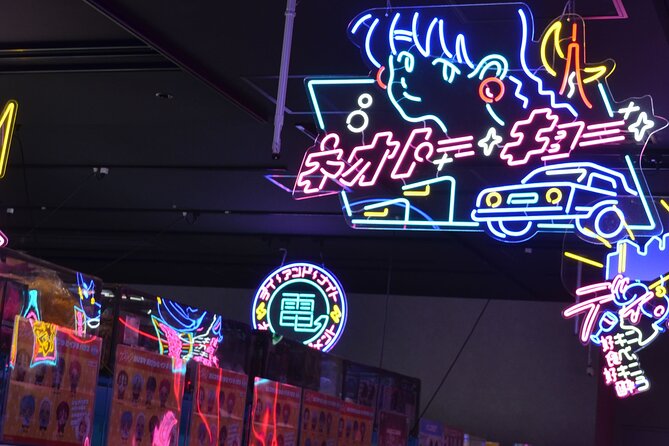
Then you step into Tokyu Kabukicho Tower, a modern entertainment complex built into the neighborhood’s nightlife scene. Here, you get the contrast of old-meets-new Tokyo in a single stop. The tower includes a nostalgic-style izakaya food court, and the idea is that you get both the themed dining energy and some better perspective on the area.
You also get a chance to consider the city as a whole. The tower is described as offering dazzling city views, so it is a good moment to lift your eyes up after spending most of the night at street level. Time here is around 20 minutes, which is a nice chunk for a transition stop.



Purikura included: a fun souvenir that feels like real Tokyo
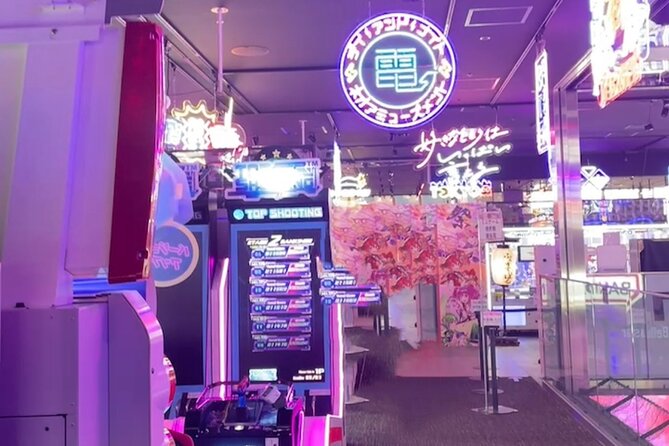
One of the best values on this tour is that Purikura is included. Purikura is a Japanese photo sticker booth experience, popular with local teens and young adults. In a city where you can easily spend money on generic “souvenir” stuff, this feels more like a cultural moment.
From a practical standpoint, it is also a great use of time in the middle of a night walking tour. It gives you an activity that is sheltered enough from the cold or crowds, and it breaks up the walking. You are not just viewing Tokyo, you are leaving with something you made.
You do not need to be a pro at Japanese to enjoy it. The key is that the tour covers the fee, so you are not scrambling for payment or figuring out how the booth works right at the end of a long night.
If you like photography, this is the part of the tour that most directly turns the theme into a physical memory. If you just want fun, it is still fun. And if you are traveling solo, it is a natural reset that does not require you to understand every sign in the street.
Price and value: what $31.87 buys you in Shinjuku
At $31.87 per person for a 1.5 hour guided experience, this is priced like a practical, time-saving night plan. The big value levers are:
- A local guide who keeps the route coherent and helps with directions and photo moments
- Purikura included, so you pay for an actual activity, not just walking by sights
- The sightseeing stops are marked as admission ticket free, including Omoide Yokocho, Golden Gai, and Hanazono Shrine, plus time at Tokyu Kabukicho Tower
Meals are not included, so you should budget dinner separately. But that is also common for walking tours. The format is designed to get you through a tight route and leave you ready to eat.
One more detail that affects value: this tour is usually booked well in advance, with an average booking lead time of 83 days. That suggests demand stays steady. If you are planning around a specific travel window, lock it in early rather than hoping a spot appears last minute.
Logistics that make the night easier, not harder
This tour is built for people who want to enjoy Shinjuku without doing a full-time research project. You get a mobile ticket, which cuts down on friction at check-in. It is also near public transportation, so you can connect quickly from wherever you are staying.
The meeting point is Shinjuku Station East Exit Police Box, and the tour ends in the area of Hanazono Shrine. That end point is useful. It puts you near dining options, so you can roll right into dinner while your group is fresh and your feet are not completely destroyed.
Also, it is a small group experience with a maximum of 12 travelers. In a place like Shinjuku, small-group pacing helps. The guide can keep people together and still stop long enough to look closely.
Who should book this Shinjuku after-dark tour
This tour makes the most sense if you are one of these types of travelers:
- You want a first Shinjuku night that is structured and low stress
- You like both culture and modern pop-energy, and you do not want to choose
- You want photo opportunities that feel specific to Tokyo, not generic street snaps
- You enjoy teen-culture style souvenirs and want Purikura without the hassle
If you are someone who likes long, self-guided wandering, you might find the 1.5 hour format a bit short. But for most people, the time is the point. It is a sampling plate that helps you decide what you want to explore later on your own.
Also, it is listed as suitable for most travelers, and service animals are allowed. If you have mobility concerns, you will still be walking, so it is worth thinking about your night pace. The stops are short, but you are in an active nightlife area.
Practical tips for a comfortable night walk in Shinjuku
Shinjuku night walking is fun, but your body still has opinions. Here are a few practical moves that keep things pleasant:
- Wear shoes you trust. You are spending your time on streets and in small areas, not on long park paths.
- Keep your camera ready for the alley lighting. Omoide Yokocho and Golden Gai are where the atmosphere looks best quickly.
- Plan dinner right after. Meals are not included, and the tour ends near Hanazono Shrine where you can grab food nearby.
- If you get cold, bring a layer. This is an after-dark experience, and nighttime temps can be a factor depending on season.
- Have patience at photo spots. These places are narrow and crowded, and the guide’s photo help is meant to make it easier, not to stop the world.
One last tip: Kabukicho can be a lot on first contact. If you feel overwhelmed, trust the sequence. The tour uses the shrine stop to reset your brain, so the neon energy feels more manageable afterward.
Should you book this tour?
Book it if you want a smart introduction to Shinjuku after dark that mixes tradition and pop culture in one evening. The included Purikura session alone is a strong reason, and the walk is short enough to keep your night flexible.
Skip it or consider alternatives if you are looking for a long, deep dive into nightlife. This is a guided sampling route, not a full bar-hop or late-night marathon. Also, if you cannot imagine eating separately, plan food timing ahead since meals are not included.
If your goal is simple, get your bearings fast, see the signature districts, and leave with a made-in-Japan souvenir, this tour is a solid choice.
FAQ
How long is the Shinjuku after-dark walking tour?
It is about 1 hour 30 minutes.
What is the price per person?
The price is $31.87 per person.
What is included in the tour price?
A local tour guide is included, and the tour includes the Purikura photo sticker booth experience fee.
Are meals included?
No, meals are not included.
Where does the tour start?
The tour starts at Shinjuku Station East Exit Police Box (3-chōme-38-1 Shinjuku, Shinjuku City, Tokyo 160-0022, Japan).
Where does the tour end?
The tour ends at Hanazono Shrine (5-chōme-17-3 Shinjuku, Shinjuku City, Tokyo 160-0022, Japan), in an area with dining options nearby.
Is the tour admission free at the main stops?
The itinerary marks admissions for the listed sightseeing stops as free.
Is a mobile ticket used?
Yes, it uses a mobile ticket.
How big is the group?
The tour has a maximum of 12 travelers.
What is the cancellation policy?
Free cancellation is available up to 24 hours in advance for a full refund. If you cancel less than 24 hours before the start time, the amount paid is not refunded.
More Tours in Tokyo

More Tour Reviews in Tokyo
Not for you? Here's more nearby things to do in Tokyo we have reviewed












Shinjuku Tours, side by side.
 ★ 5.0Shinjuku Food Tour (13 Dishes at 4 Local Eateries)From $866,603 reviews
 ★ 5.0Tokyo Bar Hopping Tour in Shinjuku (All-You-Can-Drink + Dinner)From $1063,587 reviews
 ★ 4.9Shinjuku Food Tour (15 Dishes and 4 Eateries)From $852,033 reviews
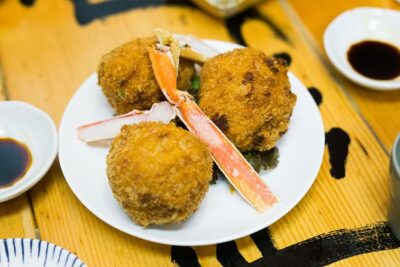 ★ 5.0Best of Shinjuku: Izakaya Food Tour (4 Stops, 14+ Tastings)From $921,863 reviews
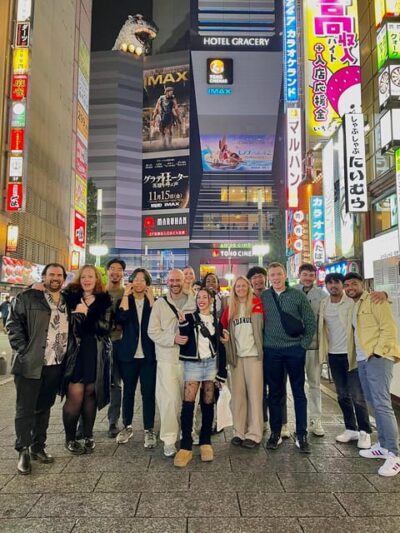 ★ 4.9Shinjuku Local Bar and Izakaya Guided Walking TourFrom $341,794 reviews
 ★ 5.0Tokyo Shinjuku Chopsticks Making ClassFrom $201,763 reviews
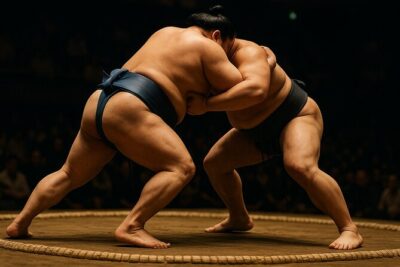 ★ 5.0Tokyo Shinjuku Sumo Show & Experience with PhotoFrom $791,750 reviews
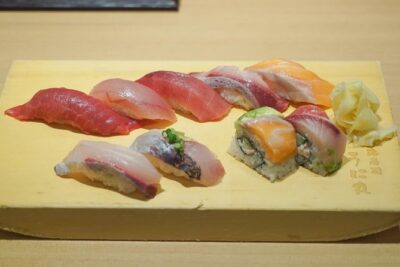 ★ 5.0Tokyo Night Foodie Tour in Shinjuku – Seasonal Sushi, Wagyu BeefFrom $1111,161 reviews
This tour also belongs to