
Review · ASAKUSA TOURS
Tokyo Asakusa Rickshaw Tour
Pedaling through old Asakusa feels like time travel. This rickshaw tour turns Tokyo into something slow and personal, rolling you past shrines, gardens, and Edo-era streets at a pace that makes the neighborhood feel human. I love how the route is customizable, so you can steer toward the spots that matter most to you, whether that is temple detail, river views, or quirky side streets.
What I like most is the way the guide connects visual stops to everyday meaning, like Shinto and Buddhism living side by side, plus the practical photo angles along the way. I also like the comfort touches, from warm gear reports in chilly weather to the simple fact that you are not doing all the legwork like a standard walking tour.
The main drawback to consider is fit and motion: rickshaws are narrow, there is a max of two adults per rickshaw, and you may need an extra rickshaw if you do not both fit comfortably.
Key highlights I’d plan around
A customizable route in Asakusa, not a fixed checklist.
Rickshaw time that still includes major sights and short shrine visits.
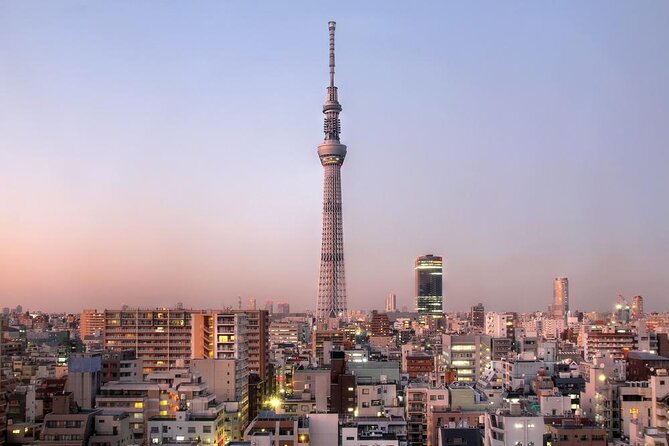
Iconic photo moments, including a Tokyo Skytree view across the river.
Edo-era street details like historic facades, plus a raccoon-themed street.
Garden and shrine oddities, from the Lucky Fortune Cow Shrine to radish lantern stories.
Real small-group energy with guides who can explain what you are seeing.
Asakusa by rickshaw: what the ride time really buys you
This experience runs from about 30 minutes to up to 3 hours, depending on the option you choose. For me, the value is that you get a guided overview without turning the day into a sprint. In a place like Asakusa, where you can easily burn time wandering, this “pedal-led” format gives you structure while still letting you choose what to emphasize.
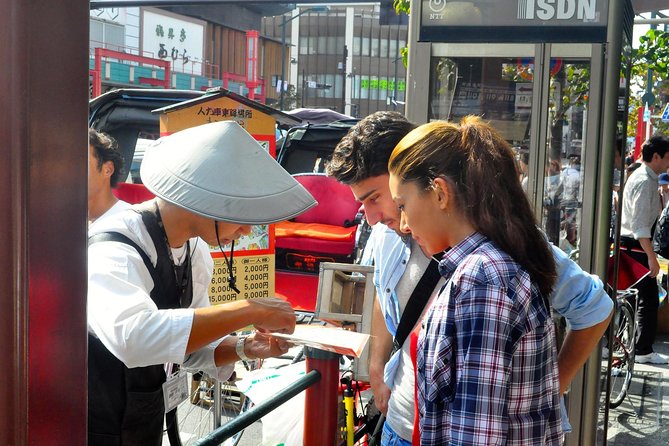
You can tell your guide what you care about at the start. That matters because Asakusa is not one type of place. It is traditional temple streets and religious landmarks, but it is also retro entertainment areas, pop-culture sightings, and practical local scenes around everyday businesses.
This is also a private tour/activity, so it is your group only. That usually means fewer compromises and more room to ask questions when you stop.
You can also read our reviews of more tours and experiences in Tokyo.



Meeting at Asakusa Station and setting your finish point
Plan to make your own way to the meetup spot near Asakusa Station. You start at 1-chōme-1-4 Asakusa, Taito City, and you end at a nearby point on Kan’non-dōri1-chōme-2-11 Asakusa. Your finish location can be decided on the day with your guide, which is handy if you want to link the tour to Sensoji area streets, the river walk, or another plan.
If you are mapping your day, keep it flexible. The tour length can vary by option, and the exact stops depend on the route the guide builds for you. The good news is that the neighborhood layout is walkable and easy to connect back into once you get dropped off.
One more practical point: rickshaw ride rules around temple buildings can affect how much you see while seated. You should be ready for short walking segments.
Rickshaw comfort and fit: narrow seats, warm touches, real motion
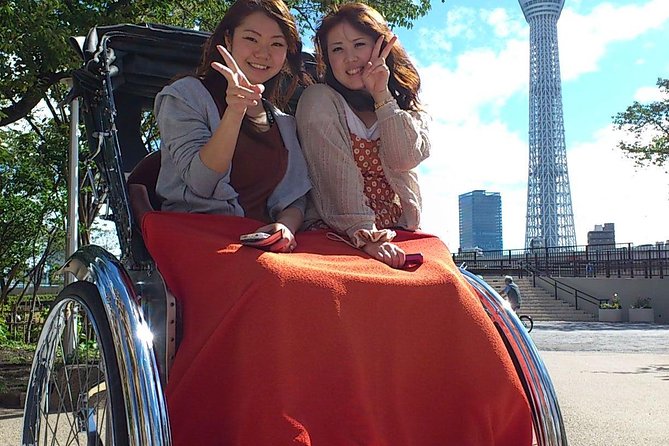
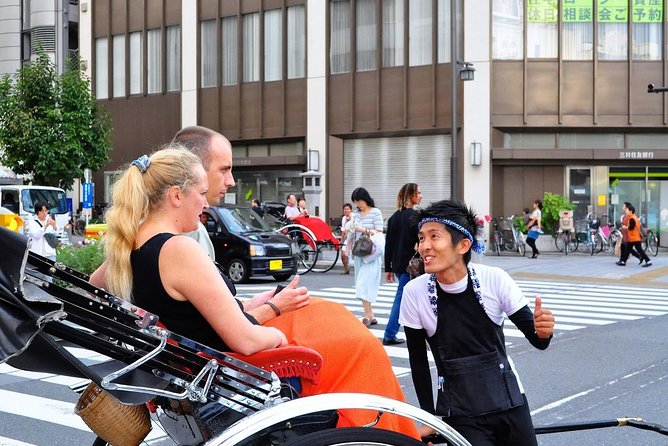
Riding in a rickshaw is a lot more comfortable than it sounds, but it is still a small vehicle. There can be a maximum of two adults per rickshaw. The rickshaw is 29.1 inches wide (74 centimeters), and that width can feel snug if two people do not naturally fit well together.
If you want the most comfortable ride, I suggest booking individual rickshaws for each participant, especially if you are bigger in size. The operator notes that if two passengers do not both fit and you want to ride at the same time, you may need an additional rickshaw, which may not be available unless you booked early.
Comfort details from past rides include warm gear such as seatwarmers and rugs, and there is even mention of staying dry in rain. So even if the weather is not perfect, this tour is built to handle real-world Tokyo conditions. Still, the experience does require good weather, so if it is canceled due to poor weather, you will be offered a different date or a full refund.
Ushijima, Sensoji area rules, Honryuin, and Imado shrine stories
One reason this tour works so well is that it covers both Shinto and Buddhist sites, and the guide uses those differences to explain the living culture of the area. You will stop at several shrines and temples, each with time to look closely and take photos.
Ushijima Shrine: the three-entrance gate detail
Ushijima Shrine is a Shinto shrine stop, typically around 15 minutes. A standout detail here is the gate with three entrances instead of the standard one entrance. It is the kind of small architectural difference that you might miss if you were just walking past, so a guide makes this far more interesting than a casual temple glance.



Sensoji Temple and Asakusa Temple area: you might walk more than you think
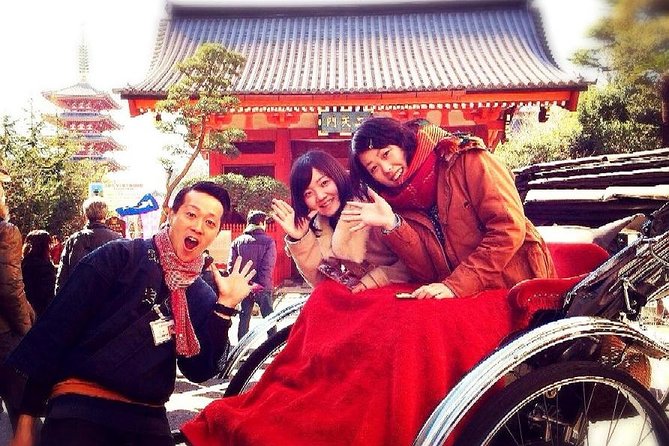
You will see the colorful and bright gate leading into the Sensoji Temple and Asakusa Shrine area. But there is an important constraint: no rickshaw ride is allowed inside the temple area, including the temple buildings, temple grounds, and Nakamise shopping street.
So you should expect a mix of “ride near it” and then short walking in the most crowded or sacred zones. From a practical standpoint, that is not a problem. You still get the orientation and the significance, and you avoid the awkward situation of trying to force a rickshaw where it is not permitted.
Honryuin Matsuchiyama Shoden: radishes on lanterns
Next you visit Honryuin Matsuchiyama Shoden, a Buddhist temple stop around 15 minutes. This one is fun because it has a specific visual story: the reason so many radishes appear at the temple and even get painted on lanterns. It is a great example of how Asakusa religion is not just abstract. It shows up in design choices you can spot in seconds when you know what to look for.
Imado Shrine: the cat figurines and manekineko
Imado Shrine is another Shinto stop, again around 15 minutes. The big feature is cat figurines, especially manekineko, the beckoning cat. If you like quirky symbolism, this is your photo moment. You will likely see multiple cat figures tied to the shrine experience, and the guide will help you connect what they mean to why people come here.
Edo-era streets, raccoon fun, and the old entertainment district vibe
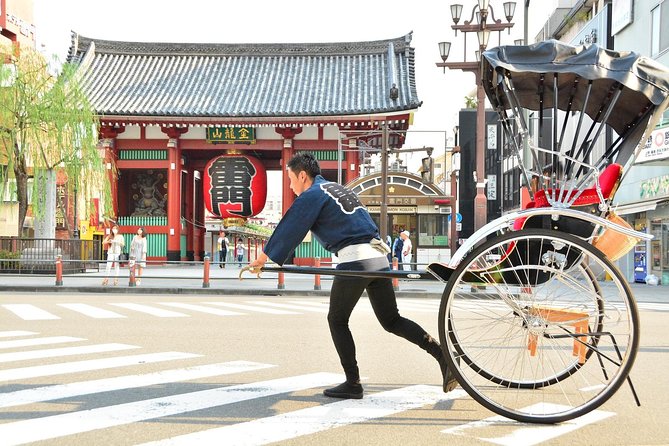
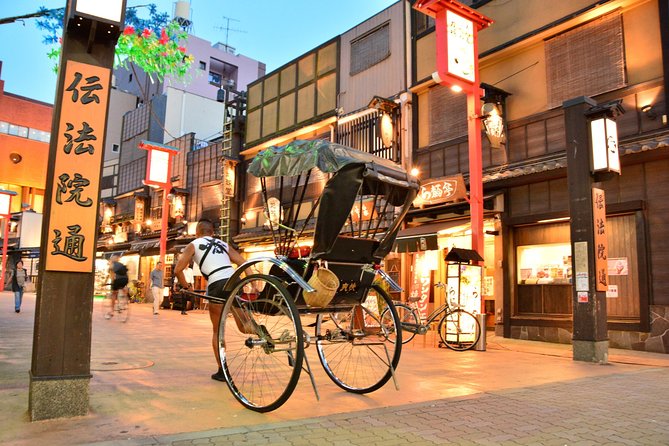
Asakusa has long stretches where you can still feel older Tokyo patterns, and the tour uses that. You will ride through and stop along a historic street lined with stores and housing facades dating back to the Edo period. That matters because the buildings are not just scenery. They help you understand how the area worked before modern Tokyo spread everywhere.
Then you get a fun tonal shift. There is a quirky street where the main theme is raccoons, with raccoon figurines placed at intervals. It is playful, but it also gives you a break from serious temples without leaving the neighborhood character.
You may also pass by or stop near one of the oldest amusement parks in Japan that is still operating. Even if you do not buy tickets, it is a good reminder that this area is not frozen in the past. It is still a living district.
The tour can also include stops tied to the entertainment side of Asakusa. There is a venue that has been and still is the heart of the entertainment district, and you can experience comedy and shows there. Another highlight is Rokku Street, part of the retro district, which used to be the top entertainment zone before the war, with cinemas and theatres concentrated there.
If you have kids or you love pop culture, you might appreciate how guides can connect the setting to modern references. One guide in past rides pointed out a Demon Slayer scene location for a 12-year-old. That is not guaranteed everywhere, but it is a good example of how the tour can connect old streets to what people actually recognize today.
Sumida River views, cherry blossoms, and Tokyo Skytree photos
Asakusa does not have to be only temples. The Sumida River area is a major payoff for people who want classic Tokyo skyline photos without the usual crowds.
One route highlight is a great view on the Tokyo Skytree from across the Sumida River. This is specifically called out as a good photo spot, so if photography is part of your plan, build your tour timing to catch it.
You may also visit Sumida Park, a long river park where you can take a break. In spring, it is a cherry blossom spot, and even outside blossom season, the park gives you breathing room between religious stops. I like that this part of the tour lets your brain cool down. You go from ornate gates and shrine details to open river air, and then you are ready to notice street life again.
Seasonal touches also show up in the description of the streets themselves, with maple and cherry trees mixed into the older neighborhood streets. If you are visiting in peak foliage or cherry season, this tour format is a smart way to see both trees and buildings in the same loop.
Asahi Beer headquarters and the Lucky Fortune Cow garden angle
Two stops add a very different flavor from shrines and temples.
First, there is the Asahi Beer Headquarters with the iconic golden flame on top of the building. It is one of those modern Tokyo landmarks that you can easily miss if you are only thinking about old Asakusa streets. The contrast is the point: you ride from Edo-era facades toward a corporate icon, and the neighborhood starts to feel like it truly spans centuries.
Second, the highlights mention a Japanese garden stop where you can see the Lucky Fortune Cow Shrine. This is the kind of experience that works especially well if you love small rituals and odd traditions. A garden is quieter than the street, so you get a pause that feels like you changed pace, not just changed location.
If you are the type who wants more than one kind of Tokyo, these two stops do that job.
Price, value, and how to pick your ride length
At $42.90 per person, the price is in the “short but memorable” category. What makes it feel like value is that it includes both the rickshaw ride and a local driver guiding you through a cluster of meaningful stops. You are not paying for just transportation. You are paying for navigation plus explanations, including specific shrine details like the three-entrance gate and the radish lantern story.
To judge whether it is worth it for you, think about how you would spend the time without it:
- You would likely need more walking to cover the same number of stops.
- You would need extra research to notice the small details a guide will point out.
- You might spend more time getting from one pocket of Asakusa to another.
What is not included is also clear. Food and drinks are not included, and admission tickets are not included for specific stops. That does not make it worse value, but it means you should budget a little separately if you plan to enter paid sites beyond the guided viewpoints.
The tour is also customizable, and group discounts are listed. If you are traveling with friends, check how your group size affects the best option, especially because rickshaw fit can influence how many vehicles you need.
One planning note: on average, this is booked about 54 days in advance. That is a good hint that popular guides and time slots can go quickly, especially in peak seasons. If you want a specific date, I would not wait.
Who should book this Asakusa rickshaw tour, and who should skip it
This is a great choice if you:
- Want an overview of Asakusa without treating your day like a walking test.
- Like religious architecture, symbol stories, and small details you would otherwise miss.
- Care about photos, especially Skytree shots from across the river.
- Travel with someone who appreciates a slower pace, parents, grandparents, or anyone who does not want nonstop stairs.
It may be less ideal if you:
- Are set on only seeing the Sensoji area while staying seated the whole time, because rickshaw ride is not allowed inside temple grounds and Nakamise street.
- Are very sensitive to snug seating, because the rickshaw width is narrow and comfort depends on fit.
- Want purely self-guided freedom with zero structure, because this is built around stops and guidance.
I also like it for first-time Asakusa visits. It gives you a “map in your head” so later you can wander with more confidence.
Should you book the Tokyo Asakusa rickshaw tour?
I think you should book it if your goal is simple, to see Asakusa in a way that feels personal and structured, with just enough flexibility to match your interests. The biggest wins are the mix of sights, the guided explanations that make details click, and the photo-friendly pacing that balances old streets with river views and even modern Tokyo references like the Asahi golden flame.
If you are unsure which ride length to pick, choose based on your attention span for stops. A shorter option helps you get the core Asakusa feeling fast. A longer one gives time for more shrines, more street character, and a calmer rhythm near the river.
In my view, this is the kind of Tokyo activity that turns “I saw it” into “I understood it.”
FAQ
What is the duration of the Tokyo Asakusa rickshaw tour?
The tour duration can range from about 30 minutes to about 3 hours, depending on the option you select.
Where do we meet, and where does the tour end?
You meet at 1-chōme-1-4 Asakusa, Taito City, Tokyo 111-0032, Japan. The tour ends near Kan’non-dōri1-chōme-2-11 Asakusa, and the exact finishing point is decided on the day of the tour with your guide.
Is the rickshaw ride included?
Yes. The experience includes a local rickshaw driver and the rickshaw ride itself.
Are temple admissions included?
No. Admission ticket requirements are not included for the shrine or temple stops listed in the itinerary.
Can rickshaws go inside the Sensoji Temple and Nakamise area?
No. Rickshaw rides are not allowed in the Sensoji Temple and Asakusa Temple area, including the temple buildings, temple grounds, and Nakamise shopping street.
How many people can fit in one rickshaw?
A maximum of 2 adults per rickshaw. Up to 2 children aged 5 or under can ride with 2 adults if they sit on an adult’s lap.
Will the rickshaw fit if we are a bigger group or need extra space?
The rickshaw is 29.1 inches wide (74 centimeters). It is sometimes more comfortable to book individual rickshaws. If two passengers do not both fit and you want to ride at the same time, you may need an additional rickshaw, which may require booking in advance.
What happens if the weather is bad?
This experience requires good weather. If it is canceled due to poor weather, you will be offered a different date or a full refund.
Can I cancel for a full refund?
Yes. Free cancellation is available, and you can cancel up to 24 hours in advance for a full refund. If you cancel less than 24 hours before the start time, the amount paid is not refunded.
More Tours in Tokyo
More Tour Reviews in Tokyo
Not for you? Here's more nearby things to do in Tokyo we have reviewed












Asakusa Tours, side by side.
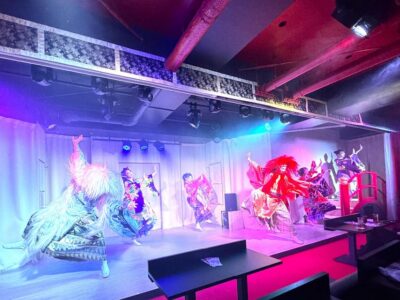 ★ 4.8Japanese Dance Cabaret Theater Asakusa-Kaguwa TicketFrom $492,270 reviews
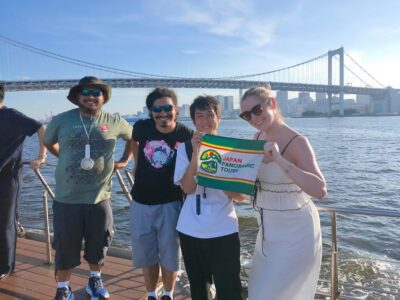 ★ 4.7Meiji Shrine, Asakusa, Skytree Bus Tour and CruiseFrom $1221,986 reviews
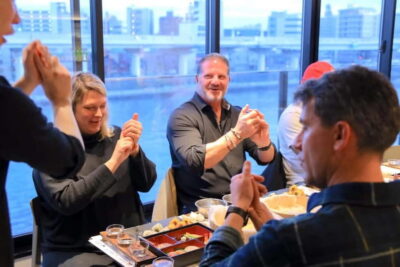 ★ 4.9Roll and Authentic Sushi Making Class in AsakusaFrom $581,957 reviews
 ★ 4.8Asakusa Walking Tour with Sensoji Temple VisitFrom $221,583 reviews
 ★ 4.5Tokyo Panoramic 1 Day: Meiji Shrine, Asakusa, Odaiba and SKYTREE®From $851,222 reviews
 ★ 5.0Tokyo Go Kart: Asakusa, Skytree, and Akihabara **IDP MUST**From $99988 reviews
 ★ 4.7Asakusa, Skytree & Akhihabara Go-Kart City ExperienceFrom $96761 reviews
 ★ 4.9Matcha Making Experience with Mochi Sweets in AsakusaFrom $22388 reviews
This tour also belongs to