
Review · TOKYO CITY TOURS
Tokyo Unlocked: A Private Day of Culture, Cuisine & City Secrets
Tokyo works best with a plan and a car. This private day pairs hotel pickup with a driver-guide who can shape your day around what you care about, while hitting headline sights and quieter streets. You get the convenience of a private vehicle, plus time for local food and culture without feeling stuck in a rigid bus tour.
I like two things a lot: the private transportation saves you from bus crowd stress and long waits, and the day stays flexible so you can linger where you want instead of rushing. The best part is that the driver-guide isn’t just driving, they’re helping you structure a smart itinerary with insider tips.
One real consideration: your budget should account for extras. Skytree has admission costs not included, and meals aren’t included either, so your final spend can creep up if you snack heavily.
Key highlights and what they mean in real life
- Private driver time savings so you spend more hours seeing Tokyo, less time stuck in transit
- Flexible pacing so you can slow down at temples or speed through shopping streets
- Big skyline payoff at Skytree with two enclosed decks at set heights (350 and 450 meters)
- Classic Tokyo culture stops like Senso-ji and Meiji Jingu, both free to enter
- Food and style mix with Tsukiji Outer Market and Takeshita Street
- A short, efficient Shibuya Crossing moment built into a longer day, not a frantic sprint
Why a private driver makes Tokyo feel easier (and faster)
Tokyo can be done on trains, sure. But there’s a difference between getting from A to B and spending your day actually enjoying Tokyo. This tour is built around the practical win of private transport, which means fewer transfers, fewer timing surprises, and less time lost coordinating public routes with your group’s pace.
I also like how this works for real humans. You are not herded into crowded local buses. You don’t have to fight for position at stops that always attract lines. Instead, you’re moving as a compact unit, with your driver guiding you through the day’s rhythm.
The other reason the private format matters is that Tokyo is not one single “vibe.” It’s a stack of neighborhoods with very different moods. A car lets you switch gears smoothly, from a temple courtyard to a market street, then into shrine forest calm, then back to Shibuya’s intersection chaos.
You can also read our reviews of more city tours in Tokyo

The 8:30am start, 9 to 10 hours, and how the day stays flexible
This experience starts at 8:30am and runs about 9 to 10 hours. That early start is smart. You’ll hit some of the major spots before the heaviest daytime crush builds. It also gives you more breathing room for walking, photos, and shopping, without feeling like you’re always late.
The timing flexibility is a key feature, not a marketing line. Your driver-guide creates the order and pacing to fit your interests. That is valuable because Tokyo’s “best day” depends on you. Some people want more food. Others want shrine time. Others care most about views and photo angles.
You’ll also have useful onboard comfort: WiFi on the vehicle and mobile ticketing. WiFi helps with maps, translations, and quick sanity checks if you’re comparing opening times or deciding where to spend extra minutes.
One note on physical effort: the tour lists a moderate fitness level. You should expect walking in city sidewalks and through busy areas, even if you’re not doing heavy hiking.
Skytree first: a clear plan for the best city views
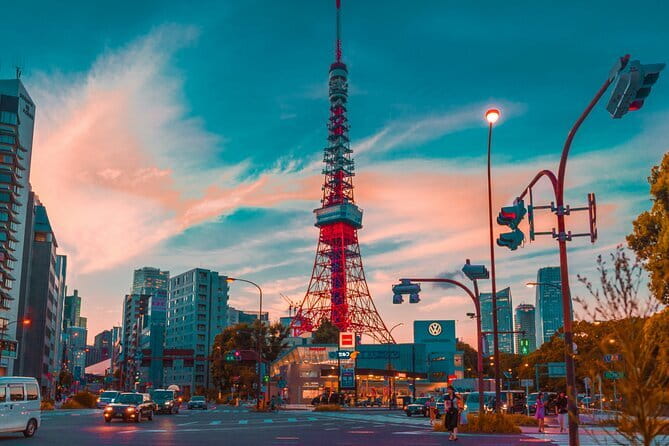
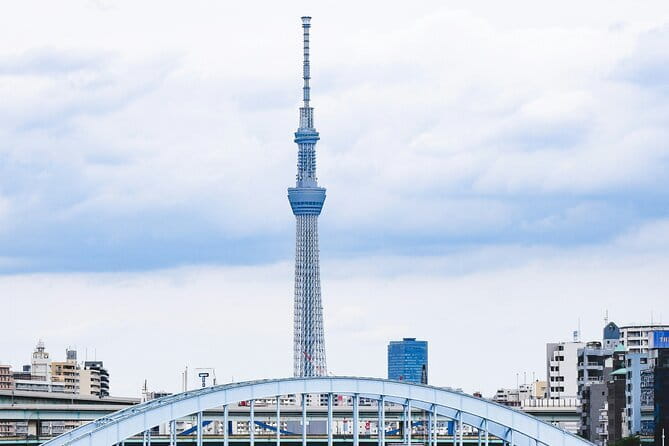
Most Tokyo skyline moments work best with planning, because getting up to viewpoints can eat time. Skytree is a great anchor stop because it has an unmistakable payoff: it’s the highest freestanding tower in the world, at 634 meters.
What I like here is that the experience gives you structured options for viewing. There are two enclosed decks at 350 meters and 450 meters. Those floors let you choose the feel you want, either lower for a more grounded view or higher for an expansive sweep.
The big practical catch: Skytree admission is not included. That means you should factor in the ticket cost before you go, and plan for the time the venue requires. If you’re the kind of traveler who hates waiting in lines, the private format still helps because the day’s pacing is controlled, but you should still expect the attraction itself will take time.
If you’re prioritizing photos, this is one of the strongest points in the whole day. It’s also a great way to get spatial context for the rest of Tokyo, since you’ll later recognize neighborhoods you’ve seen from the tower.
Senso-ji temple: the classic Tokyo icon, done without the stampede feeling
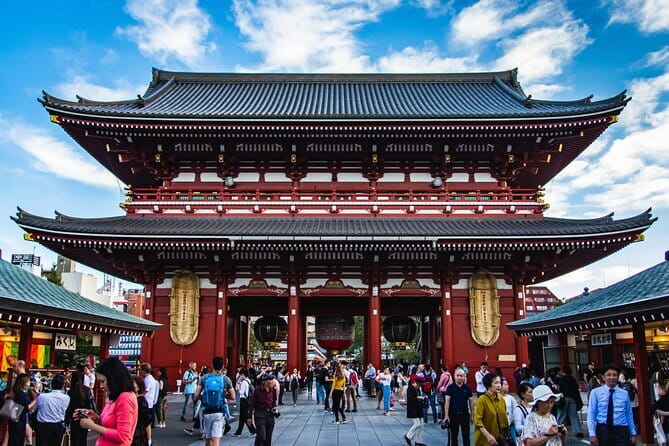
Next up is Senso-ji, an ancient Buddhist temple known as one of Japan’s most visited. It’s described as being about 1,400 years old and drawing over 20 million visitors, and it’s an easy place to understand why it’s famous.
I like this stop because it’s not just a photo op. It’s a sensory hit: incense-like atmosphere, crowd energy, and the feeling of stepping into older Tokyo patterns. At the same time, it’s also free entry and scheduled for about one hour, which makes it a reliable chunk of your day.
The private-car benefit here is simple: you arrive as a group, and you’re not trapped on a bus schedule. You can slow down for details or do a quick loop if you’re trying to keep moving. Either way, your guide can help you avoid spending your hour stuck in the wrong corner.
Tsukiji Outer Market: food-town browsing with less stress
Tsukiji is one of those places where the name alone makes people hungry. Here you get Tsukiji Outer Market as a stop. It’s positioned as Japan’s food-focused neighborhood, where you’ll find a mix of wholesale and retail shops, plus lots of restaurants.
This stop is about one hour and entry is free. That means you get to explore without committing to a set menu. In practice, that’s ideal if your group has different tastes. One person wants snacks. Another wants to browse kitchen tools and packaged goods. Someone else just wants to watch cooks and stall counters for ideas.
What I like most is the “food town” setup. You’re not just eating, you’re learning how Tokyo food culture looks up close. If you’re the kind of traveler who always wants one local bite in each neighborhood, Tsukiji Outer Market is one of the best places to do it without planning a reservation.
Your drawback to watch: meals are not included. So any serious eating here becomes your responsibility. The flip side is you control costs, and you can keep it light if you’d rather save budget for later.
You can also read our reviews of more private tours in Tokyo

Takeshita Street: pop culture shopping and sweet breaks
Then it’s Takeshita Street, a roughly 350-meter stretch associated with Japanese youth pop culture. It’s known for quirky, trend-driven shops and also for sweets.
This is a stop that works best when you think of it as a “browse and pick one thing” moment. An hour is enough to get the vibe, buy small items, and grab a quick snack without turning your day into a shopping marathon.
If you like fashion, weird gadgets, or candy you have never seen before, this is a fun pivot point. It’s also free to enter, so you’re not paying to walk around.
One small practical thing: the area can get crowded. The private format helps you get there and leave on your schedule, but you should still expect pedestrian density.
Imperial Palace: a free cultural stop, but plan for closures
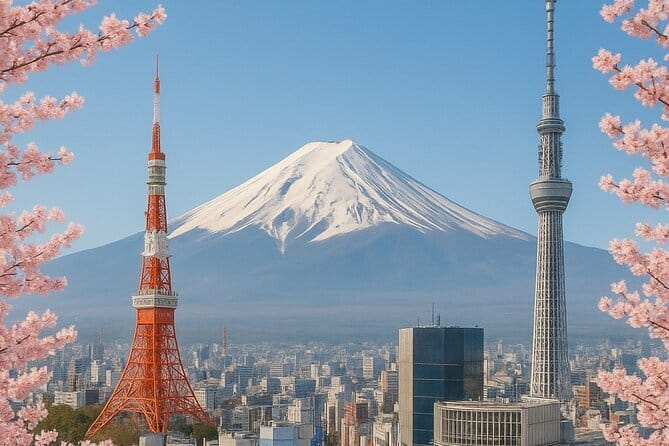
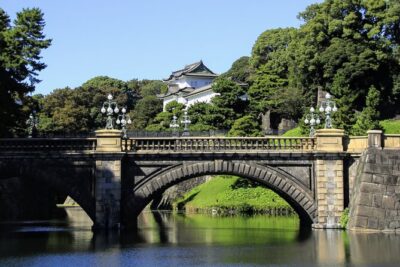
Imperial Palace is on the list as a free stop for about one hour. It’s described as the residential place of successive emperors since 1868, and it includes the Imperial Residence and the Imperial Palace Complex.
This is a good “Tokyo balance” moment. After market and pop culture energy, you get a more formal, slower-moving setting. Even if you don’t get deep into palace rules and architecture, the idea is to understand Tokyo’s political and historical center.
The key consideration is timing. The tour includes a general visit window, but closures can happen. One of the reported planning issues from this type of experience is that Imperial Palace can be closed on Fridays. So if your travel dates include a Friday, I’d treat this stop as flexible in your mind and ask your driver-guide what backup options make sense.
Shibuya Crossing: quick, efficient, and photogenic
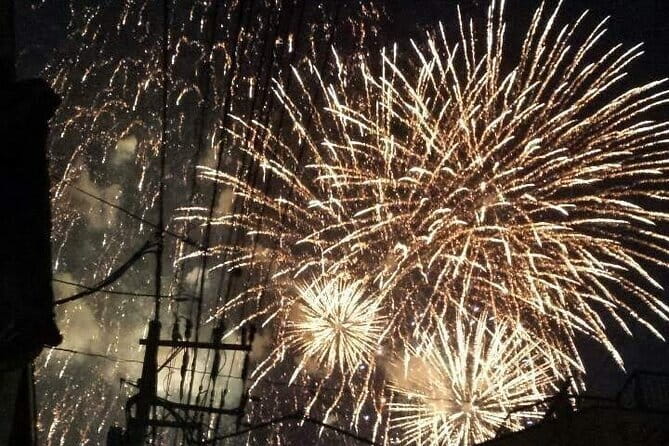
Next: Shibuya Crossing, famous as the busiest intersection in the world. It’s a short stop, about 30 minutes, and it’s scheduled as free time.
This stop is best for people who want the “Tokyo at full volume” moment without spending hours there. Thirty minutes gives you a chance to find a photo angle, cross once, and watch the intersection work. It’s not designed to be a long sit-down experience.
Also, Shibuya is surrounded by shopping, restaurants, clubs, and avid shoppers. That means your guide can steer you to what fits your group after the crossing, even if it’s just a quick browse before the next shrine and café-heavy neighborhood.
Meiji Jingu Shrine: forest calm in the middle of the city
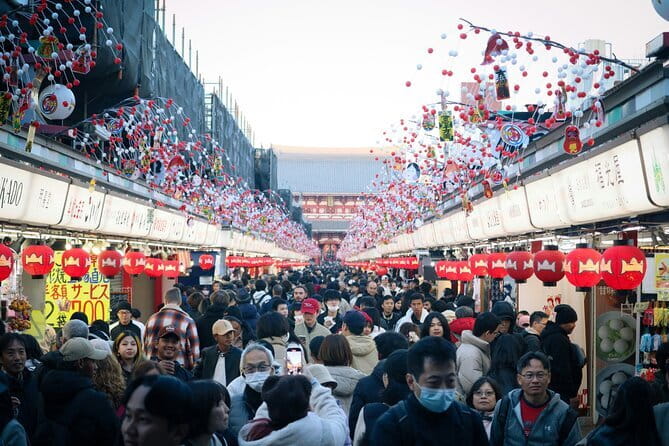
Then you switch moods again at Meiji Jingu. It’s located in a wooded area of over 100,000 trees and dedicated to Emperor Meiji and Empress Shoken. It’s free and scheduled for about one hour.
This stop is valuable because it’s one of the easiest ways to feel the contrast between Tokyo’s city energy and nature. Even if you don’t study Japanese shrine etiquette in depth, the space communicates something immediately: the pace slows, the air feels different, and the crowds feel more contained once you’re in the grounds.
I like it in this itinerary because it happens after Shibuya. If you do the shrine too early, you can end up feeling like you went to a quiet park and then raced into chaos. Put it here, and it becomes a reset button.
Omotesando: a short café-and-street-style hit
Finally, Omotesando rounds out the day with a 30-minute stop. It’s described as one of Tokyo’s leading café areas and known for fashion-forward, modern street culture.
This is not a deep-dive museum stop. It’s a quick final taste: coffee vibes, people-watching, and a chance to pick up something small if your group still has energy. Because it’s free and brief, it works well as a payoff at the end, when you might be ready for a sit-down drink but you also don’t want to call it quits too early.
Price and value for up to five people
The price is $366.48 per group for up to 5 people, with an average booking window around 27 days in advance. That structure matters.
A private car tour can sound expensive at first glance, but you should compare it to two things:
1) What it would cost for everyone to coordinate public transit plus guide help
2) The value of time you save and stress you avoid
This tour includes hotel pickup, private transportation, and WiFi on board. It also functions as a customized day, which is a real value lever. If you were building your own day, you’d still need to decide the order, manage time, and translate your interests into a practical route.
Admissions and meals are not included. Skytree admission is the main known paid stop in the list, and meals are your choice. That means your true per-person cost depends on what you eat and whether you add any extras.
My take: this is a strong fit if your group wants a smooth, high-efficiency day and you care about getting the feel of multiple Tokyo neighborhoods. It is less of a deal if you plan to mostly ride around and you hate paying for viewpoints and snacks.
Getting the most out of your driver-guide (ask these questions)
Because the itinerary is customizable, the tour works best when you drive the priorities. Here are questions I’d ask right away on pickup, so the day becomes yours:
- Do you think we should do Skytree earlier or later based on weather and timing?
- For food, what kind of bites do you recommend at Tsukiji Outer Market?
- If Imperial Palace is closed (for example, certain weekdays), what nearby alternative do you suggest?
- What photo spots do you recommend at Shibuya Crossing so we avoid the worst crowd crush?
- For the shrine visit, what’s the best way to keep it respectful and still get good photos at Meiji Jingu?
Also, if you have any “musts” like a specific shopping style at Takeshita Street or a café preference in Omotesando, say it early. A good driver-guide can shape pacing and make sure you’re not stuck spending time in the wrong kind of place.
One more human detail from this kind of experience: a guide named Talal was specifically praised for being respectful and patient, and for taking great pictures. That matters. Good drivers make you feel relaxed, not rushed, and a guide who helps with photos can turn a standard stop into something you’ll remember.
Who this private Tokyo day is best for
This experience is best for people who want a single-day sampler of Tokyo’s major flavors without the stress of public transit planning.
It’s especially smart for:
- Couples and small families who want comfort and clear pacing
- Groups of up to five who can split the price and make private transport worth it
- First-timers who want headline sights plus food and shopping neighborhoods
- Anyone who prefers flexibility over a rigid schedule
It’s not the best match if you love moving on your own, you hate cars, or you want a purely budget-focused trip. Since meals are not included, your daily spending still depends on how you eat.
Should you book this private Tokyo day?
I’d book this if your priority is a smooth, high-efficiency day that mixes iconic culture (Senso-ji, Meiji Jingu), big-city energy (Skytree views, Shibuya Crossing), and real Tokyo style (Tsukiji Outer Market, Takeshita Street, Omotesando). The private format is the engine behind the value, because it saves time and cuts down the crowd friction that can otherwise eat a full day.
I would hesitate if you are very budget sensitive or you’re traveling on a day when closures might hit a key stop. For example, the Imperial Palace visit may be affected by weekday closures, so you’ll want the driver-guide to have a plan B.
Finally, keep expectations realistic. Private tours run smoothly when the timing is understood. There have been reported issues in this category when a guide arrived late or there was confusion around the start time, which can shrink the day and stress the group. Still, other guides have been praised for showing up on time, and a driver-guide named Talal was noted as especially patient and respectful.
If you want Tokyo without the logistical headache, and you’re okay paying for comfort and a few extras like Skytree tickets, this is a solid choice.
More Private Tours in Tokyo
More City Tours in Tokyo


More Tour Reviews in Tokyo






Not for you? Here's more nearby things to do in Tokyo we have reviewed












Tokyo City Tours, side by side.
 ★ 5.01-Day Tokyo Bus TourFrom $12914,250 reviews
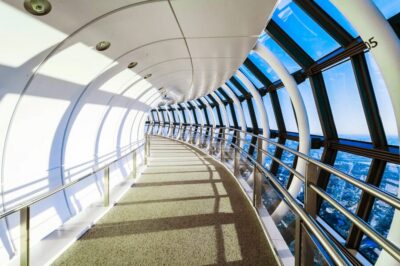 ★ 4.5TOKYO SKYTREE® Admission ticketFrom $1311,192 reviews
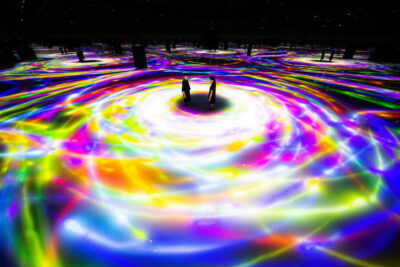 ★ 4.6teamLab Planets TOKYO Digital Art Museum Entry TicketFrom $259,779 reviews
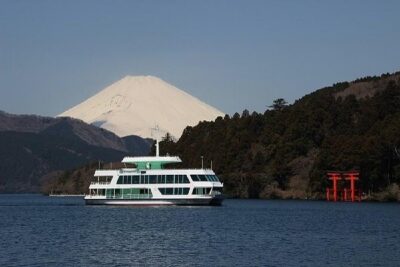 ★ 4.0Mt Fuji & Hakone Cruise, Drum Show Bullet Train 1 Day from TokyoFrom $1497,413 reviews
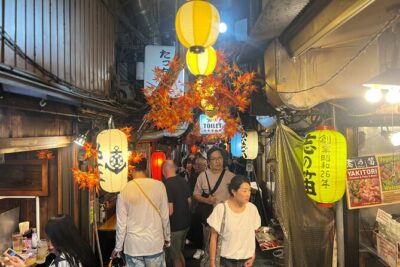 ★ 5.0Shinjuku Food Tour (13 Dishes at 4 Local Eateries)From $866,603 reviews
 ★ 4.4Tokyo Mt Fuji 5th St & Hakone Cruise Bus Tour w/Bullet TrainFrom $1545,024 reviews
 ★ 5.0Flagship 2-Hours Official Street Go-Kart Tour – Tokyo Bay ShopFrom $644,974 reviews
 ★ 4.5From Tokyo: Mount Fuji Full-Day Sightseeing TripFrom $684,970 reviews
This tour also belongs to