
Review · TOKYO CITY TOURS
Tokyo: 3-Hour Bike or E-Bike City Highlights Tour
Tokyo clicks into place on two wheels. On this 3-hour Tokyo bike or e-bike highlights tour, you roll past major landmarks and quiet pockets of the city, with an English-speaking guide and extra storytelling stops along the way.
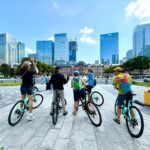
I love how the Bianchi and Fuji cross bikes feel built for real street riding, not wobbly rentals. I also like the built-in e-bike option for an easier pace if you do not ride often or you want less effort on hills.
One consideration: you do need to be comfortable riding near traffic, and it is not suitable for kids under 12 or anyone who cannot ride a bike. Helmets cost extra, available on site for ¥1,000 in cash.
Key points before you pedal Tokyo
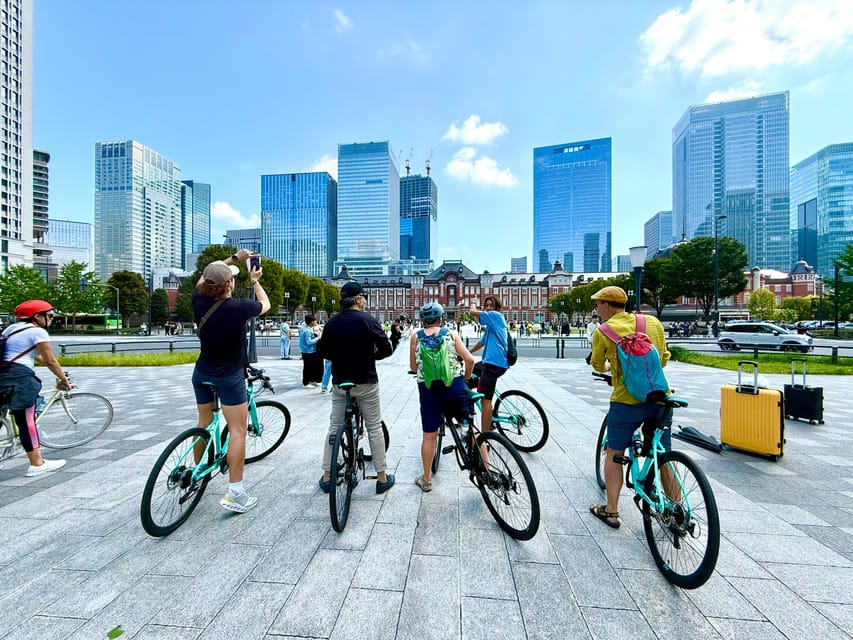
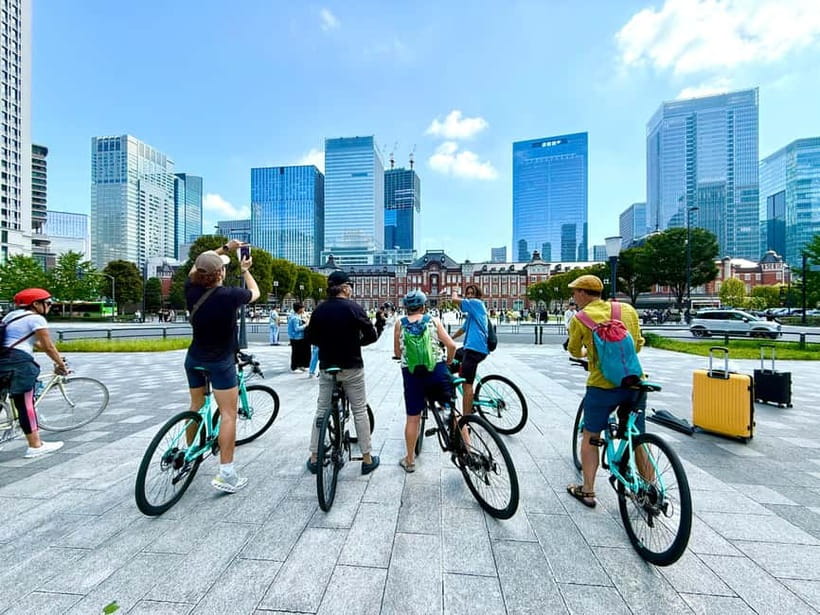
- Quality bikes, real traction with Bianchi and Fuji cross bikes, plus e-bikes when you choose the easier option
- Short, guided landmark stops that keep the ride moving without turning it into a long walking tour
- A great first-day orientation loop hitting Tokyo Station, the Imperial Palace area, and Shibuya Crossing in one go
- Parks plus major streets so you get a feel for both calm Tokyo and fast Tokyo
- Guides who keep the group comfortable, including frequent check-ins and relaxed pacing (I’ve seen names like Naoki, Atsu, and KJ praised for it)
Why this 3-hour Tokyo ride is a smart way to start
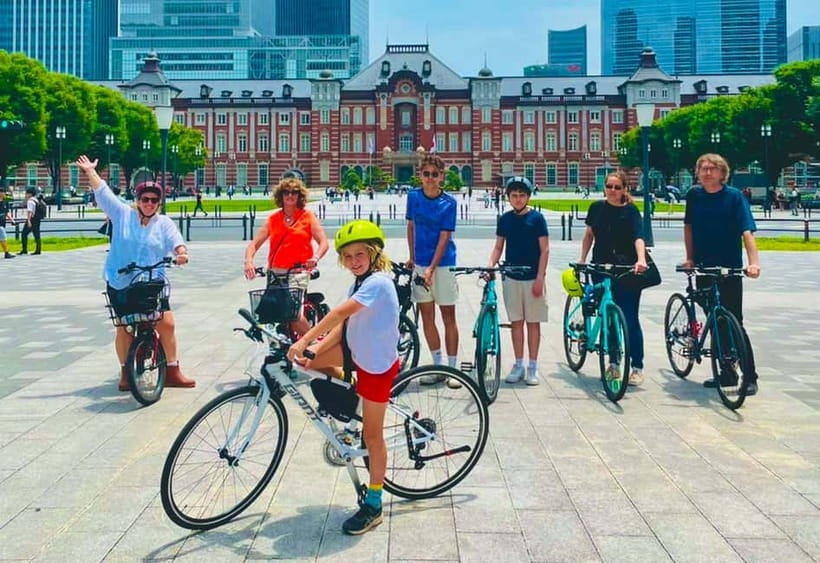
Tokyo spreads out. A three-hour bike tour gives you a workable overview without the fatigue of trains plus walking plus confusion. You get a guided route that strings together big sights and smaller neighborhood moments in a way that makes the city feel less random.
This is also one of the more efficient ways to see both Tokyo’s older side and its modern side. One minute you are at a temple and palace-adjacent area, the next you are snapping photos in Shibuya, where the city’s energy is loud even when you are just waiting for your turn at the crossing.
And because the tour is timed tightly, you do not need to build your own itinerary. You simply show up, get on the bike, and let the guide handle the flow.
You can also read our reviews of more cycling tours in Tokyo
Meeting at the Commodore Perry statue, then wheels in motion
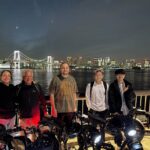
You meet up at the Statue of Commodore Perry. It is a short walk from Daimon Station, exit A6, which is helpful because Tokyo stations can feel like mini-cities of their own.
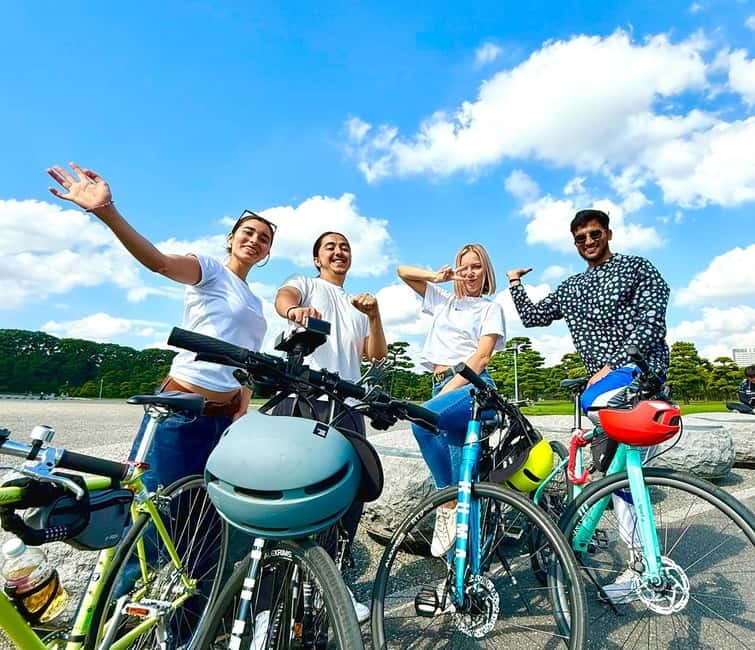
Once you meet your guide, the first job is simple: get the bike you chose. The tour offers high quality cross bikes from Bianchi or Fuji, or an e-bike option if you picked that at booking. You also get a mini pouch on the bike so you can keep your phone, wallet, and keys within reach.
Practical tip: wear comfortable shoes and clothes for movement. Even with a guided plan, you will be mounting, stopping, and stepping off for photos throughout the ride.
Zojo-ji Temple and Shiba Park vibes without the long slog
The tour kicks off with a temple stop at Zojo-ji Temple. You get a photo moment, then about 15 minutes for a guided visit. This is a nice early anchor point because it sets a tone: Tokyo is not only glass towers and shopping streets.
Zojo-ji also helps you settle into the pace. Your guide can adjust the group rhythm right away. If you are on a standard bike, this part is a good time to get comfortable with starts and stops. If you are on an e-bike, you can focus on navigation and photos rather than conserving energy.
What I like here for first-timers: it is not just a quick look. The time block includes a guided tour, so the stop feels like you learned something, not only that you took a picture.
Hibiya Park, Imperial Palace area, and Tokyo Station in one sweep
From Zojo-ji, the route moves to Hibiya Park for a brief visit, about three minutes. It is short on purpose. These quick pauses keep the ride lively and stop you from overthinking every stop.
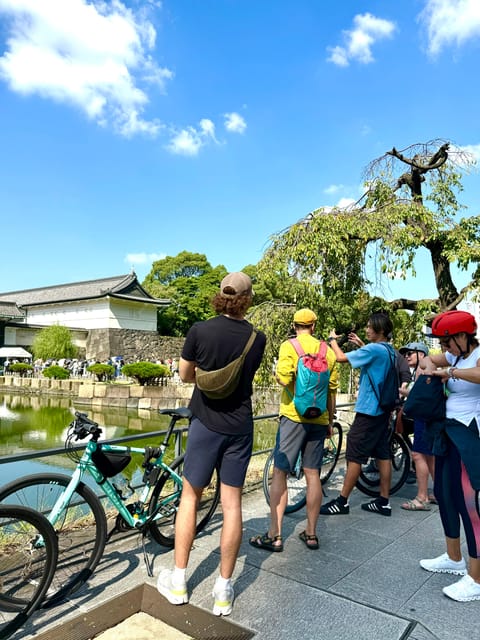
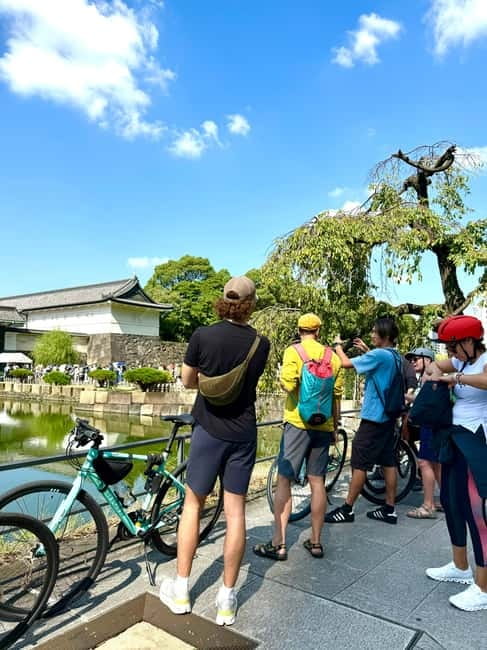
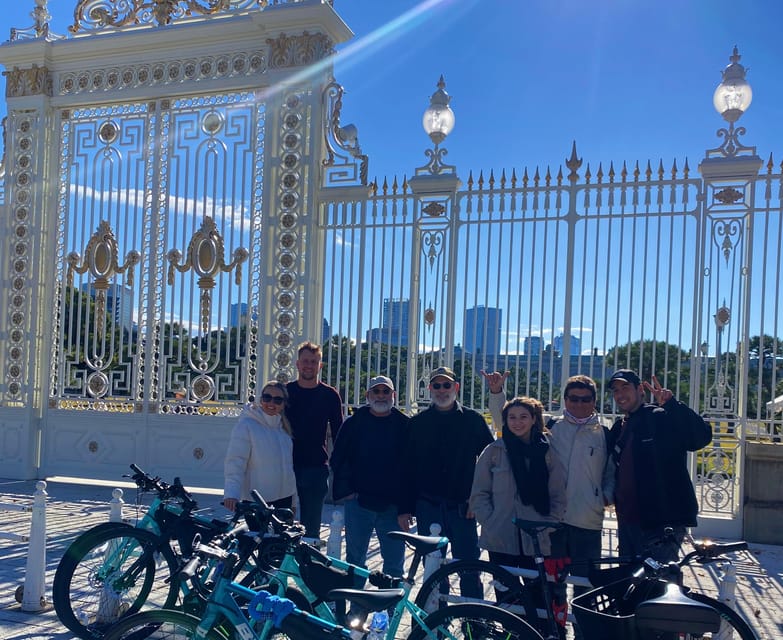
Then you roll into the Tokyo Imperial Palace area for another 15-minute guided window, with a photo stop included. It is one of those locations where you can tell the city is structured and formal, even if you are only seeing it from streets and viewpoints.
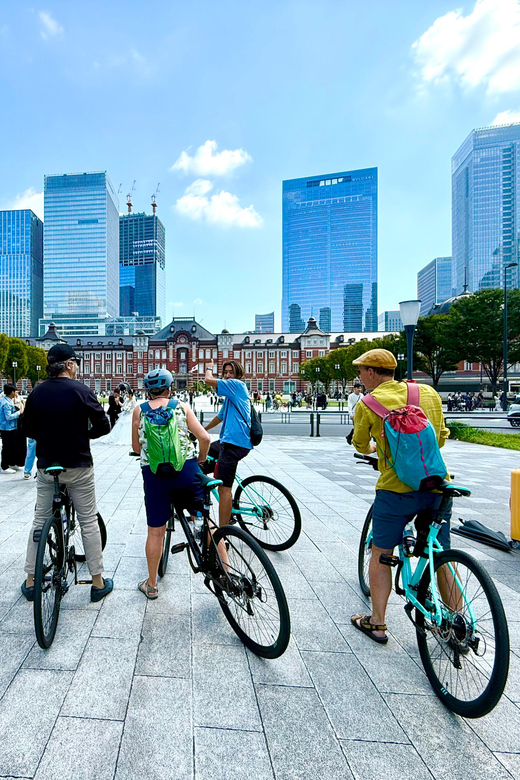
Next comes Tokyo Station for a 10-minute photo stop and visit. This is a classic Tokyo landmark moment, and it works well by bike because you can position yourself fast and take photos from angles you might miss if you were stuck inside a station corridor.
After that, you get the Ōte-mon Gate for a shorter five-minute photo stop and visit. Think of it as a detail stop that breaks up the bigger scenes with something more specific.
A good thing to watch: the Imperial Palace area stops and photo points can attract photographers and walkers. Your guide’s job is to keep you safe and moving, while still letting you capture the moment.
Chidorigafuchi break time, plus Akasaka Palace and the stadium photos
You then reach Chidorigafuchi. This is your break time. You get a photo stop and a short visit for about five minutes.
A break matters on a bike tour. Even a few minutes off the bike helps your legs reset, and it gives you time to ask questions or trade tips with your group. Several guides are praised for keeping pacing relaxed, and Chidorigafuchi is the kind of scheduled pause that makes that possible.
After the break, you stop at State Guest House Akasaka Palace for a 10-minute photo stop. This is another “see it, capture it, move on” moment, built for people who want variety without losing the rhythm of cycling.
Then you head to New National Stadium for a 10-minute photo stop. Stadium views are often best from the streets because you get a sense of scale and modern city planning rather than only a venue facade.
If you are an architecture and design person, this stretch is a fun contrast. You go from traditional temple surroundings to government-palace adjacent space, then into big contemporary structures.
You can also read our reviews of more city tours in Tokyo


The guided lesser-known stop, then Aoyama and Cat Street street energy
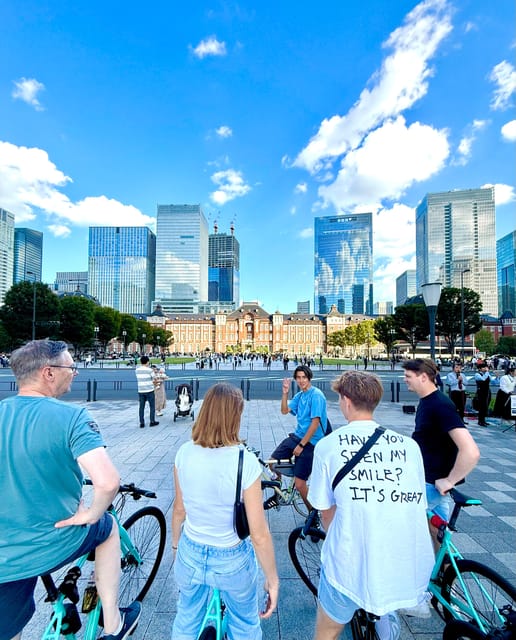
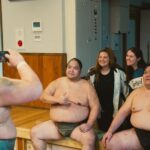
After the major landmarks, you get time for an extra guided stop in a lesser-known area for about 15 minutes. The value here is simple: you need at least one place where you do not feel like you are only repeating what everyone else posts.
This stop is also where guides often add the most local flavor. The tour is not only about where to take photos, it is about how to understand Tokyo’s neighborhoods by walking your eyes, then riding your bike between them.
Next up is Aoyama St. Grace Cathedral for a short three-minute photo stop and sightseeing. It is brief, but it gives the route a softer, quieter contrast.
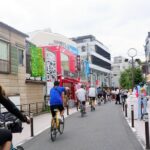
Then you visit Cat Street for about five minutes. Expect a quick wander and street-level atmosphere, the kind of place that helps you understand Tokyo is not only monuments. It is also everyday fashion, small businesses, and the human scale between the landmarks.
Shibuya Crossing, Tower Records, and ending at the Bell of Peace
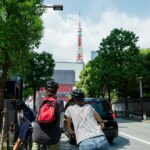
The ride’s finale focuses on modern Tokyo momentum. You reach Shibuya Crossing for a photo stop and guided time of about 10 minutes. This is the stop people remember later because it feels unmistakably Tokyo, even if you have never been here before.
One smart detail: you do not just rush through. The guide includes guided time, so you are not only photographing the crossing, you are learning how to handle the flow of people and time your photos.
Then it is Tower Records Shibuya for a short three-minute photo stop and sightseeing. It is a quick pop into pop culture Tokyo, and it keeps the final stretch fun instead of purely sightseeing.
You finish at the Bell of Peace. Ending at a specific landmark helps the tour feel complete, and it gives you a clean place to stop and re-plan the rest of your day. From there, you can hop on public transit or continue exploring on foot.
E-bike vs regular bike: how to choose without regret
This tour offers two modes: cross bikes (Bianchi and Fuji) and e-bikes. If you do not ride often, or you do not want to burn energy on hills, choose the e-bike. The tour explicitly recommends e-bikes if you are not comfortable riding long distances or you lack stamina.
If you choose a regular bike, you should already feel comfortable riding in a city. Some stretches involve moving between sidewalk riding and roads with traffic nearby. That is a real consideration. One parent noted that the road riding felt more intense than expected, which is exactly the kind of mismatch you want to avoid.
Safety is a core theme of this tour experience. Guests repeatedly mention feeling safe at all times, and guides like Naoki, KJ, and Keiji are praised for professional, friendly attention and pacing check-ins.
So here is my no-drama rule: if you are even slightly unsure you can ride confidently in a busy city environment, pick the e-bike.
Groups, guide style, and what that means for your experience
This tour can run as private or small groups. Many people like that because it keeps things calm while still allowing the guide to answer questions.
What I like about the guide approach here is the balance between movement and explanation. Stops are timed, but the guide still gets in local insights and stories. Names like Tam, Atsu, Kay, and Ken show up in praise, which points to a consistent guide style across different departures.
Also, there is room for conversation. A few guests highlight that the guide was interested in them personally, like asking where someone is from. That matters because it turns a landmark parade into something more human.
One more practical note: bring water. It is not included, so you’ll want your own bottle. Tokyo heat and humidity can surprise you, especially in warmer months.
Price and value: what $45 actually buys you
At $45 per person for about three hours, you are paying for more than transportation. You are getting:
- a live English-speaking guide (English and Japanese available)
- the bike itself, either Bianchi or Fuji cross bikes, or an e-bike
- bike insurance
- a mini pouch for essentials
In Tokyo, three hours is enough time to see multiple areas without wasting your day. If you tried to replicate this on your own, you would spend time figuring out route planning, bike logistics, and where to stop for the best viewpoints.
Another value point: the tour includes skip the ticket line. The exact attractions where that helps can depend on the stop, but if you hit any ticketed areas, it can save time when you are trying to keep the schedule moving.
So is it cheap? No. But it is good value for a guided, safety-focused Tokyo bike experience that covers a lot of ground in a short window.
Practical tips that make the ride smoother
Here are the things that will make or break the experience for you, more than the landmarks themselves.
- Wear comfortable shoes. You’ll step off the bike repeatedly for photos and guided explanations.
- Bring water and expect frequent stops. Chidorigafuchi includes a break time, but you still need hydration.
- If you are unsure about helmets, plan ahead with cash. Helmets are not included, and on-site rental costs ¥1,000 per unit.
- Be ready for mixed surfaces and riding styles. Even with guides, you need basic comfort switching between sidewalk and road environments.
- Do not smoke or drink alcohol during the tour, and keep the space clean. Those rules are part of the tour expectations.
Also, note who should skip this one. The tour is not suitable for children under 12, pregnant women, people with back problems, and anyone who cannot ride a bike.
Should you book this Tokyo 3-hour bike or e-bike tour?
Book it if you want an easy, guided way to get your bearings fast. This route hits a strong lineup: a temple stop at Zojo-ji, park time, the Imperial Palace area, Tokyo Station, Shibuya Crossing, and a clean finish at the Bell of Peace. If your Tokyo plans are still fuzzy, this tour is a helpful first framework.
Choose the e-bike if comfort is your priority. It is the safer bet for stamina and hill management, and it keeps you focused on photos and stories instead of effort.
Skip booking if you cannot confidently ride near traffic or you are not comfortable switching between sidewalks and road segments. Also pass if you fall into the tour’s listed non-suitability categories.
If you want Tokyo with momentum, this is a strong choice. You get a guided slice of classic Tokyo plus modern Tokyo energy, all in three hours, without spending your day coordinating every step.
FAQ
How long is the Tokyo bike or e-bike highlights tour?
The tour lasts 3 hours.
Where do I meet the guide?
You meet the guide around the Statue of Commodore Perry, about a 3-minute walk from Daimon Station, exit A6.
Is there an e-bike option, and who should choose it?
Yes. You can select an e-bike option if you are not comfortable riding long distances or you do not have much stamina. It is recommended if you do not cycle often.
Are helmets included?
Helmets are not included. Helmets are available on site for ¥1,000 per unit in cash.
What should I bring?
Bring comfortable shoes, water, and comfortable clothes.
Is the tour cancellable, and does it skip ticket lines?
You can cancel up to 24 hours in advance for a full refund. The tour also includes skip the ticket line (where applicable).
More Cycling Tours in Tokyo
More Tours in Tokyo




More Tour Reviews in Tokyo


Not for you? Here's more nearby things to do in Tokyo we have reviewed












Tokyo City Tours, side by side.
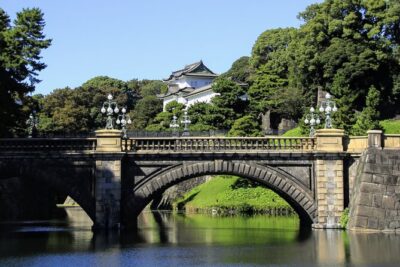 ★ 5.01-Day Tokyo Bus TourFrom $12914,250 reviews
 ★ 4.5TOKYO SKYTREE® Admission ticketFrom $1311,192 reviews
 ★ 4.6teamLab Planets TOKYO Digital Art Museum Entry TicketFrom $259,779 reviews
 ★ 4.0Mt Fuji & Hakone Cruise, Drum Show Bullet Train 1 Day from TokyoFrom $1497,413 reviews
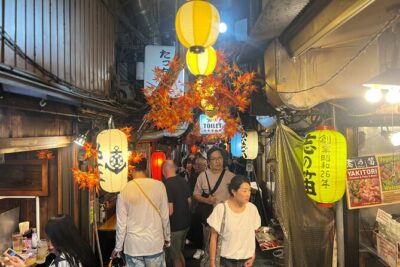 ★ 5.0Shinjuku Food Tour (13 Dishes at 4 Local Eateries)From $866,603 reviews
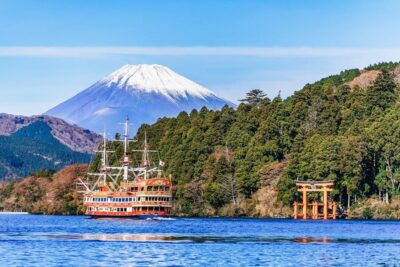 ★ 4.4Tokyo Mt Fuji 5th St & Hakone Cruise Bus Tour w/Bullet TrainFrom $1545,024 reviews
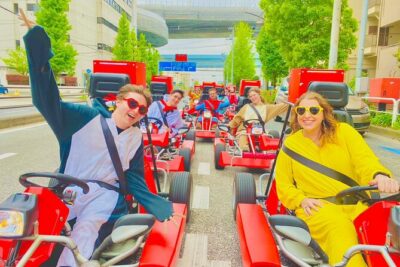 ★ 5.0Flagship 2-Hours Official Street Go-Kart Tour – Tokyo Bay ShopFrom $644,974 reviews
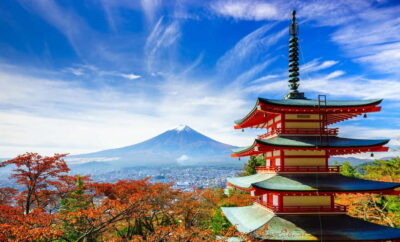 ★ 4.5From Tokyo: Mount Fuji Full-Day Sightseeing TripFrom $684,970 reviews
This tour also belongs to