
Review · TOKYO CITY TOURS
Tokyo Countryside Exploration Private Tour
One road trip idea for Japan that really works is rural calm so close. This Tokyo countryside private tour trades city noise for mountain temples and shrines, with guide Jeremy Owen calling out the stories behind Gozu, Tang-era legends, and even Xuanzang. I especially like the small group of up to 5, which keeps the day from feeling rushed, and the focus on places few international visitors see. One watch-out: pickup timing can shift a bit with traffic, so I’d treat the meeting window as a flexible target, not a perfect clock-in.
You also get a day that feels varied without being chaotic: short visits to each site, then real time to enjoy the drive through Saitama. Admission at these stops is listed as free, so you are paying for the experience, not stacks of tickets. If weather is poor, the operator may cancel and offer a different date or a full refund, so plan to stay adaptable.
Key things to know before you go
- Up to 5 people in a private tour means more conversation with Jeremy Owen and fewer group bottlenecks
- Hanno bamboo temple plus nearby wildlife, including deer and monkeys you can spot while you walk
- Ne-no-gongen shrine is up on the mountains, with a built-in reason to pause for views
- Dragon Taming Temple in Ogose-machi adds a fun folklore stop, with a monk and a carp pond story
- Drive past Arima Dam (Totoro roots) gives you a modern pop-culture breadcrumb on the way home
Getting Out of Tokyo Without Losing Comfort
This is one of those Tokyo tours that actually changes your day. You leave the urban grid for mountain roads and rural towns, and you do it in a way that feels low-stress. Pickup is offered, and the tour is private for your group, with a maximum of 5 people. That matters because countryside travel can turn into a time sink if you are wrangling trains, transfers, and walking just to reach the next shrine.
Price-wise, $280.94 per person is not a budget number. But you are paying for a full day of door-to-door transport (pickup included), a private, small group format, and guide interpretation at multiple stops. Also, listed admission for the sites is free, so your money goes toward the guide and the routing, not entrance fees. If you compare this to piecing together multiple local rides and private taxis, the value starts to look more realistic, especially if your group is on the smaller side.
One more practical point I like: it uses a mobile ticket, and confirmation comes at the time of booking. That is helpful if you want to lock in your dates and stop thinking about it.
You can also read our reviews of more private tours in Tokyo
What the Day Really Looks Like: Short Temple Stops, Big Countryside Payoff
The schedule is structured around several focused visits, most around 30 to 40 minutes each. That pacing is great for a first countryside day trip because you see variety without burning half your day in one place. It also means you get time to enjoy the route itself, not just the destinations.
A typical flow looks like this:
- Start in Hanno for a bamboo temple tucked into the mountains
- Move through Saitama with shrines that mix legend and local belief
- End with more mountain-side sights, plus a countryside drive that includes Arima Dam
Because each stop is relatively short, your guide plays a key role. Jeremy Owen is repeatedly described as friendly and knowledgeable, and that is exactly what you want on a day like this. When you only have 30 or 40 minutes at a site, the difference between a quick photo stop and a meaningful visit is often the guide’s context.
The one timing consideration: there’s at least one documented experience where pickup was delayed due to light traffic. So I’d plan your morning loosely. If you like strict schedules, build in a cushion.
Hanno Bamboo Temple and Its Deer and Monkey Watchers
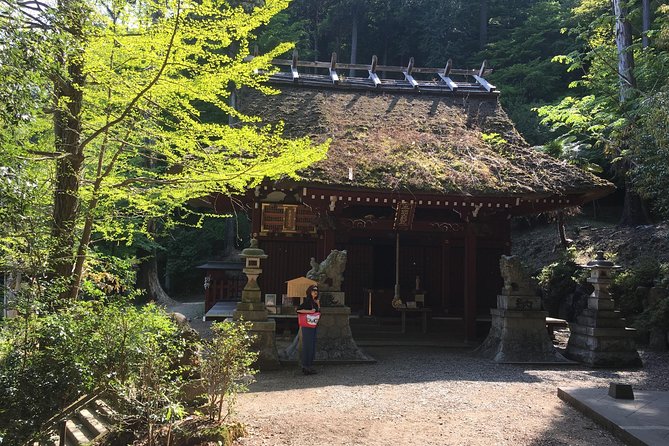
Your first stop is Hanno, built around a bamboo temple deep in the mountains. It is described as an ancient temple dedicated to the Buddhist king Gozu, a figure with the head of a cow and the body of a man. Even if you know zero Japanese religious history, that image gives you an immediate handle on what you are seeing. You are not wandering aimlessly. You are meeting a story that locals still connect to.
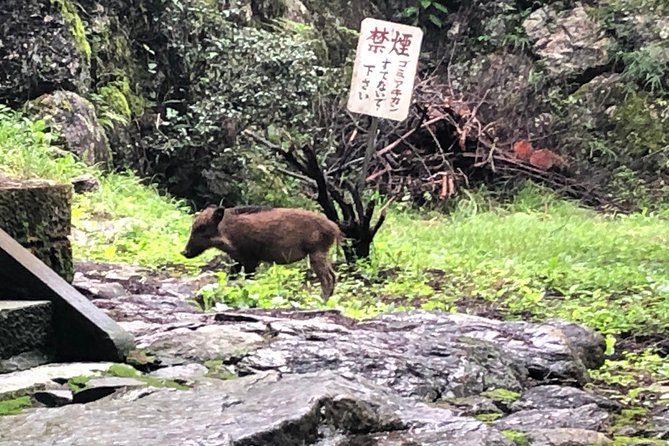
This stop is also special for the wildlife vibe. The grounds include very timid wild deer and monkeys that watch you quietly. That kind of moment is rare on typical city sightseeing. It turns the experience from sightseeing into a living countryside scene.
What to expect on the ground:
- It is a temple complex in a mountainous area, so you will want comfortable shoes. Uneven steps and garden paths are common at these sites.
- The wildlife is part of the atmosphere, so keep your distance and avoid crowding animals for photos.
The visit is listed at about 40 minutes, and the admission is free. That is a good ratio. You get time to walk the grounds and absorb the setting without feeling trapped in a long religious stop.
Koma Shrine and Ne-no-gongen: Legends That Land on Healthy Legs
Next comes Koma Shrine in Saitama Prefecture. The description connects it to Korean kings of the Tang Dynasty. That alone makes it feel like you are seeing a layer of history that many visitors miss. Japan’s religious and cultural sites often reflect cross-regional influences, and this stop is framed in a way that makes those influences understandable through place.
Like the first stop, the time here is short, around 40 minutes, and admission is free. So your best move is to treat it as a context stop. Listen closely to what Jeremy Owen explains, then take a moment to look at the shrine details yourself.
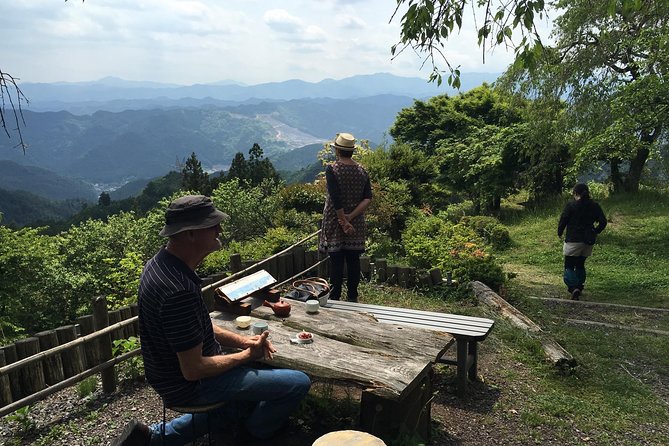
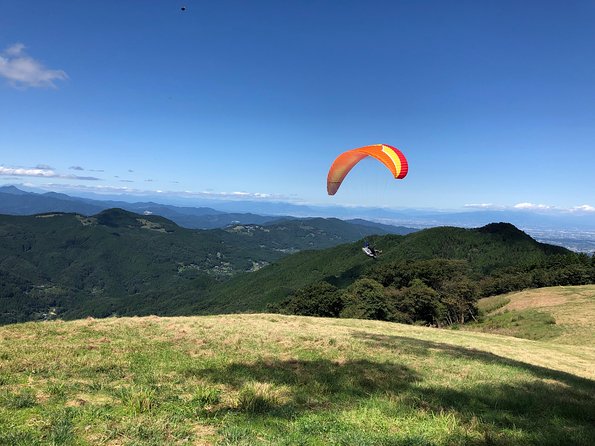
After Koma Shrine, the itinerary moves to Ne-no-gongen, located nearby. This one is for anyone who likes the physical payoff of views. It is at the top of the mountains and offers beautiful scenery for hikers. The shrine itself is described as a place for praying for healthy legs and backs, which feels oddly practical in a good way. It also makes sense because you are already moving uphill through temple-and-mountain terrain.
A good tip here: bring your expectations into alignment. The promise is views and mountain atmosphere, not a huge urban attraction. If you enjoy walking and slow looking, Ne-no-gongen will click. If you want fully flat, minimal walking, you might find it tiring.
Ogose-machi Dragon Taming Temple and Waterfall Countryside
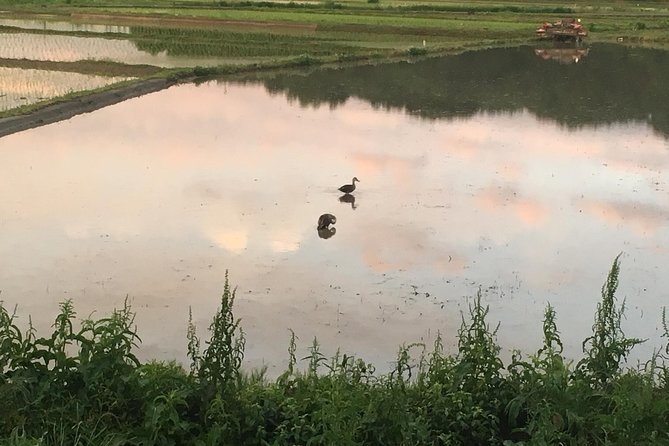
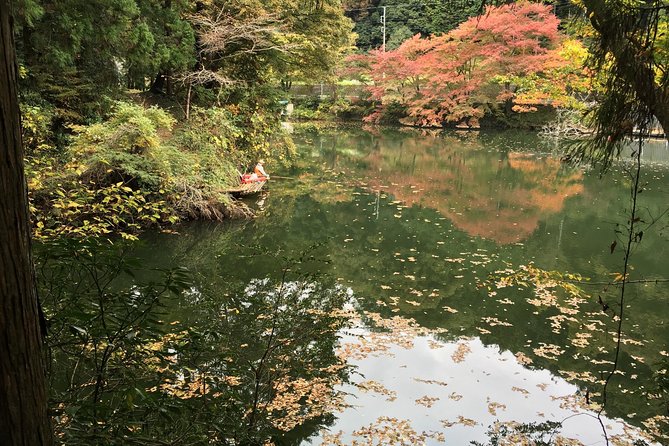
Then you head to Ogose-machi, where the day starts to feel like a classic countryside montage: mountains, temples, shrines, and waterfalls. The itinerary frames this segment as showing rural Japan in a way that is far from the typical tourist trail.
The named highlight here is the Dragon Taming Temple. It features a monk who has telepathy with the carp in the pond beside the temple. That sounds like folklore, because it is, but it is also exactly the sort of detail that makes a day tour memorable. It tells you the site is not only about architecture or incense. It is about local stories and the relationship between people and nature.
Even if you do not buy every piece of legend literally, you can still appreciate what it accomplishes:
- It explains why people gather here
- It connects the pond and temple into one scene
- It makes the countryside feel human, not just scenic
The stop time is listed around 30 minutes, with free admission. That shorter window works well here because the pond-side story is the main event. If you try to pack in too much extra wandering, you might miss the moment when the site’s atmosphere lands.






Torii Pagoda in the Mountains, Xuanzang’s Bones, and the Arima Dam Totoro Drive
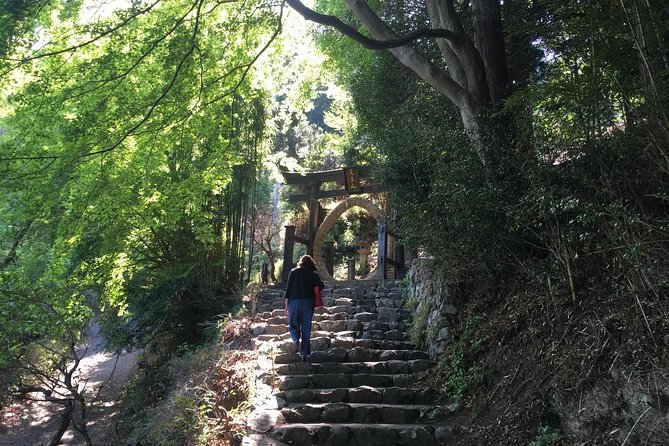
Your final planned stop goes back to Saitama for the Torii Pagoda, described as deep in the mountains. This site carries a very specific historical note: it used to hold the bones of Xuanzang, the Chinese monk who traveled India during the Tang period.
That kind of detail is gold on a day trip. It is not just pretty. It gives you a thread to follow across time and geography. When you see a structure like a torii-style pagoda in a mountainous setting, the question becomes, who cared for this place and why? Xuanzang’s story gives you an answer.
The time here is about 40 minutes, and admission is free. Again, this stop fits the overall rhythm: short enough to keep energy up, long enough for you to notice what is going on.
Before the day ends, you also drive past Lake Arima Dam. The description links the scenery to the roots of the Ghibli film My Neighbor Totoro. Even if you are not a hardcore anime fan, this is a fun way to connect imagination to real geography. You get to look at a real place through the lens of pop culture, then return to appreciating it as landscape and water and road.
Price and Value: What You Are Paying For on This Private Day Trip
Let’s be honest about the money. At $280.94 per person, this is not a casual add-on. But the pricing makes sense when you line up the inputs you actually get:
- Private service for your group, maximum 5 people
- Pickup offered, with a full-day route around rural Saitama and Hanno
- Guide interpretation across multiple culturally significant sites
- Admission at the listed stops is free
The best value shows up when you want the guide for more than just directions. On this kind of tour, the guide helps you translate what you see: temple dedications, shrine legends, and why these places are meaningful to locals.
Also, the average booking window is 77 days in advance. That suggests you should not wait until the last minute if you want a specific date. Private countryside tours have fewer seats than big-city group tours.
A smaller, practical note from real-world experiences: in at least one case, pickup timing shifted due to traffic. That is not a dealbreaker, but it reinforces that this is a day that runs on human roads and human driving, not a rigid system.
Rain, Mountain Roads, and How to Dress for Real Japan Countryside
Weather can change how a countryside day feels, and you should plan for that. The tour requires good weather, and if it is canceled for poor weather you are offered a different date or a full refund. That is the responsible policy.
At the same time, a rainy day can still make the forest and sites feel beautiful, and you can still have a great time if rain is not severe. The key is to come prepared:
- Wear shoes that can handle wet stone or dirt paths
- Bring a light rain layer you can use quickly
- Keep your phone protected for shrine photos and scenic moments
Mountain roads can also mean the day feels slower or faster depending on traffic. If you are the type who hates unpredictability, this might feel uncomfortable. If you like the countryside vibe, you can treat the drive as part of the fun.
Who This Tour Suits Best (and Who Might Want a Different Plan)
This tour is a great fit if you want:
- A countryside day trip from Tokyo without transit stress
- Temples and shrines that come with clear stories, not just stop-and-go photos
- A small group setting where you can ask questions
It is also ideal if you enjoy animals and nature details, since deer and monkeys show up at the bamboo temple stop. If you like Japan that feels lived-in, not packaged, this is the direction.
You might want a different plan if:
- You strongly prefer fully guided, long stays at fewer sites. Here, you have shorter visits at multiple locations.
- You are very sensitive to walking on mountain grounds, since Ne-no-gongen is up on the mountains and framed for hikers.
Good news: the tour says most travelers can participate, service animals are allowed, and it is near public transportation. Pickup is offered, so even if you normally use public transit, you still get a simple entry into the countryside route.
Should You Book This Tokyo Countryside Exploration Private Tour?
If you are ready for a day that feels quieter and more local than the usual Tokyo checklist, I think it is a strong choice. You get a tight mix of rural Japan icons: bamboo temple atmosphere with Gozu lore, shrines tied to specific legends, and mountain views. Then you end with the Torii Pagoda story about Xuanzang, plus a drive that connects Arima Dam to Totoro.
I’d book it when:
- You want privacy and conversation, with up to 5 people
- You like cultural context that helps you understand what you are looking at
- You are okay with short site visits and a full-day drive
I’d pause or double-check expectations if:
- You need a very strict, exact pickup schedule
- You dislike any uphill walking, since at least one shrine stop is explicitly mountain-top and aimed at hikers
Overall, this is one of those tours where the value is less about a single famous sight and more about the whole countryside story arc, guided by Jeremy Owen and made personal by the small group size.
FAQ
How long is the Tokyo Countryside Exploration Private Tour?
It runs about 8 to 9 hours.
What is the price per person?
The price is $280.94 per person.
How many people are in the group?
This is a private tour with a maximum group size of 5.
Is pickup included?
Yes, pickup is offered.
Are the sites admission tickets free?
Admission tickets for the listed stops are free.
What if the weather is bad?
The experience requires good weather. If it is canceled due to poor weather, you will be offered a different date or a full refund.
What is the cancellation policy?
Cancellation is free. You can cancel up to 24 hours in advance for a full refund. If you cancel less than 24 hours before the start time, the amount paid is not refunded.
More Private Tours in Tokyo
More Tours in Tokyo

More Tour Reviews in Tokyo
Not for you? Here's more nearby things to do in Tokyo we have reviewed












Tokyo City Tours, side by side.
 ★ 5.01-Day Tokyo Bus TourFrom $12914,250 reviews
 ★ 4.5TOKYO SKYTREE® Admission ticketFrom $1311,192 reviews
 ★ 4.6teamLab Planets TOKYO Digital Art Museum Entry TicketFrom $259,779 reviews
 ★ 4.0Mt Fuji & Hakone Cruise, Drum Show Bullet Train 1 Day from TokyoFrom $1497,413 reviews
 ★ 5.0Shinjuku Food Tour (13 Dishes at 4 Local Eateries)From $866,603 reviews
 ★ 4.4Tokyo Mt Fuji 5th St & Hakone Cruise Bus Tour w/Bullet TrainFrom $1545,024 reviews
 ★ 5.0Flagship 2-Hours Official Street Go-Kart Tour – Tokyo Bay ShopFrom $644,974 reviews
 ★ 4.5From Tokyo: Mount Fuji Full-Day Sightseeing TripFrom $684,970 reviews