
Review · TOKYO CITY TOURS
Tokyo Metro Subway Ticket
Tokyo subway turns your day into a straight line, especially when you have a ready-to-use pass system for Tokyo Metro and Toei. This ticket is built for speed: scan a voucher QR code, grab your physical metro card, and get on with minimal fuss across a huge part of the city.
Two things I like a lot are the promise of punctual trains and the practical ease of using it at stations with multilingual support. The subway experience is also described as clean and safe, which matters when you are moving around late or between neighborhoods.
The main drawback to keep in mind is value. Buying through an agency can cost more than getting the pass another way, and one schedule-related hiccup can add stress if your QR code arrives later than expected.
Key highlights you should know before you ride
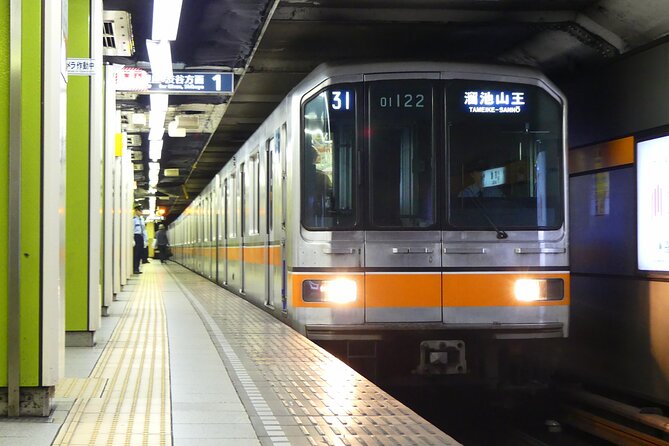
One ticket for Tokyo Metro plus Toei: You can enter and exit across both systems without hunting for separate passes.
QR code to voucher redemption: You scan a voucher barcode at a machine or exchange at a counter to print your physical card.
Validity tied to printed expiration time: The expiration time is printed when you pass through the ticket gate.
English help plus written guide: You get an English written guide, not just a card and a prayer.
Small group size limit: The max group size is 20, which keeps the experience focused.
Why this Tokyo Metro subway pass is useful on a real trip
Tokyo’s subway can feel like a magic trick at first. Lines crisscross, stations are packed with options, and walking transfers can eat hours if you plan poorly. A multi-day subway ticket takes one big decision off your plate, because you are not mentally calculating each ride while you are trying to see things.
This pass is also designed around how Tokyo actually moves. The overview emphasizes punctuality, frequent schedules, and short waits. That combination is what lets you build a day with confidence. When trains are reliable, you can stack sights in a sensible order instead of leaving half your plan as free time.
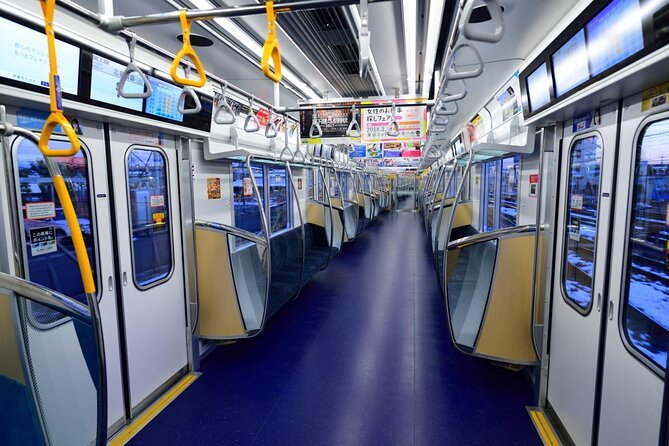
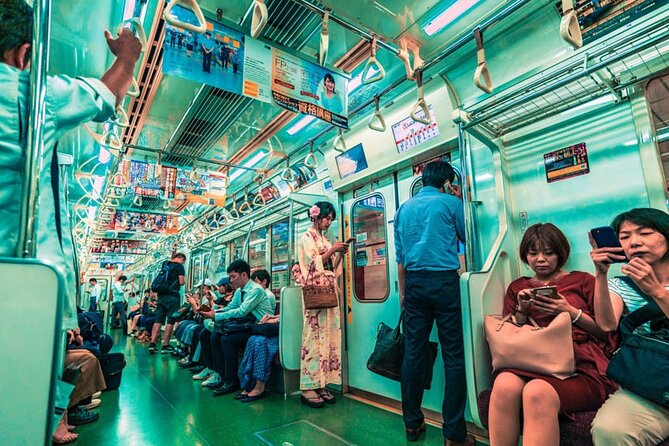
I also like that the system is presented as clean, safe, and easy to navigate with Japanese and English signage. That matters more than people think, because Tokyo works best when you can read signs quickly and keep moving.
The ticket is flexible, too. You can get on and off at the stations you choose. That sounds basic, but it is what you need when your plans change because a restaurant has a line or the weather shifts.
More Tokyo tours and experiences for the shortlist



Getting your pass: QR code, voucher scan, and the physical card
Here is the practical flow, and it is the part you want to nail before you head into stations.
After booking, you receive confirmation at the time of booking. Then, you get a QR code by email one day before the tour date. The key point is that you should have a device that can display the QR code, or be ready to print it if you prefer.
To turn the voucher into something you can use at gates, you do this:
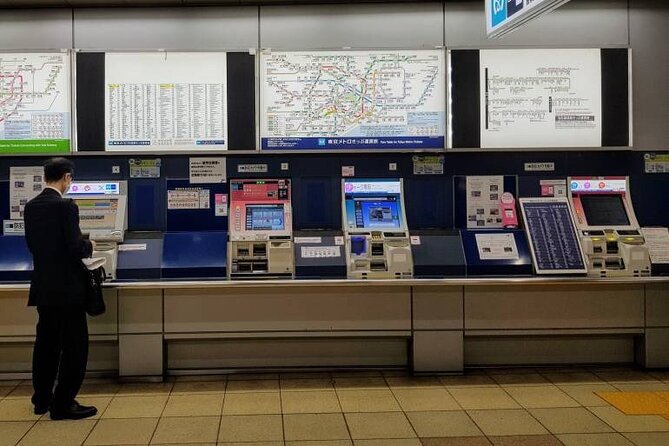
- You scan the voucher barcode on a gray ticket vending machine to print your ticket, or you can exchange it at a counter.
- If you have trouble exchanging the voucher, the staff can help.
- When you first pass through the ticket gate, the expiration time is printed on the physical ticket.
That last detail is a small but important reality check. Your validity is tied to what happens at the gate, not just what you imagine from the start date on your email. So you want to use the ticket soon after you plan to start riding.
A real-world caution from pricing and timing experiences
One common stress point with any pre-bought transit pass is timing. Even if the process is straightforward, you do not want to find out the QR code is late when you are already at the station. This is exactly why I treat the QR email as a must-check item.
Also, there is a value caution. One experience reported that buying through this agency ended up being almost double the actual cost of the pass. That does not mean every booking is overpriced, but it does mean you should sanity-check pricing against what you would pay locally.
If you are comparing costs, look at two things:
- total price per person for your chosen day length
- whether you would otherwise buy directly on the ground with fewer markups
Your riding zone: Tokyo Metro lines and Toei subway access
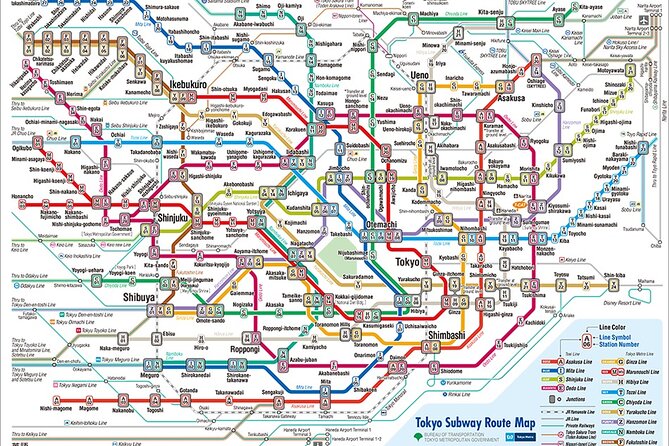
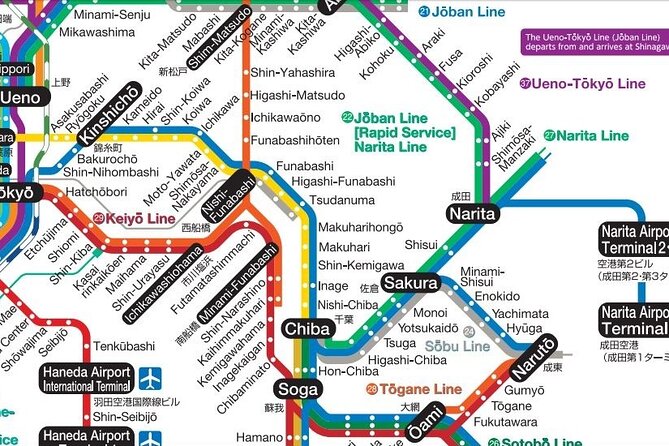
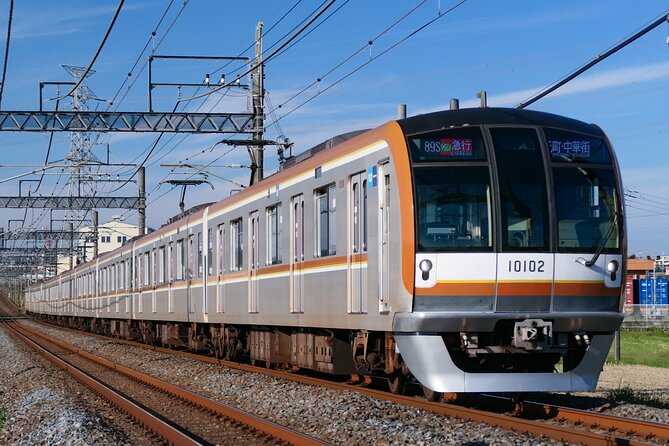
This ticket covers a big chunk of the city by design. You can check in and check out from subway stations on Tokyo Metro Lines and Toei subway lines. In other words, you are not limited to one small set of stations.
That matters because the city’s major sights are spread across neighborhoods that do not sit neatly on a single line. With access to both Tokyo Metro and Toei, you can usually route yourself with fewer detours, which is the difference between seeing Tokyo efficiently and spending too long in transit.
You can enter and exit at whichever station you want. No need to memorize a strict path. Just follow signs, read the line directions, and go where your day takes you.
Why this is more convenient than it sounds
Tokyo station planning can be mentally taxing, especially if you are tired. A pass that works across systems lowers the number of decisions you make every time you board.
It also helps you adapt. Say a stop is crowded, or you learn a museum you wanted is closed. With a multi-day ticket and open-ended station access, you can pivot without worrying that you just blew your budget on one extra ride.





Stop-by-stop: what happens when you use it in Tokyo
Although the experience is listed as a single key stop, you can think of it in two stages, because those are the two different skills you need in Tokyo.
Stage 1: Redeeming your voucher at the station
This is your first contact with the system, and it is where people either feel smooth or feel stuck.
You will exchange your voucher into a physical metro card or ticket by scanning your voucher barcode at a gray vending machine, or by using the counter. The guidance is clear: if you have any difficulty, ask the staff for assistance.
A big advantage here is that the instructions explicitly focus on the QR code method. That is helpful because it matches how many transit services now handle tickets, and it avoids card payment problems at the station that some people ran into with other methods.
What to have ready:
- Your QR code on your phone (or printed)
- A plan for where you will redeem it, since you need to do this before you expect to enter gates
Stage 2: Entering gates on Tokyo Metro and Toei
Once you have the physical card, you are in business. When you pass through the ticket gate, the expiration time is printed on the ticket.
From there, use the subway freely on both Tokyo Metro and Toei. Choose stations based on your day, not based on the pass rules.
One more practical note: the experience requires a valid photo ID or passport to be displayed at the entrance. Even if the subway system is self-serve, this requirement exists for the overall experience. So pack your ID like it is part of your essentials kit, not an afterthought.
Choosing 1, 2, or 3 days: how to decide without overpaying
The ticket is available for duration options described as 1 to 3 days (approx.). The physical ticket will show an expiration time printed when you pass through the gate, which ties your real usage to the first ride date.
Here is a simple way to decide:
- Pick 1 day if your itinerary is very concentrated, like a single neighborhood loop with a couple of farther rides.
- Pick 2 days if you are doing multiple areas, for example mixing central sights with one or two side trips.
- Pick 3 days if Tokyo is your main event and you expect to ride often between neighborhoods.
The best way to avoid paying for days you do not use is to list your likely subway-heavy days. If you are the type who changes plans and keeps moving, longer validity can be worth it because you gain flexibility. If you plan to walk more than you ride, shorter duration might be the safer bet.
And remember the value warning: one experience flagged that buying through this agency can cost much more than the pass’s actual cost. So if you are budget-conscious, double-check whether your expected ride count makes the agency price feel fair.
Included and not included: what you are really paying for
This ticket includes an admission ticket as per the tour grade you select, plus a written English guide. That is the core value: you are paying for the ability to redeem a multi-day pass and get instructions in English.
Food and drinks are not included. That one is easy, but it matters for planning. You still need to budget for meals and hydrate normally as you would anywhere in Tokyo.
Also, the overview emphasizes a well-run public transportation experience: punctuality, efficiency, cleanliness, and safety. Those are not listed as separate inclusions, but they are part of why people find the subway so usable for a multi-day pass.
Group size, comfort, and what to bring
The maximum group size is 20. That typically means you are not dealing with a huge crowd dynamic, which helps if you need staff clarification during redemption.
From the instructions, the essentials are:
- A device that can display the QR code (printing is an alternative if you prefer)
- A valid photo ID or passport to be displayed as required at the entrance
You will also want to be ready for the practical detail that the voucher exchange happens at a vending machine or counter. Have a few minutes for that part, especially if the station is busy.
The experience is described as near public transportation, and most people can participate, so it is not framed as an extreme, specialized activity. The main challenge is logistical timing, not physical effort.
Price and value: making sure $8.85 is a win for you
The price is listed as $8.85 per person, and the biggest question is always: is that competitive for your day length?
Based on one caution from an experience, the agency price can be almost double the actual cost of the pass. That is a red flag worth paying attention to. It does not automatically mean you should skip it, but it does mean you should compare.
Think of the ticket as buying convenience plus instructions, not just buying transit time. If you want the simplest path from booking to station redemption, the service has value. If you prefer to minimize markups and you are comfortable buying locally, you might find a better rate elsewhere.
My practical advice:
- If you want least friction, this can work well.
- If you want best price, compare first, especially for 2- or 3-day options.
Who this pass suits best (and who should think twice)
This is a strong fit if:
- You plan to ride the subway frequently across multiple neighborhoods
- You want open-ended station access on Tokyo Metro and Toei
- You appreciate English written guidance and a structured redemption method
It might be a weaker fit if:
- You are ultra price sensitive and would rather pay the lowest possible amount directly on the ground
- You hate last-minute email dependency and want a ticket instantly at booking time
- Your schedule is tight on the first day and you are worried about QR code timing
If you are flexible and you can check your email the day before, it becomes a smooth tool. If you tend to ignore digital confirmations until the last second, build in an extra buffer.
Should you book this Tokyo Metro subway ticket?
If your goal is simple, affordable movement across Tokyo with minimal hassle, this kind of pass approach can make your trip easier. The big strengths are the QR code to station redemption flow, access to Tokyo Metro and Toei, and the assurance of punctual, efficient service described in the overview.
I would book it when the price you see feels fair for the day count you need, and when you are comfortable using the QR code instructions you will get ahead of time. I would think twice if your budget depends on squeezing every yen, or if you know you are likely to show up at the station without checking your email the day before.
FAQ
FAQ
How do I redeem the pass after I book?
You get a QR code by email one day before the tour date. To use it, scan the voucher barcode on a gray ticket vending machine to print your ticket, or exchange it at the counter.
Do I need to print the QR code?
No. You can show the QR code from your smart phone itself.
Which subway lines are covered by this pass?
It works on Tokyo Metro subway lines and Toei subway lines. You can check in and check out from stations on either system.
How long is the pass valid?
The pass is available for durations described as 1 to 3 days (approx.). The expiration time is printed on the physical ticket when you pass the ticket gate.
What is included in the price?
Included are the admission ticket as per the tour grade selected and a written English guide.
Do I need to bring identification?
Yes. A valid photo ID or passport is required to be displayed at the entrance.
More Tickets in Tokyo



More Tour Reviews in Tokyo
Not for you? Here's more nearby things to do in Tokyo we have reviewed












Tokyo City Tours, side by side.
 ★ 5.01-Day Tokyo Bus TourFrom $12914,250 reviews
 ★ 4.5TOKYO SKYTREE® Admission ticketFrom $1311,192 reviews
 ★ 4.6teamLab Planets TOKYO Digital Art Museum Entry TicketFrom $259,779 reviews
 ★ 4.0Mt Fuji & Hakone Cruise, Drum Show Bullet Train 1 Day from TokyoFrom $1497,413 reviews
 ★ 5.0Shinjuku Food Tour (13 Dishes at 4 Local Eateries)From $866,603 reviews
 ★ 4.4Tokyo Mt Fuji 5th St & Hakone Cruise Bus Tour w/Bullet TrainFrom $1545,024 reviews
 ★ 5.0Flagship 2-Hours Official Street Go-Kart Tour – Tokyo Bay ShopFrom $644,974 reviews
 ★ 4.5From Tokyo: Mount Fuji Full-Day Sightseeing TripFrom $684,970 reviews