
Review · HAKONE DAY TRIPS
Private tour – Scenic Fuji Escape: Hakone, Peace Park & More
Fuji views run the whole day. This private route strings together Hakone ropeway scenery, boat-and-shrine moments by Lake Ashi, and big Mount Fuji photo stops. I also like the hands-on private guidance that keeps you moving between sights without the usual Tokyo stress. One possible drawback is simple: the day can go cloudy or rainy, and Mount Fuji views depend on the weather.
What you are buying is not just scenery, it is timing. The total day is listed at about 9 hours, but the tour experience is described as eight hours, with extra time beyond that handled as an added charge. With multiple viewpoints, lakes, and shrines in one stretch, you will want moderate physical fitness, especially for the step-heavy Chureito Pagoda stop.
The guide matters here. In the stories I read about this tour, guide Puskal is praised for being friendly, on-time, and helpful in the moment, including staying with the group and helping people take photos at the best spots when the views cooperate.
Key highlights you should care about
- Private pickup from Tokyo plus a full day of private transportation
- Hakone volcanic mood plus shrine-and-lake scenery
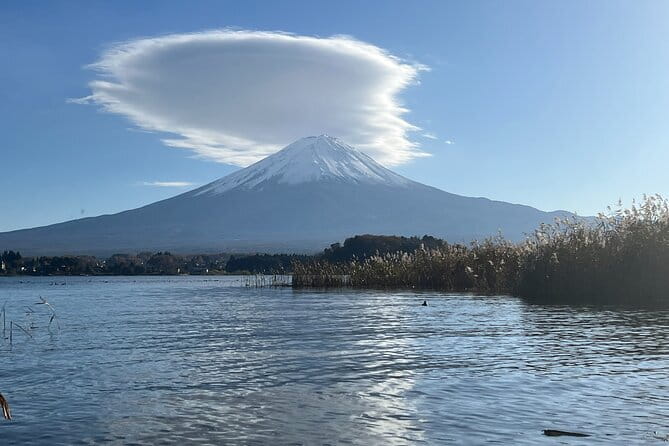
- Multiple Mount Fuji vantage points across the Fuji Five Lakes region
- UNESCO site visit at Kitaguchi Hongu Fuji Sengen Jinja
- Chureito Pagoda photo stop with 398 steps built in
- Gotemba Peace Park with a Buddha stupa tied to late Prime Minister Nehru
Private Fuji Views, Full-Day Pace: What You Really Get
This is a one-day private tour built for people who want the classic Mount Fuji area without spending your vacation wrestling with trains, transfers, and ticket lines. You start in Tokyo and end back at your starting point, with pickup offered and your group handled as a small party of up to 6.
The route is wide, but the idea is coherent. You will move from Hakone’s volcanic and lakeside atmosphere into the Fuji-lake world, then finish with a shrine-and-photo sequence that brings you close to the most famous Fuji angles. You also get time at a peace park in Gotemba, which is a nice break from the usual click-and-go mode.
I like that the itinerary mixes “big postcard views” with quieter, older places. Hakone Shrine and the forest shrine at Kitaguchi Hongu Fuji Sengen Jinja give you context for why Fuji is sacred. Then you still get the photo classics like Chureito Pagoda, with the steps and everything.
Just be honest with yourself about pacing. Several stops are around 30 to 60 minutes. That is enough time to see, take photos, and ask questions, but it is not a slow travel day where you linger for hours. If your ideal day is 3 stops max, you might find this one brisk.
You can also read our reviews of more private tours in Tokyo

Getting From Tokyo and Why a Private Route Matters
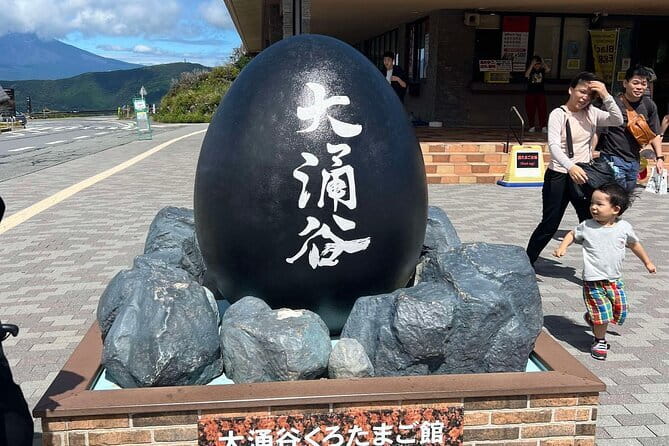
The biggest practical win is the private setup. You get an air-conditioned vehicle, pickup and drop, and private transportation including highway charge. That matters because the sights are spread across the Fuji-Hakone belt, and public transit is doable but not always simple with weather, luggage, or timing.
You also get an English-speaking guide. That is more than convenience. With Fuji-area sights, small things like which approach road to use, when to walk a viewpoint path, or how to structure the order so you are not stuck in the wrong light can make the difference between a nice day and a great day.
Booking about 45 days in advance is typical for this kind of full-day private routing. If you are traveling in peak season or on a limited schedule, earlier booking helps you lock in the date. You also get a mobile ticket, so you are not scrambling for paper.
The tour is near public transportation, but you should still plan on using the pickup. This is the sort of day where you want fewer moving parts, not more.
Hakone-machi: Ropeway, Lake Ashi Torii, and Owakudani Valley Atmosphere
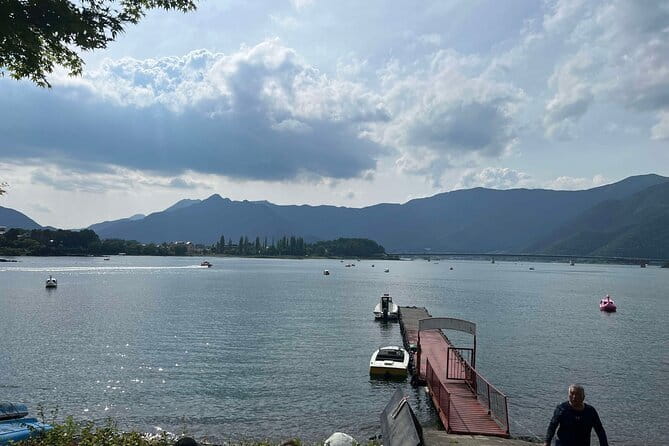
Hakone-machi is your first taste of why people fall for the Fuji area. You are in Fuji-Hakone-Izu National Park, in a mountainous hot springs region where the volcano is part of the scenery and the mood.
Here is what you are set up to see:
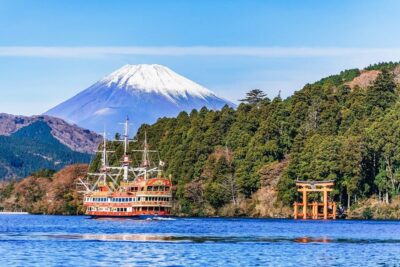
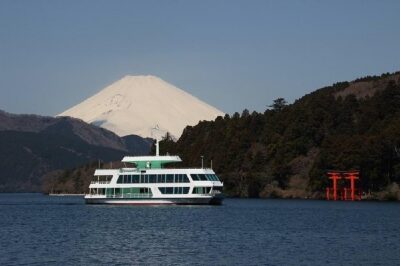
- Hakone Shrine, a Shinto shrine with a red torii gate over Lake Ashi
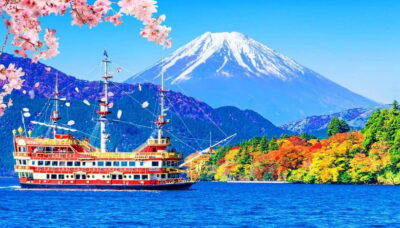
- Boat touring as an option around Lake Ashi
- Owakudani Valley, known for boiling sulphur springs
This is also where the tour’s “thrill plus nature” side shows up. The overview highlights a ropeway ride in Hakone, which fits perfectly with the mountain terrain and the classic midair viewpoints people want from this region.
One thing to know, practical and simple: Owakudani’s sulphur atmosphere is strong. Even if you do not love smells, the geothermal scene is one of those sights you will not forget.
Admission for this first stop is listed as free in the tour info, so you are not hit with extra payments right away. Still, keep small change or a card ready, because later stops have paid components depending on what you choose to do.
Time is about 1 hour. That is a short window, so the guide’s job is key: choosing the best route on foot, getting you positioned for the iconic shrine gate and the lake views, and then moving you toward the volcanic sights without wasting time.
Fuji Five Lakes and Rural Fuji Stops: Yamanaka, Oshino Hakkai, and Kawaguchiko
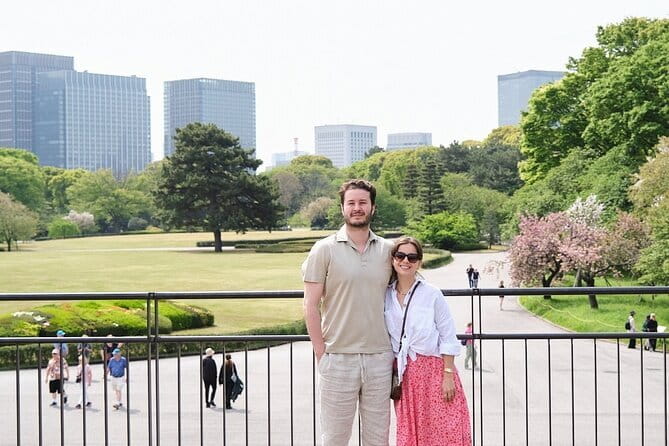
After Hakone, the day shifts from volcanic drama to Fuji-lake calm, with several of the area’s most photographed and best-loved places.
Lake Yamanaka
Lake Yamanaka is a peaceful stop built around Mount Fuji views and outdoor time. It is described as having tranquil waters, plus scenic walking trails, and it is a place people go boating and fishing. Your time here is about 30 minutes.
Admission is not included for this stop, so budget a little for what you want to access. The good news is you probably do not need a paid ticket just to enjoy the lake-and-Fuji outlook, but the tour timing suggests you will prioritize viewpoints over long hikes.






Oshino Hakkai
Oshino Hakkai is one of those places that feels like a step back into rural Japan. You get eight spring-fed ponds, fed by Mount Fuji snowmelt. The area is known for its clear water and for thatched-roof houses.
This stop lasts about 1 hour. You should expect a slower rhythm here. Walk the pond area, pause for photos, and take in the village-like atmosphere. Admission is not included, so again, plan for potential entry costs depending on what you enter.
A drawback to mention: the charm is real, but time is limited. If you want a long, do-nothing wander, you may wish the stop were longer.
Fujikawaguchiko and Oishi Park on Lake Kawaguchiko
Fujikawaguchiko is your base area for Lake Kawaguchiko, one of the Fuji Five Lakes. It is described as the second largest by surface area and at the lowest elevation. Your time is about 45 minutes, and the overview frames the day around a Lake Kawaguchiko cruise as well as lake viewpoints.
If you are the type who likes a “water angle” of Mount Fuji, this is one of your best shots because lakes reflect and frame the mountain in a way that land viewpoints can’t always match.
Then you get Oishi Park, also around 45 minutes. Oishi Park is specifically known for a superb view of lake and Mount Fuji at once. Flowers line the lakeside promenade, and on sunny days photographers cluster early to catch clean views.
Oishi Park has a large free parking lot, which is why it is a popular rest stop even beyond this tour. Admission is listed as free for this stop, which is a nice break in cost.
If weather is iffy, this part of the day can feel hit-or-miss. On clear days you get the full photo scene. On rainy or foggy days, you will still get a pleasant lakeside walk, but the “Mount Fuji pops from the frame” factor drops.
Kitaguchi Hongu Fuji Sengen Jinja: UNESCO Forest Shrine With Big Presence
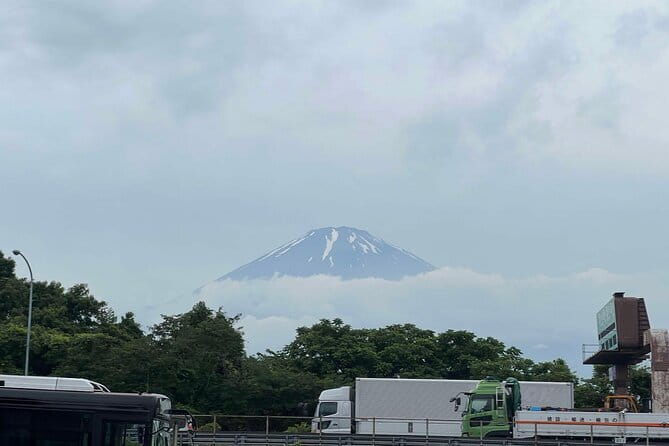
Kitaguchi Hongu Fuji Sengen Jinja is not just another shrine. It is part of the Mt. Fuji UNESCO World Cultural Heritage site, designated in 2013. This is one of approximately 1,300 Asama shrines in Japan. The deity here connects to volcanoes in general and Mount Fuji in particular.
The approach sets the tone. You are guided through a dense old-growth forest precinct that covers 99,000 square meters. The shrine is known for ties to the spirit world, and the path up to the main shrine is lined with mossy stone lanterns, shaded by tall cedar trees.
Time here is about 45 minutes. Admission is not included. That means you may want to decide ahead of time if you plan to enter the deeper precincts or focus on the outer viewpoints and approach path.
One of the most striking details on the grounds is the presence of four trees believed to be about 1,000 years old, with a girth listed at 23 meters. You do not need to be a plant nerd to feel the scale of something that old. It is the kind of detail a good guide can point out so you do not miss it while taking photos.
This stop is also a useful pacing reset. After lakes and earlier scenic stops, it is a green, quiet interlude where you can slow your steps and listen to the stories behind Fuji’s sacred status.
Mt. Fuji 5th Station and Chureito Pagoda Steps to the Peace Memorial View
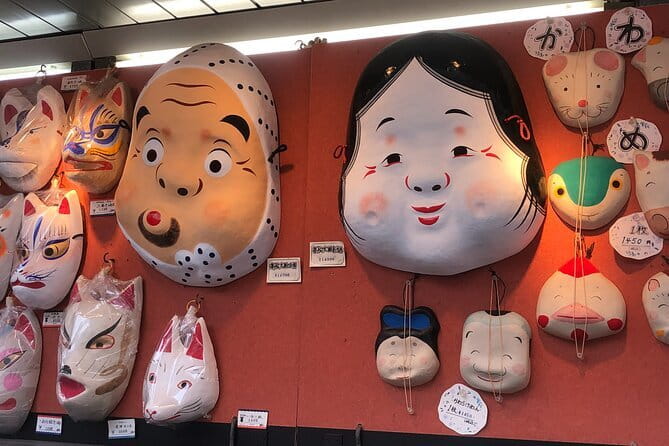
Now you reach the big iconic moments. This is where you will see the famous silhouettes and photo angles people build their Japan plans around.
Mt. Fuji 5th Station
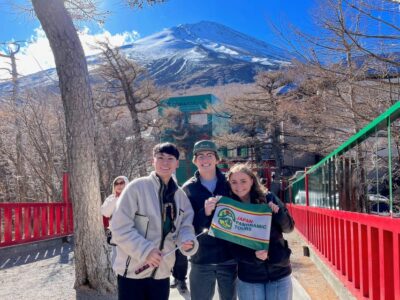
Mt. Fuji is described as an active volcano about 100 kilometers southwest of Tokyo, with a height of 3,776 meters. It is a pilgrimage site for centuries, and summit hikes remain popular.
Your time at Mt. Fuji 5th Station is about 1 hour. Admission is not included for this stop.
A practical note: you are dealing with elevation and mountain weather, and conditions can change quickly. Even when the tour is timed well, you should dress like you might need extra layers. Bring a hat, and plan for wind or cooler air around the station.
Also, if you are short on stamina, remember this is a viewing and walk-around stop, not a summit attempt. Still, do what you can comfortably. The guide can help you choose what portion of the station area to prioritize.
Chureito Pagoda
Chureito Pagoda is the classic five-story pagoda in Arakurayama Sengen Park. It is part of the Arakura Fuji Sengen Shrine and was added in 1963 as a peace memorial.
It is reached via 398 steps. That is a lot in one go. If you have knees that complain, take the steps slowly and rest when needed. This is also the point where your moderate fitness level matters.
Your time here is about 1 hour, and admission is listed as free. The view is noted as impressive when weather is clear. In the real world, you can still appreciate the pagoda even if Fuji is hidden. But if clear skies are the goal, this is where you want to be optimistic and prepared.
Gotemba Fuji Bussharito Heiwa Park: Chalky Stupa and a Different Side of Fuji
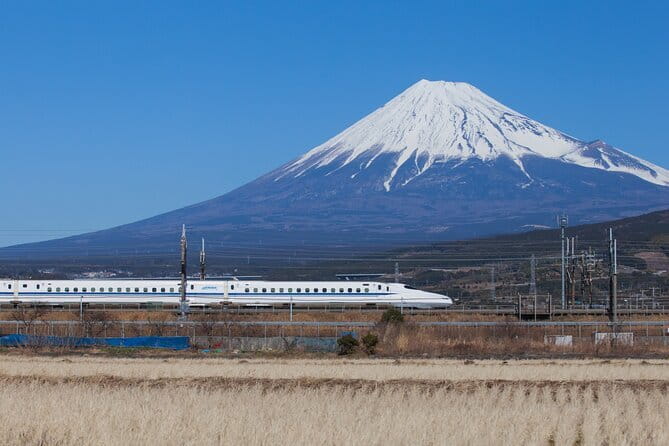
The final sightseeing stop is Peace Park in Gotemba City. It is known for a beautiful view of Mount Fuji and for housing a chalky stupa.
This stupa keeps Buddha’s ashes presented by late Indian Prime Minister Nehru. There are also four golden images of Buddha housed in the park. In front of the stupa, guardian dogs representing respective Asian countries stand in a line. The park also includes a pond circuit-style Japanese garden.
Time here is about 45 minutes, and admission is listed as free.
I like that this stop shifts the mood. The day can start to feel like a checklist of famous places. Peace Park gives you a more reflective moment, with symbolism that connects Fuji’s presence to cultural meanings beyond the photo angle.
Price and Value for a Group of Up to 6
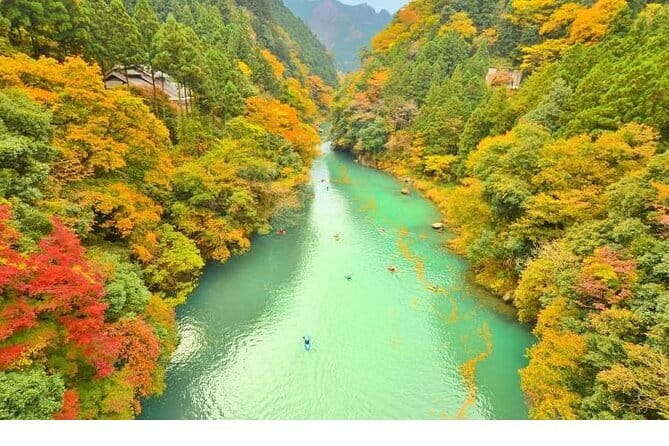
The price is $465 per group for up to 6 people. That makes the cost about $77.50 per person at full capacity, which is where this tour can look like a bargain. If you have a smaller group of 2 or 3, the per-person cost climbs, but you still get the big-ticket value items: English-speaking guide, pickup and drop, private vehicle with highway charge, and a planned route that would take real coordination on your own.
Entrance fees and lunch are not included. That is normal for tours like this, but it does mean you should budget extra for what you choose to enter. Some stops are listed as free admissions, but several are not included, such as Lake Yamanaka, Oshino Hakkai, Kitaguchi Hongu Fuji Sengen Jinja, and Mt. Fuji 5th Station.
One more value detail: the tour is described as an eight-hour experience, even though the overall day is listed at about 9 hours. If you add extra time, that can cost more. For most people, sticking to the planned schedule is the best way to keep the day smooth.
If you want a full day of Fuji icons with minimal logistics headaches, this is priced like a real private day tour, and it can be good value when spread across a group.
Should You Book Mogambo Tours Scenic Fuji Escape?
I would book this if you fit the plan: you want a focused one-day sampler of Hakone, Fuji lakes, shrines, and photo stops, and you like having a guide handle the route. It is a great option for small groups, families who can manage moderate walking, and couples who want a “greatest hits” day without turning the day into a DIY puzzle.
Skip it or rethink it if you want a slow pace, you hate step climbs, or you feel uncomfortable with a day that includes multiple stops in a limited time window. Chureito Pagoda has 398 steps, and while the tour time is planned, you are still the one doing the walking.
Also, be honest about weather. Mount Fuji views are the star of the show, and fog or rain can blunt the payoff. Go anyway if you enjoy the process of the day, because even without perfect visibility you still get Hakone’s volcanic mood, shrine atmosphere, lakeside strolls, and a peaceful ending at Gotemba.
If you can, dress for the mountain conditions and keep a flexible mind. When Fuji shows up, this day feels magical. When it does not, you still get a well-structured tour of the places that make people care about this part of Japan.
FAQ
What is the group size for this private tour?
The tour price is per group, with a maximum of up to 6 people. Only your group participates.
Is pickup from Tokyo included?
Yes. Pickup and drop are included, and the tour includes private transportation in an air-conditioned vehicle.
How long is the tour?
It runs for about 9 hours. The experience itself is described as an eight-hour tour, and extra hours beyond that can incur an additional charge.
Are entrance fees included?
Entrance fees are not included. Some stops list admission as free, but others are marked as not included, so you should plan on paying for certain sights.
Is lunch included?
Lunch is not included.
Is free cancellation available?
Yes, free cancellation is available. You can cancel up to 24 hours in advance of the experience’s start time for a full refund.
More Private Tours in Tokyo
More Tours in Tokyo

More Tour Reviews in Tokyo
Not for you? Here's more nearby things to do in Tokyo we have reviewed












Hakone Day Trips, side by side.
 ★ 5.0Mt Fuji and Hakone 1-Day Bus Tour Return by Bullet TrainFrom $16326,383 reviews
 ★ 4.0Mt Fuji & Hakone Cruise, Drum Show Bullet Train 1 Day from TokyoFrom $1497,413 reviews
 ★ 4.4Tokyo Mt Fuji 5th St & Hakone Cruise Bus Tour w/Bullet TrainFrom $1545,024 reviews
 ★ 4.7Mt. Fuji Tour, Hakone Ropeway, Owakudani, Lake AshiFrom $544,002 reviews
 ★ 4.2Mt. Fuji 5th Station & Hakone Cruise 1-Day Bus TourFrom $1292,381 reviews
 ★ 5.0Private Tour to Mt. Fuji and Hakone (Fully Licenced Operator)From $4971,910 reviews
 ★ 4.0Mt Fuji & Hakone Cruise, Drum Show Bus 1 Day from TokyoFrom $1221,287 reviews
 ★ 4.2From Tokyo: Mt. Fuji & Hakone Tour w/ Return by Bullet TrainFrom $1171,278 reviews
This tour also belongs to