
Review · MOUNT FUJI TOURS
Mt. Fuji Tours with Kawaguchi Lake Ropeway View English Speaking
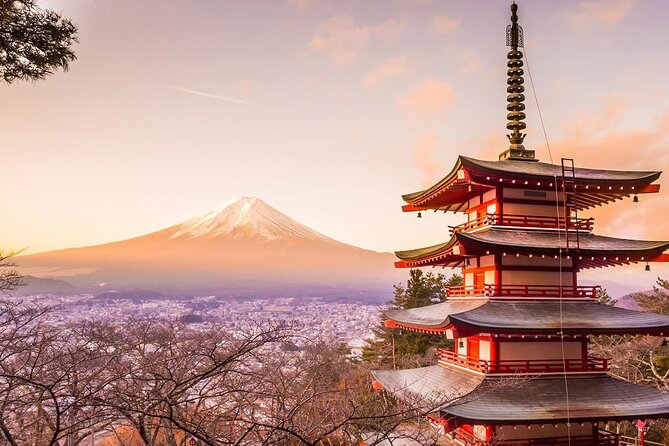
Mt. Fuji is the whole point of this trip. It’s a Tokyo-to-Fuji day that mixes big scenic views with classic stops around Lake Kawaguchi and Oshino Hakkai, so you can skip the logistics math. I love the chance to see Fuji from several viewpoints, and I love that the itinerary is set up so you’re not hunting tickets, bus routes, and timing all day. One thing to consider is that weather and crowds can decide what you actually see, even with great planning.
You’ll be dealing with a full day, roughly 10 hours, plus real-world road delays. On clear days it feels magical, and guides can make the ride fun with facts and pacing. On cloudy or rainy days, Fuji can vanish, and some time at stops can feel tight if the day gets bogged down in traffic.
Quick hits
- Multi-view Mt. Fuji strategy: several viewpoints instead of one gamble
- Ropeway + cable car combo: built-in scenic “up high” moments
- Oshino Hakkai’s eight ponds: classic Fuji-area springs at ground level
- English communication focused: you’ll meet guides praised for clear directions
- Small-group option: fewer people if you choose the door-to-door transfer
- Plan B for gondola/cable car issues: Sengoku boat alternatives can appear
Why This Mt. Fuji Day Trip Works Without DIY Headaches
If you’ve ever tried to plan a Mt. Fuji day from Tokyo, you already know the trap: it’s not one decision, it’s ten. Train changes, ticket lines, park timing, return timing, and then suddenly you’re Googling like it’s a full-time job.
This tour solves the big stuff for you. Transportation and routing are handled, and you’re given a structured sequence of sights around Lake Kawaguchi, plus the well-known Fuji-area stop at Oshino Hakkai. That matters because the best views tend to happen in a narrow time window, and you don’t want to waste it figuring out the next hop.
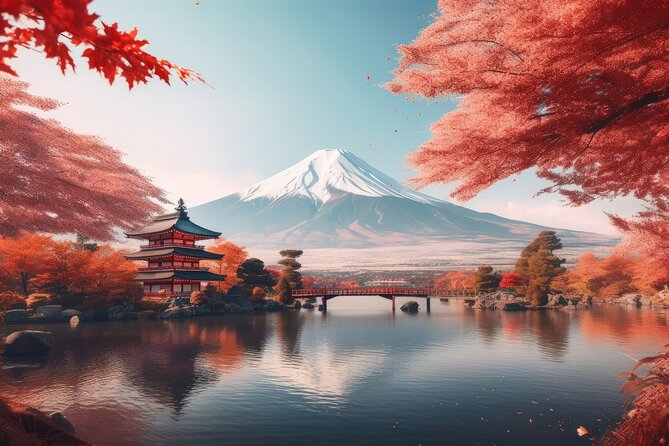
Another underrated win is that the itinerary isn’t just one viewpoint and done. It stacks different angles across the day, including rides up from the lakeside. That’s a practical way to improve your odds when Fuji is moody.
You can also read our reviews of more tours and experiences in Tokyo.



Picking the Right Pickup Option in Tokyo
This experience starts with two central pickup points in Tokyo, and the departure info is sent to you the night before. You’ll get a reminder email with the vehicle registration number, the guide contact, and the pick-up time. That little detail can save you stress in a place where meeting points can be chaos.
You can also upgrade to a small group package with door-to-door transfer from select Tokyo Metropolitan districts. The small-group transfer window is 7:00–8:30, and the vehicle is more comfortable with fewer people. There’s also a trade-off: the small-group option notes say there’s no detailed explanation compared with the standard format, so you’re buying comfort and simplicity more than deep commentary.
One more real-world tip: meeting points can get crowded, especially when multiple tours line up. If you’re early, still scan for the correct guide and bus details from your reminder email.
Ropeway Start at Lake Kawaguchi, From Gondola Views to Mountain Cable Car
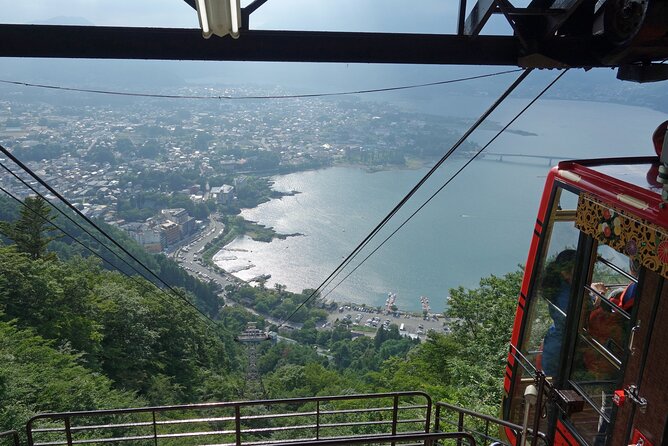
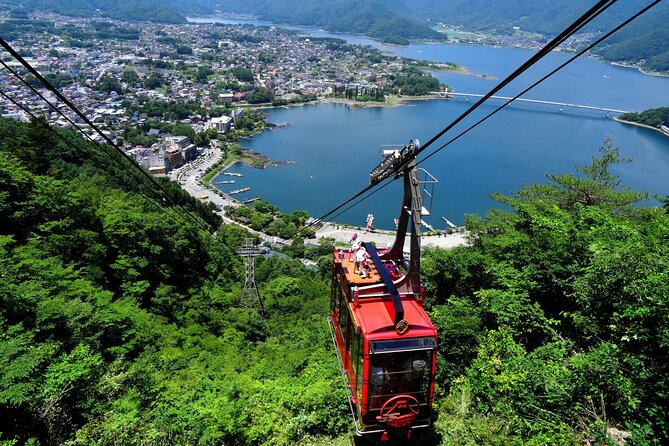
The day begins at the Mt. Fuji Panoramic Ropeway area by Lake Kawaguchi. Your first scenic “wow” is the Lake Kawaguchi Panoramic Gondola, which gives you elevated views over the lake and the surrounding Fuji landscape.
Then the day moves to Lake Kawaguchiko Kachikachi Mountain Cable Car. You’ll ride up toward an observatory, with scenic stages along the way. The key value here is simple: you’re gaining height at least once early and again later. That improves your chance of seeing Fuji clearly, and it also gives you photos that aren’t all shot from street level.
Tickets matter too. The gondola admission ticket is listed as included, and the cable car fee is included as well. That’s how this tour becomes easier to budget: you’re not paying separate big-ticket transit attractions on top of transport.
Kachikachi Cable Car Hours, Weather Limits, and Sengoku Boat Alternatives
Mt. Fuji area transport has rules, and the tour description spells out timing. The Kachikachi Mountain Cable Car typically operates:
- Weekdays: 9:00 AM to 4:00 PM (last descent at 4:20 PM)
- Saturdays, Sundays, and holidays: 9:00 AM to 5:00 PM (last descent at 5:20 PM)
There’s also an important caveat: the cable car can be suspended due to strong winds, lightning, or other weather conditions. If that happens, your itinerary changes to a Sengoku boat ride at Lake Kawaguchi, or your ticket fee is refunded. So you’re not stranded, but you should expect that “up in the air” feeling may switch to “on the water” instead.
One more seasonal detail to note: the Kawaguchiko Gondola can be repaired from Dec. 10 to Dec. 20. During those dates, you’ll take the Sengoku Boat instead, and the info specifically warns not to buy gondola-related tickets if you want to use the gondola.
Practical advice: if your travel dates land near late December, double-check what day you’re actually riding so you’re not disappointed by a replacement ride.
Matcha Time at Konohana Museum and Oishi Park With Lavender Season in Mind
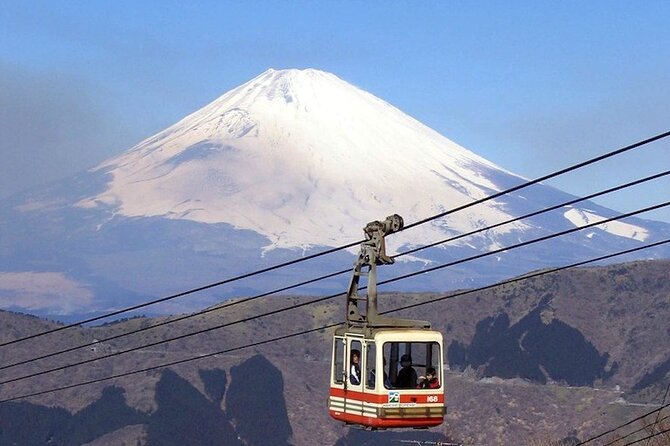
After the mountain views, the itinerary slows into culture and calm. You’ll head to the Lake Kawaguchiko Konohana Museum for a matcha experience of about 60 minutes. The description notes that the matcha time may be shortened due to traffic jams or other force majeure situations. That’s not unusual in Fuji day trips, but it’s worth being mentally ready for.
Then comes Oishi Park, a shorter stop (about 30 minutes). The big seasonal detail here is lavender. Every summer, Oishi Park’s lavender blooms heavily and covers parts of the park in purple. Even if lavender isn’t at peak bloom when you go, Oishi Park is still a lakeside break after rides and travel time.
If you’re the type who wants time to wander without being rushed, aim to get out early at these stops. When traffic is smooth, you’ll feel more relaxed. When it’s not, this is where your “best pacing” depends most on how the day is flowing.



Oshino Hakkai Eight Ponds, Plus the Reality of Tourist Crowds
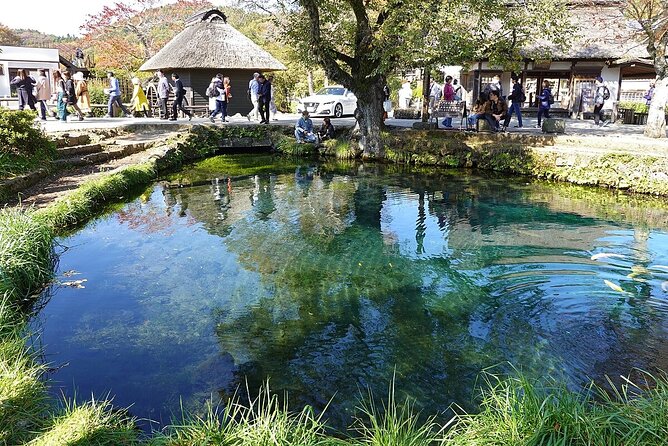
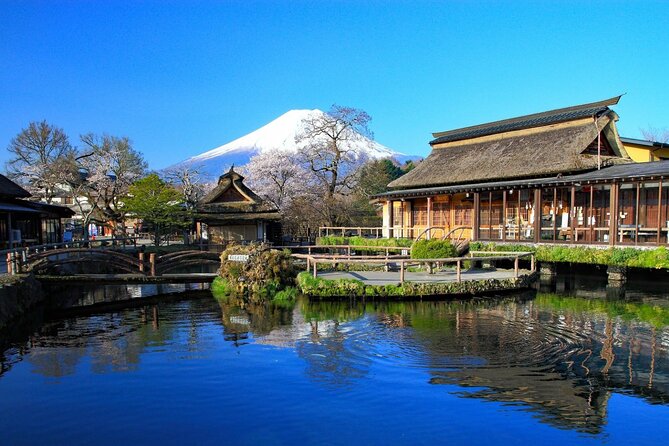
The classic finale in many Fuji-area itineraries is Oshino Hakkai, famous for its eight clear spring ponds fed by Mount Fuji snowmelt. This is where you get Fuji-area water and a traditional feel close to the base of the mountain.
Expect roughly 60 minutes there. That’s usually enough time to see the eight ponds and take a few walks, but it’s also enough time for crowds to matter. When lines build, your time gets compressed, and you’ll feel more “pass through and take photos” than “linger and explore deeply.”
I like Oshino Hakkai because it balances the day’s earlier mountain focus. You go from elevated scenic views down to water-level springs, so the experience doesn’t feel one-note.
Also, the tour description keeps an eye on weather: cloudy or rainy days reduce visibility. You don’t control that, but you can control your expectations. If Fuji is hidden, Oshino Hakkai still gives you something distinctly Fuji-related.
Weather, Visibility, and Red-Day Traffic, the Two Biggest Variables
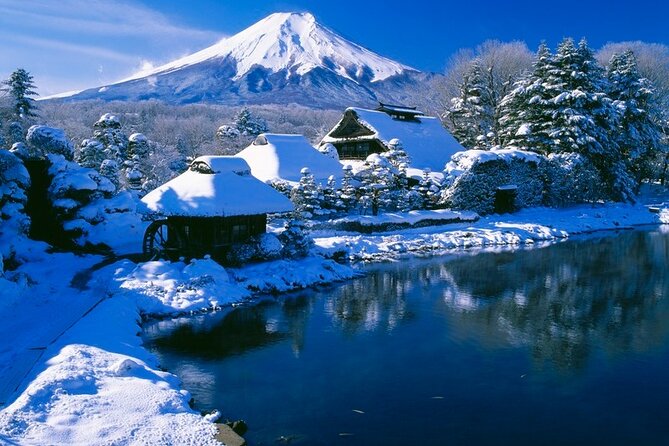
There’s one truth that decides how you remember this day trip: visibility. The tour explicitly warns that cloudy or rainy days reduce visibility, possibly obscuring Mt. Fuji. That lines up with how the tour works, because so much of the value is built around seeing Fuji from multiple angles.
The second variable is traffic, especially on weekends and Japan public holidays, the so-called red days. Traffic can push the itinerary into a tighter schedule. When that happens, you’ll likely feel rushed at stops, and sometimes the tour has to shorten activity time to comply with bus usage limits.
This is where I think the itinerary design is both smart and honest. It tries to pack in key sights, but it also sets expectations that time can compress. If you’re highly sensitive to rushed pacing, you’ll probably be happier booking on weekdays and planning around weather forecasts.
Pacing, Retail Stops, and How to Get the Most Out of Tight Time
This kind of Fuji day trip has a pacing style: you move often, you stop often, and you get just enough time to do the main thing at each location. Some people love that. Others want longer breaks to soak in each place.
From the tour feedback patterns, the most common praise is for clear communication and guides who keep things organized, with repeated good mentions of guides such as Sawaki, Erina, Luis, Louis, Vivienne, Peter, Wanting Feng, Sia, Joe, Brewski, and Young. These names show up when passengers talk about how the trip felt smooth, how questions were handled, and how helpful instructions were, including support when meeting points caused confusion.
The most common complaints are about pacing and about feeling like some stops are more retail-focused than scenic-only. Examples include a Lawson stop intended for practical needs, plus shopping moments near other sites. If you dislike tourist-shop time, treat these moments like convenience breaks, not the highlight. Use them to refill water, grab a snack, or use the restroom, and then get back to enjoying the view stops.
Also, the matcha portion has a built-in variability: traffic can shorten it. If matcha is a must-do for you, go in expecting a short but real cultural taste, not a slow, artsy afternoon.
Value for $81.41, What You’re Actually Paying For
At about $81.41 per person, this tour looks like a steal if you compare it to the cost of transport plus major attractions from Tokyo. The price includes vehicle service fees, driver service fees, and the fuel and highway tolls. It also includes key attraction tickets like the ropeway gondola admission and the Kachikachi cable car fee.
What’s not included is food and drinks, plus any personal spending and accommodation. The tour is a day trip, so lunch will either be on your own or at a dining stop that’s part of the schedule. Reviews show mixed outcomes here, from people who enjoyed the lunch stop to people who felt it was pricey.
So the value question becomes: do you want your Fuji day built for you? If yes, you’re paying mostly for time savings, smooth logistics, and included attractions. If you love building your own itinerary, you might find cheaper options, but you’ll also accept more friction and more planning risk.
Who This Tour Suits Best, and Who Should Skip It
This is a strong fit if you want:
- One-day Mt. Fuji structure without researching bus routes and ticket timing
- Several viewpoints instead of relying on one shot
- An English-speaking guide who gives clear instructions and keeps the day organized
It’s also a good fit for first-time visitors who want iconic Fuji-area stops in a single day: Lake Kawaguchi, Kachikachi, Oshino Hakkai, and a matcha experience.
You might want to skip or adjust expectations if:
- You hate tourist-shop stops and want pure sightseeing time only
- You’re very sensitive to pacing when traffic hits
- You’re traveling specifically for Fuji photos and need a high certainty outcome. Weather can still block the mountain.
If you do book, keep your schedule flexible in your head. This tour gives you a plan, but it can’t fully control clouds, wind suspensions, or weekend crowd pressure.
Should You Book This Mt. Fuji Ropeway and Kawaguchi Lake Tour?
I’d book it if you want the easiest way to see Lake Kawaguchi + Fuji-area icons with ropeway and cable car included, and you like the idea of improving your odds with multiple viewpoints.
I’d pause if you have zero tolerance for tight stop times, or if you’re traveling on a weekend or a red day when traffic can squeeze the day. If you can pick a weekday and align it with better visibility, the tour has the best chance to feel like a win from start to finish.
One last practical move: check the weather forecast before you go. When visibility is good, everything feels worth it. When it isn’t, the day still has value, but it turns into more of a Fuji-region sampler than a guaranteed Mt. Fuji photo day.
FAQ
How long is the Mt. Fuji and Kawaguchi Lake tour?
The tour runs about 10 hours (approx.), including travel time.
Where are the pickup points in Tokyo?
The tour offers two central pickup points in Tokyo, and the small-group option can include door-to-door transfer from some Tokyo districts.
What’s included in the ticket price?
Vehicle service fees, driver service fee, fuel and highway tolls are included. Admission tickets for the ropeway and the included cable car ride are also covered.
Are food and drinks included?
No. Food and drinks are not included, and you’ll need to cover meals yourself.
What happens if the gondola or cable car cannot operate?
The gondola may be replaced by a Sengoku boat if it’s under repair during Dec. 10 to Dec. 20. The cable car can be suspended due to weather, and in that case the itinerary may switch to a Sengoku boat ride, or the ticket fee can be refunded.
What if Mt. Fuji is obscured by clouds or rain?
Reduced visibility is expected on cloudy or rainy days. The tour notes that poor visibility can obscure Mt. Fuji.
What is the matcha experience like, and can it be shortened?
There is a matcha experience at the Konohana Museum of about 60 minutes. It may be shortened due to traffic jams or other force majeure situations.
How many people are on the tour?
The tour has a maximum of 45 travelers. There is also a small-group package that reduces the group size.
Is cancellation possible if the weather is bad?
Yes. The experience requires good weather and can be canceled due to poor weather, with the option of a different date or a full refund. Free cancellation is available up to 24 hours in advance.
More Tours in Tokyo

More Tour Reviews in Tokyo
Not for you? Here's more nearby things to do in Tokyo we have reviewed












Mount Fuji Tours, side by side.
 ★ 5.0Mt Fuji and Hakone 1-Day Bus Tour Return by Bullet TrainFrom $16326,383 reviews
 ★ 4.0Mt Fuji & Hakone Cruise, Drum Show Bullet Train 1 Day from TokyoFrom $1497,413 reviews
 ★ 4.4Tokyo Mt Fuji 5th St & Hakone Cruise Bus Tour w/Bullet TrainFrom $1545,024 reviews
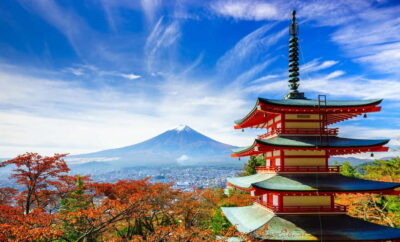 ★ 4.5From Tokyo: Mount Fuji Full-Day Sightseeing TripFrom $684,970 reviews
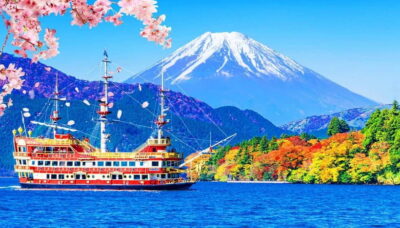 ★ 4.7Mt. Fuji Tour, Hakone Ropeway, Owakudani, Lake AshiFrom $544,002 reviews
 ★ 4.2Mt. Fuji 5th Station & Hakone Cruise 1-Day Bus TourFrom $1292,381 reviews
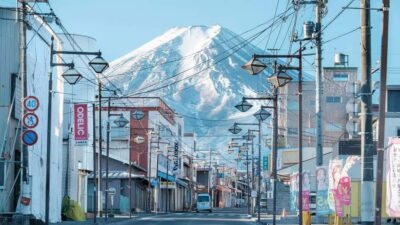 ★ 4.7Mt Fuji Top 5 Spots Day Tour: Arakurayama Park,Oshino HakkaiFrom $532,066 reviews
 ★ 5.0Private Tour to Mt. Fuji and Hakone (Fully Licenced Operator)From $4971,910 reviews