
Review · TOKYO CITY TOURS
Chill Out in Tokyo: Personalized Private Tours with Local Friends
Tokyo can feel like a maze, fast. This private tour gives you a local guide, a personal plan, and a smart route that hits big landmarks plus places tourists often miss. I like that the guide can meet you so you do not waste time figuring out where to start.
Two things I really like: you get real flexibility to match your interests, and you can ask questions as you walk, not after the fact. A possible drawback is the pace, because this is a mostly on-foot tour with some public transportation, so comfortable shoes matter.
Key Points I’d Follow If I Were You
- Private, just your group, so the day bends around you, not around a bus schedule.
- Pickup offered but it is not about sitting in a vehicle the whole time, it is about getting you going.
- 2 to 4 hours that actually covers major areas, with frequent free stop entrances.
- A guide who meets you near Shibuya so navigation stress stays low.
- Hands-on Tokyo flavors and vibes, from street shopping to markets and gardens.
Why This Private Tokyo Walk Beats the Big-Bus Day
Tokyo is amazing, but it can be mentally heavy. You are dealing with station names, train lines, neighborhoods that feel totally different, and crowds that move fast. What makes this experience appealing is the simple idea of reducing friction. Instead of you plotting everything, you show your preferences, and your guide shapes the flow.
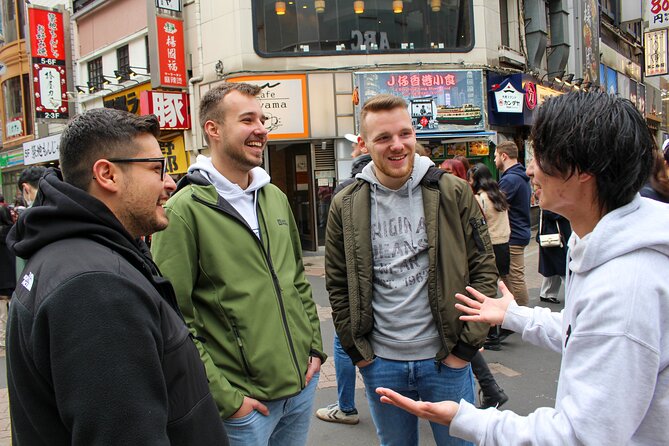
The biggest value is that this is personalized in the practical sense. Want more shopping? More photo stops? More calm time in gardens? Your guide can steer the itinerary toward what you care about. The second value is conversation. A good local guide does not just point, they explain what you are seeing and why it matters to everyday life here.
One more thing: you are not stuck in a rigid loop. Even with a route that includes the major highlights, the guide can keep the day relaxed and organized, based on your energy level. If you are traveling with people who have different must-sees, that flexibility can be the difference between everyone having fun or someone feeling dragged.
You can also read our reviews of more private tours in Tokyo
2 to 4 Hours, Pickup, and How the Route Really Works
This is a 2 to 4 hour private tour. Your start and finish are the same area: Shibuya Station (the exact meeting point is listed). The tour ends back at the meeting point too, so you are not thinking about getting home from some random stop.
Pickup is offered, but the format is mostly walk-first. The tour notes say they typically do not use vehicles, and you should expect walking with some public transportation used along the way. That matters because the tour is designed for seeing Tokyo on foot, not for touring from a window.
You should also plan around what is not included. Food and drinks are not included. Lunch is for you, and the typical lunch range mentioned is 1,000 to 3,000 JPY per person. That is not a dealbreaker, it just means you should budget a little and not count on the guide arranging meals inside the tour cost.
Finally, the stops listed in the itinerary show admission ticket free for each stop. That helps keep the tour straightforward, because you are mainly paying for the guide time and the route, not a stack of attraction tickets.
Your Tokyo Loop: From Shibuya Crosswalk to Odaiba Views
Even in a few hours, Tokyo can cover multiple “Tokyo modes.” This route follows that idea by jumping between youth fashion, quiet shrine time, old-school temple streets, tech culture, a major seafood market, and then a futuristic waterfront area.
The order given is a good sample of how the day can flow:
- Start in Shibuya
- Move through Yoyogi Park and Meiji Shrine Imperial Garden
- Hit Takeshita Street
- Continue to Shinjuku Gyoen National Garden
- Then go to Senso-ji Temple and Ame Yoko Center Building (Ueno)
- Continue to Ueno Park and Akihabara
- Finish with Tsukiji Fish Market and Odaiba District
In real life, the guide can adjust the route to match your interests and timing, but this gives you a strong sense of the “Tokyo mix” you are signing up for.
Now let’s go stop by stop, with what you get and what to watch for.
Shibuya Scramble Crossing: People-Watching With Purpose
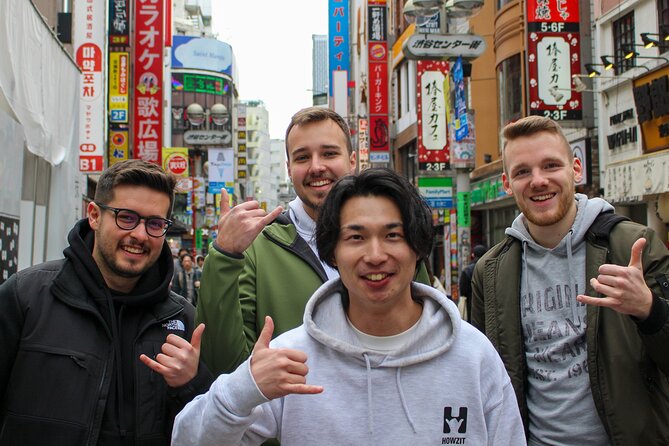
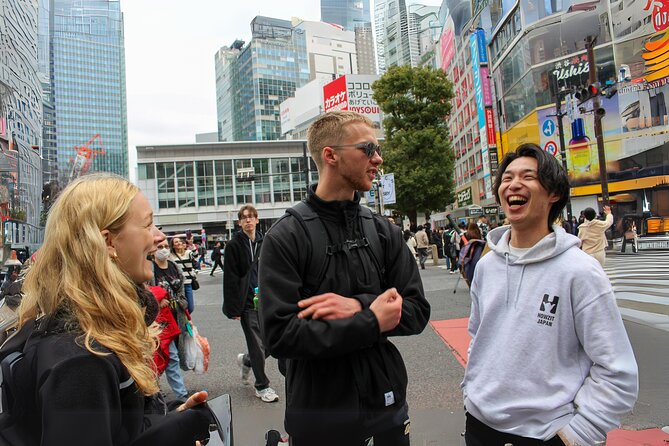
Shibuya is the kind of place that looks good on camera and also feels totally different in person. The highlight here is the Shibuya Scramble Crossing, the famous multi-direction crossing where waves of pedestrians move at once. Even if you have seen it online, being there helps you understand why Tokyo’s city life feels choreographed.
You also get the adjacent Shibuya street energy, which is handy for first-time orientation. When you start your day in Shibuya, you tend to learn how the city’s layers connect, transit-wise and neighborhood-wise. A private guide helps because you do not just stand in the middle of the crowd, you learn where to move for better views and better pacing.
What to consider: this area can be crowded. If you want calmer moments early, ask your guide to keep your time at the crossing efficient and then move into park and shrine stops soon after.
Yoyogi Park and Meiji Shrine Imperial Garden: City Noise, Then Quiet
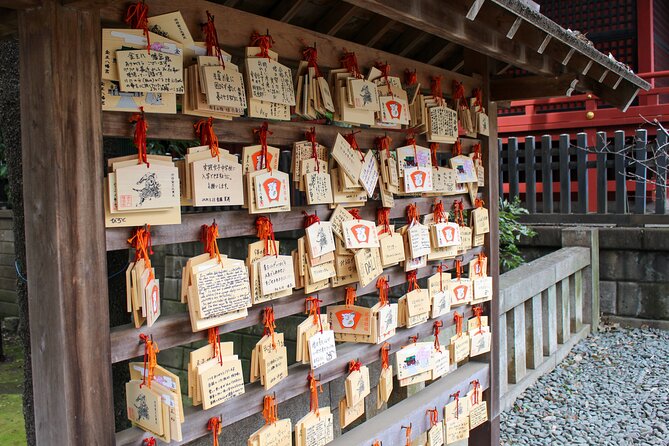
Next up are two calmer stops that balance the intensity of Shibuya.
Yoyogi Park is a big green space where you can slow down, walk, and watch people doing everyday Tokyo leisure. The tour description specifically mentions the park’s seasonal events and activities like picnicking and walking, which is exactly why it works as a reset button after the crossing.
Then comes Meiji Shrine Imperial Garden, described as tranquil and surrounded by nature. This is a great pause for a few reasons. First, it gives you an easy cultural contrast. Second, it gives your feet a break while still feeling like you are seeing something meaningful, not just escaping.
What to consider: these stops are free to enter, so you might be tempted to linger. That can be fine, but remember your total tour window is 2 to 4 hours. If you are also excited about Harajuku or markets later, you will want your guide to keep the timing balanced.






Takeshita Street: Harajuku Shopping Energy Without the Guesswork
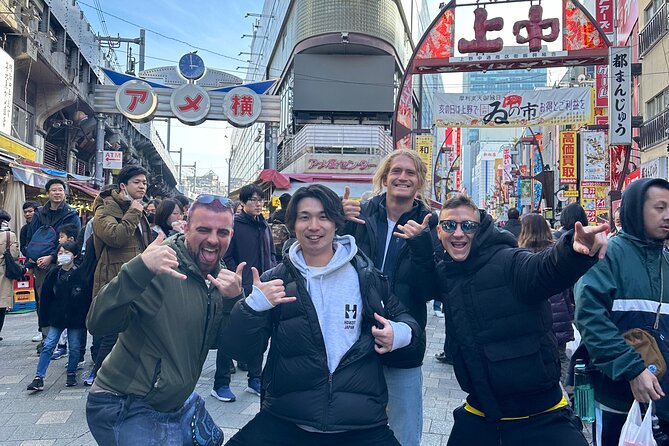
Takeshita Street is the stop for youth fashion and pop culture shopping. Expect a concentrated strip of trendy shops, cafes, and playful products. The description mentions famous crepes and ice cream, which tells you what kind of mood this area creates: snack-first, browse-fast, and smile-at-everything.
What I like about having a guide here is simple. You avoid wasting time on the wrong side streets or lingering when a better route exists. Also, the guide can help you decide what is worth your money if you care about souvenirs or food that fits your tastes.
What to consider: this is a short stop (15 minutes is listed), so it is more of a taste than a full shopping spree. If you want deeper shopping, tell your guide in advance. That’s the whole point of a personalized tour.
Shinjuku Gyoen National Garden: A Garden Stop That Actually Changes the Day
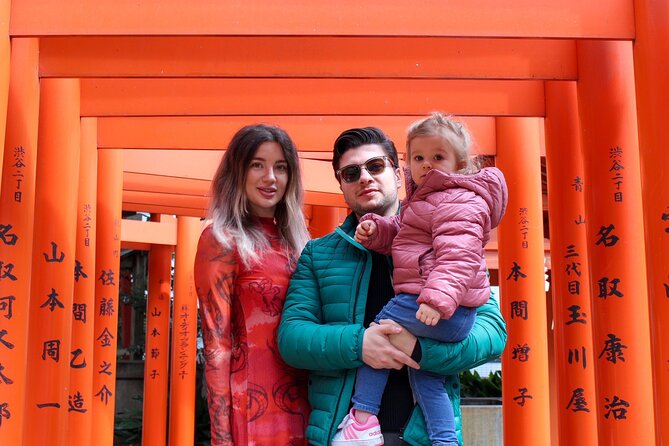
After the fashion strip, Shinjuku Gyoen National Garden is a welcome shift. The tour notes describe it as a garden with ponds, streams, and bridges, and specifically point to changing flora by season. Even if you only get a short visit, this kind of place changes your mental rhythm.
This stop is valuable because it is not just pretty. It teaches you how Tokyo can hold both extremes in one trip. You can go from loud shopping streets to a calm walking loop where the focus is on atmosphere and scenery.
What to consider: gardens can encourage slow walking and photos. Keep an eye on time. If you lose momentum here, it can affect your later stops like Tsukiji and Odaiba.
Senso-ji Temple: Classic Asakusa Feel and Practical Things to Do
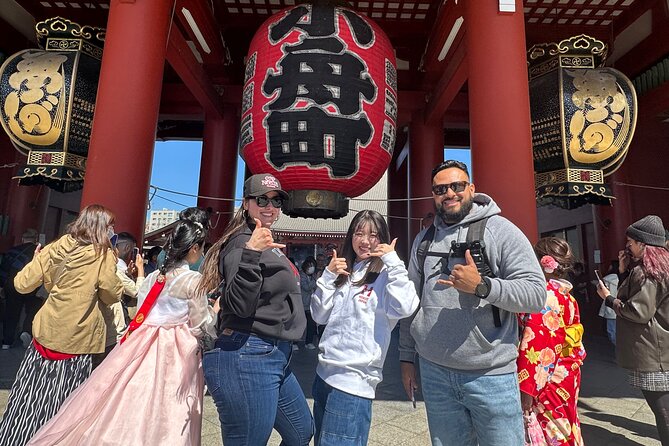
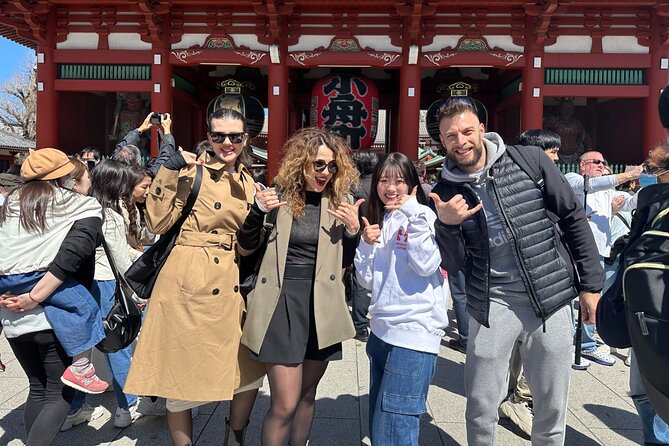
Senso-ji Temple is one of Tokyo’s oldest traditional temple areas. The tour description highlights the approach path, including the Thunder Gate, plus the chance to draw fortune slips and buy amulets. That last part is a very “do it now” activity, because once you are there, it is easy to participate without planning ahead.
This is also the kind of stop where a guide really earns their fee. They can explain what you are looking at and help you follow the flow with less confusion. You also get the benefit of having context, like why certain rituals and objects exist and how locals treat the space.
What to consider: temple approach streets can be busy. If you want quieter photos, ask your guide for the best spots and the best timing during your short window.
Ame Yoko Center Building (Ueno) and Ueno Park: Street Food Mood and Culture Nearby
Then you switch to Ame Yoko Center Building, a traditional shopping street in Ueno known for stalls and eateries. The description calls out street food ideas like takoyaki, okonomiyaki, and skewers, plus clothing and knick-knacks. This stop is about Tokyo’s everyday appetite and shopping energy.
After that, Ueno Park gives you space to breathe. The tour description mentions seasonal flora and cultural facilities nearby, including the Tokyo National Museum and Ueno Zoo. Even if you do not enter museums during a short tour, the park helps you understand why Ueno has stayed popular for both locals and visitors.
What I like: combining Ame Yoko with Ueno Park lets you move from snack and browsing into a more open environment right away. It feels balanced rather than exhausting.
What to consider: because food and drinks are not included, you are deciding what to buy on your own. Set a simple budget so you enjoy the experience without overspending.
Akihabara: Electronics and Otaku Culture on a Schedule
Akihabara is the electronics and anime culture district, with electric shops and themed stores lined along central streets. The tour description frames it as something you might feel like you stepped into another world, which is a good way to set expectations.
This stop works well on a guided tour because you can focus on what you actually care about. If you are there for gadgets, your guide can point out where you might find them. If you are more interested in anime merchandise and themed shopping, you can focus there too.
What to consider: Akihabara can be a lot of information in a short time. If your “must buy” list is specific, tell your guide before you arrive at the area. It helps them steer you to the right streets quickly.
Tsukiji Fish Market and Odaiba: Seafood Energy, Then Future-Themed Waterfront
Tsukiji Fish Market is highlighted as Tokyo’s most famous market, known for fresh seafood and ingredients. This stop typically gives you that intense market atmosphere where you can see the supply chain up close, plus pick up ingredients and souvenirs. Even if you do not plan a full meal during the tour, the market is where you understand why Tokyo takes food so seriously.
Then you move to Odaiba District, described as a futuristic island with entertainment facilities and a resort-like feel. The tour notes mention walking or picnicking at Odaiba Seaside Park and admiring the night view of Rainbow Bridge. Even if your visit is not at night, the area still gives you that contrast of modern Tokyo design and waterfront views.
What I like: ending with Odaiba is a smart way to end. You go from sensory market bustle into open space and architecture-focused sightseeing.
What to consider: this last stretch can be the most “Tokyo-photo intensive.” If you hate rushing photos, tell your guide early. They can decide where to spend time so you get the shots without feeling frantic.
The Real Secret Sauce: Guides Who Listen and Adjust
The stand-out theme in this experience is that the guide is not just knowledgeable, they are responsive. The day works because the guide listens and plans around your needs.
In the feedback you can connect the dots through guide names like Yu, Yuki, Ayumi, Kanta, Ikumi, and Yohei. The patterns are clear: they communicate well, they stay professional, and they keep things fun without turning it into chaos. One person even described how a guide adjusted the pace when someone had trouble walking on a bad leg day. That is the kind of flexibility you cannot fake.
For you, that matters because Tokyo is not one-size-fits-all. Some people want temples and gardens. Others want shopping lanes and markets. Some want both, but not at breakneck speed.
If you book this, I suggest you prepare a simple list:
- Your top 3 neighborhoods you want to prioritize
- One food category you would enjoy (snacks, market bites, seafood focus)
- Your walking comfort level (quick strolls, or slow and steady)
Then let your guide do the rest.
Price, Value, and Who This Tour Is For
At $105.71 per person, you are paying for a private guide plus route planning. It is not the cheapest way to see Tokyo highlights, but it is not trying to be. It gives you something harder to buy separately: time with a local who can change the plan as you go.
The value is strongest if:
- You are a couple, small family, or group with different preferences
- You want to cover multiple neighborhoods without getting lost
- You prefer walking and short transit hops over a bus tour
- You like asking questions and learning context, not just collecting photos
The value is weaker if:
- You hate walking and short stops, because the tour is built around walking with some transit
- You already feel confident navigating Tokyo and prefer totally self-guided pacing
Also, note the tour offers group discounts. If you can travel with friends or extended family and you share a similar direction, the per-person cost can feel more reasonable.
And remember: food is on you. Plan for snacks and one meal, and you will keep the experience smooth.
Tips to Get More From a Private Guide in Tokyo
This is a short, high-impact day. A little planning helps you squeeze the most out of it.
- Wear shoes you trust. You are mixing parks, temple approach streets, market areas, and shopping zones.
- Keep a light plan. If you arrive with no preferences, you will still get a great day, but you might miss the chance to focus on what matters most to you.
- Decide your pace early. If you are the slow-and-steady type, say so at the start. Guides like Ayumi and others have shown they can adjust when needed.
- Budget for snacks. Ame Yoko and the market areas are where your appetite gets activated fast.
- Bring a phone charger. A mobile ticket is included, and you will use your phone for maps and photos as Tokyo changes around you.
If the weather is bad, the experience notes say the tour requires good weather. If it is canceled due to poor weather, you will be offered a different date or a full refund. That matters because parks and walking stops depend on conditions.
Should You Book This Tokyo Private Tour?
I think you should book it if you want a guided Tokyo day that feels personal and efficient. You get free-entry highlights, a route that balances neon neighborhoods with calm green spaces, and a guide who can meet you in Shibuya so you start without stress.
Skip this tour if you want a totally free-form day with no structure at all, or if you strongly prefer long stays in one neighborhood. This is built for movement and variety in a limited window.
If you are new to Tokyo, or if you want to see more than one side of the city without doing all the planning, this tour is an easy yes.
FAQ
How long is the private Tokyo tour?
The tour runs about 2 to 4 hours.
Where does the tour start and end?
It starts at Shibuya Station (Shibuya Station2 Chome-24, Shibuya, Tokyo 150-0002, Japan) and ends back at the same meeting point.
Is pickup included?
Pickup is offered, and the tour typically uses walking with some public transportation rather than relying on a private vehicle.
Is the tour walking-only?
It is described as a walking tour, with some public transportation used as well.
Is admission included for the stops?
The itinerary lists admission as free for the stops shown.
Are food and drinks included?
No. Food and drinks are not included, and lunch is usually 1,000 to 3,000 JPY per person.
Is this a private tour?
Yes. It is a private tour/activity, and only your group participates.
What if the weather is bad?
This experience requires good weather. If it is canceled due to poor weather, you will be offered a different date or a full refund.
What is the cancellation policy?
Free cancellation is available. You must cancel up to 24 hours in advance for a full refund. If you cancel less than 24 hours before the start time, the amount paid is not refunded.
When will I get confirmation after booking?
Confirmation is received within 48 hours of booking, subject to availability.
More Private Tours in Tokyo

More Tours in Tokyo

More Tour Reviews in Tokyo
Not for you? Here's more nearby things to do in Tokyo we have reviewed












Tokyo City Tours, side by side.
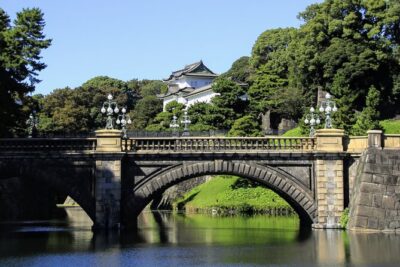 ★ 5.01-Day Tokyo Bus TourFrom $12914,250 reviews
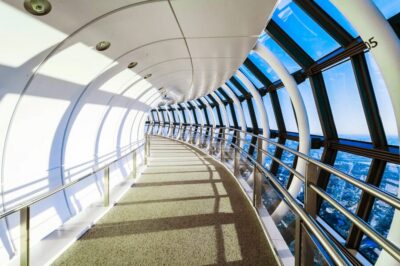 ★ 4.5TOKYO SKYTREE® Admission ticketFrom $1311,192 reviews
 ★ 4.6teamLab Planets TOKYO Digital Art Museum Entry TicketFrom $259,779 reviews
 ★ 4.0Mt Fuji & Hakone Cruise, Drum Show Bullet Train 1 Day from TokyoFrom $1497,413 reviews
 ★ 5.0Shinjuku Food Tour (13 Dishes at 4 Local Eateries)From $866,603 reviews
 ★ 4.4Tokyo Mt Fuji 5th St & Hakone Cruise Bus Tour w/Bullet TrainFrom $1545,024 reviews
 ★ 5.0Flagship 2-Hours Official Street Go-Kart Tour – Tokyo Bay ShopFrom $644,974 reviews
 ★ 4.5From Tokyo: Mount Fuji Full-Day Sightseeing TripFrom $684,970 reviews