
Review · TOKYO CITY TOURS
Tokyo Private Day Tour by Car with English speaking Driver
Tokyo reads easier from a private car. I like the English-speaking driver who helps you connect what you see with daily Japanese life, and I also like the mix of old and modern landmarks packed into one day without feeling scrambled. One thing to plan for: a few big sights have admission fees you pay separately, plus lunch is on your own.
If it’s your first time in Tokyo, this format is a big deal. The city is huge, and hopping between areas on your own can eat up time. With an 8-hour private route (up to 6 people), you get air-conditioned comfort, bottled water, and a driver who can steer you through traffic and transit bottlenecks.
There’s also real flexibility here. You’ll follow a strong backbone of must-see stops, but you can adjust based on what you want most, like adding cherry blossom time at Ueno Park or tacking on a quick culture detour near Meiji Jingu.
Key Things That Make This Private Car Tour Worth It
- Private group of up to 6: you move at your pace, not a bus schedule.
- English-speaking drivers with real Tokyo know-how: names like Rockey and Babu come up with praise for calm, informed guidance.
- A smart sampler day: temples, palace grounds, shrines, market food, skyline icons, and neighborhood crossings.
- Short, efficient time blocks: most stops run about 30 to 60 minutes, so you see a lot without clocking out early.
- Admission and lunch are the main extras: towers and some gardens cost extra, while several highlights are free.
- Car comfort in the real Tokyo weather: air-conditioning and bottled water matter more than you think.
Price and Logistics for a 6-Person Private Day
The cost is $388 per group (up to 6) for about 8 hours. That sounds simple, but the value depends on who’s traveling. If you’re a couple, it can still feel worthwhile because you’re buying time and convenience, not just transport. If you have a small group, it quickly becomes easier to justify.
Here’s what that money buys in practical terms: private transportation, highway tolls, gasoline, and bottled water, plus an air-conditioned vehicle. In Tokyo, that matters because “just take trains” can turn into a day of transfers, stairs, and lines, especially when you want to cover multiple districts.
You also get a mobile ticket, which is convenient if you don’t want paper clutter. And pickup is offered, with the meeting area described as near public transportation, which helps if you’re arriving from different parts of the city.
One more logistics note: some of the best photo moments come with tight stop times. The tour is designed for quick hits, so plan to arrive ready to walk.
You can also read our reviews of more private tours in Tokyo
The Real Win: Having an English-Speaking Driver in Tokyo Traffic
Tokyo is navigable, but not always effortless. A driver changes the rhythm. Instead of timing your transfers, you’re letting someone else handle the driving, routing, and the messy parts of real city movement.
The tour’s best payoff is how the driver can connect dots as you go. In the past, guests have praised specific drivers, including Rockey and Babu, for being cordial and knowledgeable about Tokyo and Japan. That kind of context is what turns a list of places into a day that feels like it makes sense.
Also, being in a private car helps with pacing. You can pause for photos, slow down where the area is crowded, or spend an extra few minutes near something you really want to see. If you’re the type who hates rushing, this format supports that.
Morning in Tokyo: Senso-ji, Imperial Palace East Gardens, and Meiji Jingu
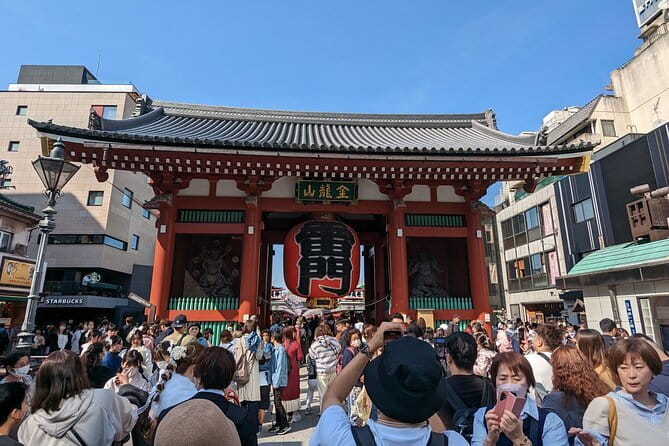
This day starts in old Tokyo style, with Senso-ji Temple. You get about an hour here, which is enough time to walk the main approach, soak up the classic temple atmosphere, and do some snack shopping. It’s a good stop for street food, especially dango and agemanju (deep-fried sweet bean-filled mochi). It’s also one of the easiest places to pick souvenirs without overthinking it, because the area is built for wandering.
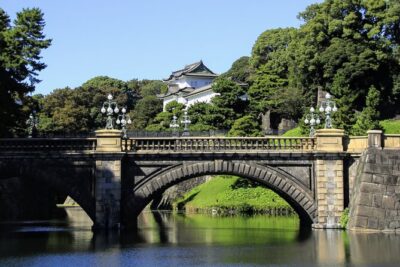
Next comes the Imperial Palace East Gardens for about an hour. The key idea here is contrast. Senso-ji is lively and visual, while the palace grounds feel more measured. You’ll be looking at the former inner defense circles of Edo Castle, which gives the grounds a layered story even if you don’t read every sign. The palace gardens were also called out as beautiful in past experiences, and that matches the feel of the space.
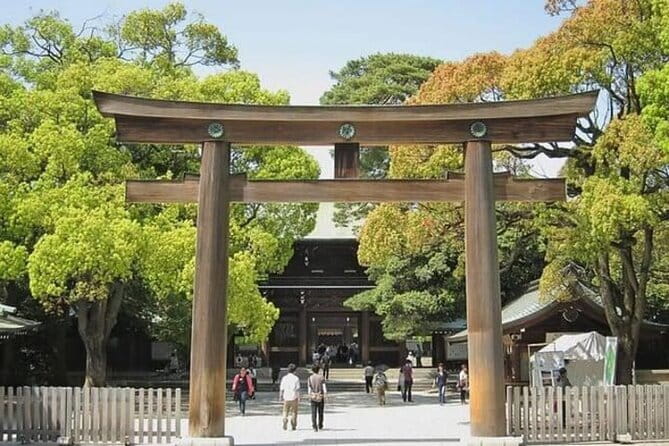
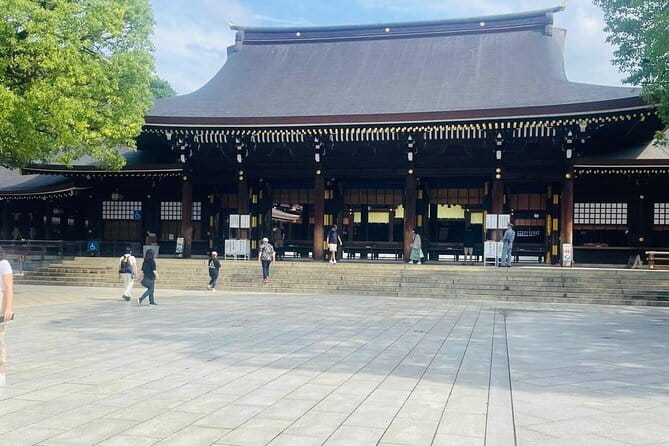
After that, you’ll head to Meiji Jingu Shrine for around an hour. Meiji Jingu is one of Tokyo’s most prominent shrines, dedicated to Emperor Meiji and Empress Shoken. The setting is part of the experience, and it pairs nicely with the nearby green space. In the tour plan, Yoyogi Park and Takeshita Street are optional if you want a cultural and youth-fashion contrast right after a shrine visit.
What to watch for: these morning stops can start strong on walking. If you’re prone to sore feet, wear comfortable shoes. Tokyo sidewalks can look smooth on the map, but you’ll rack up steps fast when you’re moving temple to palace to shrine.
Midday at Tsukiji: How the Outer Market Lunch Works
Your tour includes Tsukiji Fish Market and specifically focuses on the Outer Market area. You’ll have about an hour, which is the right length for tasting without burning the whole afternoon.
This is one of those places where the atmosphere does half the job. You’ll see lots of street food stalls and restaurants, with both raw and cooked options. Lunch should be enjoyed here, and it’s paid at your own expense.
The practical advantage of making Tsukiji part of a private day is that your driver can time the stop so you can move and still eat. If you go on your own, you often end up choosing between a long food line and seeing everything else you wanted.
Two tips for getting the most out of the hour:
- Decide what you’re craving before you hit the densest stalls, so you don’t spiral through endless choices.
- Keep your budget flexible. At Tsukiji, price swings can be wide depending on what you order.
Afternoon Views: Skytree, Tokyo Tower, and Shibuya Crossing
After lunch, the day swings toward skyline Tokyo.
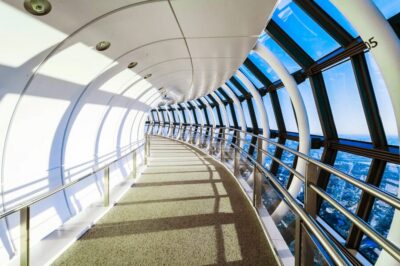
First, Tokyo Skytree comes next for about an hour. It’s the world’s tallest tower at 634 meters, and the point of this stop is the view. Expect to pay your own admission here, since entry is not included, with the cost listed as less than $20.
Then it’s Tokyo Tower for about an hour. This one is more retro-feeling and iconic, and again the admission is not included, listed as less than $6. If you like photography, both towers are worth it, but do them with the right mindset: you’re chasing angles and skyline scale more than just a single photo spot.
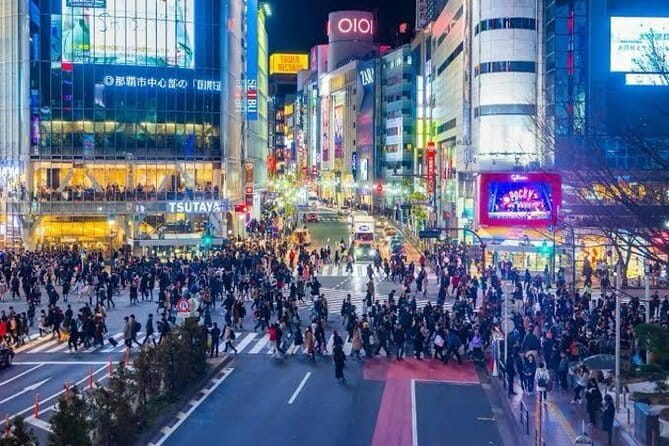
Then you’ll hit Shibuya Crossing for about 30 minutes. This is the quick punctuation mark at the end of an active sightseeing stretch. It’s the busiest intersection in the world and a world-famous landmark, so even a short visit works.
What I like about this flow is that you get “symbol Tokyo” in the middle of the day, right when you’re likely still energetic. What to watch for is crowd timing. The stop is short on purpose, so you’ll want to show up ready to stand, look, and take photos without expecting a long hangout.
More Tokyo tours and experiences for the shortlist

Late Day Gardens: Ueno Park and Shinjuku Gyoen
Tokyo has a softer side, and this part of the itinerary brings it in.
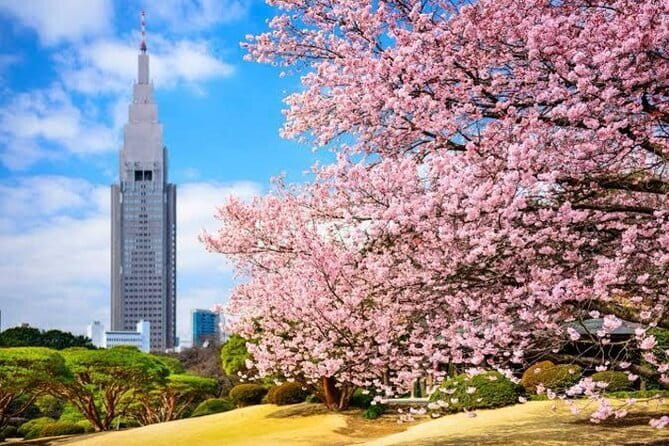
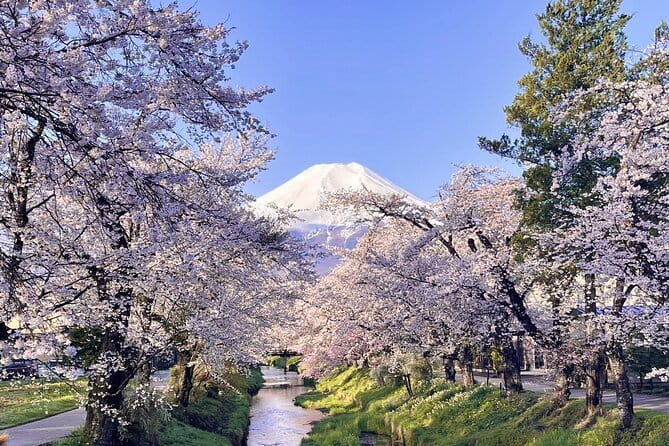
You’ll visit Ueno Park for about 30 minutes. Admission is free, and it’s famous for cherry blossoms. If you want cherry blossom time, the plan notes that you should let them know in advance, which makes sense because blossoms are seasonal and timing is everything.
Next is Shinjuku Gyoen National Garden for about an hour. This is where the tour shows it isn’t only about skyscrapers. The garden is known for combining traditional Japanese, English, and French garden styles, which gives you lots of different visual moods in one place. Admission is not included, so you’ll pay on your own here.
This late-day slot works well because gardens are a nice reset after view-heavy stops. You can slow down, breathe, and walk in a more open-feeling environment.
One more thing: if you’re skipping Ueno Park, you might still want the structure of this late-day timing. Gardens tend to land best when the legs are tired but the interest is still high.
What’s Included vs Not Included, and How to Budget
Here’s the plain breakdown of what you won’t pay twice for, and what you should expect to cover yourself.
Included:
- Air-conditioned vehicle and private transportation
- Highway tolls
- Gasoline and patrol
- Bottled water
- Pickup offered
- Mobile ticket
Not included:
- Admission for Tokyo Skytree (listed as less than $20)
- Admission for Tokyo Tower (listed as less than $6)
- Admission for Tokyo National Museum (listed as less than $6, if you swap or add it)
- Admission for Shinjuku Gyoen National Garden (not included)
- Lunch
The free stops are a big part of the value. Senso-ji, Imperial Palace East Gardens, Meiji Jingu, Tsukiji Outer Market, Shibuya Crossing, and Ueno Park are listed as free admissions in the plan. That means your paid tickets tend to be concentrated into a couple of tower and garden moments.
My budgeting advice: add extra money for lunch first, then set aside the admissions you care about most. If towers are your priority, plan around Skytree and Tokyo Tower costs. If you’d rather spend more time walking than riding up, you can still enjoy the exteriors, then decide how much time and money you want to spend on entry.
Customization Options You Should Actually Use
The itinerary is built to be adjustable. This isn’t a rigid checklist that forces you into one mood all day.
Use customization where it helps your interests:
- If you want cherry blossoms, tell them you want Ueno Park included for that seasonal angle.
- At Meiji Jingu, you can add Yoyogi Park and Takeshita Street if you want a quick mix of nature and youth street culture.
One practical way to customize without losing time is to pick one optional neighborhood add-on, not five. With only 8 hours total, you want your choices to complement the core stops, not fight for time with them.
Who This Tour Suits Best
This is ideal if you:
- Are seeing Tokyo for the first time and want an efficient overview
- Prefer private pacing over train logistics
- Want a driver who can explain what you’re looking at
- Like a balance of temples, markets, viewpoints, and green space
It also fits families and mixed-age groups, because the ride between stops reduces fatigue. The only real limitation is that the sightseeing blocks are designed to be time-efficient, so if you want long stays in a single place, you may feel slightly rushed.
For solo travelers, it can also work if you want a structured day with English guidance and don’t want to navigate the city yourself.
Should You Book This Tokyo Private Day Tour?
I’d book this if you want a “best of Tokyo” day that still feels human-sized. The private car keeps the schedule realistic, the English-speaking driver helps you understand what you’re seeing, and the route mixes iconic sights with calmer spaces like palace gardens and national gardens.
Skip it or rethink it if:
- You plan to spend most of your day browsing without moving much, because the tour is built around multiple stops in a single day.
- You’re extremely price-sensitive and don’t want to add tower and garden admissions, since those are not included.
If you’re deciding between DIY transit and a private day, this is a strong middle ground: you get the highlights, but you also get breathing room and a professional guide in the driver seat. With a track record of excellent drivers like Rockey and Babu, it’s the kind of tour that turns confusion into a clear, enjoyable day.
FAQ
How long is the Tokyo Private Day Tour by car?
The tour runs about 8 hours.
How many people are in a group?
It’s a private tour, up to 6 people per group.
Is pickup included?
Pickup is offered. The meeting area is listed as near public transportation.
Is the tour private, or shared with others?
It’s private. Only your group participates.
What is included in the price?
The price includes an air-conditioned vehicle, private transportation, highway tolls, gasoline/patrol, and bottled water, plus a mobile ticket.
Which admissions are not included?
Admissions are not included for Tokyo Skytree, Tokyo Tower, Shinjuku Gyoen National Garden, and Tokyo National Museum (if added). Lunch is also not included.
Does the itinerary include lunch?
Lunch is not included, but Tsukiji Outer Market is planned as the lunch stop where you pay at your own expense.
Is cancellation free?
Yes. Free cancellation is available up to 24 hours in advance for a full refund.
More Private Tours in Tokyo

More Tours in Tokyo





More Tour Reviews in Tokyo


Not for you? Here's more nearby things to do in Tokyo we have reviewed












Tokyo City Tours, side by side.
 ★ 5.01-Day Tokyo Bus TourFrom $12914,250 reviews
 ★ 4.5TOKYO SKYTREE® Admission ticketFrom $1311,192 reviews
 ★ 4.6teamLab Planets TOKYO Digital Art Museum Entry TicketFrom $259,779 reviews
 ★ 4.0Mt Fuji & Hakone Cruise, Drum Show Bullet Train 1 Day from TokyoFrom $1497,413 reviews
 ★ 5.0Shinjuku Food Tour (13 Dishes at 4 Local Eateries)From $866,603 reviews
 ★ 4.4Tokyo Mt Fuji 5th St & Hakone Cruise Bus Tour w/Bullet TrainFrom $1545,024 reviews
 ★ 5.0Flagship 2-Hours Official Street Go-Kart Tour – Tokyo Bay ShopFrom $644,974 reviews
 ★ 4.5From Tokyo: Mount Fuji Full-Day Sightseeing TripFrom $684,970 reviews
This tour also belongs to