
Review · SHIBUYA TOURS
Tokyo: E-scooter Experience in Shibuya with Iconic Photos
Tokyo feels like it’s speaking in neon. This Shibuya e-scooter ride turns that energy into an easy, photo-focused route. You get a small-group setup, a local guide, and planned stops that balance bright street scenes with calmer, tree-lined breaks.
I especially like the mix of Shibuya Crossing chaos and the quieter mood at Meiji Shrine. You also get guided riding time with a short tutorial and on-the-spot check-ins, which matters a lot if you are new to scooters.
One consideration: the tour is time-boxed, with about 5 minutes at each stop. If you want long, slow exploring at every photo spot, this format may feel a little fast.
Key highlights you should know before you go
- Small group size (max 7), so the guide can slow down and help you keep pace
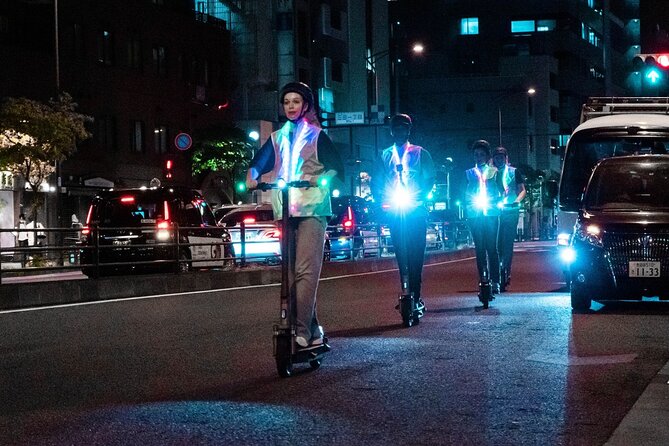
- E-scooters up to 20 km/h, plus a quick tutorial and practice for first-timers
- Photo planning at Shibuya Crossing, Meiji Shrine gate, and Meijijingu Gaien
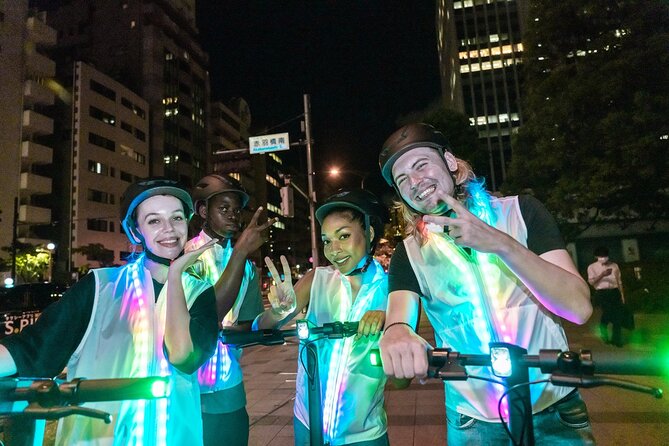
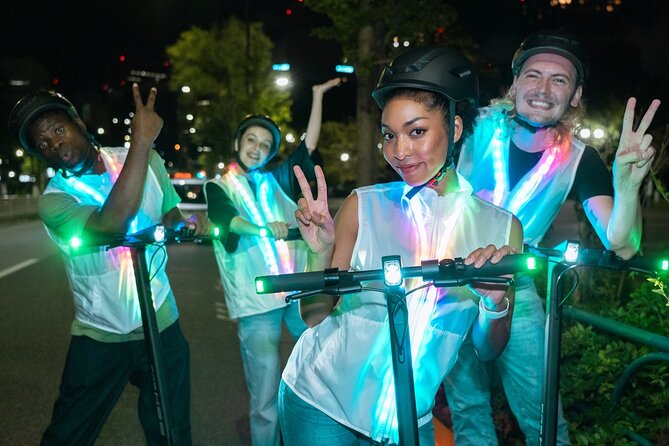
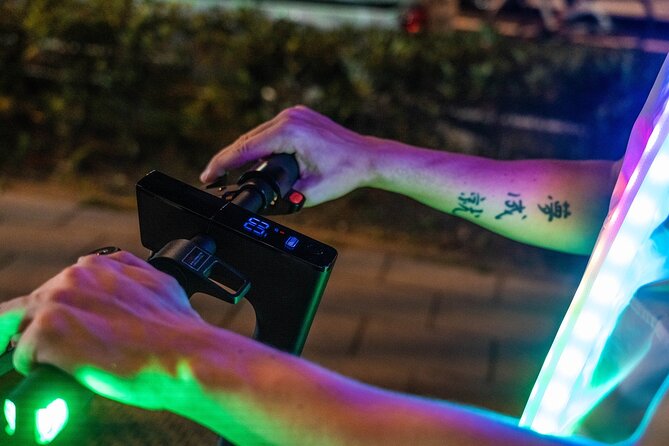
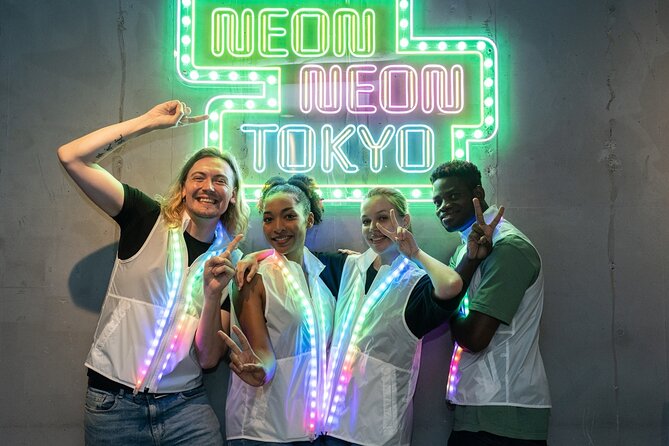
- Glowing safety vests that also make your photos look fun and clear
- Guides who adjust for comfort, including slowing down when needed
- Photos delivered after the ride, so you can focus on the moment while riding
Why this Shibuya e-scooter route works so well for photos
Shibuya at night can overwhelm you fast. Streets are busy, light is everywhere, and trying to walk while lining up shots can get stressful. This tour solves that problem by doing two things well: it gives you a moving seat to cover ground, and it builds in short, purposeful stops so you can get your photos without losing the flow.
I like that the route intentionally changes tone. You start in the famous Shibuya Crossing area, where the motion of people and the neon glow are the point. Then you shift toward the solemn gate atmosphere of Meiji Shrine, and finally you ride into Meijijingu Gaien, a tree-lined stretch where seasonal color shows up in a big way. That contrast is what makes your photo set feel like a story instead of three random city shots.
The e-scooter speed limit is also a practical comfort factor. The scooters go up to 20 km/h, which is fast enough to feel like you are really moving through the city, but controlled enough for a guided experience.
You can also read our reviews of more photography tours in Tokyo


Meeting at NEON NEON TOKYO, and how the 2-hour flow feels
Your tour starts and ends at the same place: NEON NEON TOKYO, 4-chōme-1-4 Mita, Minato City, Tokyo 108-0073. The meeting point is listed as near public transportation, which matters in Tokyo since trains and walking are the default plan. A smooth start makes the rest of the ride less chaotic.
The total time is about 2 hours. That sounds short until you factor in what you are actually doing. You are not just riding. You are stopping for photos, getting a tutorial, and moving between areas. The planned photo moments are brief, at roughly 5 minutes each at:
- Shibuya Crossing
- Meiji Shrine gate
- Meijijingu Gaien (the tree-lined street)
So the best way to think about the timing is this: you will get a “hit” at each scene, then you move on. If you arrive hungry for action and happy with quick photo stops, it is a great pacing choice.
Riding setup, safety vests, and the tutorial that helps first-timers
This is not a giant extreme ride. It is a guided scooter experience designed to work for both newcomers and people who already know how to ride.
The key detail is the quick tutorial. In the feedback, at least one first-time rider specifically said the guides gave a fast lesson and let them practice before rolling out. That kind of practice period is gold because it helps you avoid that awkward moment where you are trying to learn while also keeping up with traffic.
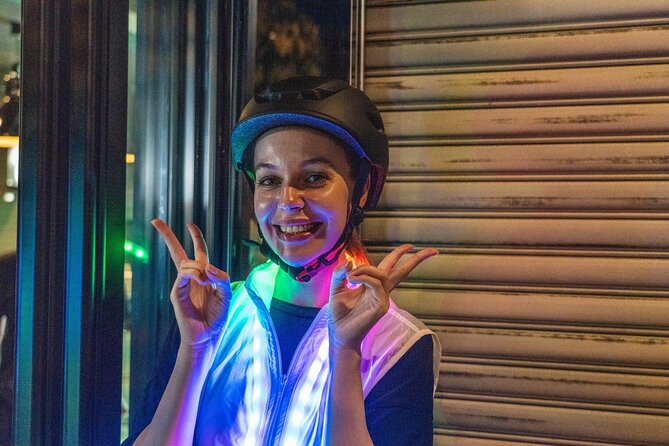
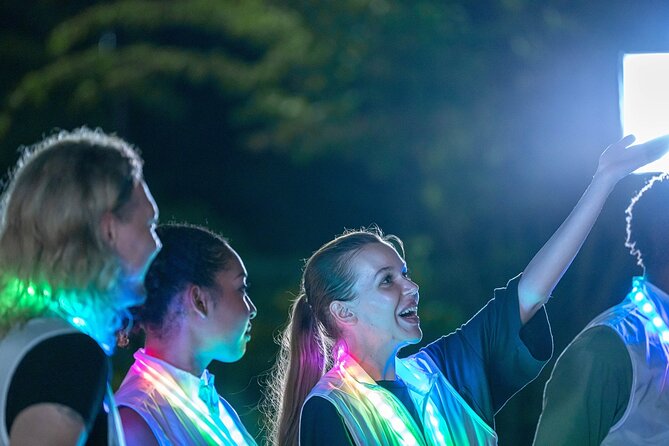
Safety is handled in a very Tokyo way: you get glowing safety vests. They are there for visibility, but they also help your photos look crisp. You can usually tell the difference between a photo where everyone looks steady and one where people look unsure. The vests do their job in both directions.
And the guides actively manage group comfort. One review highlighted that the guide was willing to slow down when necessary and keep checking to make sure everyone could keep up. For a scooter tour, that check-in behavior is more important than fancy words, because it directly affects how relaxed your ride feels.
Shibuya Crossing photo stop: getting the iconic crowd energy
Shibuya Crossing is the headline for a reason. The space is built for motion, and your camera loves motion too. This stop gives you a chance to photograph Shibuya Crossing with the crossing as the background, and your guide keeps it organized so you are not spending your time figuring out where to stand.
Plan for a short window: the stop is around 5 minutes. In practical terms, that means you should arrive ready. If you are hoping for the best angle, decide in advance whether you want:
- a wider shot that includes the street flow, or
- a tighter shot that centers on the crossing itself.
The e-scooter also changes how you experience this area. You are not just trapped on the sidewalk behind other people. You have a better sense of the flow around you, which can make it easier to frame shots quickly.
One of the strongest praised aspects from the experience feedback is that guides can be flexible with photo needs. A rider noted they slowed down for an extra Tokyo Tower photo moment. That does not mean every tour will add it, but it does suggest the guides do pay attention to photo opportunities when conditions allow.
Meiji Shrine gate: a calmer pause from neon noise
After Shibuya’s high-energy scene, Meiji Shrine feels like a breath of air. The stop focuses on the gate, so you are not forced into a long shrine visit. You get the solemn atmosphere in a compact timeframe.
This is a smart design choice. Many people come to Tokyo chasing the big icons, then spend the whole day feeling over-stimulated. A short, structured pause at a place like Meiji Shrine helps your overall day feel balanced. It also gives your photos a contrast that people notice right away. Neon-heavy images feel different when paired with darker, still-toned architecture.
Like the other stops, this one is about 5 minutes. If you want lingering quiet time, you will need to plan extra time before or after the tour. But for photo value and pacing, the gate stop is a strong match.
More Tokyo tours and experiences for the shortlist
Meijijingu Gaien and the tree-lined street that looks great year-round
The final planned photo stop is Meijijingu Gaien, described as a tree-lined area where you can photograph the street with lots of trees in the background. This is where the tour shifts from built-up city drama into a more walkable-feeling atmosphere, even though you are still riding.
The seasonal note is useful: in fall, you may see yellow ginkgo. That detail matters because ginkgo turns what could be a generic street photo into something distinctly Tokyo in a specific season. If you are visiting in autumn and you want your photos to capture that seasonal color, this stop is the one that is most directly tied to it.
One practical thought: because the stop is short, you should decide what you want your background to be. If ginkgo is around, aim for shots where the trees fill the frame. If it is not fall, you will still get the tree-lined depth that makes the images feel less flat than a plain street photo.
Photos after the tour: why this detail is worth paying for
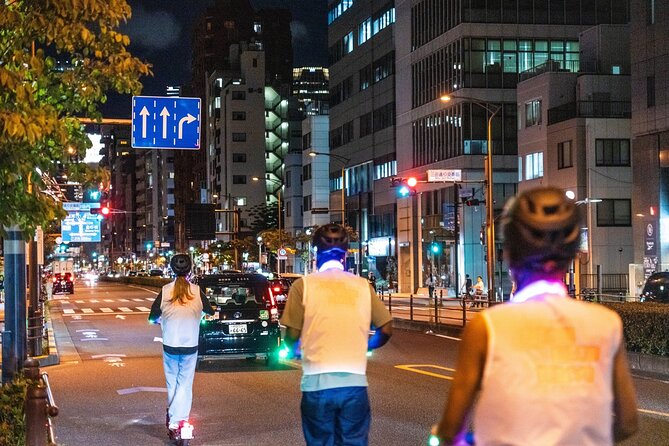
A nice perk here is that the guides take photos during the tour, and they send them to you at the end. That changes how you ride.
When you are doing a self-guided scooter ride, you end up doing two hard things at once: staying balanced and managing your phone. With a guide-focused photo plan, you can spend your attention on riding safely and enjoying the view. Then you still get shareable shots without constantly stopping to set up your camera.
This also ties into why the vests matter. Glowing safety gear improves visibility, and it can make the photos look more intentional. When the group looks clear and coordinated, your photo results tend to be better, even for quick 5-minute stops.
Price and value: what $52.02 buys in real terms
At $52.02 per person, you are paying for several things that are usually separate in Tokyo:
- a 2-hour local guide
- e-scooter rental
- guide-led photo opportunities
- photos sent to you after the tour
If you think about it like that, the price starts to look more reasonable. You are not just renting a scooter for a set of streets. You are getting a planned route with stop timing, help with first-time comfort, and a photo deliverable that saves you time.
Is it the cheapest way to see Shibuya? No. But it is a value choice if you want photos at the big icons plus a smoother way to connect Shibuya with shrine and park-like scenery without spending your whole day navigating.
Who should book this, and who might not love it
This tour is a good fit if you:
- want iconic Shibuya Crossing photos without spending your whole evening walking around crowds
- are happy with brief stops and a guided pace
- are new to scooters and want a tutorial plus practice
- value a small group size, since max is 7 travelers
It might feel less ideal if you:
- want deep, slow time at each site
- prefer unstructured exploring with lots of downtime
- plan to eat first and linger, because food and drinks are not included and the tour is designed around moving and photographing
Should you book the Tokyo Shibuya e-scooter experience?
I think you should book it if your goal is a fun, efficient way to see Tokyo lighting up and get photos you do not have to wrestle with while riding. The strongest reasons are practical: helpful guides who slow down for comfort, a quick tutorial that reduces first-time anxiety, and photos delivered after the ride.
If you are the type who wants hours at a shrine or wants to wander without any schedule, you might get more value from a longer on-foot plan plus a separate scooter rental later. But if you want a guided two-hour Shibuya mix of neon, a shrine gate pause, and tree-lined scenery, this one hits the sweet spot.
FAQ
How long is the Tokyo e-scooter experience in Shibuya?
The tour lasts about 2 hours.
What is included in the $52.02 price?
Your ticket includes a 2-hour local guide, rental fee for the e-scooter, and photos taken during the tour that are sent to you at the end.
What stops are part of the route?
You will visit and take photos at Shibuya Crossing, Meiji Shrine (gate photo), and Meijijingu Gaien (tree-lined area for photos).
Do I need to buy admission tickets for the stops?
No. The stops listed are free of admission tickets.
How fast do the e-scooters go?
The e-scooters can go up to 20 km/h.
Is this tour okay if I have never ridden a scooter?
The experience is described as suitable for first-timers, and one review specifically mentioned a quick tutorial and practice first.
What is the group size limit?
The tour has a maximum of 7 travelers.
Where do we meet, and do we return to the same place?
You meet at NEON NEON TOKYO in Minato City. The activity ends back at the meeting point.
Are food and drinks included?
No, food and drinks are not included.
What are the weather and cancellation rules?
It requires good weather. If canceled due to poor weather, you are offered a different date or a full refund. Free cancellation is available, and you can cancel up to 24 hours in advance for a full refund.
More Scooter Rentals in Tokyo
More Photography Tours in Tokyo



More Tour Reviews in Tokyo






Not for you? Here's more nearby things to do in Tokyo we have reviewed












Shibuya Tours, side by side.
 ★ 5.0Official Street Go-Kart in ShibuyaFrom $763,435 reviews
 ★ 4.9Street Kart Experience in ShibuyaFrom $741,484 reviews
 ★ 5.0Shibuya Meltdown Nightlife Tour: All-You-Can-Drink Bar HoppingFrom $1061,058 reviews
 ★ 5.0Shibuya Official Street Go-Kart in Shibuya AnnexFrom $69972 reviews
 ★ 5.0Shibuya Food Tour (13 dishes and 4 Eateries)From $77770 reviews
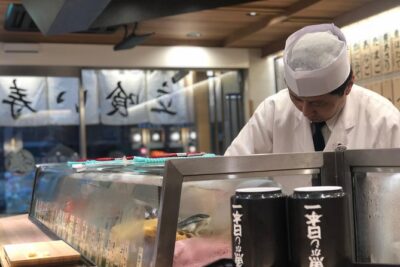 ★ 5.0Best of Shibuya Food TourFrom $217612 reviews
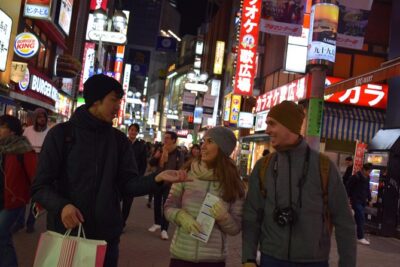 ★ 4.8Shibuya Highlights Walking TourFrom $19601 reviews
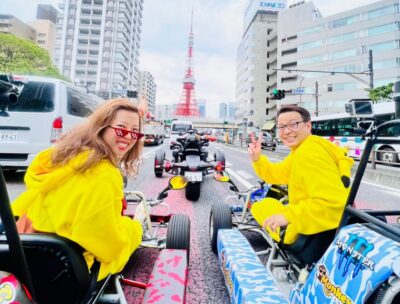 ★ 4.7Premium Go-Kart Tour with Tower & Shibuya CrossingFrom $116528 reviews
This tour also belongs to