
Review · TOKYO CITY TOURS
TOKYO , No1 Yokozuna Stable Morning Practice in Ryogoku
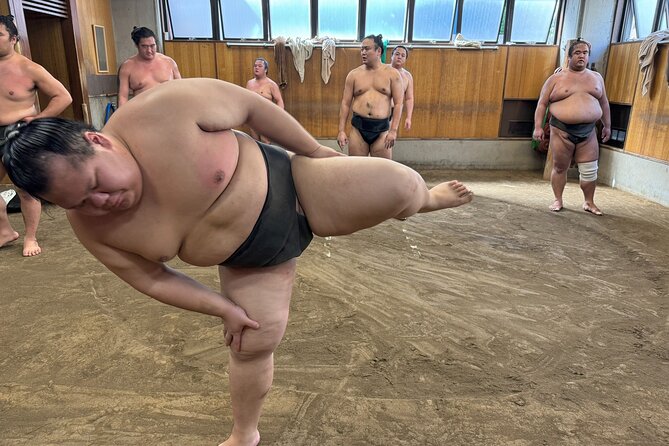
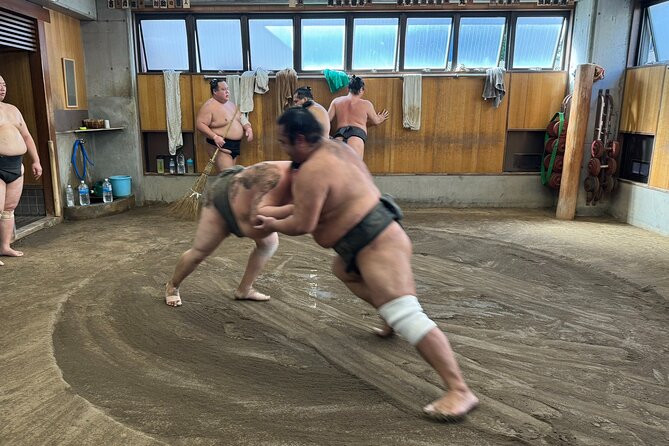
Sumo before sunrise feels oddly calming. This tour gives you a front-row look at a Yokozuna-led stable morning practice in Ryogoku, tied to Shinto-based routines and deep sumo tradition.
I really like two things here. First, you get up-close training viewing in a way that feels personal, with wrestlers reported to be just a few feet away. Second, the guide narration adds meaning, so the routine stops being random exercise and starts making sense.
One possible drawback: it starts early (meet at 7:45 a.m.) and the art and museum time is short, plus the Hokusai museum fee is not included, so you’ll want to plan for that.
Key highlights to look forward to
A Yokozuna-stable morning practice session you can watch up close
Small group size (max 14), which makes the viewing experience easier to manage
A guided walk through Ryogoku, sumo’s central neighborhood
Nominosukune Shrine with Yokozuna monuments and ring-entering tradition context
Sumida Hokusai Museum stop (admission not included) for Edo-period art
Edo-style food in an old Ryogoku Station-style setting at Ryogoku Edo Noren
Starting at Ryogoku Station before Tokyo fully wakes up
Meet is 7:45 a.m. at Ryogoku Station, right by the 7-Eleven outside the West Exit. It is a very straightforward start point, but you do need to be punctual, because the schedule assumes everyone is on time and ready to move.
Ryogoku is the right place for a sumo morning because the whole area feels built around the sport. You are not just going to a single venue and leaving. The tour keeps you in the sumo orbit, then adds quick stops that connect the sport to religion, art, and everyday Edo-era life.
The timing also affects your mindset. Morning practice is where sumo’s discipline shows. By the time you are walking to shrines and arena landmarks, you are already primed to notice details, like ritual behavior and how the wrestlers move through their training.
More Tokyo tours and experiences for the shortlist
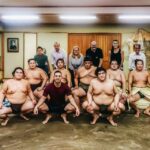

Inside a Yokozuna-led stable: what you’ll actually see at practice
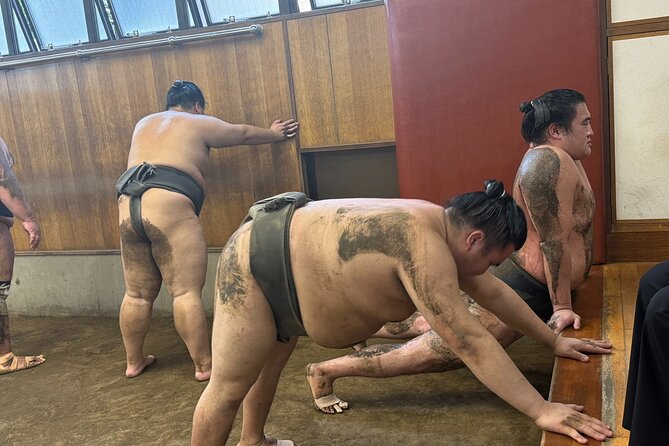
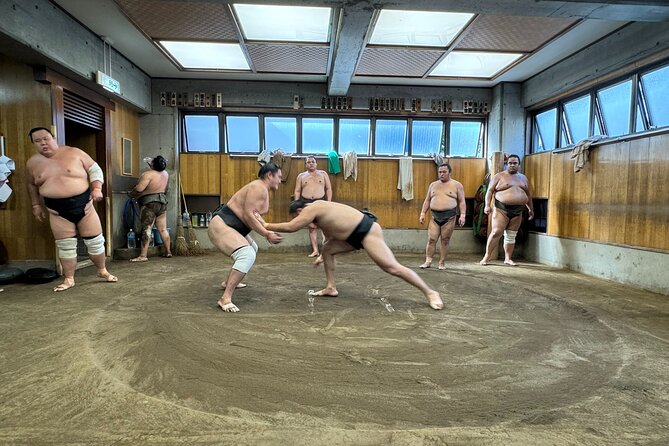
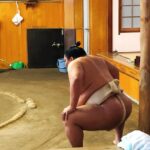
The heart of this tour is the stable viewing. You’ll watch sumo wrestlers train in a session rooted in Shinto traditions. That detail matters because it changes how you interpret what you’re seeing. This is not just athletes working out. There is a ceremonial logic in the routine, and the guide is there to help you connect the dots.
The stable stop runs 1 hour 30 minutes, and the admission fee for the stable is included. That is good value, because stable access is usually the hardest part to arrange on your own. It also means you are not playing guesswork with etiquette or timing.
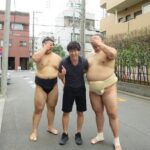
If you want the vibe in one sentence, it is focused, quiet, and respectful. The tour sets expectations clearly: watch quietly, keep a respectful distance, and follow your guide’s instructions. And yes, if you’re lucky, you may have a chance to take photos with a wrestler. Just don’t treat photos as guaranteed.
Group size also helps here. With a maximum of 14 travelers, you are less likely to feel crowded in a space where calm behavior matters.
The viewing etiquette that keeps the whole experience respectful
This kind of access works because you behave the right way. The tour specifically asks you to watch quietly and with respect, since the practice is tied to tradition and has a formal atmosphere.
Here’s the practical part: arrive mentally ready to observe. That means fewer questions in the middle of practice, no big gestures, and no random movement where you block someone else’s sightline. I also recommend you keep your phone use low. The setting is close-range, and it is easier to miss the story if you’re filming everything nonstop.
A nice detail from past guests is that guides may use laminated sheets for commentary and reference. Translation: you may get short, structured explanations that help you follow what’s happening in the ring. If you tune in early, you’ll get more from every minute of training.
And if you’re the type who feels awkward about quiet cultural spaces, this is still a good pick. The tour sets the tone, so you know what to do rather than guessing.
Nominosukune Shrine: sumo’s deity, Yokozuna stone monuments, and the ring-entering tradition
After the stable, you slow down for a cultural stop that is directly tied to sumo’s beliefs. You’ll visit Nominosukune Shrine, dedicated to the god of sumo, Nominosukune.
This is a good counterbalance to the physical intensity of training. The shrine grounds include stone monuments of past Yokozuna, which gives you a visual timeline of elite wrestlers tied to the sport’s history of excellence. Even if you don’t know names yet, your guide context helps you make sense of the significance of those stones.
One tradition you’ll hear about is that newly promoted Yokozuna perform their first ring-entering ceremony. That matters because it connects the shrine to what you just watched. In a sport this ritual-heavy, knowing the meaning behind ceremonies makes the morning practice feel less like watching strangers train, and more like witnessing a culture in motion.
This stop is 10 minutes, so treat it as a focused visit, not a long linger. If you’re the type who wants to read every marker slowly, you may want to allow extra time on your own afterward.
Ryogoku Kokugikan and the Sumo Museum: iconic arena energy with limited time
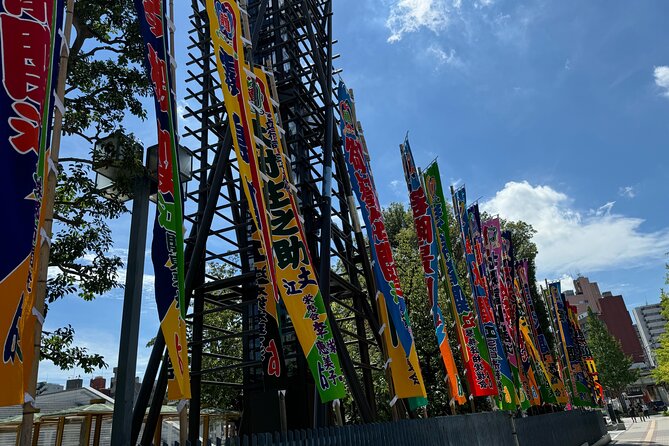
You’ll pass by Ryogoku Kokugikan (National Sumo Arena), the arena where the Grand Sumo Tournament is held three times a year. Even from the outside, it’s easy to see why Ryogoku earned the nickname as the sacred home of sumo. The buildings, the atmosphere, and the people in the neighborhood all point back to big tournament days.
The tour also mentions the Sumo Museum (free), but timing can affect whether you get to stop in. It notes the museum is closed on weekends, and the schedule suggests you may have time for it if everything lines up.
So what should you expect? Think “quick look if possible.” This is not a full museum day. If you love exhibitions and you want a deeper museum experience, you’ll likely do better pairing this tour with a separate visit on another day.
Still, the value of this stop is how it threads continuity. You go from practice, to shrine tradition, then to the arena that hosts the tournaments that define careers.





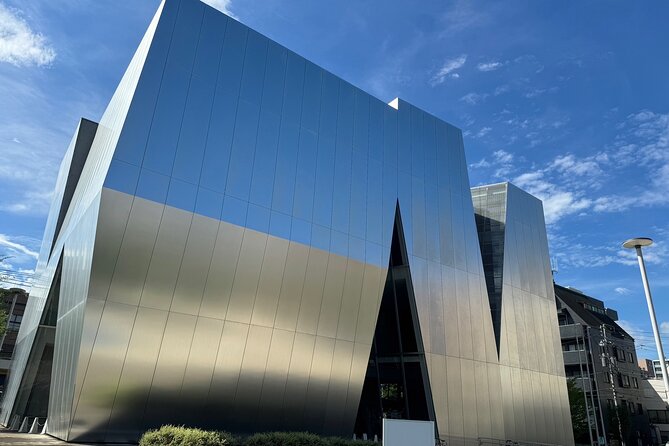
Sumida Hokusai Museum: a short art stop with a clear connection to place
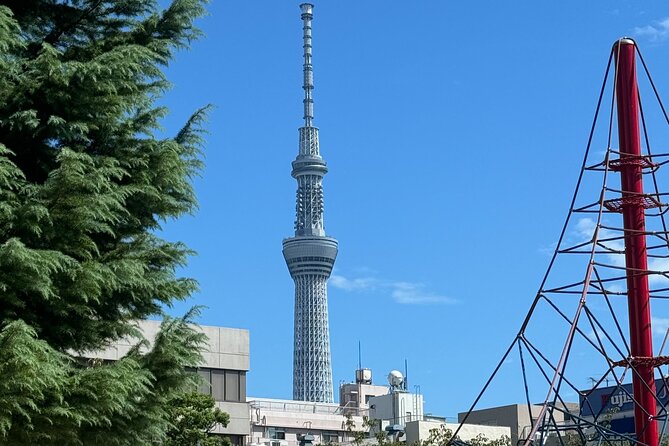
One of the tour’s side-quests is art, via the Sumida Hokusai Museum. It’s tied to Katsushika Hokusai, a famous ukiyo-e artist who was born in the area that is now Kamezawa in Sumida Ward, and spent almost all of his life in Sumida.
The museum stop is 5 minutes on the schedule, and the admission fee is not included (listed as ¥400 JPY). That short time means you won’t get the full sweep of the collection. But it is a nice way to frame Ryogoku and Sumida as part of Edo-period life, not only modern sports culture.
If you are an art-first traveler, you may want to treat this as a teaser. If you just want to see a bit of Hokusai’s local connection without adding a big detour, it’s a workable add-on.
Ryogoku Edo Noren: Edo-style food in an old-station setting
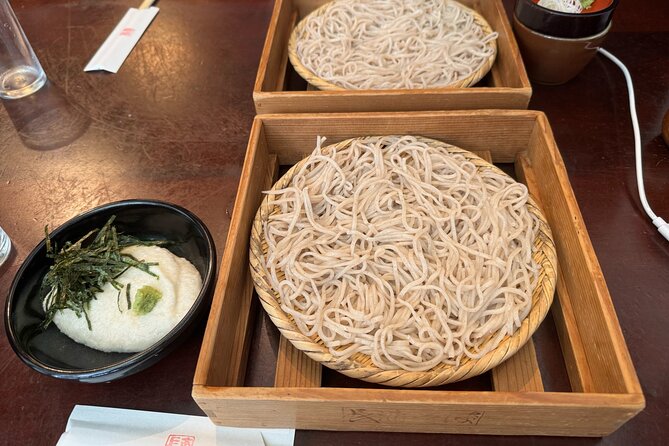
You’ll finish with a brief stop at Ryogoku Edo Noren, described as a space connecting modern-day deliciousness with Edo culture. It sits in the old Ryogoku Station building vibe, with an open-ceiling style reminiscent of Edo-era atmosphere.
This stop is scheduled for 10 minutes, and the tour description positions it around enjoying Edo-style cuisine. But since lunch and beverages are listed as not included, you’ll want to bring money for whatever you choose to eat or drink here.
This is one of those “good to have” moments rather than a guaranteed meal. I like these kinds of food stops because you can match your appetite to time. If you want a snack and a quick taste, you can do that. If you want to skip it and grab something later closer to your hotel, you can.
Price and value: what $110 covers, and what you’ll pay separately
The tour costs $110 per person. For Tokyo, that is not a bargain, but it can be fair value because the most expensive part is usually access. Here, sumo stable admission is included, and you also get a small gift from the sumo stable.
What is not included is where you’ll spend extra:
- Transportation fees
- Lunch and beverages
- Sumida Hokusai Museum admission (¥400)
- Other personal expenses
So the practical way to think about value is this: you are paying for guided access, a structured morning schedule, and context that helps you enjoy the experience instead of just watching without understanding. If you’re trying to recreate this on your own, the stable element alone can be the hard piece.
Also note the group size cap at 14 travelers. Smaller groups can cost more, but they also tend to make it easier to keep everyone moving, respect viewing rules, and hear the guide.
What to know before you go (so you don’t lose time)
A few details will help your morning go smoothly.
First, plan for the early start. 7:45 a.m. is bright and early, especially on vacation. If you tend to run late, this is the kind of tour where being just a few minutes behind can disrupt the flow.
Second, prepare for a mix of short stops. The schedule includes brief visits like the Hokusai Museum area and quick exterior time around Kokugikan. That’s efficient, but it means you should not expect long sits down everywhere.
Third, about the guide. Past experiences for this tour mention guides named Rothko and Ryoko, with a clear emphasis on giving context and history along the way. When you get a guide like that, the whole morning makes more sense. If you’re the type who loves asking questions, bring a few ready, but keep in mind the stable portion is best enjoyed quietly.
Finally, bring basic “morning culture” habits: move calmly, keep noise down, and follow guide cues for when you can and cannot take photos.
Who this sumo morning practice tour suits best
This is a great fit if you want sumo as more than a photo stop. You’ll get:
- A real morning practice at a prestigious stable led by a Yokozuna
- Shrine context for why sumo has a religious backbone
- An easy walk through Ryogoku, sumo’s home turf
You’ll probably enjoy it even more if you like structured guidance. The guide role is important here, because training at close range is impressive, but the meaning comes from explanations.
Who might find it less ideal? If you want a long, slow museum day or you expect a full meal included, this route is more compact. It is built around efficient cultural connections rather than spending all morning in one place.
Should you book Tokyo’s No.1 Yokozuna stable morning practice tour?
I think you should book if:
- You want morning practice access you can’t easily improvise
- You value a respectful, small-group experience with clear explanations
- You’re curious about how sumo blends sport, religion, and local Tokyo identity in places like Ryogoku and Sumida
I would hesitate if:
- You dislike early starts
- You want lots of time inside museums rather than quick cultural stops
- You are hoping lunch is included
If you’re flexible, this tour is one of the most satisfying ways to spend a morning in Tokyo. You get the hard-to-arrange part, the quiet drama of training, and just enough shrine and art to feel like you understood the place you visited, not just passed through it.
FAQ
How long is the tour?
The tour is approximately 2 hours 30 minutes.
Where do I meet the guide for the 7:45 a.m. start?
Meet at Ryogoku Station, in front of the 7-Eleven after exiting the West Exit. The start time is 7:45 a.m..
Is the sumo stable admission included in the price?
Yes. The sumo stable admission fee is included, and you also receive a small gift from the stable.
Do I need to pay for the Sumida Hokusai Museum?
Yes. Museum admission is not included, and the fee listed is ¥400 JPY.
What is the maximum group size?
The tour has a maximum of 14 travelers.
What is the cancellation policy?
You can cancel for a full refund if you cancel at least 24 hours before the experience’s start time. If you cancel less than 24 hours before, the amount you paid is not refunded.
More Morning in Tokyo
More Tour Reviews in Tokyo


Not for you? Here's more nearby things to do in Tokyo we have reviewed












Tokyo City Tours, side by side.
 ★ 5.01-Day Tokyo Bus TourFrom $12914,250 reviews
 ★ 4.5TOKYO SKYTREE® Admission ticketFrom $1311,192 reviews
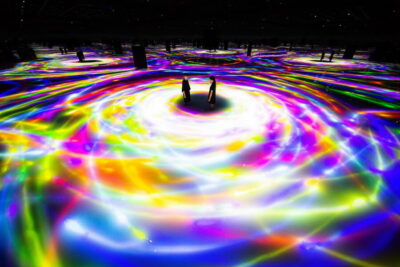 ★ 4.6teamLab Planets TOKYO Digital Art Museum Entry TicketFrom $259,779 reviews
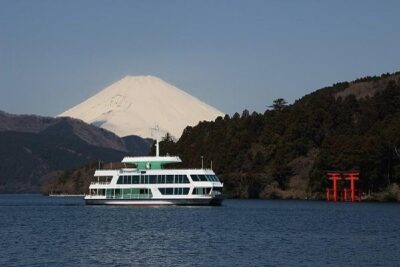 ★ 4.0Mt Fuji & Hakone Cruise, Drum Show Bullet Train 1 Day from TokyoFrom $1497,413 reviews
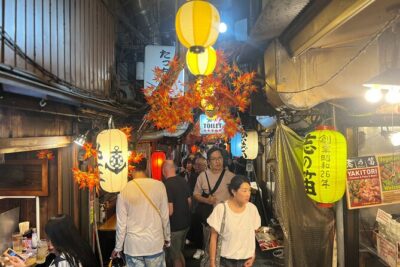 ★ 5.0Shinjuku Food Tour (13 Dishes at 4 Local Eateries)From $866,603 reviews
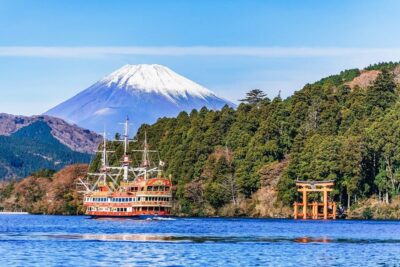 ★ 4.4Tokyo Mt Fuji 5th St & Hakone Cruise Bus Tour w/Bullet TrainFrom $1545,024 reviews
 ★ 5.0Flagship 2-Hours Official Street Go-Kart Tour – Tokyo Bay ShopFrom $644,974 reviews
 ★ 4.5From Tokyo: Mount Fuji Full-Day Sightseeing TripFrom $684,970 reviews