
Review · TOKYO SUMO EXPERIENCES
Tokyo: Sumo Morning Training Visit
Sumo training feels more real than a show. This experience gives you real access to a Tokyo sumo stable and a front-row feel for morning keiko up close. The tradeoff is that you will sit on the floor for a while, with strict rules about noise and movement.
You should also know that the “one hour” isn’t always one hour in practice. Training length can be shorter during the big tournament months, and flash photography is forbidden, so come ready to watch with your eyes.
Key things I’d circle before you go
- A working sumo stable, not a staged performance: you’re seeing training rhythms, not choreographed bouts.
- Close-up viewing depends on timing: arriving on time matters for better sightlines.
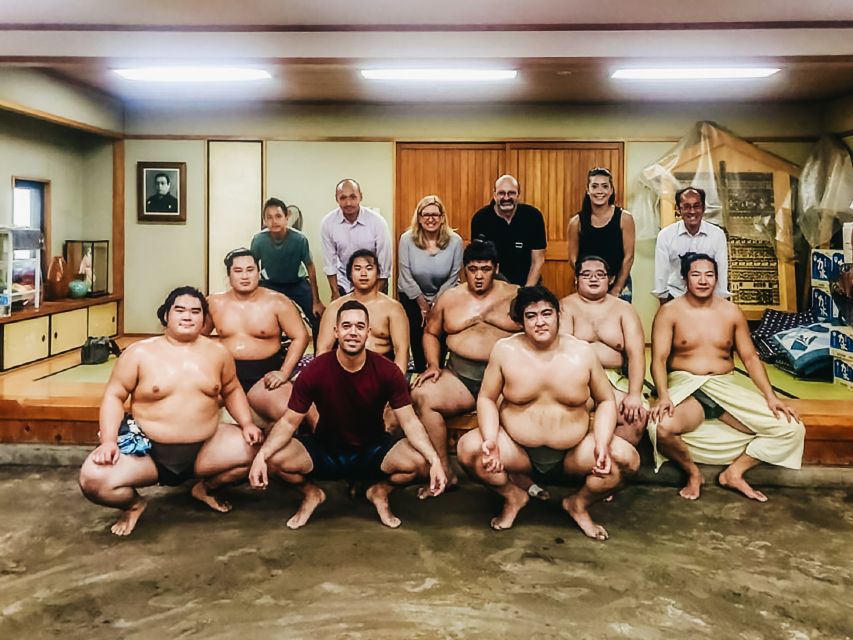
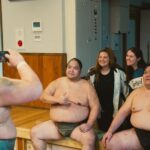
- A group photo at the end is included: leaving early usually means you miss it.
- Rules are part of the experience: quiet behavior, no flash, and no food or drinks.
- Session length can shrink: during Grand Sumo Tournament periods, training may be about 30 minutes.
- Meeting details change: the exact meeting point is confirmed by email, not always what Google shows.
Why a Sumo Morning Training Visit Feels Different Than Tournament Viewing
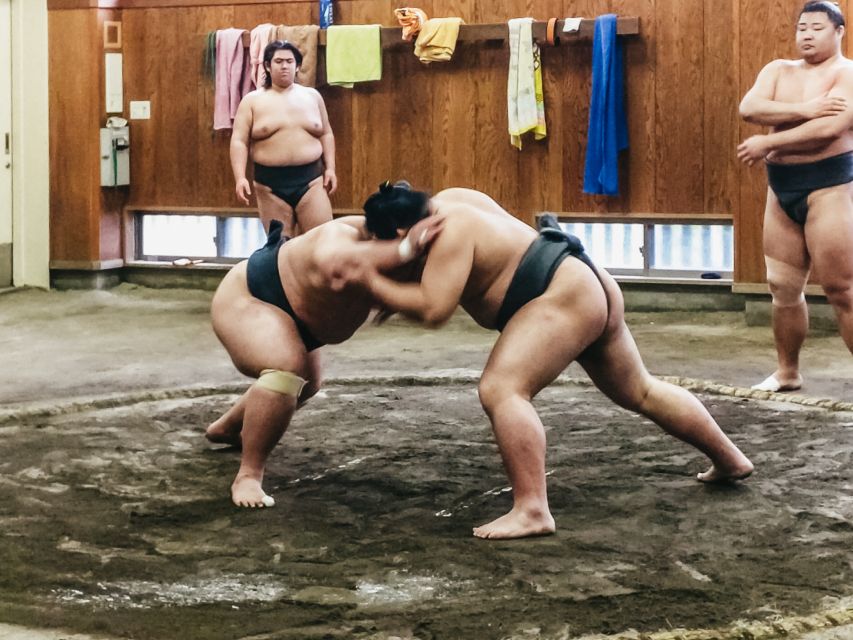
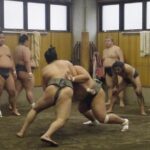
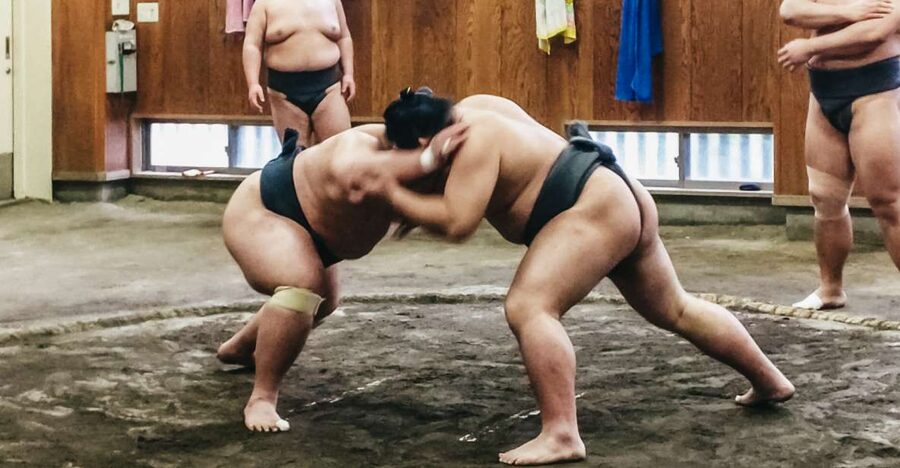
Tournament sumo is loud, fast, and very easy to follow. A stable training session is the opposite. You get a calmer, more focused look at how wrestlers build power and timing through drills, warm-ups, and repeated sparring practice.
What I like about this kind of visit is that you’re watching process, not just results. You’ll see how athletes move their feet, set their stance, and generate force, and you’ll notice how much the sport depends on discipline and routine. The chance to take a group picture with active wrestlers also turns the experience from “watching” into something more personal.
One practical consideration: this is still a training session. Expect you to be quiet and still, and don’t plan this like a sightseeing stop where you can talk and wander.
More Tokyo tours and experiences for the shortlist
Price and Time: What $77 Buys You (and What It Does Not)
At about $77 per person for a visit around one hour, you’re paying for two specific things: entry to a real stable during training and the included group photo. Hotel pickup is optional, not baked in.
The value depends on the season. Normally, training sessions run about 60 minutes. But during the Tokyo Grand Sumo Tournaments (January, May, and September), sessions can be around 30 minutes, and the ticket price does not come with refunds just because the session is shorter.
Also, this is not the same product as a tournament ticket where you see bouts. If your dream is to watch full competition matches, this training visit is more about understanding how they prepare, not replacing tournament action.
Finding the Stable: Your Best Plan When the Address Changes
One of the biggest “gotchas” here is the meeting point. The voucher and any auto-generated map pin can be misleading, because the actual stable location is confirmed by email about 3 days before your visit. Your confirmation email will include the meeting time and the specific address or directions.
Plan to do two things:
- Check both the email and the voucher before you leave your hotel.
- Arrive at the meeting time. If you get there early, do not ring the doorbell or enter early.
If you arrive late, you can run into problems fast. Check-in starts at the meeting time, and in cases where pickup is included (optional transfer), the policy is strict if you miss the pickup window. This kind of punctuality is normal around stables because training has to start on schedule.
Inside the Stable: What You’ll Watch During Keiko
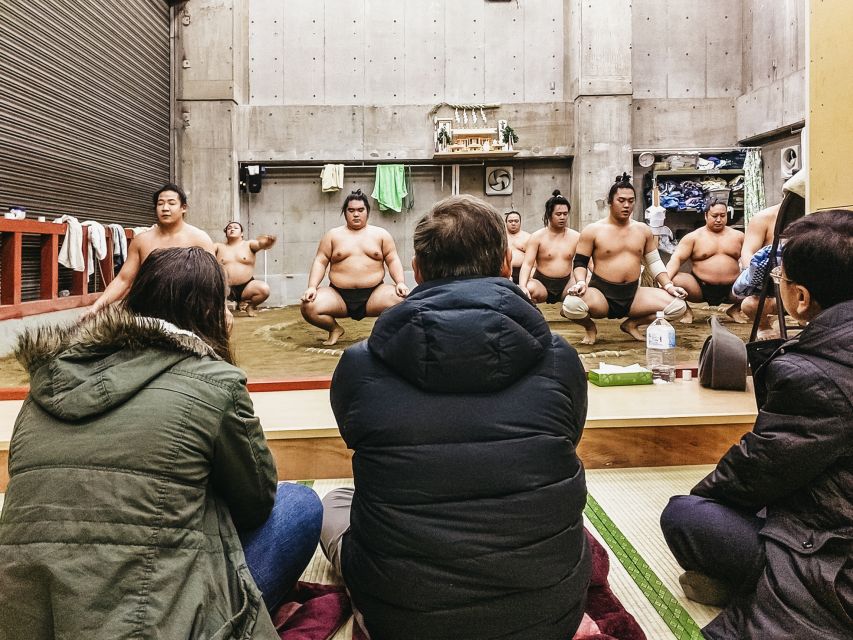
Your experience inside the stable is built around watching active professionals practice. You’ll typically see a mix of warm-up and technique work, and it can include sparring-like moments depending on the day and the wrestlers’ condition. The schedule can also change, because it’s tied to how the stable day actually runs.
Here’s the key mindset for you: this is a real training environment, not a curated museum show. That means:
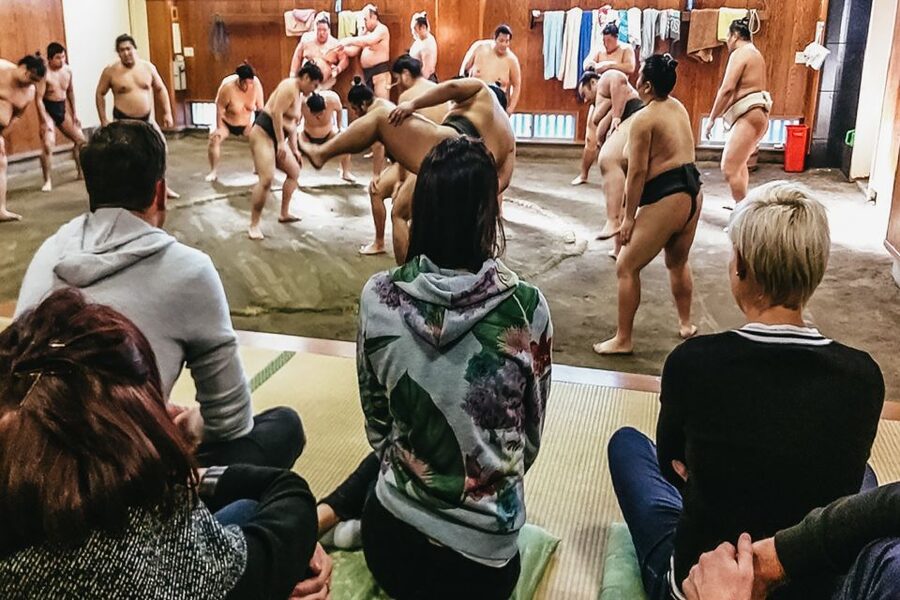
- You’ll mostly be watching from a seated area set up for visitors.
- You’ll be expected to follow behavior rules and avoid distractions.
- You’re there to observe the session as it unfolds.
Several visitors note that the session can feel long because you stay in one place and can be on the floor. Seating arrangements can also affect your view, especially if you end up in the back.
If you want the most satisfying visuals, treat it like a morning performance. Get there on time, pick a spot that gives you clear sightlines, and be ready to watch quietly while the training continues.
The Reality of Seating: Floor Time, Quiet Rules, and Clean Etiquette
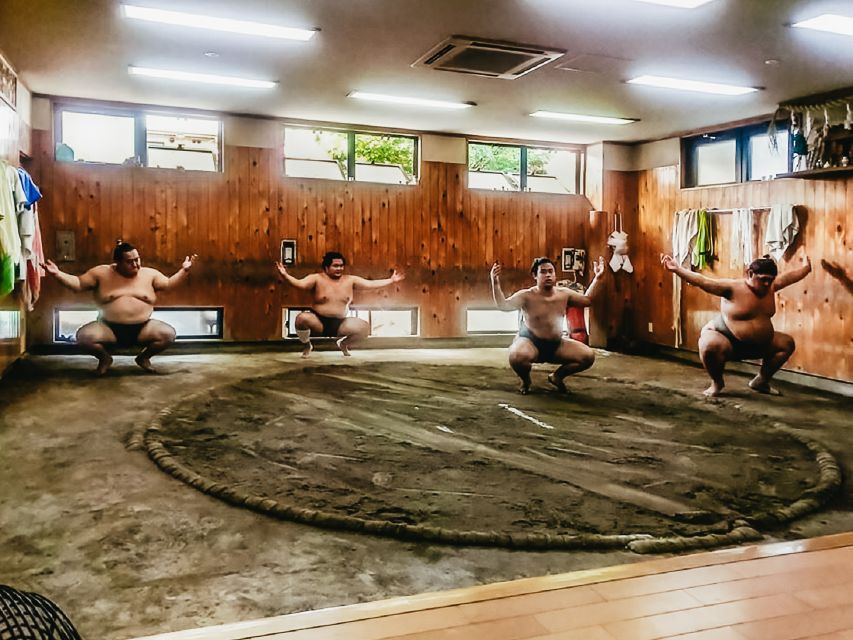
You should arrive prepared for stable manners. You’ll be close to the dohyo area, and the expectation is that you don’t interfere with training. The rules are clear about what is not allowed, and they matter for everyone’s experience.
Based on the information you’re given, here’s what to plan for:
- Talking loudly and making noises is prohibited.
- Phones must be switched to silent mode.
- Flash photography is forbidden, and video may require prior permission.
- Food and drinks are not allowed.
- Hats and sunglasses are not allowed.
- No luggage or large bags.
Also think about comfort. One common complaint is that you may be seated on the floor for a long stretch without much cushioning. If you have knee issues, consider bringing a small plan for comfort (within whatever limits the stable and guide allow), and expect that movement during keiko is limited.
If you’re the type who loves to learn through watching, you’ll probably do great. If you struggle with sitting still, this part may be the hardest.






The Guide Role: English Support and How Much Context You’ll Get
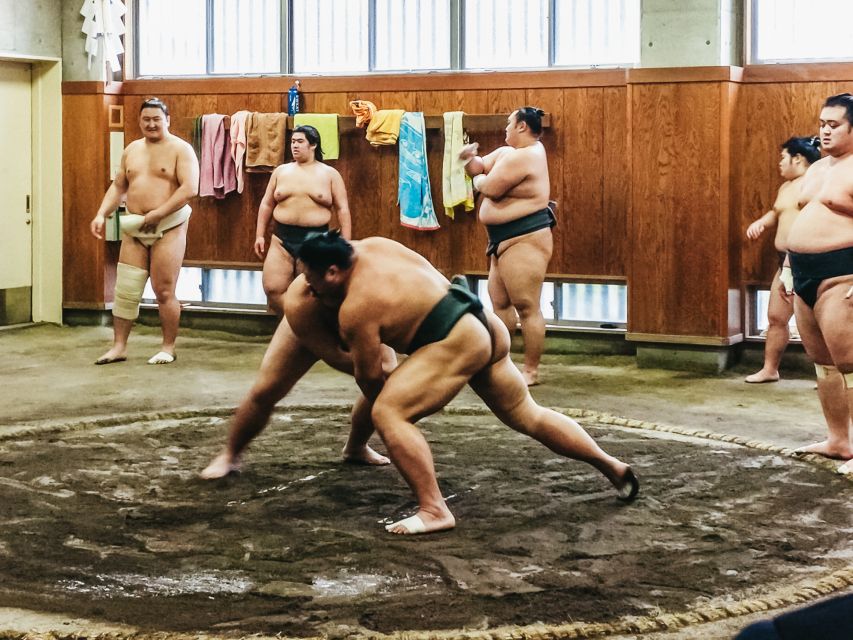
The visit includes an English-speaking host or greeter, but the level of explanation can vary. In some cases, the person assisting you may focus on checking your name and handing you basic rules for stable behavior. In other cases, you might get more context about what you’re seeing.
So don’t rely on the visit to teach you everything about sumo traditions. Instead, come with a light plan of your own. You can quickly refresh the basics before you go, like how wrestlers train, the idea behind keiko practice, and why rituals matter in sumo culture.
If you need a more educational experience, consider pairing this visit with something else later in your Tokyo trip where you can get deeper background.
Group Photo: How to Make Sure You Get It
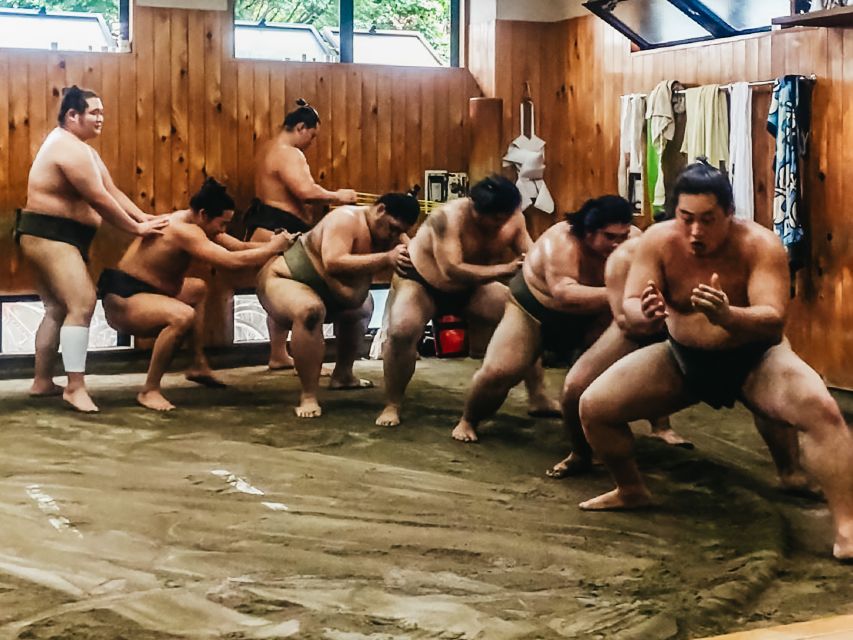
The group picture is one of the clear highlights, and it’s included at the end of the session. That detail sounds simple, but timing matters.
If you leave early, you may not receive the group photo. So if you’re traveling with kids, older relatives, or you have a tight schedule afterward, plan a buffer. A stable training session can run right up to the activity end, and you don’t want to miss the best souvenir moment.
Optional Hotel Transfer: When It Helps, and When It Might Not
You can optionally choose a one-way transfer from your hotel. It’s limited in scope: pickup must be within Tokyo’s 23 wards, max four passengers, and drivers are Japanese-speaking without English.
This option can be worth it if:
- You’re staying far from the stable area.
- You want a low-stress start to an early-morning outing.
- Your hotel makes it easy for pickup (hotels without a front desk aren’t acceptable for pickup in this setup).
One more practical note: the pickup details are sent by email, at least a day in advance, and if you miss your pickup time by more than 10 minutes, it’s treated as a waiver. So if you choose transfer, set an alarm you can trust.
If you’re a strong navigator and you enjoy public transit, you might not need the transfer. But because the meeting point can change at the last minute, transportation planning matters.
Who This Sumo Training Visit Suits Best
This is a great match if you want authentic culture through work-in-progress. You’ll enjoy it most if you like sports nuances, watching technique develop, and respecting rules in a traditional setting.
It’s also a smart choice if you’re trying to avoid an overpriced “tourist show.” Here, you’re paying to get inside a working stable and see active wrestlers training up close.
You might want to think twice if:
- You need lots of seats with back support, since floor seating can be hard.
- You want constant commentary and a full lesson, because explanation can be limited.
- You’re traveling during January, May, or September and you’re hoping for a full hour of training, since sessions may be closer to 30 minutes then.
Should You Book This Tokyo Sumo Morning Training Visit?
Yes, if your goal is to see sumo as a craft, not just a contest. The real stable access, close-up view of training, and the included group photo are a strong package for the money, especially compared with options that only show performances.
Book it particularly if you:
- Want a memorable Tokyo morning activity that feels genuinely traditional.
- Are comfortable following clear rules and staying quiet.
- Can commit to arriving on time, because the meeting point details can shift.
Skip or rethink it if you’re mainly chasing match-day action, because this is training time. Also, if you know sitting still for a long stretch is difficult for you, plan for that reality before you commit.
If you do book, I’d treat it like a small morning ritual: check your email directions carefully, arrive exactly on time, silence your phone, and bring a face covering. Then settle in and watch the work, not the spectacle.
More Morning in Tokyo
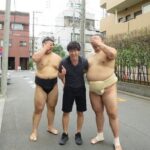
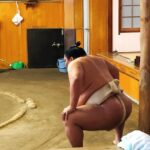
More Tour Reviews in Tokyo
Not for you? Here's more nearby things to do in Tokyo we have reviewed












Tokyo Sumo Experiences, side by side.
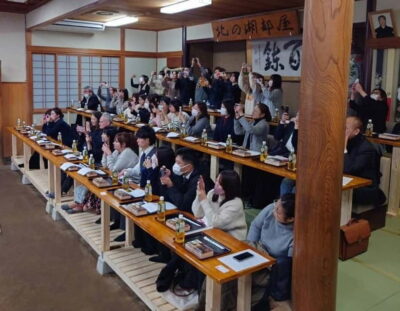 ★ 4.8Sumo Show and Dining ExperienceFrom $792,742 reviews
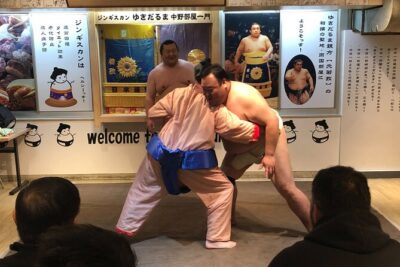 ★ 5.0the SUMO showFrom $891,960 reviews
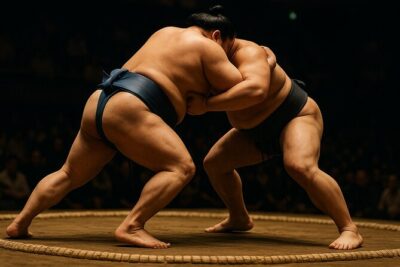 ★ 5.0Tokyo Shinjuku Sumo Show & Experience with PhotoFrom $791,750 reviews
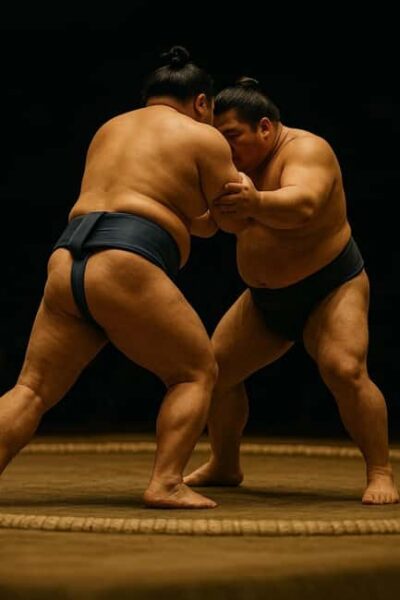 ★ 4.8Sumo Show and Experience in ShinjukuFrom $691,001 reviews
 ★ 4.7Luxury Sumo Show Experience & Japanese cuisine & DrinkFrom $103577 reviews
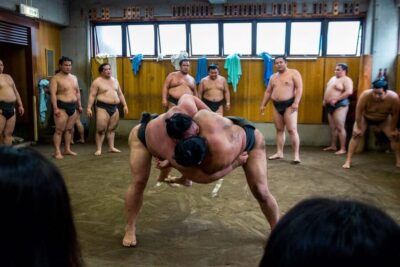 ★ 4.8Sumo Morning Practice Viewing TourFrom $81570 reviews
 ★ 4.8Tokyo Sumo Experience: Chanko & Mochi with a Former ProFrom $103567 reviews
 ★ 5.0Ultimate Sumo Tournament: Tokyo, Osaka, Nagoya, FukuokaFrom $184468 reviews
This tour also belongs to