
Review · YOKOHAMA DAY TRIPS
Learn Sushi-grade fish with a licensed guide @Yokohama fishmarket
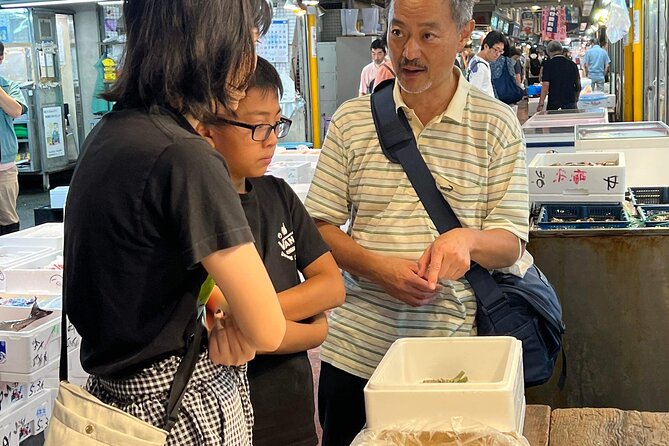
Yokohama wakes up early, and so does your sushi brain. This 2-hour small-group tour takes you into the wholesale market, then helps you connect Kanagawa fishing to the fish you see on ice.
I especially like two things: the chance to taste FREE TUNA and the way your guide explains how fish stay fresh, plus you get quizzes and cooking tips as you walk.
One consideration: this isn’t for you if you hate seeing raw fish, including eyes and bones, since the market is very real.
Key highlights you should care about
- Wholesale market access: you get permission to enter the market area, not just stand outside for photos.
- Tuna tasting on the spot: you’ll sample tuna while learning how it’s handled for sushi-grade results.
- Quizzes and practical lessons: you learn fish-related facts and even how to ask fish names in Japanese.
- Fresh morning supply: you’ll see fish caught that morning from 20+ local fishing grounds.
- Small group size: maximum 2 travelers, which makes questions and pacing easier.
- Follow-up restaurant walk: you finish by checking in-market eateries and shops, with food available for purchase.
The 7:30 am start that feels worth it
Meet at the North gate of JR East Yokohama Station. The start time is 7:30 am, and you’ll return to Yokohama station around 9:00 to 9:30. You also need a short walk first, about 15 minutes, before you reach the market.
Early sounds painful, until you remember what fresh fish depends on. The tour is timed for the morning flow, when you can actually connect what’s being brought in to what ends up on display. If you prefer a sightseeing schedule that doesn’t feel like it’s chasing crowds, this early slot is a good fit.
Also, bring practical footwear. The market floor can be very slippery, so skip high heels. Plan like you’re visiting a working kitchen, because that’s exactly what it feels like.
You can also read our reviews of more guided tours in Yokohama
Walking in with wholesale access (and why it matters)
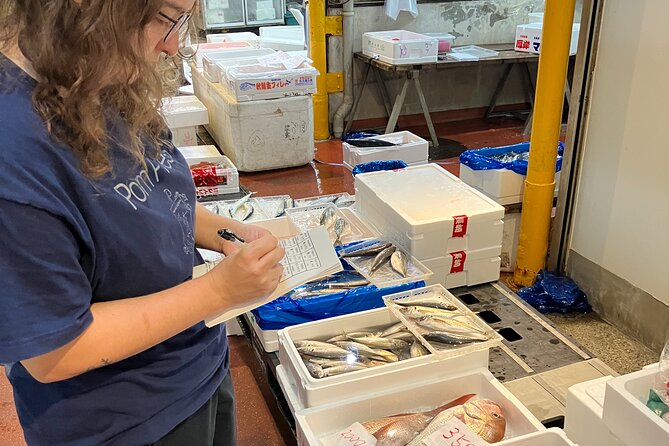
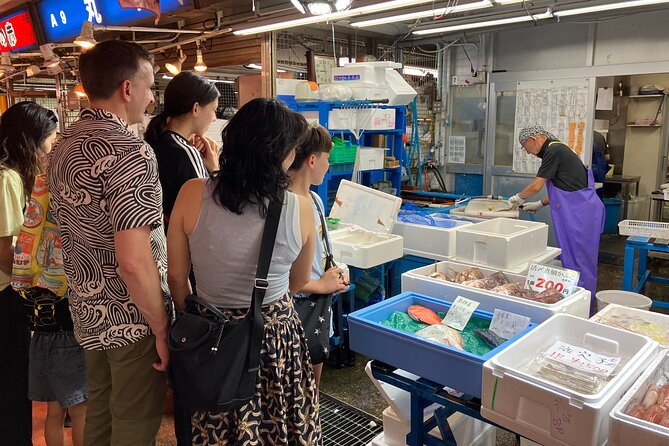
This tour includes permission to enter the whole sale market. That single detail changes the experience. You’re not just looking at fish through barriers or from a distance. You move through the market space where sellers and staff are working, and your guide helps you translate what you’re seeing.
That matters because the market is not designed for tourists. The overall flow, signage, and local explanations are often in Japanese, including regional Yokohama dialect. One of the clearest benefits from the tour style is that you’re not left guessing. When you have a licensed guide, you can keep your curiosity moving instead of turning every conversation into a “shrug and move on” moment.
There’s also a human benefit. With a small group (maximum 2 travelers), you’re less likely to feel like you’re being rushed through stops. You can ask, pause, and get answers while the fish are still fresh and the market is still active.
From fishing grounds to sushi-grade fish: what you’ll learn
Your tour centers on how Japanese fish culture connects three things: where the fish come from, how they’re caught, and how they’re kept fresh. The guide talks about the route fish take to the market, and you’ll hear plenty of practical details as you stroll.
Here’s what makes it feel valuable, not just educational: the tour is built around the morning supply. You’ll walk past fish caught that morning at 20+ local fishing grounds. That gives you a real sense of variety, and it helps you understand why sushi and sashimi aren’t one generic category.
You’ll also learn about handling. The guide explains how fish are caught and kept fresh, and how seafood was preserved before freezing tech spread widely. That historical angle isn’t just trivia. It gives context for why certain practices exist today, and why Japanese seafood often feels so carefully managed from the start.
And yes, you’ll hear Japanese names. You don’t only learn fish names. You also learn how to ask fish name in Japanese, which is the kind of practical language skill that actually helps once you’re back at a restaurant.
The tuna moment: tasting plus a real sense of technique
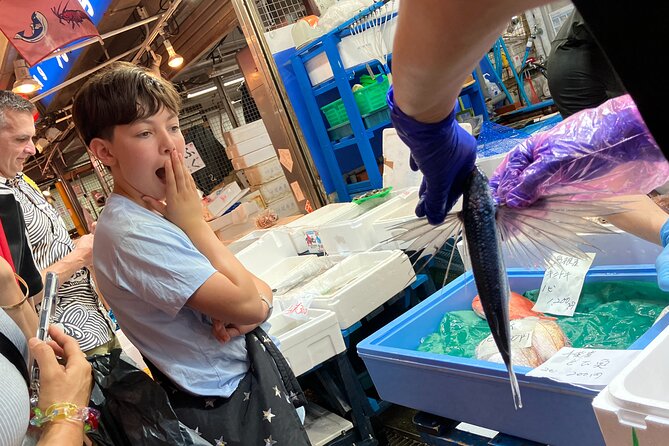
One of the most praised parts of this experience is the tuna focus. You’ll get FREE TUNA to taste during the tour, and there’s also time built around how tuna is handled in the market.
In the review feedback, a key highlight was a tuna dismantling show with clear explanations. That’s the part people remember because it’s visual and specific. You get to see what “preparing for sushi” really means, not just the final plate.
If you’re a sushi fan, this is where the tour earns its place. Tuna can be simple at restaurants, but in a market setting it becomes complicated in a good way. You start paying attention to texture, cut choices, and the logic behind how the market prepares fish for different uses.
One more practical point: after you taste, the market setting gives you a chance to decide if you want to purchase tuna fillets or blocks. The tour mentions you can buy fresh tuna at the market, which can be a fun souvenir if you have the right storage plans.
Quizzes and market chatter that keep you paying attention
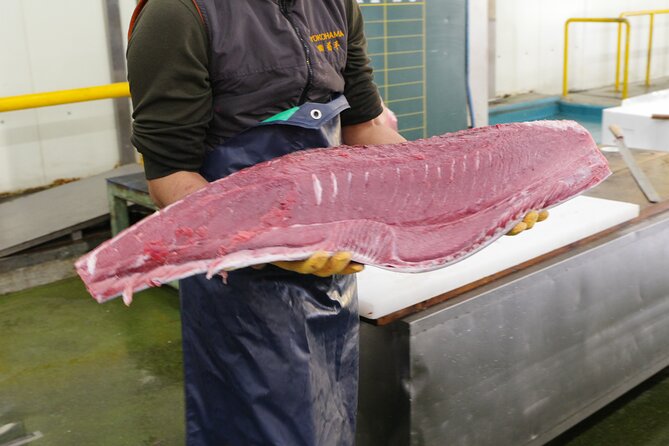
The tour isn’t just a walk with facts. You’ll get quizzes along the way, which sounds gimmicky until you’re standing in a market with dozens of fish staring at you from every angle.
Quizzes do two useful things here:
- They push you to connect the name, the category, and the reason it matters.
- They keep the pace from turning into passive listening.
You also get cooking tips from your guide. Not restaurant tips meant to sound impressive, but practical pointers that help you understand how fish should be treated. Even if you never cook fish at home, these tips make restaurant ordering easier because you understand what you’re paying attention to.
And if you’re learning Japanese, this tour has a built-in reason to practice. Knowing how to ask fish names in Japanese helps you engage directly with what you see in the market and later at sushi counters.


Where you end: in-market restaurants and your next meal plan
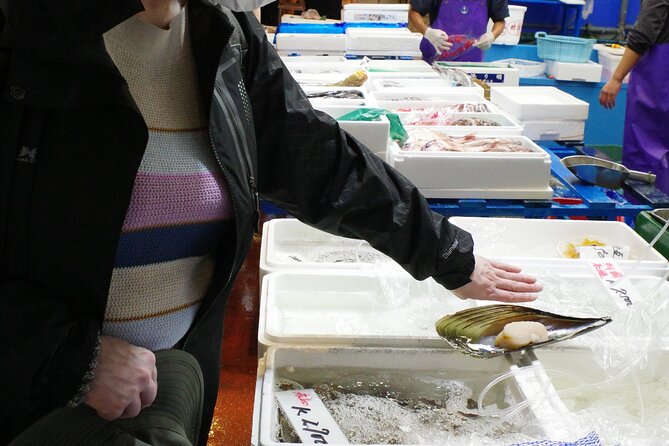
The tour wraps up with a walk around in-market restaurants and shops. Food is not included, but you’ll be right where you can eat if you have time.
The tour gives a helpful ballpark: a sushi set menu is approximately ¥2,200. That matters for budgeting. At a minimum, plan to treat this as a “tour plus possible lunch” morning, because the market is designed to sell you food, not just teach you.
The best way to use the final walk is to watch what the restaurants offer before you order. You’ll already have learned fish names and some selection logic, so you can make choices that feel intentional. Otherwise, it’s easy to fall back into picking whatever looks good on the menu board.
The price question: $55.28 for market time and access
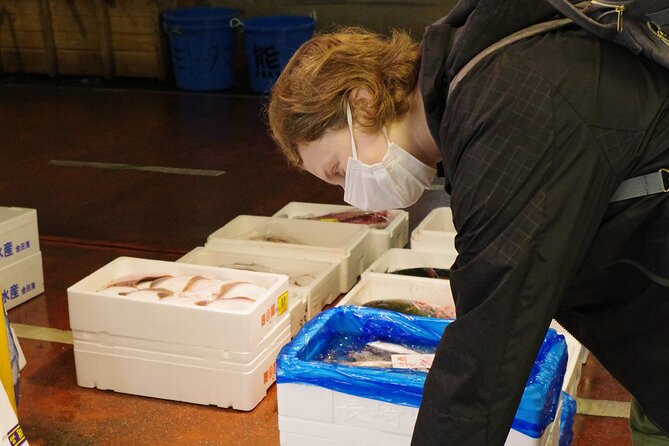
At $55.28 per person, this is priced like a specialty experience, not a generic city walking tour. The key value driver is that you’re paying for market access plus a licensed guide’s explanations.
What you get included is permission to enter the market area. What you get in practice is:
- guided interpretation in a market that is not set up for foreign-language tourists
- a small group setting that keeps the experience from feeling like a conveyor belt
- tuna tasting and active learning tools like quizzes and cooking tips
If your main goal is to learn fish for sushi, this tends to be better value than a standard “fish market photos and goodbye” tour. If your main goal is just to eat seafood, you might prefer skipping the tour and going straight to a restaurant. But you’d miss the part that turns seafood from random choices into recognizable categories.
Also, the tour is explicitly positioned as a Yokohama alternative to the Tokyo markets. It even calls out that the Tokyo area has no fisheries, so you might want to compare freshness expectations. For many people, the appeal is the connection to Kanagawa fishermen and seeing supply that’s part of the local scene.
Who this tour suits best, and who should skip it
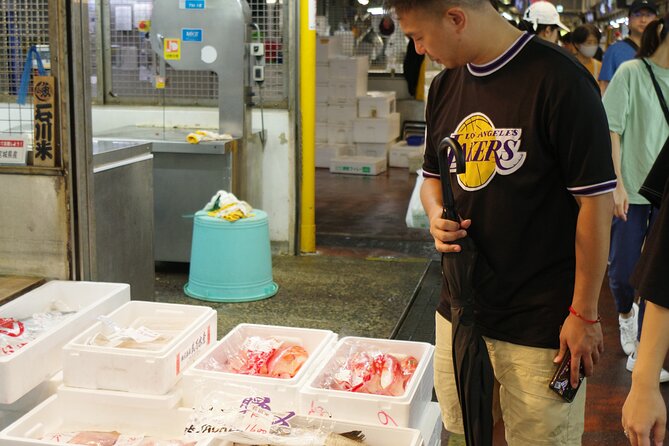
This experience is perfect if you’re one of these types:
- You love sushi and want to understand ingredients beyond the label.
- You like fresh seafood and want to see how it moves from fishing grounds to market.
- You enjoy hands-on learning, especially tastings and quick quizzes.
It’s also a good choice if you want small-group attention. With a maximum of 2 travelers, you’re more likely to get answers to your specific questions.
Skip it if you are uncomfortable with raw fish. The tour does not recommend participants who do not want to see raw fish, including eyes and bones. That’s not a detail to ignore. Markets like this are practical workplaces, not sanitized museums.
Also, if you hate early mornings, plan for fatigue. This starts at 7:30 am, and you are walking. The return is late enough that you can still have the rest of your day, but it will likely set the tone for the rest of your trip.
Practical tips for a smooth morning
These are the kinds of details that make your experience go smoothly:
- Wear shoes with grip. The market floor is slippery.
- Don’t wear high heels. You’re walking on uneven, work-style surfaces.
- Bring curiosity, not just a shopping list. The guide uses quizzes and explanations to help you connect what you see.
- Bring an appetite for planning. Food is available at the end, but you’ll pay your own bill. Budget around that ¥2,200 sushi set figure if you want a baseline.
And if you’re interested in Japanese language practice, this tour gives you a reason to use it. Learning how to ask fish names in Japanese can turn the market walk into real conversation instead of awkward pointing.
Should you book it?
Book it if you want your Yokohama trip to include something you can use. This tour helps you understand fish sourcing, handling, and sushi ingredient logic, and you also get tasting and language practice. The tuna focus and the clear, market-based explanations are exactly the kind of experience that makes sushi feel more meaningful after.
Skip it if you want a low-immersion meal-focused outing only, or if you’re uncomfortable seeing raw fish. The market is real, and the tour does not pretend otherwise.
If you’re on the fence, think about what you want after the tour. If you want to order sushi with confidence, recognize fish names, and understand why certain choices make sense, this is a strong bet for the money. If you just want to eat seafood, you can do that without the tour, but you’ll be giving up the main learning value.
FAQ
What time does the Yokohama Fish Market tour start?
The tour starts at 7:30 am at the North gate of JR East Yokohama Station. The tour ends back at the meeting point around 9:00 to 9:30.
How long is the tour?
The tour duration is about 2 hours.
Is food included in the price?
No. Meals are not included. There is a chance to taste FREE TUNA during the tour, and you can buy sushi at in-market restaurants, but you pay the restaurant directly. A sushi set menu is listed as approximately ¥2,200.
What is included with the tour ticket?
The ticket includes permission for the entrance to the wholesale market.
Do I need to worry about walking and the market floor?
Yes. You should expect walking, including about 15 minutes to the fish market. The floor can be slippery, so avoid high heels and wear footwear with good traction.
Is there free cancellation?
Yes. You can cancel for a full refund up to 24 hours before the experience start time. The experience may also be canceled due to poor weather, with an alternative date or full refund.
More Guided Tours in Yokohama

More Tour Reviews in Yokohama



Not for you? Here's more nearby things to do in Yokohama we have reviewed

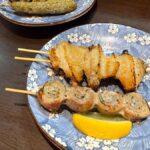
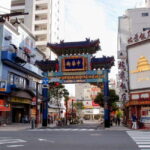
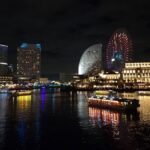

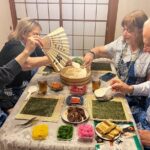
Yokohama Day Trips, side by side.
 ★ 5.0Tokyo 8hr Private Tour with Licensed Guide from YokohamaFrom $20194 reviews
 ★ 4.5Narita Airport: One Way Private Transfer to Tokyo|Yokohama HotelsFrom $7769 reviews
 ★ 5.0Shuttle Van Transfer, Yokohama(Port)⇒Tokyo, Narita, Haneda, TDRFrom $12263 reviews
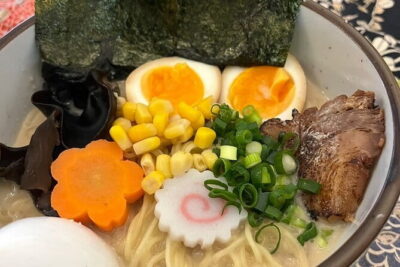 ★ 5.0Yokohama Ramen Adventure From a Local Noodle Factory to HomeFrom $16560 reviews
 ★ 4.5Private One-Way Transfers to/from Yokohama PortFrom $6750 reviews
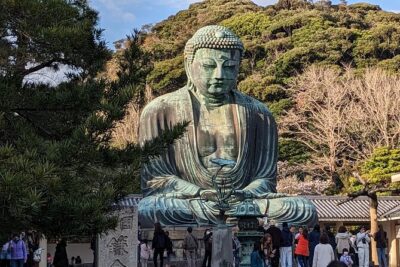 ★ 5.0Private Car Tour to see Highlights of Kamakura, Enoshima, Yokohama from TokyoFrom $1,18348 reviews
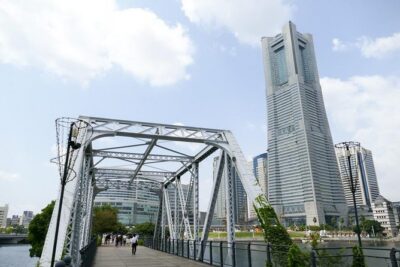 ★ 5.0Yokohama 4hr Private Tour with Government-Licensed GuideFrom $10834 reviews
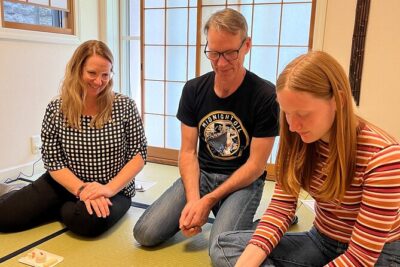 ★ 5.0Japanese Tea Ceremony at Private Home in Yokohama, suburban TokyoFrom $5232 reviews
This tour also belongs to