
Review · KAMAKURA DAY TRIPS
Private Car Tour to see Highlights of Kamakura, Enoshima, Yokohama from Tokyo
Kamakura by private car feels effortless. You get a full day route that mixes big-ticket sights with calm temple gardens, and you can move at your pace thanks to a private vehicle with pickup. I like how the day pairs iconic places like the Great Buddha with quieter stops for matcha and flowers, and how guides can shape the order so it fits your interests. The main catch is that many entrance fees are not included, so your day budget can climb fast if you add sky views and multiple gardens.
If you plan around seasons, this tour makes even more sense. Hokoku-ji’s bamboo grove, Hasedera’s flower highlights, and Meigetsuin’s hydrangeas all have specific timing, and Enoshima and Yokohama add ocean air and bay views when the weather cooperates. One more consideration: with so many possible stops, you’ll want to pick about 4 to 6 sites so you do not feel rushed between entrances.
Key reasons this day works so well
- Private transport, real breathing room: an air-conditioned car with bottled water, so you can save energy for temples and viewpoints.
- Kamakura temples with “sit and look” options: bamboo tea time, matcha and sweets, and garden-focused stops.
- Enoshima brings a coastal reset: aquarium, caves, botanical garden, and (weather permitting) possible Mt. Fuji views.
- Yokohama mixes old and new easily: Minato Mirai skyline angles plus traditional Sankeien Gardens.
- Food-themed add-ons if you want them: Cup Noodles Museum and a ramen museum option, both ticketed.
- Guides can adjust on the fly: the itinerary is fully customizable, so your day can tilt historical, scenic, or food-focused.
Kamakura to Yokohama in one long, smooth day
This is a classic “big sweep, low stress” format. Kamakura, Enoshima, and Yokohama are close enough to do together, but the sites are spread out, and public transport can mean lots of walking and transfers. With pickup and private car time, you get to spend more of your energy on standing still and looking at the details, not tracking down the next platform.
I also like how the day has clear emotional shifts. You start with Kamakura’s spiritual anchor, then move through bamboo, flowers, zen gates, and small shrine rituals. Later you get a coastal break at Enoshima, and the day ends in modern Yokohama bayside areas where the views are made for photos and slow strolling.
The pacing can feel intense if you choose every option, but the structure lets you scale it. You can aim for a shorter list of major stops while still keeping the “cover a lot” advantage of one car day.
You can also read our reviews of more private tours in Tokyo
What the per-group price buys you
The price is $1,183.65 per group, up to 8 people, for about 10 hours. That sounds high until you break it down by group size and compare it to the cost of separate taxis plus the time you lose waiting and transferring.
What you actually get for that money is the vehicle layer plus comfort logistics:
- an air-conditioned vehicle
- pickup offered
- van and private transportation
- highway tolls, parking, gasoline, and fuel surcharge
- bottled water
Then there are the extras that usually matter more than people expect: you are not stuck sprinting between far-apart stops, and you can keep your group together. This is the kind of day where a calm driver makes the temples feel enjoyable instead of stressful.
One thing to plan for: most temple and museum entrance fees are not included. If you want Hokoku-ji, Hasedera, Meigetsuin, the Landmark Tower Sky Garden, and both noodle stops, you should expect to pay several tickets on top.
Temple-and-shrine pacing: choosing about 4 to 6 sites
The itinerary options are broad, and the tour notes that you select around 4 to 6 sites. That is smart advice. Kamakura alone can swallow half a day, especially when flower seasons draw crowds.
A practical approach:
- Pick one “headline” stop in each area (Kamakura, Enoshima, Yokohama).
- Add one garden or tea stop in Kamakura so you slow down and enjoy the atmosphere.
- Save the most time-hungry museum options for Yokohama if you care about food experiences.
This is also where guide flexibility becomes real. A strong guide can reorder or adjust timing based on crowds and your preferences, and you will feel it when you are not wasting time standing in line for the same popular photo spots.
Stop 1 at Kotoku-in: the Great Buddha as your opening move
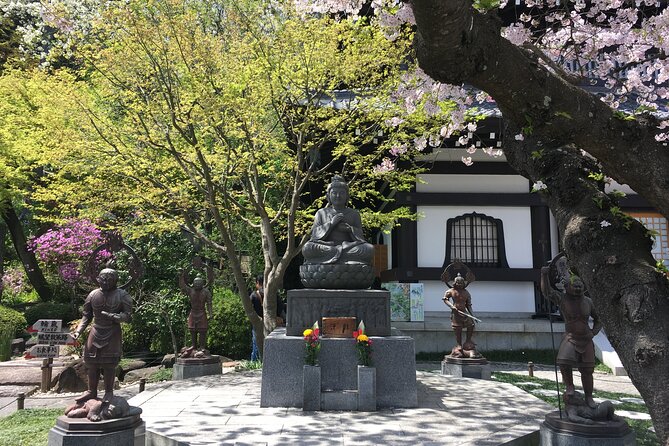
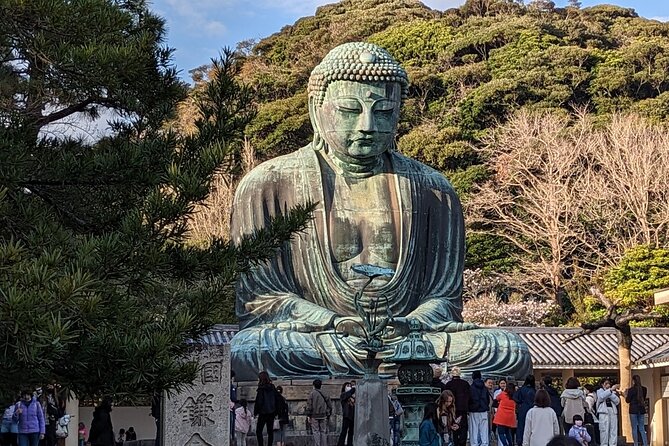
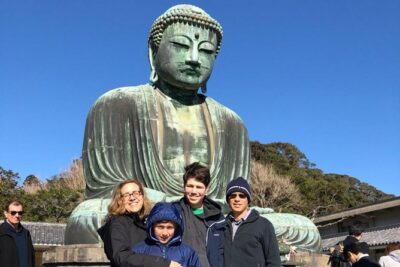
Kamakura starts with one of Japan’s most iconic outdoor statues. Kotoku-in houses Amida Buddha, a gigantic bronze figure about 13.5 meters tall (44 ft.). It is open to the elements, so the lighting, sky, and sea air can change how the statue feels from one visit to another.
Two details make this opening stop extra worthwhile:
- It is the only national treasure in Kamakura.
- You can enter inside the body for a small fee, which can be a memorable moment because you experience scale from the inside.
Do note: the standard admission ticket for Kotoku-in is listed as not included in the tour price. Also, the time slot is about 30 minutes, with time mostly for seeing the main statue and the surrounding grounds. If you are sensitive to crowds, arriving early in the day helps.
Hokoku-ji bamboo grove tea time, matcha included with admission
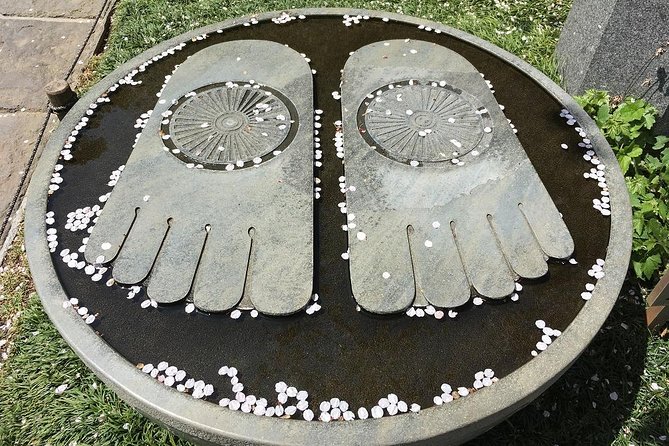
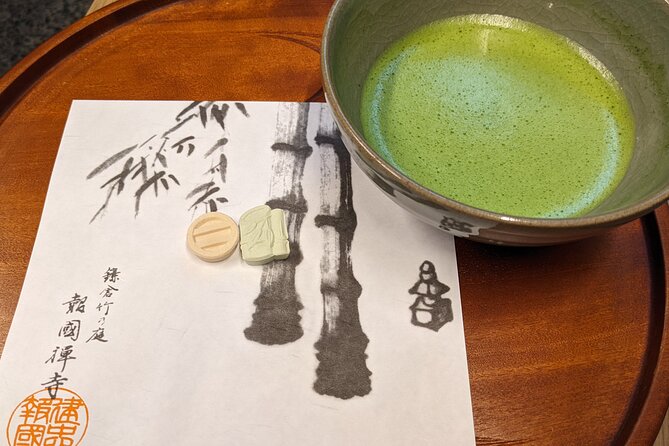
Next is Hokoku-ji, famous for its bamboo grove and listed as highly regarded in travel guides. Bamboo isn’t just a pretty background here. The grove creates a natural corridor effect, and tea time in view of the bamboo is exactly how this stop turns from sightseeing into a breather.
You can order matcha green tea and Japanese sweets in a teahouse overlooking the bamboo. The tour pricing notes that Hokoku-ji’s admission fee includes matcha and a sweet, which is great value because you are not guessing whether tea costs extra.
Expect about 20 to 60 minutes here, depending on how long you linger. If you want a calmer day, I suggest treating this as a “slow down” stop rather than something you quickly photograph and leave.
More Tokyo tours and experiences for the shortlist

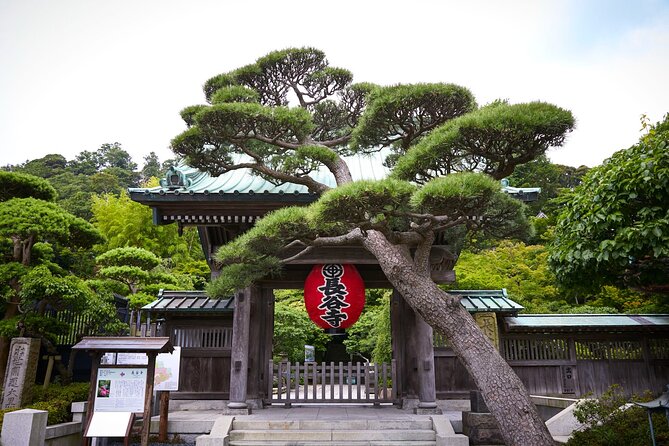
Hasedera Temple: flowers by season and a big Kannon statue
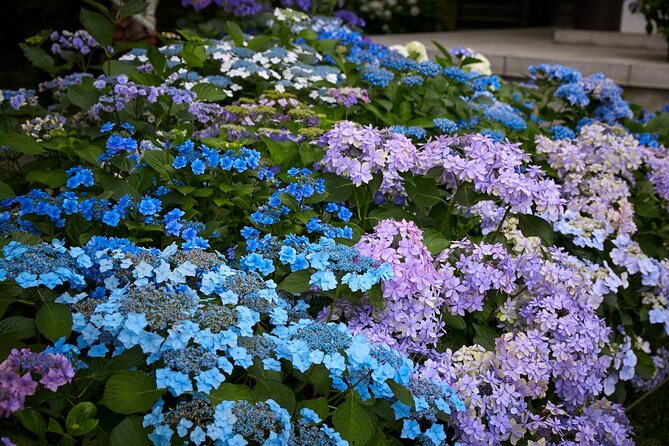
Hasedera Temple is built around flowers and a famous sculpture. The flower highlights match specific seasons:
- cherry blossoms in spring
- hydrangeas from late May to late June
- maple leaves in autumn
You also get the visual punch of a gilded wooden eleven-headed Kannon statue, about 9.18 meters tall. Even if you are not big on statues, scale like this changes your sense of the temple grounds.
Admission is not included. The schedule suggests 30 to 60 minutes. In practice, that can mean two different experiences: a fast circuit to see the main Kannon and key flower areas, or a slower walk where you take in the flower views without rushing.
Tsurugaoka Hachimangu Shrine and Komachidori shopping street
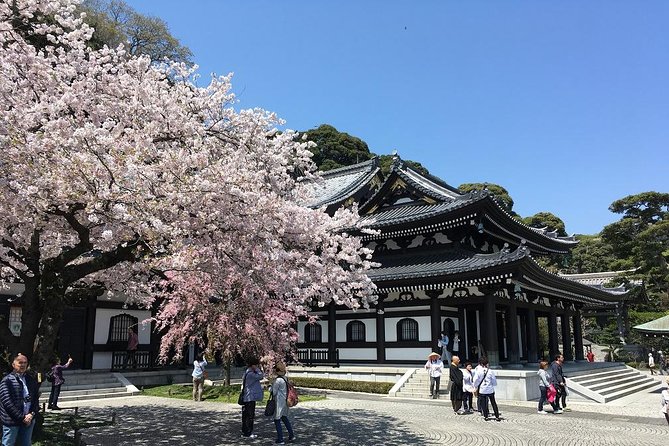
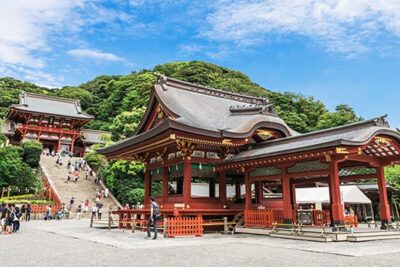
After temples and gardens, you step into Kamakura’s more public, lively center. Tsurugaoka Hachimangu is a Shinto shrine tied to the god of war and the samurai spirit, and it is especially pretty during cherry blossom or azalea season. This is also a popular wedding site, so you may see ceremonies and formal photos on the busiest days.
Then comes Kamakura Komachidori, the shopping street near the shrine. This is where you can make your day useful for future you:
- look for Kamakura-bori lacquerware
- try pigeon-shaped cookies (Toshimaya Hato sable)
- pick up bean snacks like Kamakura mameya
The time allotment is usually short, but 20 minutes can be enough if you go in with a souvenir idea already in mind. The shopping street and the shrine are listed with free admission for this stop, so you can spend money on snacks instead of tickets.
Kencho-ji and Engaku-ji: the zen gate experience plus Ozu’s connection
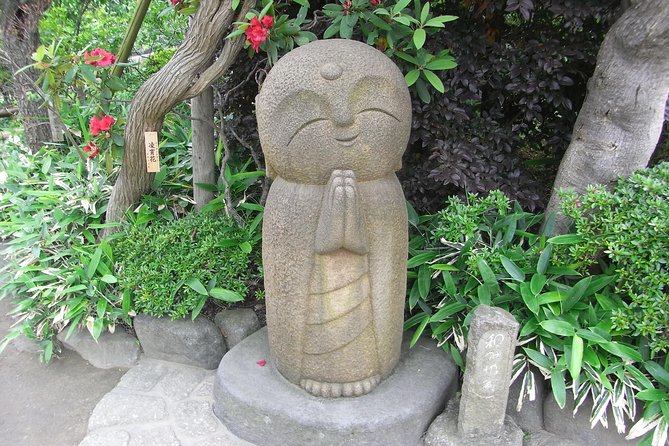
Kencho-ji is one of Kamakura’s core zen temples. It is described as the oldest and highest-ranking zen temple in Kamakura, and it even offers meditation practice on certain dates. If that sounds interesting, ask your guide whether your visit lines up with a meditation timing, because the tour’s entry is short.
This stop also includes a shopping angle, with zen t-shirts sold on site. The admission fee is listed as not included.
Engaku-ji follows, known for a large temple gate and bell, plus a film connection. The grave of director Yasujiro Ozu is located here, which gives the temple a different flavor if you like Japanese cinema. There may also be a cafe on certain dates within the temple compound with lunch, Japanese sweets, and matcha tea and other drinks, so if you are planning lunch around the temple, this is where you can ask about that option. The admission fee is listed separately.
These stops are a good “contrast layer” in the day: after the Buddha and flower-focused sites, zen architecture and the sound of the bell can reset your pace.
Meigetsuin hydrangea temple: the circular window photo moment
Meigetsuin, also known for hydrangeas, hits a sweet spot for many people. It is famous for blue hydrangeas from late May to late June, and the photo hotspot is the circular window in the main hall framing the garden behind it.
If you like pictures, this stop can be a highlight because the window creates a natural composition. If you are trying to avoid crowds, go in with patience, because people queue for that exact angle.
Admission is not included, and the schedule suggests about 30 minutes. That is usually enough time to see the main hall view, wander the garden path, and enjoy the hydrangeas even if you do not linger for a long tea break.
Zeniarai Benten and Tokeiji: rituals and a temple with a tough story
Zeniarai Benten Shrine is the sort of stop you might skip on a typical group tour, but it is fun because it is interactive in a simple way. The belief here is tied to increasing income by washing coins in the shrine’s holy water. It is short, free, and memorable because it gives you a specific ritual to do, not just a background photo.
Then comes Tokeiji, which adds meaning to the day. This quiet temple served as a shelter for women who suffered abuse and sought divorce at a time when only men could ask for divorce. It is not just flower viewing. It is a reminder of how society has changed and how places can hold human stories.
The garden highlights vary by season:
- plums in early spring
- iris and climbing hydrangea around June
- flowers throughout the year
Admission is not included, and the schedule suggests 30 minutes. If your group is sensitive to heavy themes, tell your guide. A good guide can keep it respectful and pace it gently.
The Slam Dunk railroad crossing photo stop by the sea
Between temple areas and seaside islands, there is a short photo stop at a photogenic railroad crossing with blue sea in the background. It was used in the opening sequence of the anime Slam Dunk.
This is not a long stop, but it is the kind of pop-culture detail that makes a day feel uniquely Japanese for your group. If you care about the photo, ask your guide the best moment to step out and how long the safe viewing window might be.
Enoshima Island: caves, aquarium, gardens, and possible Mt. Fuji
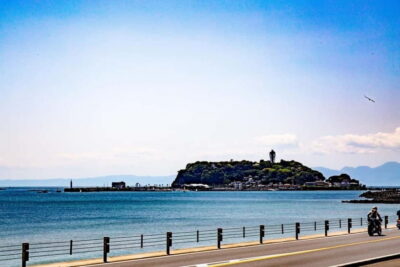
Enoshima is your coastal reset. The island has several attractions including a shrine, aquarium, botanical garden, observation tower, and caves. What you feel here is the shift from stone and wood to sea air and open sky.
Weather determines one big promise. Mount Fuji can be viewed from various places if conditions are clear. Because Fuji sightings are never guaranteed, I recommend treating Fuji as a bonus, not a requirement.
Enoshima’s time window is wide, about 30 to 150 minutes, and the tour notes admission is free for the island. That flexibility is useful. If your group wants calm strolling, give yourselves more time. If you prefer a tight highlight loop, keep it closer to 30 to 60 minutes.
Yokohama Minato Mirai 21: modern views without ticket pressure
Yokohama’s Minato Mirai 21 is the modern seaside area where Tokyo’s energy spills outward. It’s known for the Landmark Tower, Cosmo World amusement park, and the Red Brick Warehouses shopping center.
This segment is listed with free admission, and your time is about 30 minutes. It works well as a “just walk and look” break after Temple Day fatigue. Even if you do not go into buildings, you get a feel for the port city vibe.
If you want the skyline experience, the next stop adds the paid Sky Garden view.
Landmark Tower Sky Garden at 273 meters for skyline fans
The Yokohama Landmark Tower Sky Garden takes you up about 273 meters (900 ft.). From there, you can view the bay area and the bay of Tokyo, and on a clear day you may get a view of Mt. Fuji.
Admission is not included, and your time is around 30 minutes. This stop is a good choice if you value one “high view” moment. It is less necessary if you already feel satisfied by the Minato Mirai walking views, or if your group would rather spend that ticket time on gardens and food.
Sankeien Gardens plus bay parks: traditional buildings from Kyoto
Sankeien Gardens is one of the most satisfying ways to slow down in Yokohama. The garden is traditional and designed by a wealthy businessman, with 17 precious buildings transferred from Kyoto and other places. That building history makes the garden feel like a curated time machine, without needing to talk about modern crowds.
Admission is not included, and the time slot can stretch to 90 minutes. If your group loves gardens or you want something calmer after the island and skyline stops, this is the place to give it proper time. The layout benefits from unhurried walking because details and building placement matter.
Then you add short strolls in scenic parks like Yamashita Park, plus quick viewpoints at Osanbashi Yokohama International Passenger Terminal and Minato-no-mieru Oka Park. These are free and work as “reset moments” between ticketed attractions.
Chinese food option, then Cup Noodles Museum and ramen
If you want food in your travel day, this itinerary gives you two fun museum choices that also act like meal alternatives.
First, there is a Chinatown option. The tour notes that Yokohama’s Chinatown is Japan’s biggest, and it can be added as a stop or as lunch on request.
Then the Cup Noodles Museum at Yokohama: you learn the instant-noodle story, topping selection, and how to make your own noodles. You can also try different tastes from worldwide noodles and buy souvenirs that are only available there. Admission is not included, and the visit time can be 45 to 90 minutes.
Finally, Shinyokohama Ramen Museum offers multiple ramen options in one area, with a highlighted count of eight different ramen types. Admission is not included, and the time slot is about 1 hour.
If you are traveling with kids, food lovers, or anyone who likes interactive museums, these stops can be a big payoff. If you are not into ramen themes, you might swap them for more time at the bay parks or Sankeien.
The driver and guide factor: why this tour often feels easy
This day lives or dies on people skills. The tour is operated by local Japanese staff, and it emphasizes nationally certified guides plus skilled drivers. In practice, that matters because you are spending hours in a car and then jumping into short, timed temple and museum windows.
From what’s been praised repeatedly, the most effective guides:
- explain what you see without turning it into a lecture
- adjust pace when crowds build
- handle logistics smoothly so you do not feel rushed
- keep English communication clear for international groups
Names that come up often include Ken, Kenji, Taiji, Taisho, Yoshimi, Masae, Yoshi, Sumiko, Matsashi, Hoshi, and Elina. The common thread is a friendly tone and the ability to make the day feel personal, not generic.
Still, one honest consideration: if you get a less compatible guide, you can end up feeling like the day is moving without matching your interests. My practical advice is simple. Before the day starts, be clear about the top 3 things you want, and the one thing you do not want. Then check in early, so adjustments can happen while you still have time.
Who should book this Kamakura-Enoshima-Yokohama car tour
Book it if you want:
- a one-day link between three very different areas
- private comfort with pickup and an air-conditioned vehicle
- the ability to pick around 4 to 6 stops instead of being locked into a fixed pace
- a guide who can explain temples, shrines, and garden seasons in a way that matches your group
This also fits well for families, small groups, and people who would rather pay for convenience than spend the day navigating trains and walking uphill between sites.
If you are traveling solo on a tight budget and you do not care about entrance-ticket hopping, you might do cheaper on your own. But you would sacrifice the “stay together, arrive on time, pick your moments” advantage.
Should you book it?
I think this is a strong choice if your priority is comfort plus cultural depth, without the stress of coordinating transport between Kamakura, Enoshima, and Yokohama. The value becomes real when you split the group cost across up to 8 people and when you include at least a few ticketed highlights like Hokoku-ji tea time, Meigetsuin hydrangeas, or the Landmark Tower Sky Garden.
Before you book, do two things:
- Decide which paid tickets you actually want, since many are listed as not included.
- Tell your guide your pace preference, fast highlights or slower garden time, so the day does not feel packed.
If you want a calm, organized day that still feels Japan-specific, this private car tour is an easy yes.
FAQ
How long is the Kamakura, Enoshima, and Yokohama private car tour?
It runs for about 10 hours.
What is the group size limit?
The tour is for a private group of up to 8 people.
Is pickup offered?
Yes, pickup is offered.
Is this tour private?
Yes. Only your group participates.
Are entrance fees included in the tour price?
No. Entrance fees are listed as not included for multiple stops, including Hase-dera, Kotoku-in, Hokoku-ji, Engaku-ji, Meigetsuin, the Landmark Tower Sky Garden, Sankeien Gardens, and more.
Is lunch included?
No. Lunch is not included.
What is included in the price?
The included items are the van/private transportation, air-conditioned vehicle, highway tolls, parking, gasoline and fuel surcharge, bottled water, and parking fees.
Is there a mobile ticket?
Yes, a mobile ticket is provided.
Can the itinerary be customized?
Yes. The itinerary is fully customizable, and you are advised to select around 4 to 6 sites.
Is vegetarian food available?
Yes. The tour notes that a vegetarian option is available.
More Private Tours in Tokyo
More Tours in Tokyo




More Tour Reviews in Tokyo


Not for you? Here's more nearby things to do in Tokyo we have reviewed












Kamakura Day Trips, side by side.
 ★ 4.5Kamakura & Enoshima Day Trip including Temple TicketsFrom $581,375 reviews
 ★ 4.5Mt. Fuji, Kamakura, Big Buddha, & Lake Ashi Day TripFrom $49867 reviews
 ★ 4.5From Tokyo: Kamakura & Enoshima 1-Day Bus TourFrom $66189 reviews
 ★ 5.0Kamakura Historical Walking Tour with the Great BuddhaFrom $98129 reviews
 ★ 5.0Kamakura Private Tour: Temples, Nature, and the Great BuddhaFrom $98121 reviews
 ★ 5.0Kamakura Walking Tour – The City of ShogunFrom $35100 reviews
 ★ 5.0Kamakura 8 hr Private Walking Tour with Licensed Guide from TokyoFrom $20180 reviews
 ★ 4.1Kamakura & Enoshima Day Tour with Pickup & Train RideFrom $1361 reviews
This tour also belongs to