
Review · YOKOHAMA DAY TRIPS
Yokohama Like a Local: Private & Personalized Experience 2,3 hrs
Yokohama feels easier fast. This private, interest-based walk is built to help you get your bearings and experience the port area and Chinatown without being rushed by a big group. You start at Sakuragicho, learn the city’s transport logic early, then move through places most visitors miss.
What I like most is the custom pacing. You do not just get a set script, you can adjust as you go, and your host stays focused on your interests and comfort. I also like how the route mixes “see it” stops with “understand it” stops, so you walk away with context for why Yokohama looks the way it does.
One consideration: it’s a 2 to 3 hour walk, so you’ll want to plan for some time on your feet. If mobility is an issue, tell your host upfront, because hosts in past tours have been thoughtful about finding places to sit and keeping things manageable.
Key points worth knowing before you go
- A private host means your itinerary can flex around what you care about, not just what fits the guide’s schedule.
- Sakuragicho orientation first, so you learn the practical transport habits that make the rest of your trip easier.
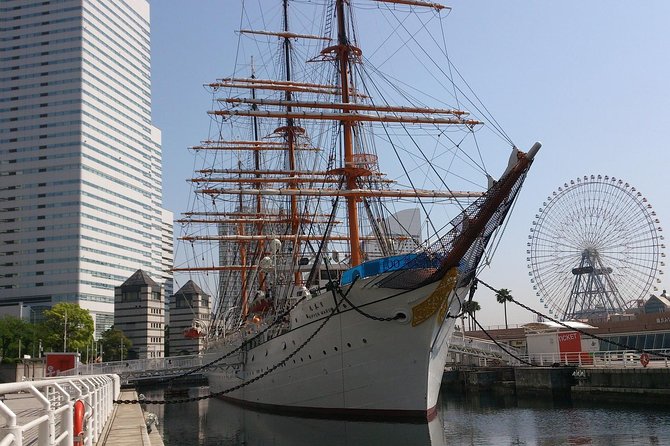
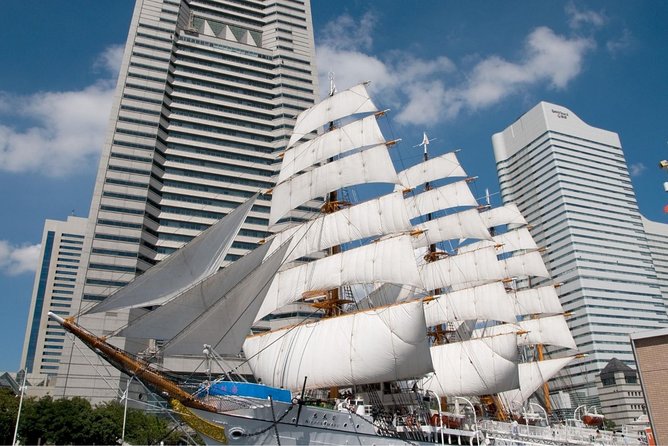
- Port-area history in walkable chunks, from a sailing ship memorial to the red brick former Customs Inspection House.
- Bay views at Osanbashi Pier, with an easy strolling rhythm along the waterfront.
- Chinatown time for shops and meals, not just a quick photo stop.
- Mobile ticket and a simple meeting point, starting at NewDays Sakuragicho (2F, outside the ticket gates).
Why Yokohama works best with a private host
Yokohama can feel like a “bonus stop” next to Tokyo. This tour flips that. In a short 2 to 3 hours, you get a host who can steer you toward the parts that match your interests, whether that is maritime history, architecture, park strolls, or Chinatown food vibes.
The private format matters because Yokohama is practical, not tourist-robotic. The best experience comes from knowing how the city connects, where to walk, and how to move without guessing. Starting at Sakuragicho is smart because it’s a rail hub, so once you learn the basics early, your later plans get easier.
Also, this is not a “stand here and listen” type tour. It’s built around walking, with the option for your host to suggest public transport or taxis if needed. That flexibility is part of the value, especially if you are trying to squeeze Yokohama into a tight schedule.
You can also read our reviews of more private tours in Yokohama

Your 2 to 3 hour plan, from Sakuragicho to Chinatown
Think of this as a focused sampler of central Yokohama, with three main zones: transit orientation, bay and port history, then Chinatown.
The arc goes like this:
1) You meet at NewDays Sakuragicho and get help navigating the city’s transport system.
2) You move into the port area, with history anchored by a sailing ship memorial park.
3) You pass the red brick former Customs Inspection House area, now a major stop for visitors.
4) You hit a permanent exhibit that organizes Kanagawa’s past into five eras, giving you a fast framework for what you’re seeing.
5) You stroll through Elephant’s Nose Park and then along the Osanbashi Pier waterfront for bay views.
6) You finish in Yokohama Chinatown, where you can explore shops and restaurants at your own rhythm.
It’s compact, but it doesn’t feel random. The stops build on each other: first you understand how to move, then you understand what the port is, then you relax with views, then you end with the neighborhood energy.
Meeting at NewDays Sakuragicho (and why that helps)
Your start point is NewDays Sakuragicho, at JR Sakuragicho Station, 2F, outside the ticket gates. Ending back at the meeting point keeps logistics simple, especially if you’re connecting to other plans.
This matters more than it sounds. Many city tours start far from where you actually want to base yourself. Sakuragicho is also convenient if you are coming from elsewhere in Kanagawa or using rail to jump to Tokyo afterward. It’s a practical hub for a half-day.
If you asked for a hotel meet-up, it’s available on request for central locations. That can save you time and steps on day one, but you’ll want to confirm it during booking so you do not arrive hunting for a rendezvous spot.
Getting oriented at Sakuragicho, so you don’t waste the trip
The first stop is all about navigation. You’ll familiarize yourself with the best ways to get around Yokohama and how to use the transport system, starting right at Sakuragicho. The goal is simple: you should not spend your visit wandering, re-checking maps, or missing the easiest route.
Here’s what that practically does for you:
- You learn how stations and lines relate to the areas you’ll actually walk to.
- You get a sense of which segments are best on foot versus by train.
- You can ask questions in real time, while you’re still near the hub.
In past experiences with hosts from this provider, people have praised guides for handling personal needs and planning routes efficiently. One example from feedback: Tommy was considerate about helping with mobility concerns and worked out sensible subway navigation and pacing. Another: Maoko planned travel by train and boat to maximize the walking tour experience. Even if your specific route differs, the underlying approach is the same: make the city make sense quickly.
Port history at the sailing ship memorial park
Next up is a memorial park connected to a sailing ship and the port history of Yokohama Bay. This is the kind of stop that can be more meaningful than it looks on a map. A memorial park is usually less crowded and more reflective than big-ticket landmarks, so it’s a good place to slow down for a minute.
Why it’s worth including:
- It explains Yokohama’s relationship to maritime trade and the bay.
- It gives you a story hook for what you’re seeing later near the waterfront.
- It sets a tone of place, not just sightseeing.
The tour is private and personalized, so you might spend more or less time here based on your interest in maritime history. If you are the type who likes to connect the dots, this stop is a strong foundation.

The red brick former Customs Inspection House
One of the best-known architectural anchors in Yokohama Bay’s historic zone is the red brick Customs Inspection House area. In this tour, you’ll visit these handsome former Customs Inspection House buildings, which have been converted into a popular spot.
Even if you only know Yokohama as a port city, red brick warehouses and inspection buildings usually signal a specific era of international trade and regulation. Seeing it in person helps you understand why later neighborhoods and waterfront structures feel the way they do.
A note on how this works on the ground: buildings like this can be easy to pass quickly if you are on your own. With a host, you get more “why this exists” and less “what is it” guessing.
Kanagawa in five eras, through a permanent exhibit
After the architecture, you move into a comprehensive permanent exhibit that divides the history of Kanagawa into five eras. The promise here is fast context: you learn about people’s lives, beliefs, and political and economic changes, in a structured way.
This kind of exhibit is ideal for short tours. It’s not trying to be encyclopedic for hours. It’s giving you a framework so the next walks and photos make sense. When you know a basic timeline, Yokohama stops feeling like random scenes and starts feeling like a place with cause and effect.
A practical tip: if you like museums but hate long reading sessions, tell your host you prefer highlights. Your host can guide you through what matters most within the time you have.
Elephant’s Nose Park for a nature-shaped landmark
Then comes Elephant’s Nose Park. The name is literal in a poetic way: the embankment shape resembles an elephant’s nose, so you get a simple visual reason for the nickname.
Parks on bay edges often do two jobs. They give you a breather, and they place you in the geography of the city. Elephant’s Nose Park likely helps you shift from “history mode” to “walk and look around” mode, which is exactly what you want right before waterfront views.
If you enjoy light walking and people watching, this stop can be a nice contrast to the exhibit-heavy portion of the tour.
Osanbashi Pier waterfront stroll and bay ship views
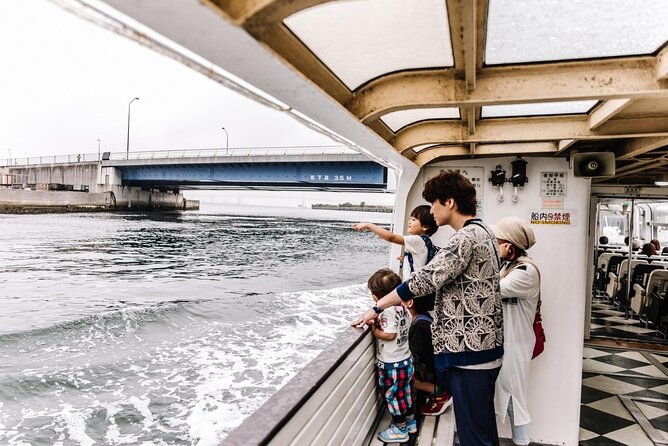
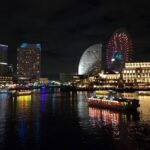
One of Yokohama’s bigger western-style parks stretches along the ocean waterfront, and this is where you can enjoy the bay views and ships passing by while you stroll. Osanbashi Pier is the anchor here.
This is the part many people picture when they think of Yokohama: a horizon line over water, a sense of scale from the harbor, and enough open space to take photos without feeling jammed in.
Also, waterfront walks are where your pacing matters most. If you are tired, you can slow down or step aside. If you’re energized, you can keep strolling. The private format makes this section feel less like a checkmark and more like a relaxing end to the tour.
Chinatown, gates, shops, restaurants, and what to do there
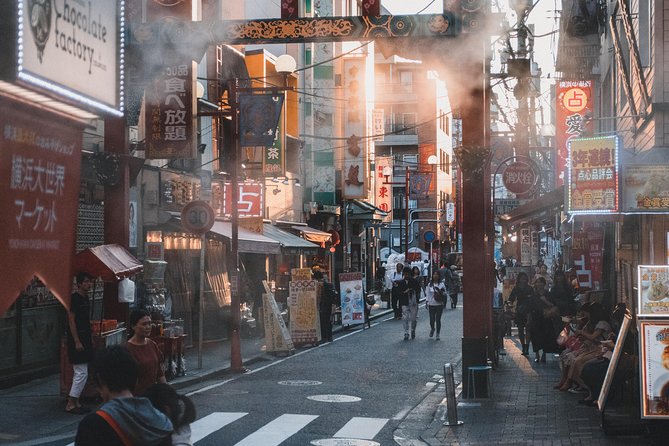
You finish by walking through the colorful gates of Yokohama Chinatown. This is your neighborhood time, where you can explore dozens of shops and restaurants.
This stop works well at the end because:
- Your brain already has context for the city’s “port history” side.
- Now you get the human side, food, shopping, and the daily street-level feel.
- You can decide how long you stay based on hunger and energy.
If you want the best value here, use your host’s suggestions. Even if you are not buying anything, ask what dishes are worth trying and what areas are most fun to browse. That’s how you avoid wasting Chinatown time on the first menu that looks good but is not the one you came for.
Price and value, is $76.01 per person fair?
At $76.01 per person for a 2 to 3 hour private experience, the value depends on what you want out of Yokohama.
Here’s where the pricing makes sense:
- You get private attention, not a shared group shuffle.
- You get transit guidance from Sakuragicho, which can save real time later.
- You get a host who adjusts to your pace and interests, which is the core “like a local” promise.
- You get a route that mixes transit orientation, historic context, and a satisfying finish in Chinatown.
It becomes less of a bargain if you only want a quick photo route and you’re comfortable navigating alone. But if you are new to the city, have limited time, or want the “why” behind what you see, this format tends to pay off quickly.
One more value note: it’s a mobile ticket and you can request a hotel meet-up for central locations, which reduces friction. Less hassle is not free, but it is part of what you’re paying for.
What to expect from the host, names that came up in feedback
What stands out in feedback is how consistently hosts focus on personalization and support.
- Anya is praised for truly tailoring the outing to your preferences and listening to what you want to see and taste, with flexibility built in.
- Riri is described as kind and careful about introducing local characteristics, including how to understand what you’re looking at.
- Marti is highlighted for going out of her way to make sure an eSIM was working, along with making sure key things got covered.
- Tommy is praised as personable and interesting to talk with, plus considerate pacing when someone’s knees needed extra breaks and help finding places to sit.
- Maoko is recognized for planning using trains and boats to maximize the walking tour experience and for finding a sukiyaki spot with harbor views.
These names are not promises that every host will match every detail, but they signal the type of service you can hope for. The bigger lesson for you: message your interests clearly, and tell your host about anything that affects pacing, like mobility or must-see themes.
Getting more out of it: small planning moves that help a lot
This tour includes walking if required, and your host can suggest public transport or private taxi options. Transportation costs are not included, and attraction tickets are not included either, so you should budget for any paid entry fees you choose.
To make the most of the time, I suggest:
- Tell your host your priorities before you start, like bay views, history, parks, or food in Chinatown.
- Share any walking limitations early, so your host can adjust the route and breaks.
- Wear comfortable shoes. Even with taxis or transit suggestions, this is still a short-city-walk style experience.
- Plan for a flexible end. Chinatown is where you may decide to linger, so don’t book a tight next commitment right after the tour.
And if you’re joining from outside Yokohama, remember the start and end are the Sakuragicho meeting point, so you’ll want your schedule to orbit around that.
Should you book this Yokohama Like a Local tour?
I’d book it if you:
- Want a first-timer-friendly way to understand Yokohama fast.
- Like port history, historic architecture, and waterfront views.
- Prefer private pacing over following a group.
- Appreciate transit help so your next day in Japan runs smoother.
Skip it or consider another option if:
- You hate walking and want a mostly seated day.
- You already know Yokohama well and can navigate the port area confidently on your own.
- Your main goal is ticketed attractions with specific entry times, since tickets are not included and much depends on your own choices.
If you’re trying to kickstart your Yokohama visit with context plus a relaxed ending in Chinatown, this is a strong way to do it in a compact half-day.
FAQ
How long is the Yokohama Like a Local private tour?
It runs about 2 to 3 hours.
How much does the tour cost?
The price is $76.01 per person.
Where does the tour start?
The tour starts at NewDays Sakuragicho, located at JR Sakuragicho Station (2F, outside the ticket gates). It ends back at the same meeting point.
Is this a private tour?
Yes. It is a private experience, and only your group participates.
What’s included in the price?
The tour includes a private and personalized experience with a host, a walking experience if required, and a hotel meet-up for a central location if you request it.
Are attraction tickets included?
No. Tickets to attractions are not included.
Is free cancellation available?
Yes. You can cancel for a full refund up to 24 hours in advance of the experience start time.
More Private Tours in Yokohama
More Tour Reviews in Yokohama
Not for you? Here's more nearby things to do in Yokohama we have reviewed


Yokohama Day Trips, side by side.
 ★ 5.0Tokyo 8hr Private Tour with Licensed Guide from YokohamaFrom $20194 reviews
 ★ 4.5Narita Airport: One Way Private Transfer to Tokyo|Yokohama HotelsFrom $7769 reviews
 ★ 5.0Shuttle Van Transfer, Yokohama(Port)⇒Tokyo, Narita, Haneda, TDRFrom $12263 reviews
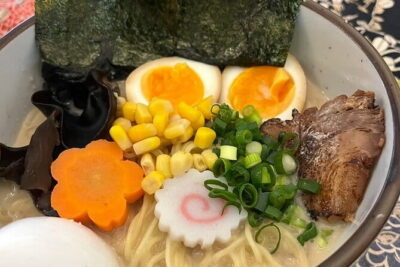 ★ 5.0Yokohama Ramen Adventure From a Local Noodle Factory to HomeFrom $16560 reviews
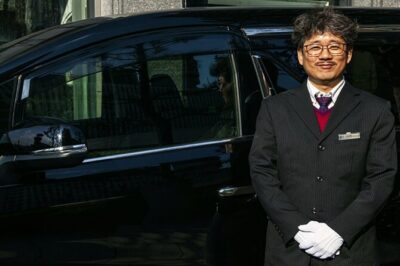 ★ 4.5Private One-Way Transfers to/from Yokohama PortFrom $6750 reviews
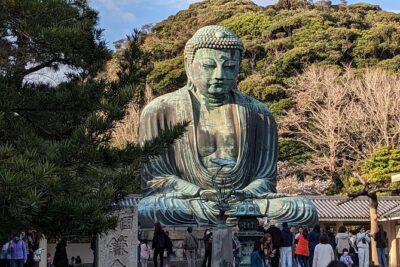 ★ 5.0Private Car Tour to see Highlights of Kamakura, Enoshima, Yokohama from TokyoFrom $1,18348 reviews
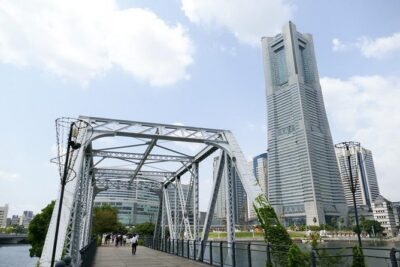 ★ 5.0Yokohama 4hr Private Tour with Government-Licensed GuideFrom $10834 reviews
 ★ 5.0Japanese Tea Ceremony at Private Home in Yokohama, suburban TokyoFrom $5232 reviews
This tour also belongs to