
Review · TOKYO FOOD TOURS
Ramen,Gyoza,Udon,Tempura-Making experience in Japanese home
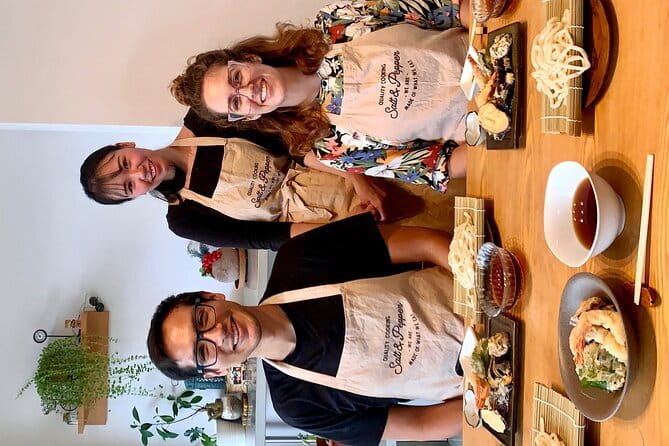
Ramen tastes better in a real home. In Yokohama, you cook classic comfort foods with Mana, a local host, inside an actual Japanese house, not a studio. You pick one set menu, roll up your sleeves, then enjoy lunch together.
I especially like the relaxed private format, where you can ask questions and move at a comfortable pace. I also like that Mana is a licensed cook who cooks for her family every day, and she’s described as speaking very good English.
One consideration: menu and dietary changes depend on advance notice. If you have allergies or a halal or vegan plan, message Mana soon after booking, because changes can’t be made on the day.
Key highlights at a glance
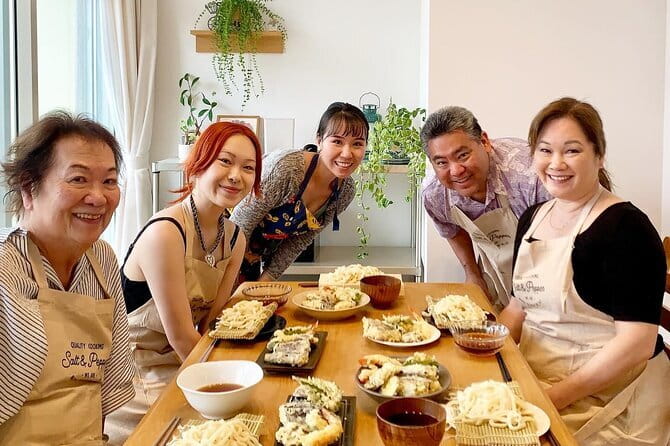
- Private in-home lesson with Mana (your group only, no mixing with strangers)
- Choose one of three set menus: udon and tempura, gyoza and maki-sushi, or soy ramen and gyoza
- Real home-kitchen pace with cooking time plus time to sit down and eat
- Lunch is included and you eat what you make together
- Dietary options can be possible if you message in advance
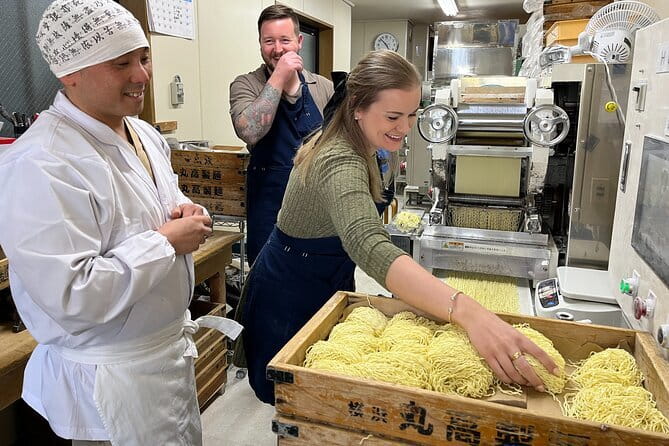
- Ramen noodles are premade, so you can focus on the part you’ll learn most
Why this Yokohama home cooking class is a smart choice
If you’ve been to Japan and felt like restaurants move too fast, this is the fix. You get hands-on time making everyday dishes, and you do it in a real home kitchen where the goal is family-style, practical food, not performance.
The value here is simple: you’re paying for a person, a kitchen, and time. At this price point, many food classes are either staged in a studio or focus on one tiny technique. This one gives you a full meal structure, with cooking plus eating, and a host who can explain how things actually work at home.
You’ll also like the focus on foods that Japanese families actually cook. Ramen, gyoza, udon, and tempura sound “touristy” until you make them yourself and realize how many small decisions shape the final taste: dough texture, filling balance, frying crispness, and the way broth and seasoning work together.
You can also read our reviews of more tours and experiences in Yokohama.



Meet Mana, the licensed cook who teaches like a neighbor
This is a private lesson with Mana Home Made Cooking in Japan, held in a home near Totsuka Station. Mana is local, and she has a cooking license in Japan. She cooks for her family every day, so her explanations tend to sound like what you’d hear from someone feeding real people at home.
In the strongest feedback, people highlight two things: the tone is relaxed, and the host’s English is easy to follow. That matters more than you might think. If you’re worried about language barriers, this format reduces stress. You can focus on what your hands are doing, then ask for clarification without feeling rushed.
Because it’s private, you can also steer your attention toward what you care about. Want more detail on rolling, folding, or frying? You can likely ask. Want to understand how to rebuild the meal at home without copying exactly? You can ask that too.
Your menu choice: udon and tempura, gyoza and maki-sushi, or soy ramen and gyoza
One of the best parts is that you choose from three set menus, so you don’t end up in a one-size-fits-all lesson.
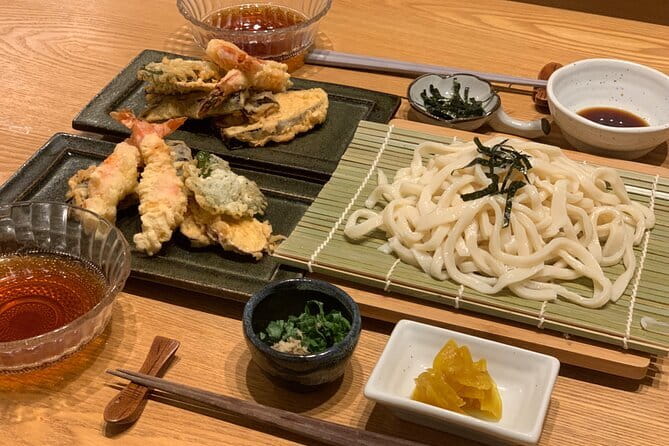
Option 1: Udon and Tempura set
This option is a great pick if you like crunchy plus chewy textures. Tempura is all about heat control and batter behavior. Udon brings it back to comfort and soak-and-slurp satisfaction.
If you like Japanese food that feels like a complete meal rather than snack-sized bites, this set usually fits that mood. You get fried elements plus a hot noodle dish.
Option 2: Gyoza and Maki-sushi set
This is the option for people who want both a dumpling project and a roll project. Gyoza is hands-on work, and it rewards attention to how you seal and cook them. The maki-sushi part also adds fine motor skills, like rolling tightly and cutting cleanly.
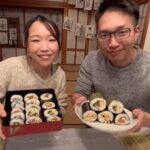
A real-world detail: one past participant described making California roll style and smaller sushi pieces, and their meal included miso soup. Even if your exact menu flow differs, it’s a good signal that the class can cover more than one simple step and still keep things casual.



Option 3: Soy source Ramen and Gyoza set
Ramen can feel intimidating until you see how the parts come together. Here’s the key learning point: the ramen noodles are premade. That doesn’t reduce the value. It shifts the class toward what you can realistically learn in a short home session, like seasoning, assembling, and making the meal coherent.
Pairing soy ramen with gyoza is also smart. You get a warm noodle bowl plus a crispy or pan-fried dumpling, which makes the lunch feel complete and varied.
How the 2-hour experience actually flows in real life
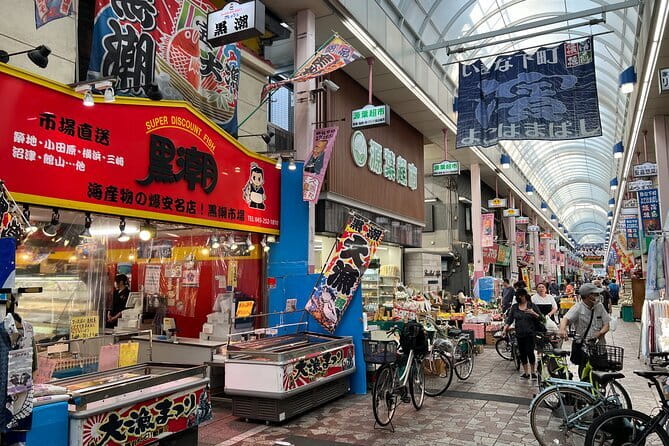
The total time is about 2 hours. You can treat it as a lunch plan with a built-in cooking workshop.
1) Meet near Totsuka Station and get picked up
You meet at the designated starting point near Totsuka Station. The schedule notes a meeting at a McDonald’s, and the start location is listed at Pizza-La on Totsukachō. In practice, Mana picks you up from that nearby spot and takes you to the house.
This is practical if you’re already in Yokohama and want the class without long transfers. Still, do plan time to find the exact meeting spot, because home kitchens do not work like public attractions with clear signs for a crowd.
2) Quick class setup and explanation
Once you arrive, Mana explains the steps and what you’ll be making. This is where the lesson becomes useful. You’re not just following motions, you’re learning the logic behind each stage.
Because it’s private, this part can be paced. If you’re unsure about a tool or ingredient, it’s easier to ask here than during a crowded group session.
3) Cooking time, about 1 hour 45 minutes
Then comes the main block: hands-on cooking. The cooking portion is long enough to learn real technique, not just watch a demonstration.
What you’ll do depends on your selected set menu, but expect to be actively involved. Udon and tempura involves both prep and execution. Gyoza plus maki-sushi involves repeated steps, and ramen plus gyoza blends assembly with dumpling work.
4) Eating time, 15 to 30 minutes
After cooking, you sit down and eat the food you made. This is where the class becomes more than “lessons.” You get to taste and compare your efforts right away.
It’s also where you’ll appreciate why this is taught in a home. The meal is not plated like a restaurant. It’s shared, relaxed, and meant to be enjoyed immediately.
5) Back to the meeting point
Finally, you return to the meeting spot. The whole structure keeps the experience tight, so it doesn’t eat your whole day.
What you’ll actually learn (and what you can repeat at home)
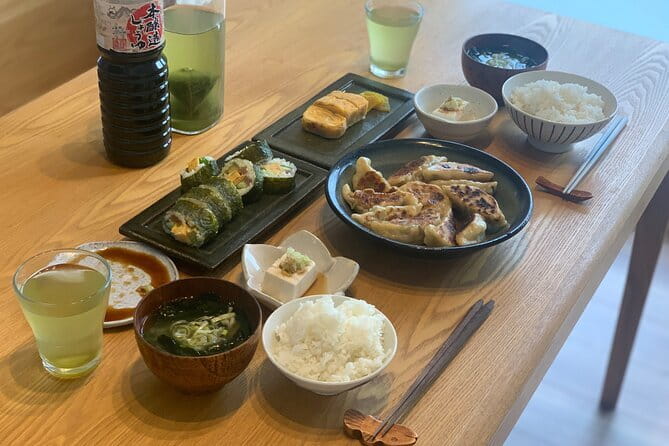
The big win with home cooking classes is transfer. Techniques stick when you repeat them, and this class is built around simple methods you can practice after you get back.
Here are the skill categories this kind of lesson tends to reinforce, based on the dishes involved:
Cooking rhythm and sequencing
Ramen, gyoza, udon, and tempura each have their own timing needs. In a short home session, Mana teaches you how to sequence tasks so things don’t cool off or overcook. You’ll learn which jobs can happen first, and which need attention right before serving.
Texture control
Gyoza and tempura are both texture-driven foods. Dumplings depend on sealing and pan-cooking technique. Tempura depends on batter behavior and oil heat. Once you’ve worked with both, you start to recognize what “good texture” feels like.
Flavor building
Even with premade ramen noodles, the seasoning and assembly matter. You’ll learn how soy-based ramen style comes together, and how the meal components complement each other.
Rolling and portioning
If you choose gyoza and maki-sushi, rolling is the kind of skill that improves quickly with guided practice. The goal is not perfection. It’s repeatable results, like consistent roll tightness and clean slicing.
Dietary needs: halal, vegan, veg, and allergies with advance notice
If you have dietary restrictions, read this carefully. This class says it can accommodate halal/vegan/veg options, and it asks you to message the instructor through the booking message feature when you book soon.
The key limitation: changes cannot be made without notification, and Mana can’t respond on the day. So treat this as a “plan ahead” experience. Send your needs early, include allergy details and any dislike foods, and double-check your understanding after you receive a reply.
This is exactly the kind of class where advance communication saves you from a stressful scramble. And because it’s in a home kitchen, the host’s ability to adjust is essential.
Price and value: $64.16 for lunch plus technique, not just tasting
At $64.16 per person, you’re paying for a private cooking-and-meal experience in Yokohama. What makes the value feel fair is that lunch is included. You’re eating what you cooked together, so the cost is not only paying for a lesson, it’s paying for a complete shared meal.
Also, you’re not paying for a big public venue setup. You’re paying for access to a real home kitchen and for Mana’s time and skill.
What’s not included is private transportation. That matters if you’re staying far from Totsuka Station or you want door-to-door convenience. But the meeting point is near public transportation, and Mana picks you up near the meeting area.
If you want an “I ate amazing food” story, restaurants deliver that. If you want an “I can make this myself” outcome, a class like this can be worth the money.
Who this class fits best
This experience is a strong match if you want:
- A private home-cooking session instead of a crowded group class
- Classic Japanese dishes you can remake later: gyoza, udon, tempura, and soy-style ramen
- A host who can explain things clearly, and who cooks for her family every day
- A meal you actually eat, not just sample bites while standing around
It’s also good for couples or small friends groups, because the private format helps keep the session calm.
You might not love it if you want to roam a neighborhood or hit multiple sights. This is focused on one thing: cooking and eating together in a home.
Practical tips before you book
A few smart moves will make your day smoother:
Choose the menu that matches your appetite
- Want fried crunch and chewy comfort? Pick Udon and Tempura.
- Want dumplings plus a rolling challenge? Pick Gyoza and Maki-sushi.
- Want a cozy bowl style meal with an easy ramen entry point? Pick Soy source Ramen and Gyoza.
Message dietary needs early
If you need halal, vegan, veg, or have allergy or dislike foods, send your details soon after booking. Don’t wait until the last minute. The class notes that changes need notification and that there’s no day-of response.
Plan for the meeting spot
You’ll meet near Totsuka Station, and Mana picks you up from the meeting area. Do not assume the address equals the exact pickup point. Use the meeting instructions, arrive with buffer time, and double-check messages after booking.
Expect hands-on work, not a demo show
This is a cooking class where you’ll do the cooking. Come ready to be involved, even if you feel like you’re a beginner. A relaxed home setting usually makes that easier.
Should you book this Yokohama home cooking experience?
If you want authentic Japanese comfort food taught in a calm, real-home way, I think this is a solid yes. The strongest reasons to book are the private lesson format and the fact that lunch is included, plus Mana’s home-cook approach and clear communication.
I’d pass if you’re hoping for a large sightseeing experience, or if you need last-minute dietary changes. This one rewards advance planning and a hands-on mindset.
If you’re staying around Totsuka or you can get there easily by public transportation, you’ll likely find the logistics manageable and the payoff high, especially if you want a meal you can recreate rather than just photograph.
FAQ
Where is the meeting point for the class?
You meet near Totsuka Station at the listed starting address at Pizza-La on Totsukachō, and the schedule notes meeting at a McDonald’s nearby. Mana then picks you up and takes you to the house.
How long does the cooking experience last?
It runs for about 2 hours. Cooking takes about 1 hour 45 minutes, and eating takes about 15 to 30 minutes.
Is this a private lesson?
Yes. It’s a private tour or activity, and only your group participates.
What dishes can I choose from?
You choose one set from three options: udon and tempura, gyoza and maki-sushi, or soy source ramen and gyoza.
Are the ramen noodles made from scratch during the class?
No. The ramen noodles are premade.
Is lunch included?
Yes. Lunch is included, and you eat the food you make together.
Can the class accommodate halal, vegan, or vegetarian diets?
The class indicates it can handle halal, vegan, and veg options if you message the instructor through the booking message feature when you book soon.
What if I have allergies or dislike certain foods?
You should contact the instructor with your allergy and dislike food preferences through the booking message feature when you book soon. Changes require notification.
Is transportation to the home included?
Private transportation is not included.
Does Mana speak English?
A review summary indicates Mana speaks very good English.
Is free cancellation available?
Yes. You can cancel up to 24 hours in advance for a full refund. Cancellations within 24 hours of the start time are not refundable.
More Tour Reviews in Yokohama
Not for you? Here's more nearby things to do in Yokohama we have reviewed



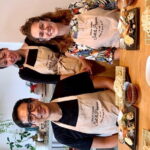
Tokyo Food Tours, side by side.
 ★ 5.0Shinjuku Food Tour (13 Dishes at 4 Local Eateries)From $866,603 reviews
 ★ 5.0Tokyo Bar Hopping Tour in Shinjuku (All-You-Can-Drink + Dinner)From $1063,587 reviews
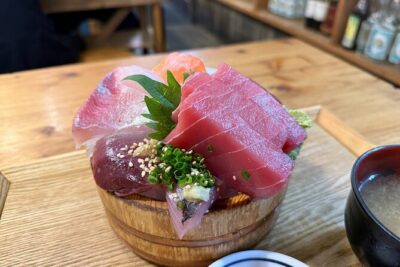 ★ 4.9Shinjuku Food Tour (15 Dishes and 4 Eateries)From $852,033 reviews
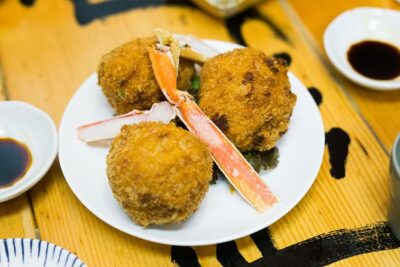 ★ 5.0Best of Shinjuku: Izakaya Food Tour (4 Stops, 14+ Tastings)From $921,863 reviews
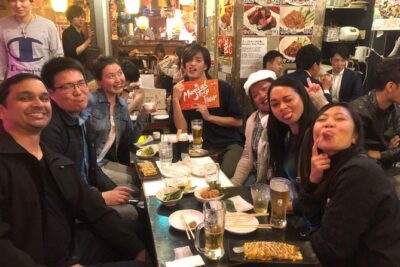 ★ 5.0Shibuya Meltdown Nightlife Tour: All-You-Can-Drink Bar HoppingFrom $1061,058 reviews
 ★ 5.0Eat and Drink Like a Local: Tokyo Ueno Food Tour-Taverns&RamenFrom $95957 reviews
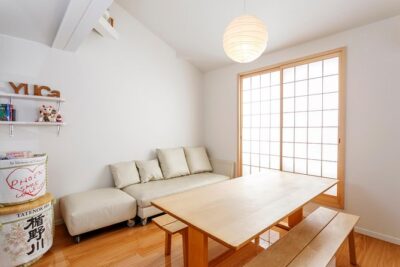 ★ 5.0Ramen & Gyoza Cooking Class in Tokyo with Local Supermarket VisitFrom $122823 reviews
 ★ 5.0Shibuya Food Tour (13 dishes and 4 Eateries)From $77770 reviews
This tour also belongs to