
Review · CITY TOURS
Yokohama: A City at the Corner of Tradition and Modernity
Yokohama turns a small town into big dreams. This 4-hour walk gives you Minato Mirai city views, then shifts gears into food and tradition with Yokohama Chinatown. I like that it’s compact but varied, and I also like the way the guide can shape the pace for your needs. The main catch is simple: it’s a walking tour, so comfortable shoes and some stamina matter.
You’ll start with the modern face of Yokohama, the downtown built around the waterfront and late-20th-century “look to the future” energy. Then you’ll step into a neighborhood where the city’s older roots show up fast, and where you can still feel that Yokohama became Japan’s trading gateway in the mid-1800s. One useful angle here is the context: Yokohama was a small fishing village that changed overnight when Japan opened to outside trade, and that commercial momentum helped shape everything from architecture to culture.
From there, the tour balances big-city scenes with a calm pause at Sankei-en Garden. It’s a smart way to see Yokohama without turning your day into one long photo sprint. The other consideration is budgeting for extras, since transportation and some entry fees are not included.
Key Highlights at a Glance
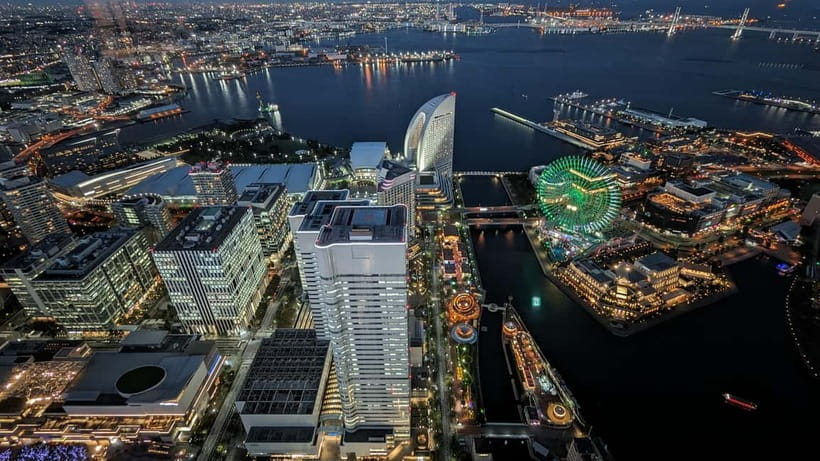
- Minato Mirai in daylight: You get the downtown views first, before the day gets busy.
- Chinatown as a full experience: More than a quick stop, you’ll have time to take it in properly.
- Sankei-en Garden for a reset: A quieter scene that breaks up the walking rhythm.
- Noge neighborhood texture: A different side of Yokohama than the waterfront.
- An adaptable guide: In at least one recent booking, John adjusted the plan when someone had an injured knee.
Minato Mirai: Yokohama’s Modern Waterfront First
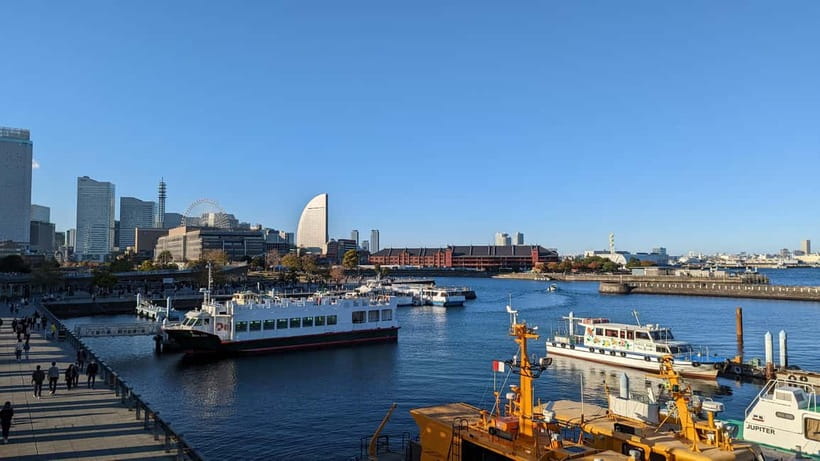
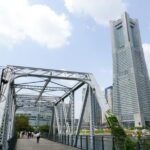
Minato Mirai is the easiest place to understand Yokohama’s “corner of tradition and modernity” vibe. This is where you see the city present itself at full volume, with wide views, clean geometry, and a sense of space you do not get in older Japanese downtowns.
I like starting here because your brain gets oriented quickly. The skyline and waterfront layout help you understand where the rest of the neighborhoods sit, and it makes later streets and alleys feel less random. If you’re the type who hates wandering without a plan, this opening gives you a map in your head.
One practical note: downtown Yokohama can involve uneven sidewalks and frequent small crossings. If you’re traveling with a camera and you tend to stop often, build that into your pace so you do not fall behind the group.
You can also read our reviews of more city tours in Yokohama
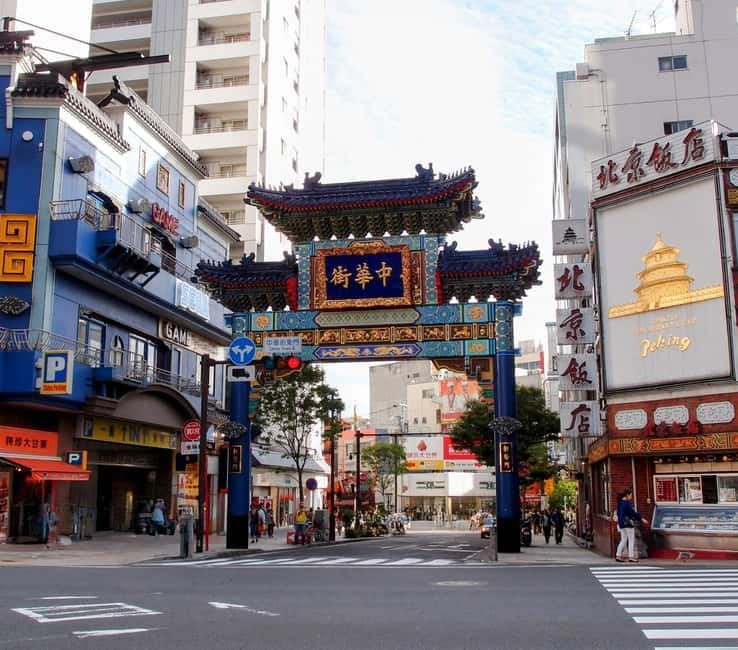
Yokohama Chinatown: More Than a Photo Stop
After the modern waterfront, Chinatown brings you straight into the senses. This is the largest Chinatown in Japan, and that scale shows in everything from street energy to the concentration of shops and signs.
What I like about Chinatown on this tour is that you’re not rushing it like a drive-by. You have time to walk, look, and notice the small details that make the place feel lived in rather than staged. If you enjoy street-level travel, this is where you’ll spot the rhythm of daily life: people heading in, bargaining, eating, and browsing in the same space.
The only possible drawback is that Chinatown can be crowded at peak times. So if you hate shoulder-to-shoulder walking, go in with patience and keep your plan flexible. Also, plan to spend less on snacks here unless you truly want them, since lunch is not included in the tour cost.
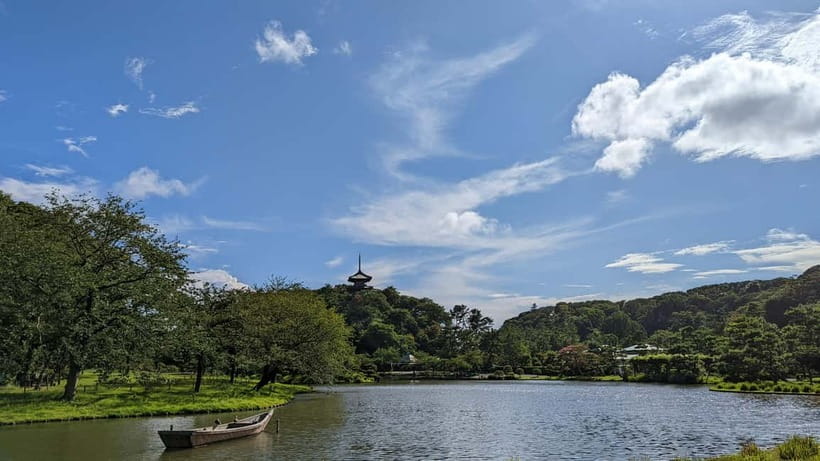
Sankei-en Garden: A Calm Break From City Motion
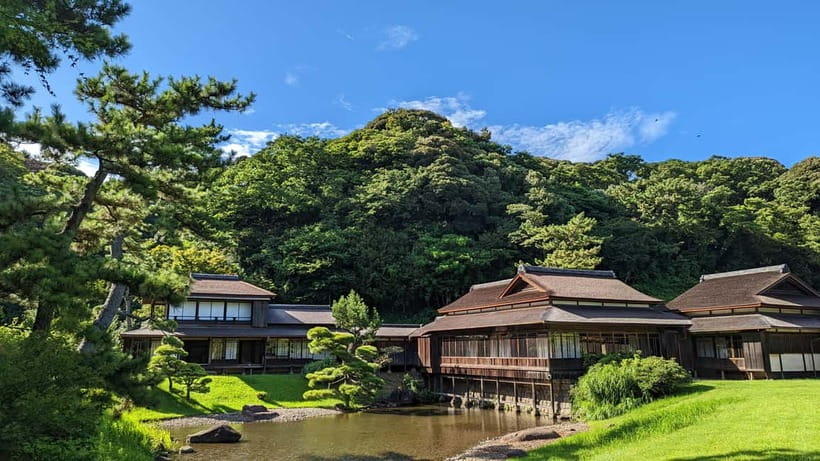
Then comes the reset you will be grateful for. Sankei-en Garden is the garden stop on this route, and it’s the kind of place where you stop “doing” sightseeing and start noticing stillness.
I love garden visits like this in Japan because they work as emotional pacing. One hour you’re looking at city life, the next hour you’re watching how paths guide you, how views open and close, and how the garden uses nature as a design element. It also gives your legs a different kind of work, slower walking on paths and more time standing still.
This is the stop to use as a breather if you’re traveling with limited energy. If you tire easily, tell your guide early. A strong sign of a good tour is how they respond, not how they stick to a perfect script.
Noge: Local Yokohama Feel Between Streets and Slopes
Finally, you head into Noge, a neighborhood that adds texture to the itinerary. After the waterfront and Chinatown, Noge helps the day feel less like a set of tourist zones and more like a real city.
Here’s why that matters: Yokohama is not only the iconic spots. It’s also the everyday streets where people actually live their routines. Noge gives you that middle layer, so the city doesn’t feel like a highlight reel.
Practical tip: since this portion still involves walking, keep your shoes in play. If your feet get sore easily, this is where proper footwear matters most.
Walking Pace, Transit Costs, and What You Should Pack
This is built as a walking tour, with public transport used at times. The tour duration is 4 hours, which is long enough to feel like a proper tour, but short enough that you will still finish with energy for more on your own.
Budget-wise, you should expect:
- Transportation about 400 yen
- Entry fees about 1000 yen
Lunch and drinks are not included, so treat food spending as optional. If you plan to eat in Chinatown, do it intentionally and keep track of your total.
What to bring is simple: comfortable shoes, and in summer, bring water. The tour can include a lot of on-foot movement, and that’s the part most people feel in their legs, not the attractions themselves.
If you use a wheelchair, this tour is not suitable. The walking nature and street layout make that a hard fit.


Your English Guide: What Makes This Tour Work
The strongest “why” behind this experience is the guide. You’re not just getting directions. You’re getting a person who can explain what you’re seeing and adjust when life happens.
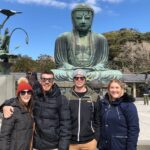
In one verified booking, the guide was John, and the feedback focused on three things: organization, flexibility, and broad conversation. The example that sticks is how John adjusted the plan because of an injured knee. That’s huge. A good tour should not punish you for having a body. It should bend.
John also handled questions on everyday life in Japan, not only tour trivia. That is what turns a walking route into something you can carry home, like how Japanese daily habits show up in city design and neighborhood behavior.
If you’re someone who likes to ask why things are the way they are, this setup works well. If you prefer a more silent tour, you can still enjoy it. A capable guide will read the room either way.
What the $129 Price Really Means for Your Group
The price is $129 per group up to 10 people for the 4-hour experience. Private means you’re not sharing the tour with strangers who may move at a totally different pace.
Value depends on your group size:
- If you bring a full group of 10, the cost comes out to about $12.90 per person, before transportation and entry fees.
- If you’re a smaller group, your per-person cost goes up, but you still keep the benefit of a private format and a single guide who can tailor pacing.
Because some costs are not included, do a quick reality check: transportation around 400 yen and entry fees around 1000 yen will land as additional spending. Lunch and drinks are on you.
Still, for a private, structured 4-hour route that covers downtown views, Chinatown, a major garden, and Noge, the pricing can feel fair, especially if your group travels together rather than separately paying for multiple smaller tours.
Who This Tour Suits Best
This experience is a good match if you want a clean arc through Yokohama:
- modern waterfront views first,
- then Chinatown’s intense street culture,
- a garden pause for your sanity,
- and a neighborhood finish that feels more like the city itself.
It’s especially suitable for couples, small groups of friends, and families who move at a reasonable pace. If someone in your group has mobility concerns, tell the guide. The tour is designed to be walk-forward, but the guide can adjust.
If your travel style is mostly “hop in, hop out, avoid walking,” this will probably feel too active. On the other hand, if you like getting your feet on the ground and seeing how neighborhoods connect, you’ll get more out of it.
Should You Book This Yokohama Tour?
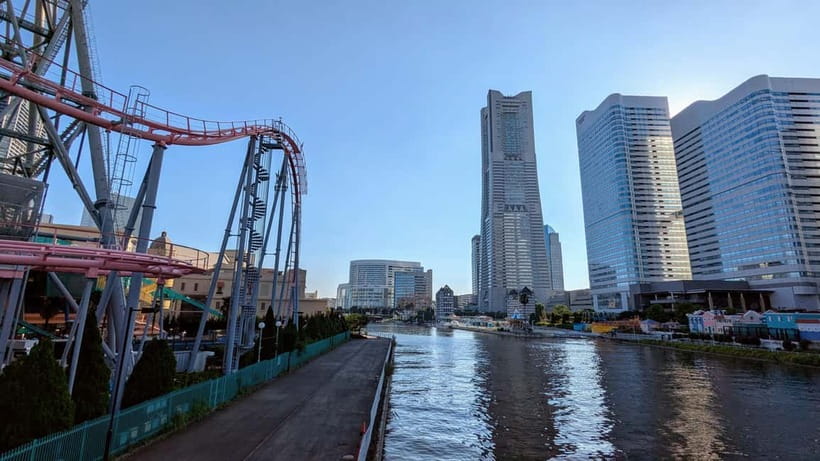
Book it if you want a focused half-day that shows Yokohama’s major personality shifts in one go. The combination of Minato Mirai, Chinatown, Sankei-en Garden, and Noge is a smart mix, because it prevents the day from feeling like only shopping streets or only skyline photos.
I would skip it if you hate walking, need wheelchair access, or you want a totally unstructured day. This tour has a route, and it runs on an active pace.
If you do book, come prepared with comfortable shoes and water in warm weather. Then use your guide’s flexibility and ask questions. That’s where this tour tends to feel worth more than a list of stops.
More City Tours in Yokohama

More Tour Reviews in Yokohama



Not for you? Here's more nearby things to do in Yokohama we have reviewed




City Tours, side by side.
 ★ 4.8Private City Highlights Tour with Local GuideFrom $1061,433 reviews
 ★ 4.7Asakusa, Skytree & Akhihabara Go-Kart City ExperienceFrom $96761 reviews
 ★ 4.83-Hour Bike or E-Bike City Highlights TourFrom $45435 reviews
 ★ 4.8Sumo Morning Practice Tour at Sumida CityFrom $116308 reviews
 ★ 4.5Private Haneda Airport (HND) to Central Tokyo City TransferFrom $119260 reviews
 ★ 4.83-hour Guided E-Bike Tour of the City’s Hidden GemsFrom $65251 reviews
 ★ 5.03-Hour Bike/E-Bike Tour of the City’s HighlightsFrom $63209 reviews
 ★ 4.5Private departure transfer from Tokyo city to Tokyo Haneda Airport(HND)From $118123 reviews
This tour also belongs to