
Review · TOKYO SAMURAI EXPERIENCES
Tokyo: Samurai Kendo Practice Experience
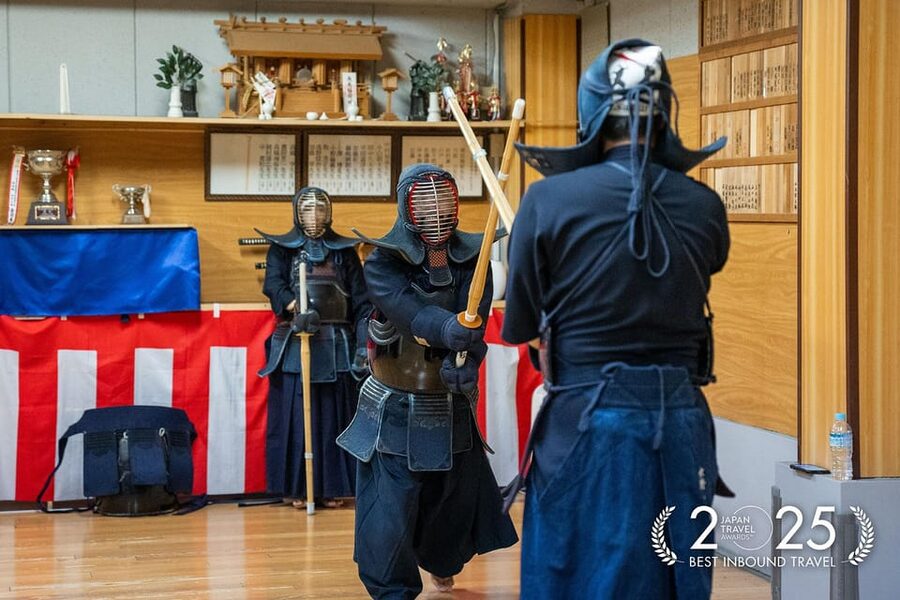
Bamboo-sword etiquette meets real spar energy. In Tokyo, you’ll step into a kendo dojo, wear protective gear, and train with instructor guidance in English and Japanese.
I love the hands-on practice that starts with core strikes and builds into light fighting games. I also like the disciplined vibe, where etiquette and timing matter right from the first drills.
One possible drawback: the armor is fitted and strict, so it may be challenging if you are plus-size, and glasses are not advisable with the head protector.
Key Points Worth Knowing Before You Go
- Full kendo armor rental included so you do not need to hunt down gear in Tokyo
- Small group of up to 6 participants for better attention and faster learning
- Core strike targets taught early (men, kote, and do) so you get meaningful action
- English and Japanese instruction keeps the training accessible even if your Japanese is basic
- You get to practice against an instructor and partner drills rather than only watching
- Free mineral water and a Japanese towel add nice value after the sweat
What a Tokyo Kendo Dojo Teaches You in Two Hours
Tokyo kendo is one of those activities where the learning curve is real, but the progress is quick. You are not just learning moves as trivia. You are learning how to move, react, and respect the craft, in a room built for focus and control.
The biggest reason this experience feels authentic is that it is designed around practice, not performance. You get the full training setting, including bamboo-sword striking and dojo etiquette, so even beginners leave with a clearer picture of how kendo actually works.
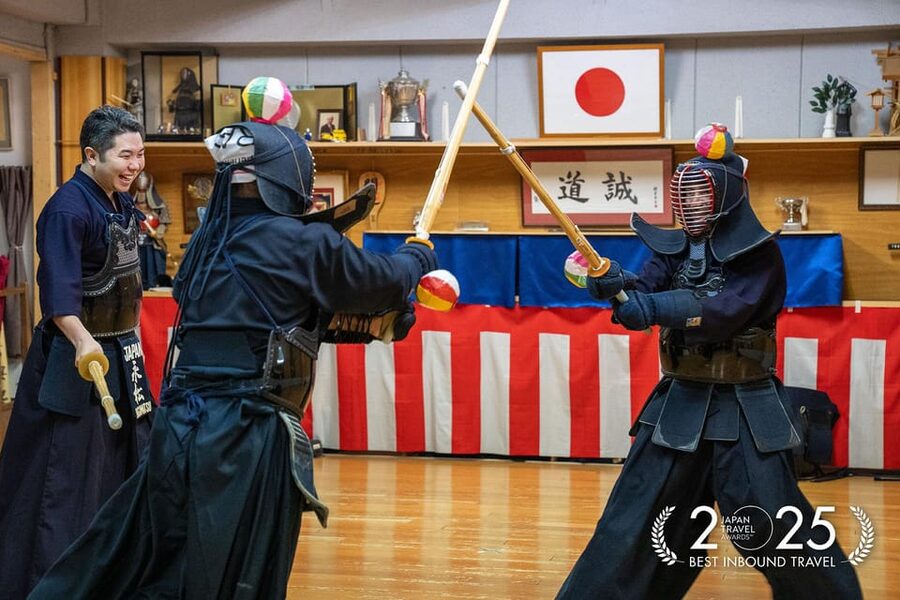
And yes, you will get the action most people hope for. Kendo training includes actual sparring-style practice, even at the intro level, so your body understands things your brain might miss.
You can also read our reviews of more tours and experiences in Tokyo.



Gear Rental and Armor Fit: Your First Lesson Is Safety
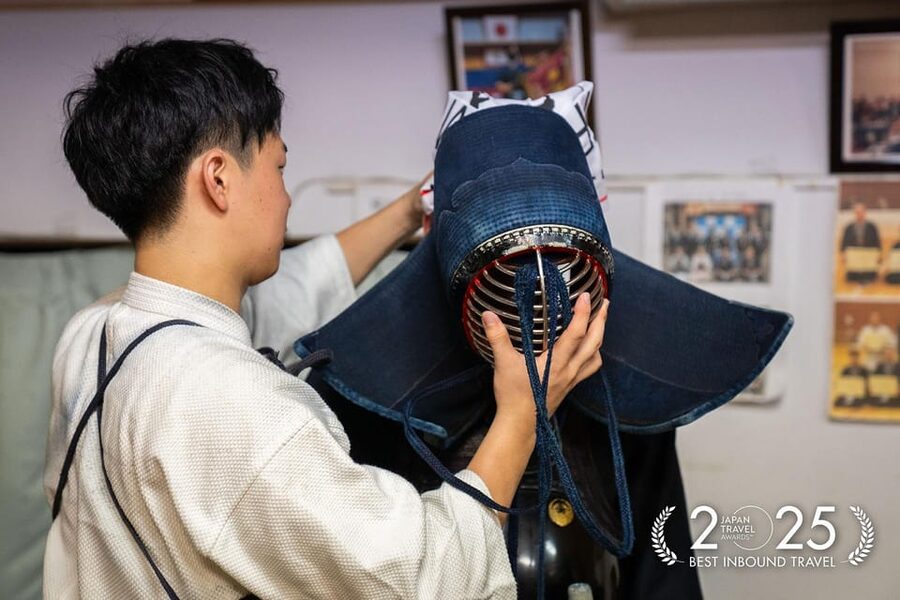
Before any strikes, you will be outfitted with kendo equipment. That is a huge part of the experience. When you put on the armor, you are immediately reminded that kendo is controlled combat training, not movie-fighting.
The setup includes renting the kendo armor and equipment. You should plan for the session to feel physical from the start because you are wearing protective gear, moving in layers, and learning footwork while staying balanced.
A practical note from past participants: the fit can be an issue. One person specifically flagged that the session is not for plus-size participants, so if you fall outside typical sizing, it is smart to check in with the provider before you book. Another key point: if you wear glasses, you should assume it will be difficult. The head protector makes spectacles a poor match, and there is a possibility of damage. Contact lenses are recommended.
For clothes, bring or wear loose, comfortable exercise clothing. The provider notes that if there is no kendo wear size available, or not enough uniforms to cover everyone, you may have to practice in your own clothes.
Etiquette Comes Before Fighting, Not After
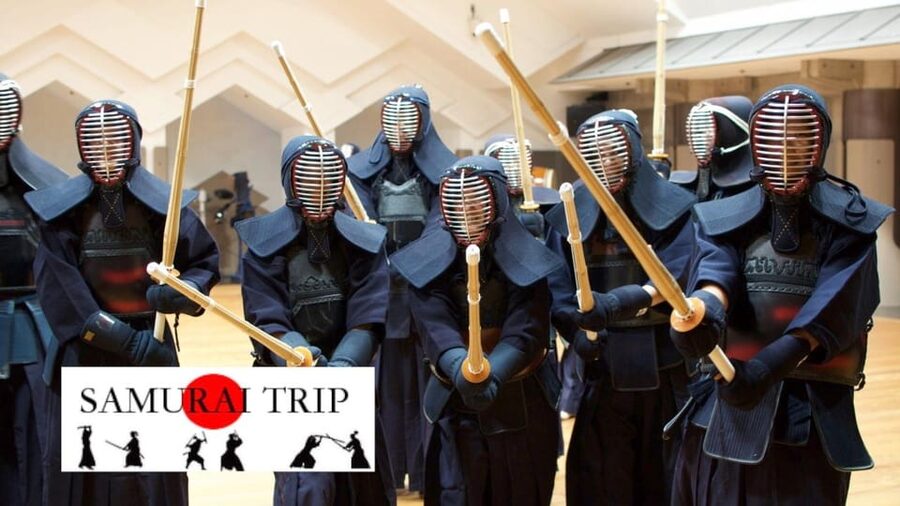
Kendo has a strong etiquette culture, and this intro is built around it. You learn the dojo basics that make training work smoothly, even in a small group.
That etiquette matters for two reasons. First, it keeps everyone safe when the pace picks up. Second, it changes how you practice. You are paying attention to timing, distance, and control, not just swinging as hard as you can.
Past participants also described the instructors as strict but playful. That combination is typical in good dojo culture. You get structure and correction, but you also get permission to learn without shame. In one feedback, someone mentioned the instructor being patient with a new student, and that is exactly what you want in an activity like this.
The Two-Hour Flow: From Men-Kote-Do to Partner Practice
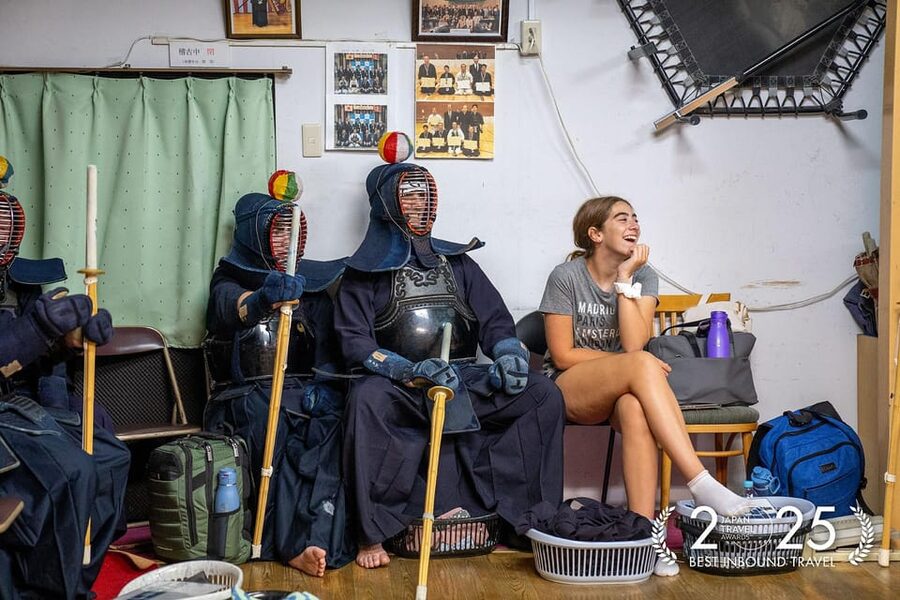
Even without a printed minute-by-minute schedule, you can expect a clear learning arc. In a short session, the instructor needs to move you from basics to something interactive quickly.
Here is the training rhythm you should look for:
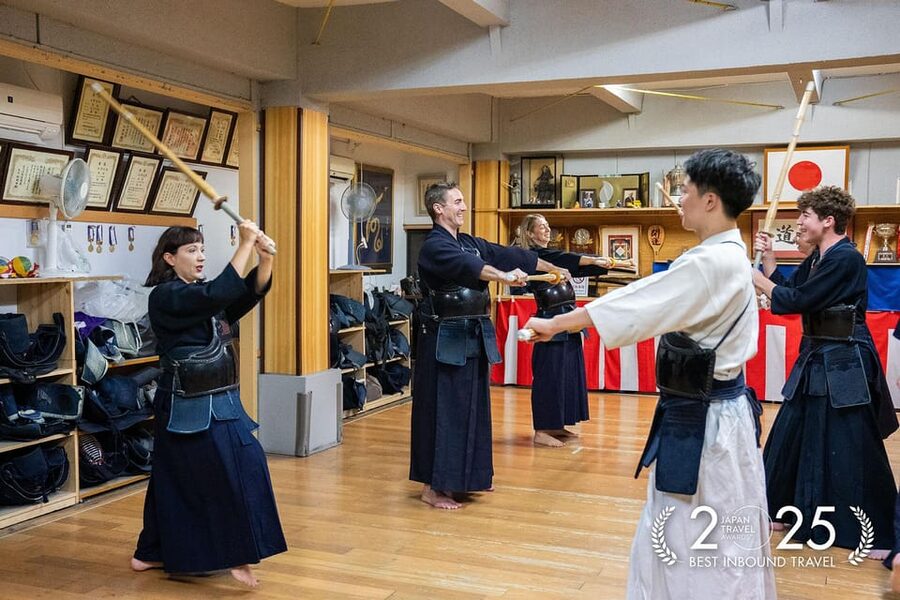
First, you will do warm-up and basic movement coaching. Kendo is not just arm work. Footwork and posture control everything, especially with protective armor on. You’ll get guided instruction so you can participate safely right away.
Then comes the fundamentals: the core striking targets known as men, kote, and do. Those three targets are central to early kendo practice. You will learn how to hit them with the right mechanics, while the instructor explains how control beats brute force.
Next, you move into counter techniques and more reactive drills. This is where kendo starts to feel like a real exchange. Instead of repeating a single pattern, you learn how to respond when the other person moves.
Finally, you get light sparring or playful combat games. Multiple participants highlighted that the session includes a chance to apply what you learned in a lighter, controlled way. One person even mentioned surprise at the amount of action compared to expectations. That is a good sign the session is built to help you feel the sport, not just hear about it.
One more interesting detail: some participants noted being able to wield a more realistic sword during the experience, not only a training tool. The exact handling may depend on the class and safety rules on the day, but the takeaway is clear. This is not a sit-and-watch demo. You train.
Instructor Coaching Style: Discipline, Humor, and Blunt Corrections
In kendo, the instructor’s personality shapes your experience. Here, you have a professional sensei with serious background in the art, and the coaching style shows up in the way the group is handled.
You can expect clear direction, and you can also expect correction. One participant described the instructor as sometimes blunt, which can sound rough if you are unsure what the instructor is communicating. That does not mean unkind training. It is often how fast-paced dojo instruction works, especially when time is short.
You will likely hear instruction in both English and Japanese. The experience notes the instructor works in English and Japanese only, and that bilingual support is important. It means you are not left guessing when footwork or targeting gets technical.
Several people praised the way instructors stayed patient with beginners. One wrote that the sensei was helpful and patient, and the overall vibe gave them respect for kendo. Another person described the instructor as strict while remaining playful, keeping participants disciplined without killing the fun.


What You Learn About Japanese Swordsmanship Beyond the Moves
A good kendo session teaches you more than technique. It teaches you how Japanese swordsmanship thinks.
Even in an intro format, you should come away with:
- A basic sense of kendo rules and target concepts
- Respect for the training etiquette that prevents chaos
- An understanding of why speed and accuracy matter, especially when you are wearing armor
Past feedback also mentioned learning kendo philosophy and tactics, not just swinging. That is part of why this can feel memorable. You start to see kendo as a sport with tradition and discipline, not just a “samurai fight” theme.
And because this training is in a dojo setting, you also get that quieter cultural side. Several people pointed to the calm, respectful atmosphere and the way the practice space feels dedicated to the craft.
Value and Price: Is $116 Worth It for Two Hours?
At $116 per person for about 2 hours, this is not a budget activity. But it can be good value if you care about real participation.
Here is why the price makes sense:
- Rental of kendo armor and equipment is included, which can be expensive or hard to arrange on your own
- A professional instructor guides you throughout, including beginner-level corrections
- You get actual practice time, not a staged photo moment
- The small group size (up to 6) means more coaching per person than big-group tours
When you compare this to typical Tokyo activities, what matters is outcome. You leave with physical experience and real understanding, plus the mental reset that comes from disciplined sport training.
If you are the type who likes hands-on activities over lectures, this price can feel fair. If you only want a light culture snapshot, you might feel it is pricier than you need. But for people who want to try kendo for real, it is hard to beat.
Getting There: Finding Makigomi-Level Calm in Arakawa-Ku
The meeting point is about 10 to 12 minutes from JR Uguisudani station north exit. The address is 4-7-2, Higashinippori, Arakawa-ku, Tokyo, and the dojo name shown is 誠道館.
This location runs out of a house, so do not be surprised if it feels a bit hard to find at first. One person noted confusion about the location initially, but once they arrived, everything ran smoothly.
My practical advice:
- Give yourself a few extra minutes to find the building
- Screenshot the address and use offline maps if you are arriving late
- Plan to show up ready to train, not wandering for 20 minutes after arrival
What to Bring, and How to Set Yourself Up to Have Fun
This experience is equipment-focused, but your preparation still matters.
Bring or wear:
- Loose fitted exercise clothing (in case kendo uniform sizes run out)
- Contact lenses if you use vision correction
- A willingness to sweat and move in gear
If you are bringing glasses, take the warning seriously. The head protector makes spectacles difficult, and there is a risk of damage. Contact lenses are the safer plan.
Also, bring a basic attitude adjustment. The helmet strikes can feel intense even during controlled drills. One participant mentioned concern that strikes to the helmet felt too rough to family members. That does not mean the training is unsafe, but it does mean you should mentally prepare for realistic sparring sensations.
Good news: the instructors appear to calibrate the experience so beginners can participate. The discipline is there, but the session is designed to be safe and fun.
Who This Samurai Kendo Practice Suits Best
This is a great fit if:
- You want a hands-on Tokyo experience, not just sightseeing
- You like sports that combine tradition, discipline, and speed
- You are comfortable following instructions closely
- You want to learn kendo basics and actually practice them
It may be less ideal if:
- You need accommodations for gear fit challenges (the armor setup may not work for everyone)
- You strongly dislike strict coaching or blunt correction styles
- You depend on glasses for vision correction and cannot use contact lenses
Also, it seems to work well for families. One account mentioned enjoying the session with pre-teens, suggesting the environment can be supportive as long as participants follow instructions.
Should You Book This Kendo Experience in Tokyo?
Book it if you want real participation. The combination of full armor rental, beginner-friendly coaching, and structured drills means you will not waste your time watching from the sidelines.
I would skip it if your goal is purely a gentle cultural stop. This is sport training. You will work your legs, learn targeting, and feel the pace shift as you go from basics into partner practice.
If you can handle strict dojo instruction, prepare for gear fit realities, and bring the right vision setup, this is a strong value way to experience Japanese swordsmanship up close in Tokyo.
FAQ
How long is the Samurai Kendo practice experience?
The experience is listed as 2 hours. The provider notes the time allocation is an approximation and the program may run a bit longer or shorter depending on situations.
What is included in the price?
The price includes a professional guide or instructor, rental of kendo armor and equipment, free mineral water, and a free Japanese hand towel.
Is food included?
No. Food is not included.
Is hotel pickup provided?
No. Hotel pickup is not included.
What languages will you use during the experience?
The instructor provides guidance in English and Japanese only.
Can I wear glasses with the kendo head armor?
Glasses are not advisable. The provider notes it can be difficult to wear head protection with spectacles and there is a possibility of damage. Contact lenses are recommended.
More Tour Reviews in Tokyo
Not for you? Here's more nearby things to do in Tokyo we have reviewed







Tokyo Samurai Experiences, side by side.
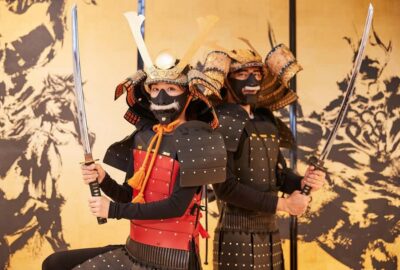 ★ 4.6Samurai Ninja Museum Guided tour and ExperienceFrom $271,010 reviews
 ★ 5.0Samurai Sword & Archery Class from Samurai DescendantFrom $193603 reviews
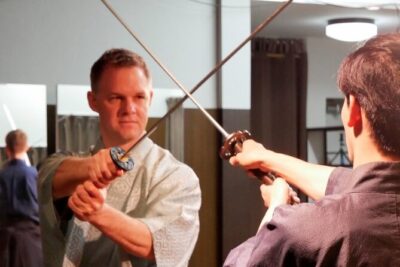 ★ 5.0Best Samurai Experience in TokyoFrom $65458 reviews
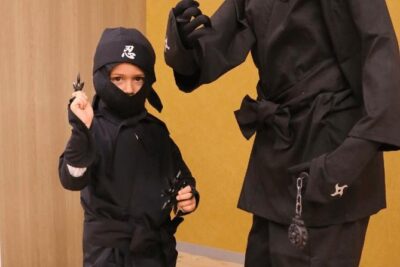 ★ 5.0Ninja Experience (Family Friendly) at Samurai Ninja Museum TOKYOFrom $47441 reviews
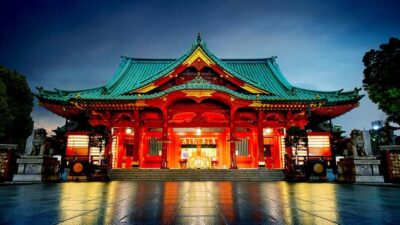 ★ 4.6Samurai Entertainment Night Show in Kanda ShrineFrom $41417 reviews
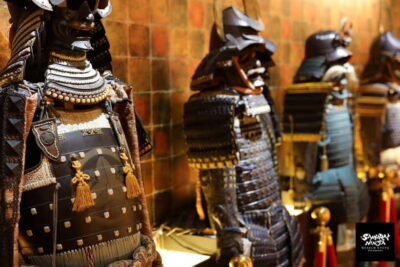 ★ 4.8Samurai Ninja Museum Asakusa: Samurai Sword Lesson & TourFrom $63306 reviews
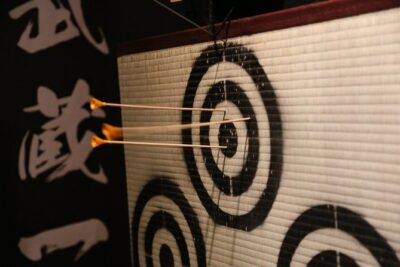 ★ 5.0Ninja Samurai 2-hour hands-on lesson by Japanese master in TokyoFrom $86194 reviews
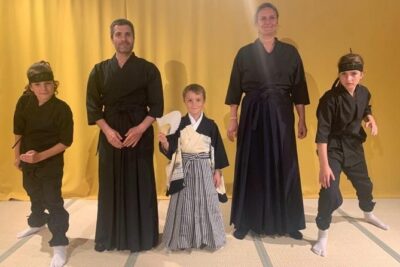 ★ 5.0Samurai Sword Experience (Family Friendly)at SAMURAI MUSEUM TOKYOFrom $65168 reviews
This tour also belongs to