
Review · TOKYO SAMURAI EXPERIENCES
Samurai Experience – Learn Bushido through Kendo, in Tokyo
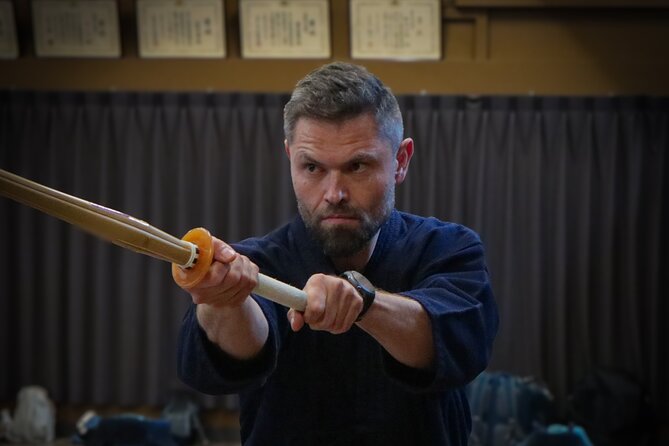
Forget sword photos, think living discipline. In this two-hour Kendo Spirit class near Tokyo Station, you learn Bushido through bowing, intent, footwork, and then a kendo match led by Daichi-san and Makoto.
What I like most is the way the lesson builds in layers, starting with etiquette and mindset before anyone hands you a sword. The second win is the real end-of-class sparring energy, plus a match demonstration that feels intense and controlled, not staged.
One thing to consider: this is training gear and movement. Even if you are new, you should expect it to feel warm and physical once you put on the armor and start drills.
Key points before you book
- A step-by-step Bushido lesson that starts with manners and focus, not sword flailing
- Small-group pacing (up to 8) so you actually get corrections, especially if you are a true beginner
- The ki, tai, ken flow where spirit, body, and sword timing come together as one strike
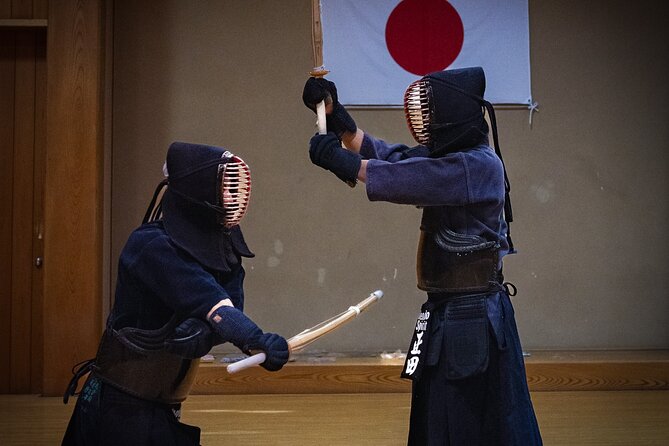
- Guided “real kendo” practice with a match and a demonstration between instructors
- English-led instruction plus the chance to ask questions anytime
- Everything is handled for you: attire, shinai, drinks, and a souvenir
Why this Tokyo kendo class feels more like budo than tourism
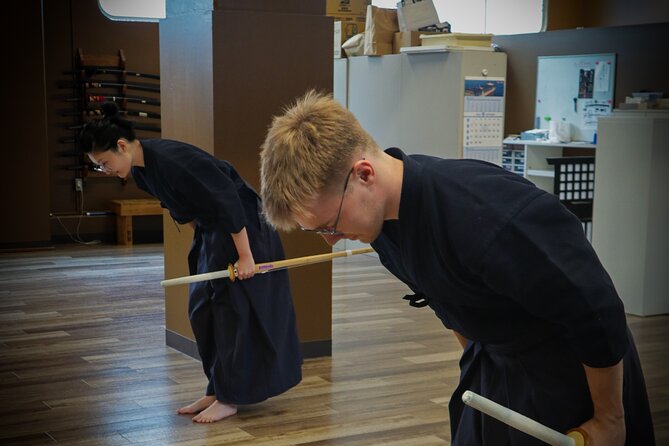
In Tokyo, it is easy to spot the easy version of culture, the kind where you get dressed, take a couple photos, and call it a day. This is different. The core idea here is that kendo is a living discipline built on respect and self-control. You do not start by swinging a shinai. You start by getting your body and mind to behave.
Daichi-san sets the tone with the basics of what kendo is and why Bushido still matters. Makoto and the team then translate the tradition into practical training. You learn how to greet properly, how to settle your mind before practicing, and how that calm shows up in your movements. That is the point. You are not just collecting facts about samurai. You are training the habits behind the style.
The lesson also has a clear structure, so it feels satisfying fast. You can track progress from first bow to your first successful strike timing. And by the end, you are not standing on the sidelines. You are participating, in a way that makes the last demonstration land for real.
You can also read our reviews of more tours and experiences in Tokyo.



The “Rei to match” training flow, bowing before swords
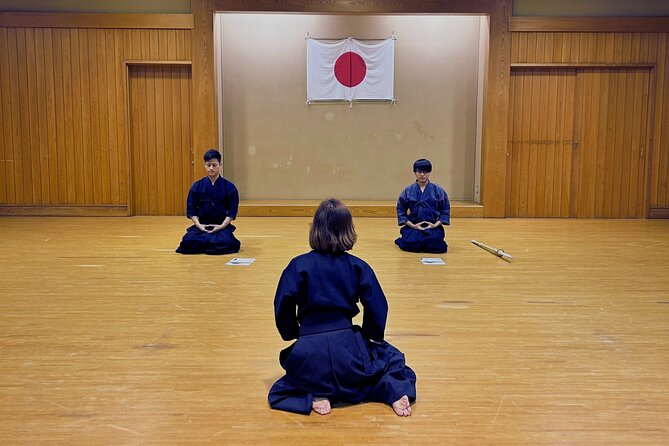
The experience follows a simple logic: you earn the sword by learning the mindset first. Before any equipment goes on, you calm down, bow, and face your partner with respect. It is not treated as a costume move. You are taught that Rei is part of the practice, like breathing is part of running.
From there, you work through the kendo foundation in four chunks:
Ki (spirit)
You practice presence and intent, not anger. The goal is focused energy. You learn how to show commitment without losing control.
Tai (body)
You work traditional footwork that keeps you grounded and ready. That sounds basic, but it is where a beginner usually trips up. Getting your stance and timing right makes everything easier later.
Ken (sword)
Only after the groundwork do you learn how to hold the shinai and how to swing it. You also learn how to move with the sword, because kendo is not only arm motion.
Ki-Ken-Tai-Itchi (one unity)
In the best moments of the class, you feel how spirit, sword, and body connect into one action. That is what turns drills into technique.
By the time you reach the match segment, you are not guessing. You have a routine in your head, and you know what you are trying to do. That is why this feels authentic, even if you have never held a sword in your life.
What you do with the shinai and footwork drills (and why it matters)
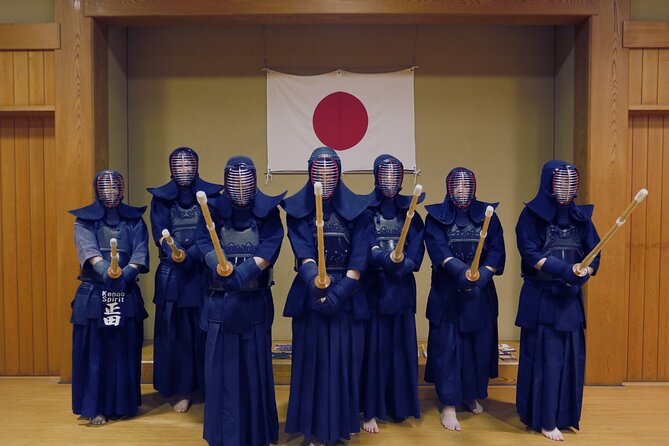
You get bamboo swords (shinai) and kendo attire, and the lesson stays beginner-friendly. The training is paced so you can keep up without racing. Most people start with zero kendo experience, and the instructors keep the steps clear.
The footwork portion is more than warm-up. It teaches balance and readiness. In kendo, your feet set the rhythm. If your stance is off, your strikes feel weak and your timing drifts. If your footwork is solid, you can react better when your partner moves.
You also learn basic technique setup, including how to handle the sword movements safely and correctly. One of the best parts is that you get corrections. In a bigger class, you might get one quick pointer and move on. Here, the small group size helps the instructors spot what you are doing and fix it early.
And if you are worried about being unathletic, relax. This is not about being fast. It is about being correct, then consistent. You will feel it as a workout later, but the skill path starts slow.
The kendo match segment, what to expect in armor
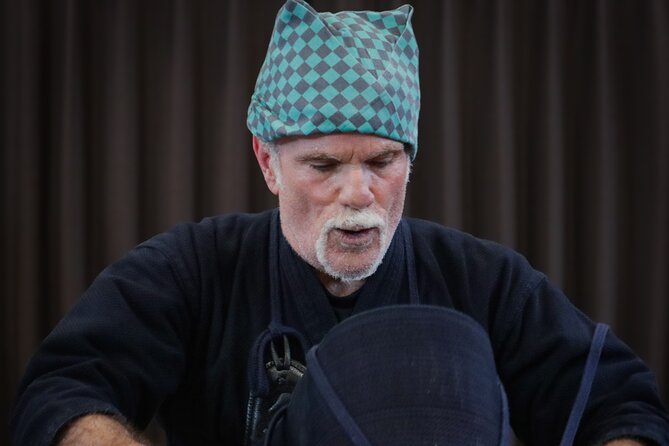
The match part is where kendo turns from lesson to experience. You put on the protective gear and you apply what you practiced. The instructors guide the rules and keep it safe, while still making it feel real.
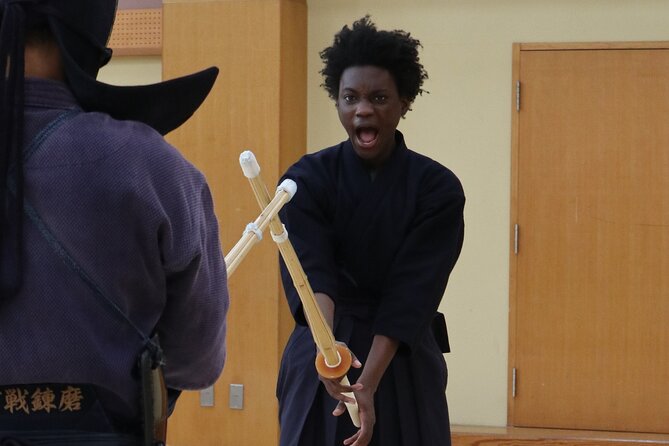
Some people go in expecting light, friendly sparring. What you actually get depends on the group and the flow of that day, but the spirit is serious enough that you can feel pressure. One moment people often remember is when the sword line points toward them, and their body goes still for a second. That reaction is normal. It is proof that the training is grounded and focused.
You are not only fighting. You are also learning how to read timing, distance, and intent. Kendo is controlled contact with structure. The protective armor makes it possible to practice with intensity, without turning it into chaos.
Then the class usually ends with a demonstration between instructors. Watching Daichi-san and Makoto go head-to-head is a strong closer. It is not just athletic. It is control, distance management, and clean technique. If you came for samurai aesthetics, this is where you realize the aesthetics are a byproduct of discipline.
Daichi-san and Makoto, small-group attention with English support
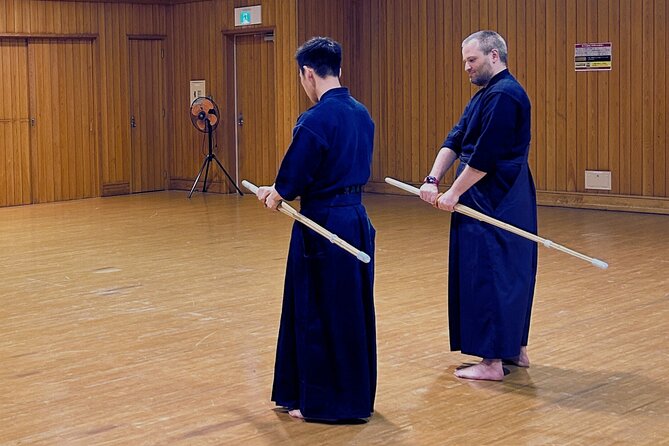
One of the biggest reasons this experience gets top marks is the instruction style. You feel welcomed right away, and you get patience instead of rushed corrections. Beginners are not treated like a burden. They are treated like students.
Daichi-san and Makoto explain things in a way that connects history and practice. The training is not only technical. It also includes context on how kendo became a modern budo shaped to preserve Bushido, then passed down generation after generation. The takeaway is practical: the spirit is still needed, so the training still matters.
English support is a real plus. The class is conducted in English, and you can ask questions during the session. That matters, because kendo has terms and movement details that are hard to guess from a video. With explanations, you stand a better chance of understanding what you did right and what to fix next time.
Because the group is limited to 8 participants, you are not lost in a crowd. If you like hands-on learning, this format makes it easy to improve quickly in just two hours.



Location, timing, and how to fit it into a Tokyo day
The dojo is about 15 minutes from Tokyo Station. That is convenient. You can pair it with other central Tokyo plans without doing complicated transit gymnastics. A two-hour session also gives you room to eat before or after and still stay on schedule.
Bring your best common sense for training: move carefully when wearing gear, listen when the instructors reset the class, and treat the bows as part of the lesson. The experience is structured enough that you will not feel like you are stumbling blindly.
A small practical note from real sessions: gear can make the room feel warm. Even when you are resting between drills, the armor and layers can create heat fast. Plan to hydrate, and do not plan this right before an all-day marathon of walking. You will likely feel it in your body.
Price and value: what $103 buys you in kendo basics
This is priced at $103 per person for two hours. For Tokyo, that can feel either fair or steep, depending on what you compare it to. Here is why it can be good value:
- You get full equipment: kendo attire and shinai, plus the protective gear for practice
- You get instruction that goes beyond watching, with step-by-step technique and a match segment
- You get drinks and a souvenir
- The class stays small, which usually means more direct attention from the instructors
If you have ever done a “culture activity” where you pay mostly for photos, this is a different category. You pay for training time and real coaching. That makes the experience worth it if you want more than sightseeing.
Also, the pacing matters. Beginners get set up properly first, so you spend your limited time learning the right movements instead of trying to recover from mistakes.
Who this samurai kendo experience is for (and who should skip it)
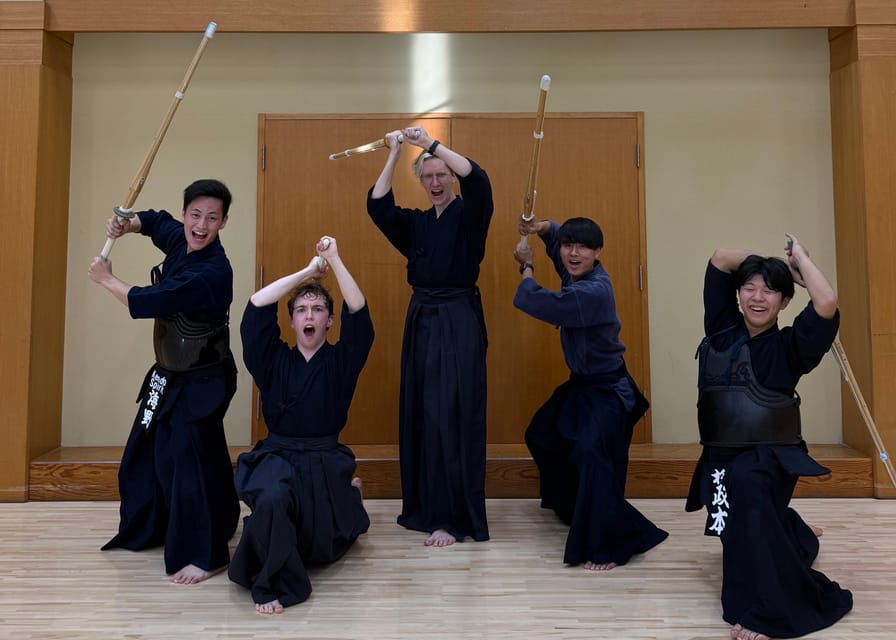
This experience is for you if you are curious about Japan beyond surface-level stuff. If you like discipline, manners, and meaning over entertainment, you will probably love it. It also suits first-timers. You do not need previous kendo experience.
You might especially enjoy it if you want Bushido expressed through action, not just explanation. Learning how to greet correctly and how to manage intent makes the culture feel physical.
You should think twice if you are dealing with the listed limitations. It is not suitable for pregnant women, babies under 1 year, and people over 95 years. And since it is training, you should avoid alcohol and drugs, which are not allowed.
If you want a workout, you are in the right place. If you want a relaxed, sit-and-watch show, you may find it too active.
Should you book this Samurai Experience in Tokyo?
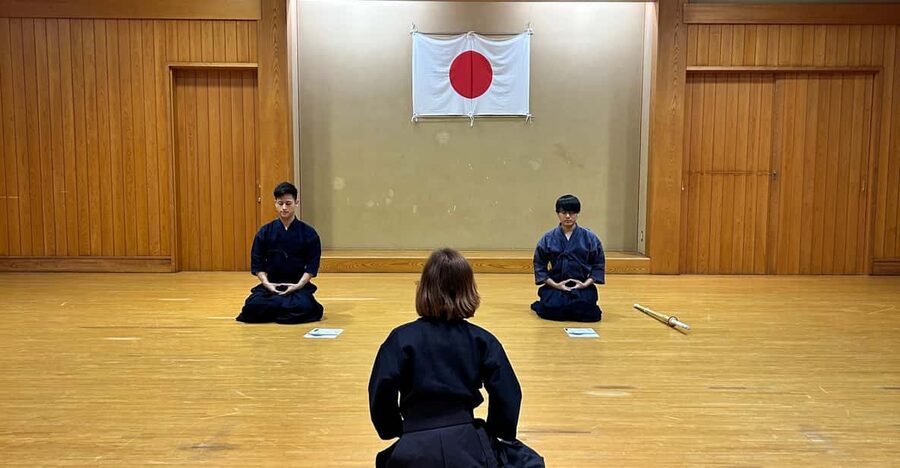
Book it if you want an authentic kendo class near Tokyo Station where the instructors teach respect, timing, and technique in a clear order. The small group size, English-led guidance, and hands-on match practice make it more than a gimmick.
Skip it if you want an easy, low-effort cultural stop. This is training, and your body will feel it, especially when armor goes on and drills get real.
My bottom line: if you are the kind of traveler who likes to learn by doing, this is one of the better ways to experience Japan’s martial spirit in just two hours.
FAQ
How long is the Samurai Experience – Learn Bushido through Kendo in Tokyo?
The experience lasts 2 hours.
Where is the dojo located?
The dojo is within approximately 15 minutes of Tokyo Station.
Is the session available in English?
Yes. The experience is conducted in English, and you can also ask questions during the session.
Do I need prior kendo experience or to be athletic?
No. The class is designed for beginners, and most participants are first-timers. Instruction is paced carefully, and it works even if you are not athletic.
Do I need to bring anything?
No. Nothing is required from you because all equipment is provided.
What equipment do I use during the experience?
You will use kendo attire and a bamboo sword (shinai). You will also train with protective gear during match practice.
Are photos or videos included?
Yes. The team takes photos and videos during the experience and sends the data to you by email afterward.
Can I book a private session?
Yes. You can book a private session by adding Exclusive Private Session before payment. Private sessions are available only on dates that still show 8 available spots.
What is the cancellation policy?
You can cancel up to 24 hours in advance for a full refund.
More Tour Reviews in Tokyo
Not for you? Here's more nearby things to do in Tokyo we have reviewed












Tokyo Samurai Experiences, side by side.
 ★ 4.6Samurai Ninja Museum Guided tour and ExperienceFrom $271,010 reviews
 ★ 5.0Samurai Sword & Archery Class from Samurai DescendantFrom $193603 reviews
 ★ 5.0Best Samurai Experience in TokyoFrom $65458 reviews
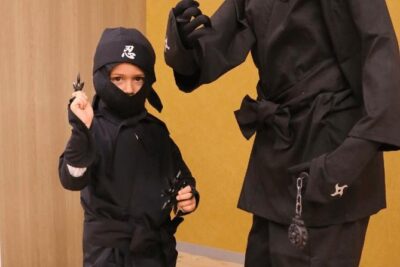 ★ 5.0Ninja Experience (Family Friendly) at Samurai Ninja Museum TOKYOFrom $47441 reviews
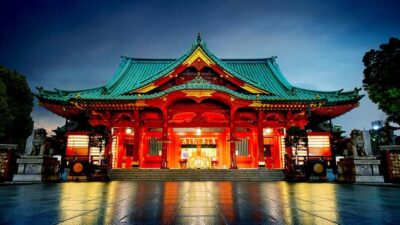 ★ 4.6Samurai Entertainment Night Show in Kanda ShrineFrom $41417 reviews
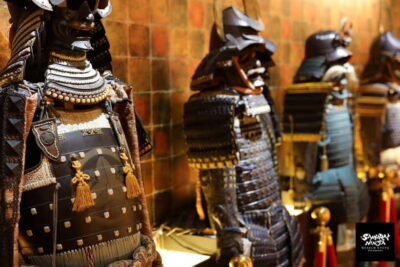 ★ 4.8Samurai Ninja Museum Asakusa: Samurai Sword Lesson & TourFrom $63306 reviews
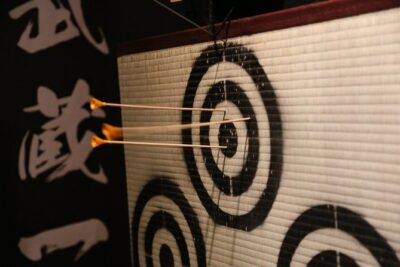 ★ 5.0Ninja Samurai 2-hour hands-on lesson by Japanese master in TokyoFrom $86194 reviews
 ★ 5.0Samurai Sword Experience (Family Friendly)at SAMURAI MUSEUM TOKYOFrom $65168 reviews
This tour also belongs to