
Tokyo changes when you race it. This premium Shibuya Kart ride mixes real street sightseeing with go-kart adrenaline, so you feel like you’re moving through iconic Tokyo landmarks instead of just watching them. I especially like the route mix, Tokyo Tower and Shibuya Scramble Crossing, and the playful costume options. The main thing to consider is the driving paperwork, you’ll need an International Driving Permit that Japan recognizes, plus a hard copy.
What makes this tour work well is the structure. You get a professional local guide, a safety briefing, and plenty of hands-on instruction before you head out, including photo stops that turn the chaotic Tokyo traffic into neat, shareable moments. The ride also runs from Togoshi, with a range of tour lengths, so you can pick what fits your day.
One more detail I think matters: it’s built for groups. You’ll see why this is popular for couples, friends, and families, especially because the staff keep the pace fun while still keeping things safe.
Key highlights worth planning for
- Tokyo Tower, Roppongi, Omotesando, and Shibuya Scramble Crossing on one drive
- 45 to 90 minutes gives you real flexibility for day or night
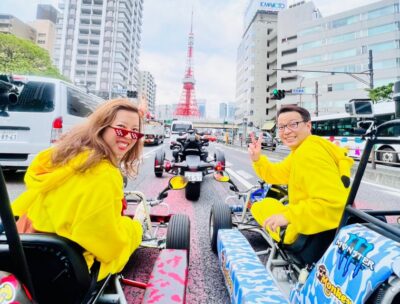
- Costumes and accessories so you look the part while racing
- Guides in English and Japanese with clear instruction and traffic control
- Photo shooting and digital photo data to save you from sprinting for selfies
- Small-group feel compared to bigger tour buses
Shibuya Kart route: Tokyo Tower, Roppongi, Shibuya Scramble Crossing, Omotesando
This is not a back-lot kart track. Your route is designed to thread Tokyo’s most recognizable zones, and that changes how the whole experience feels. You get to glide past the kinds of landmarks that normally sit on postcard covers, then you hit street corners and intersections where you actually experience Tokyo’s rhythm.
You’ll start and finish at the shop in Togoshi, then head out on a route that includes Tokyo Tower, the flashy stretch around Roppongi, and the visual hit of Shibuya. One of the big moments is getting through Shibuya Scramble Crossing, which is one thing to see from a crowd, and another to approach on a kart with your guide managing timing.
Omotesando is another highlight, and it’s a smart choice because it balances the neon energy of Shibuya with a more stylish, designed-city feel. If you care about variety, this route does that in a single session.
A practical note: you’re sharing roads in a real city. That’s why the guide matters. The most praised part of the experience is how consistently the staff handle safety, pacing, and traffic stops, so you can focus on the fun instead of worrying about where to go next.
You can also read our reviews of more tours and experiences in Tokyo.



Choosing your timing: 10am traffic light, 3:30pm before dark, and night views
The tour length options are 45, 60, or 90 minutes, and your time slot affects what the ride feels like. I like that you can plan this like a mini-day activity rather than forcing it into one fixed schedule.
Here’s the simple way to think about it:
- Earlier slots tend to mean easier driving paths because there is less congestion.
- Late afternoon can be ideal because the city is alive, but you’re not stuck watching the light fade while you wait in crowds.
- Night slots are a different mood entirely, especially for views like Tokyo Tower lit up from the kart.
Some people have specifically recommended a 3:30pm slot for being out before it gets fully dark. Others enjoyed a 90-minute night ride for the glow of Shibuya and Tokyo Tower at night, which turns the streets into something more cinematic. If you’re the type who wants photos with mood lighting, night can be worth it.
Also, plan a little buffer around your arrival time. Japan trains can get crowded during peak periods, and the pre-ride check-in plus gear time still takes a chunk of your trip day. If you arrive rushed, you’ll feel rushed.
Getting ready to drive: your license, IDP rules, and safety briefing reality
This tour is fun, but it has a strict foundation: you must be able to legally drive in Japan. If you don’t have the right paperwork, the day can fall apart fast, so I treat this as step one.
You’ll need:
- Passport or an ID card
- International Driver’s Permit (IDP) as a hard copy (no digital versions)
The rules for IDP acceptance are very specific. Japan only accepts certain IDP versions under the 1949 Geneva convention, and that permit validity and format matter. The data also notes that for some countries, like Switzerland, Germany, France, Taiwan, Belgium, and Monaco, you must obtain a Japanese translation from JAF, not rely on an international driver’s license.
Another important line: if your IDP is not valid for Japan, you can’t operate the kart and there’s no refund for the booking if you don’t have valid IDP at the time. For Indian customers, it also says there are many IDP types that may or may not be legally accepted, so contacting the provider directly before booking is strongly recommended.
If you’re eligible and you have the paperwork sorted, the next step is the safety briefing and driving instructions. Expect clear guidance on how to handle the kart, how stops work, and how to stay in sync with the group. Many people call out how thorough and professional the briefing feels, which is exactly what you want when you’re driving in traffic-like situations.
Rules during the ride are also straightforward:
- Intoxication is not allowed
- No drinks in the vehicle
- No alcohol or drugs
One last practical tip: if you’re bringing your IDP, double-check the country coverage and validity format before you leave home. The paperwork is the gatekeeper here.
What you get for the money: price value, what’s included, and insurance limits
The price starts around $63 per person, depending on your chosen length and slot. I like this pricing model because what you’re paying for is more than just a kart rental. The included items meaningfully lower the friction of doing this in Tokyo.
What’s included:
- Professional local guide
- Safety briefing and driving instructions
- Photo shooting plus digital photo data
- Go-kart vehicle rental
- Fuel
- Costume and accessories
- Lockers
- Insurance for the customer
What’s not included is also important:
- Kart insurance for the kart only, not personal insurance
This matters because insurance language can get confusing. The way it’s described here implies you’re covered in the sense of customer insurance included, but you shouldn’t assume that personal liability or anything beyond what’s specified is included automatically. If you’re risk-sensitive, this is one place to read carefully before you go.
Where the value really clicks is the full package. Costumes mean you’re not stuck in normal clothes while riding. Lockers reduce the hassle of bringing your bag. And the photo component means you’re not constantly stopping for pictures while trying to drive safely.
Also, a lot of people mention that guides take photos during the ride and deliver them at the end, including via phone-sharing methods like AirDrop. Some even report a couple of printed photos. That’s the kind of extra that turns a short activity into a real memory you can share immediately.
Costumes and photos: how the staff turn traffic stops into take-home memories
This tour leans into fun on purpose. The costume and accessories aren’t just a gimmick. They help create the photos you’ll be happy to keep, and they make the whole group feel like part of the same moment.
You’ll have a selection of eye-catching costumes, and there are also costume add-ons mentioned by participants, like Nintendo or Mario-style options for an extra cost. Even if you don’t choose an extra-themed outfit, the standard costume set typically gives you enough variety to make the photos feel like more than basic sightseeing snapshots.
The guide support is another big part. Names that come up again and again in the experience include San, Omar, Ren, Manu, Wataru, Daniel, and Alice. People consistently praise how guides handle photos during traffic stops, and how they keep instruction clear while also keeping the vibe light.
The photo workflow is included as digital photo data, which is the most important part. You should still be realistic: you’re driving, not posing in a studio. But the staff design the route with photo moments so you get shots that look like you’re actually in the action.
If you like tech, some riders suggest bringing your own action camera gear like a GoPro, because you may want extra footage besides the guide photos. A few people also mention renting a GoPro. And one person notes that a 360 camera setup felt better than a neck-worn camera for face-level framing. Take that as a hint to think about how you want your angle to look.



Comfort and practical tips: cold wind, sunglasses, masks, and what to wear
Tokyo weather is real, and so is the wind at street level on a kart. A recurring theme is how cold it can feel during certain months, and the provider response is practical: some participants report being offered gloves and hats to help you stay comfortable.
Another smart tip is eye protection. One rider suggests bringing sunglasses because wind can get cold in your eyes during the ride. That’s exactly the kind of small detail that changes your comfort level.
If you’re sensitive to smells or you’re wearing a mask anyway, consider a face mask. At least one participant specifically mentions exhaust can be enough that having a mask can help.
For clothing, don’t overthink it. Wear something you can move in. You’ll be secured in the kart, and the costume means you might not need your own outer layers for style, but you do need warmth and comfort for driving.
And if you’re tall or have a larger build, it can matter. One participant notes the experience was still great for a tall, heavier rider, which suggests the karts and setup can accommodate a wide range of body types. Still, it’s wise to approach it with realistic expectations and use the given safety instructions.
Who should do this Shibuya Kart ride, and who should skip it
This tour is a strong fit for:
- First-time Tokyo visitors who want a fast hit of major neighborhoods
- Groups of friends who want shared laughter, shared photos, and one activity everyone can talk about later
- Couples who want something active and different from museums and train rides
- People who enjoy driving as an activity, not just watching it
It’s also a good group choice because it’s guided with clear instruction and because the route includes recognizable landmarks without needing a full day of transit.
You should skip it if you:
- Don’t have a driver’s license, because it is stated as not suitable for people without one
- Don’t have the correct, valid IDP hard copy for Japan, since you can’t operate the kart without it
If you’re afraid of crowds, this can still work, but keep your timing in mind. Some people recommended earlier time slots to avoid heavier traffic. If you’re booking during a peak rush, plan extra time for getting there calmly.
Finally, if you expected a slow, scenic sightseeing ride, adjust your mindset. This is designed as a go-kart experience first, with sightseeing built into the route.
Should you book Shibuya Kart?
I’d book it if you want a high-energy Tokyo experience that includes real landmarks, costumes, and a photo package, all while staying guided and safety-focused. The value at around $63 per person makes sense because you’re not paying separately for guide time, kart rental, costumes, lockers, and photo data.
I’d think twice if the driving paperwork is unclear for your country, because the IDP requirements are strict and hard copy matters. If you’re sorted on that front, you can treat the tour as a fun “Tokyo highlight” that’s more memorable than yet another walking-only plan.
If you want the best chance of an easy, enjoyable ride, pick a slot that matches your goals: earlier for calmer driving, late afternoon for that pre-dark sweet spot, and night if you want Tokyo Tower and Shibuya illuminated.
In short, Shibuya Kart is for people who want Tokyo as action, not just scenery. If that’s your style, this is a very solid booking.
FAQ
How long is the Shibuya Kart tour?
The duration options are 45 to 90 minutes, with different starting times based on availability.
Where does the tour start and end?
It starts and ends at the shop in Togoshi.
What do I need to bring to drive?
Bring your passport or an ID card, and a hard copy International Driver’s Permit (IDP). Digital versions are not accepted.
Do I need an International Driver’s Permit, or can I use my license alone?
The experience data says you need an IDP to operate the kart. It also notes that certain countries require a Japanese translation from JAF instead of using an international driver’s license.
What is included in the price?
Included are a professional local guide, safety briefing and driving instructions, photo shooting with digital photo data, go-kart rental, fuel, costume and accessories, lockers, and insurance for the customer.
Are drinks allowed during the ride?
Drinks are not allowed in the vehicle.
What’s the cancellation and guide language like?
Guides are available in English and Japanese. You can cancel up to 24 hours in advance for a full refund.
More Tours in Tokyo
More Tour Reviews in Tokyo
Not for you? Here's more nearby things to do in Tokyo we have reviewed












Shibuya Tours, side by side.
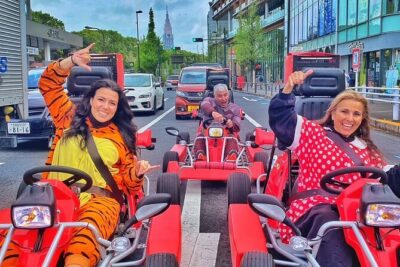 ★ 5.0Official Street Go-Kart in ShibuyaFrom $763,435 reviews
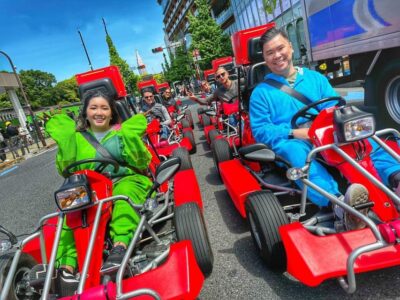 ★ 4.9Street Kart Experience in ShibuyaFrom $741,484 reviews
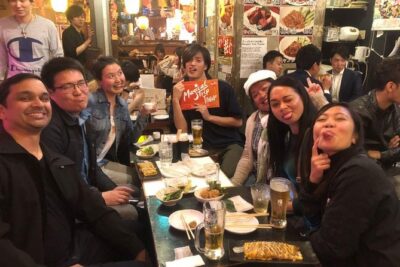 ★ 5.0Shibuya Meltdown Nightlife Tour: All-You-Can-Drink Bar HoppingFrom $1061,058 reviews
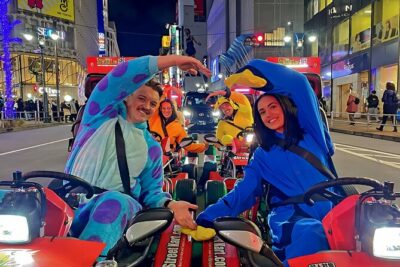 ★ 5.0Shibuya Official Street Go-Kart in Shibuya AnnexFrom $69972 reviews
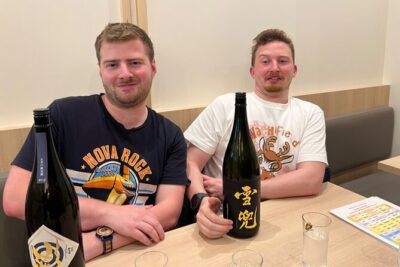 ★ 5.0Shibuya Food Tour (13 dishes and 4 Eateries)From $77770 reviews
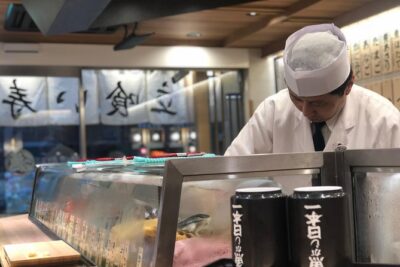 ★ 5.0Best of Shibuya Food TourFrom $217612 reviews
 ★ 4.8Shibuya Highlights Walking TourFrom $19601 reviews
 ★ 4.7Premium Go-Kart Tour with Tower & Shibuya CrossingFrom $116528 reviews
This tour also belongs to