
Review · SHIBUYA TOURS
This is Real TOKYO!! SHIBUYA Tour from TGP!!
Shibuya hits you fast, this tour keeps it friendly. It is built around photo stops that teach you where to stand and when to move, starting with the iconic Hachiko statue and rolling through streets most people only speed past. I like that it mixes big landmarks with smaller alley vibes, and that the guide, Mitsu, is the kind who can adjust the plan to your pace.
One standout for me is the private group feel, so you are not stuck waiting on strangers. Another big plus is the tour includes a special photo service to preserve your memories. The one thing to plan for is that Shibuya Sky tickets cost extra and are not guaranteed, so your ending could shift if reservations are unavailable.
Why This Shibuya Tour Feels Different From a Typical Checklist Walk
Hachiko photo first, not last, so you start with confidence instead of rushing.
Shibuya Crossing with video guidance, because timing matters when thousands funnel through one intersection.
Local Tokyo planning, led by Japanese residents in the city who know how to turn a short walk into smart stops.
A guide like Mitsu who helps with real-world communication, including translation support for trickier parts.
A flexible finish at Shibuya Scramble Square, with an optional Sky Deck plan and backups if tickets are sold out.
Meeting Hachiko and Getting Your Bearings at Shibuya Station
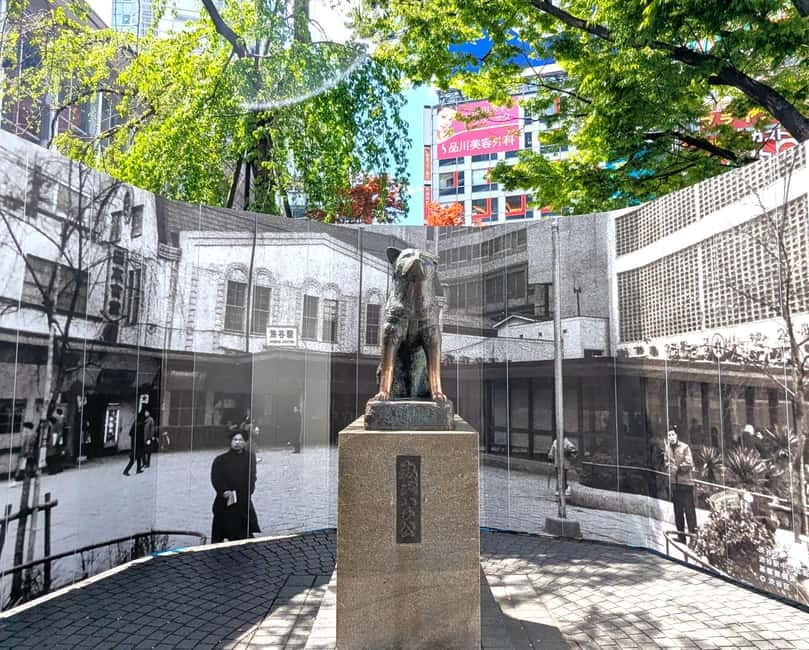
The tour starts in front of the bronze Hachiko statue outside Shibuya Station. This is more than a photo op. Hachiko is the best kind of Tokyo symbol for first-time visitors, loyal and instantly recognizable, and it gives you a simple starting point in a place that can otherwise feel chaotic. The guide helps you take a commemorative photo right at the statue, keeping the moment calm and organized instead of turning it into a scramble.
From there, you walk toward the heart of Shibuya while the guide sets the rhythm. This matters because Shibuya is built for movement, not lingering. With a guide, you learn the flow of pedestrian crossings and how to thread between crowds without losing time.
If you like taking pictures and videos on your first day, this is a good place to get started. The guide’s approach is practical: stand where you can frame people without getting shoved, then wait for the wave of movement instead of chasing it.
You can also read our reviews of more tours and experiences in Tokyo.

Shibuya Crossing and Center Street, Where Timing Makes the Photos
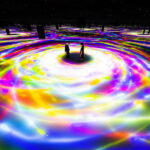
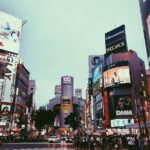
Next up is the Shibuya Crossing, the famous intersection that can send up to 3,000 people through at once. Here is the trick most people miss: you do not need to fight the crowd for a view. You need the right spot, and you need to be ready for the surge when the signals change. The tour includes a photo stop and a short walk, and the guide encourages you to shoot not only still photos but also short videos.
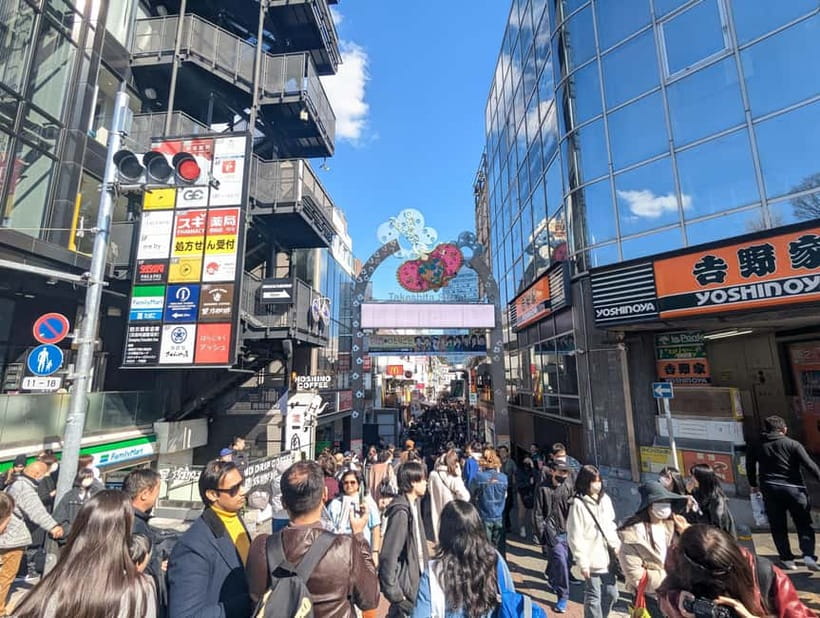
Then you move to Shibuya Center Street, a long stretch known for young-culture energy. Think restaurants, clothing, and everyday shops lined close together, with a vibe that feels different from the high-end malls nearby. It is the kind of street where you can pause, look in shop windows, and get a sense of what people are wearing and buying right now.
A nice detail in this portion is that the route is not only about seeing. You also get time for basic needs and casual browsing, which keeps the walk enjoyable instead of turning into a rigid sprint.
Miyashita Park Stops for Snacks, Shopping, and Character-Watching
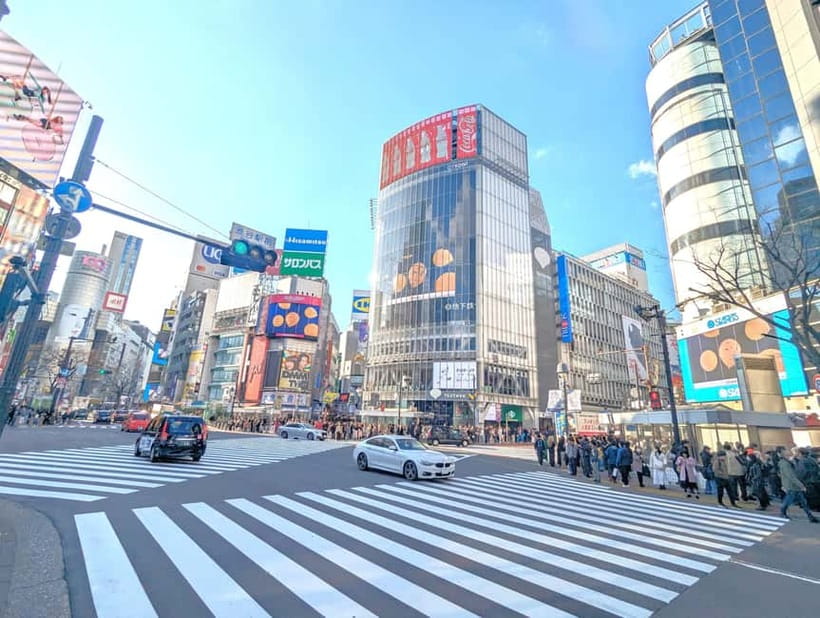
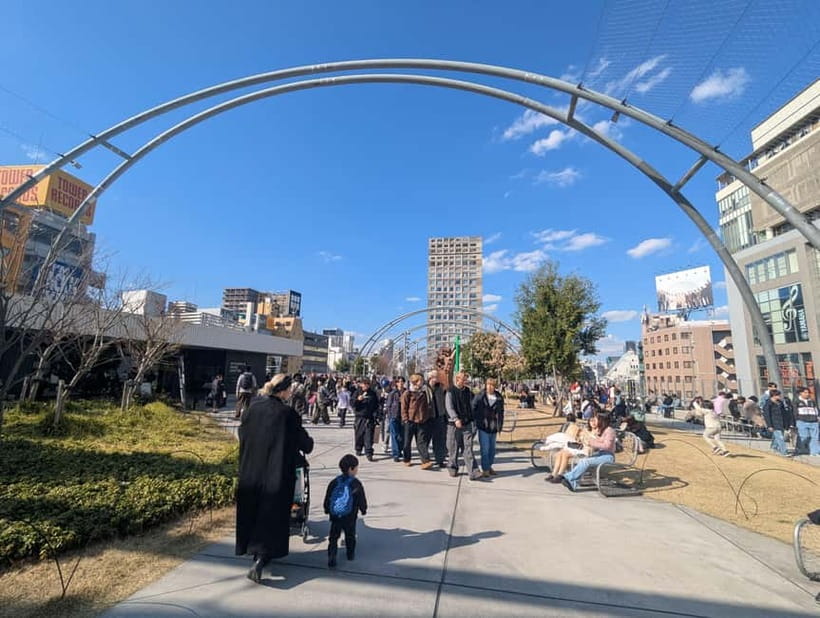
At Miyashita Park, you get a short visit and shopping break, including time for a toilet break. This matters in Tokyo because you will walk more than you expect, and having a built-in reset keeps the rest of the tour fun.
Miyashita Park is also one of those places where you can feel a Tokyo mix at once: there are areas lined with luxury brands, plus open spaces where you can wander, sit, and recharge. The rooftop open-air feel can be great for photos, and the tour also hints at the chance to see a world-famous character somewhere on the grounds, which adds a little surprise factor.
If you are the type who likes to photograph storefronts and outdoor design as much as famous landmarks, this stop delivers. If you want pure shopping, it is short but effective. Either way, it is a good pause before you shift into Harajuku mode.
Cat Street and Harajuku Style, The Side You Can Actually Enjoy
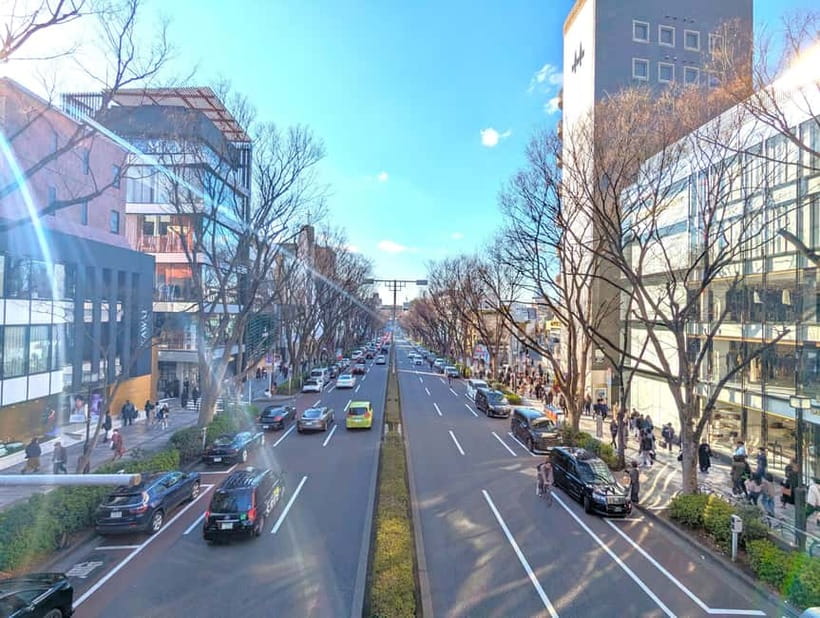
Next is Harajuku, with a focus on the stylish side streets rather than only the most crowded entrances. You walk along Cat Street, which runs beside the old Shibuya River promenade. That setting helps. It gives you a different feel from Shibuya Station area, more like a fashion corridor than a transit maze.
Cat Street is where you find boutiques, general stores, and cafes, plus plenty of smaller things to look at, like accessories and quirky goods. The tour gives you time to shop and walk, so you can actually slow down and browse without feeling guilty about holding the group up.
If you want a Harajuku experience that feels less like a stampede and more like a stroll, this is a smart pairing. You get the style without losing the plot.
Omotesando, Tokyu Plaza Omokado, and the Quick Change of Tone
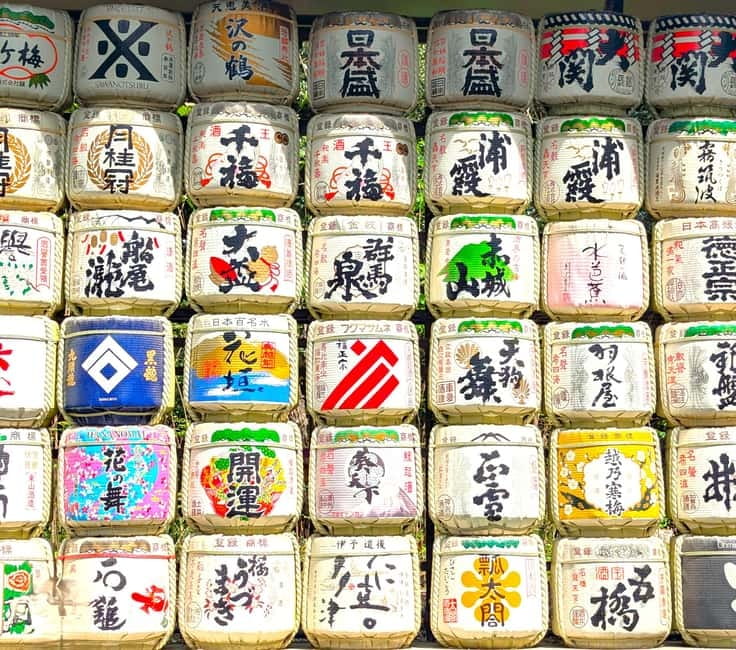
After Cat Street, you head toward Omotesando, known for its tree-lined streets and polished streetscape. Omotesando can feel like Tokyo’s fashion runway, but the best part is that the streets also feel walkable, especially for a short stop like this.
You also pass the Tokyu Plaza building named Omokado, which has distinctive design that you can spot even if you do not spend a ton of time inside. It is one of those “walk by and clock it” architecture moments, and it helps break up the heavy shopping zones with something that feels more intentional.
If you like photos that show Tokyo’s planning and design, this section offers options. If you are more focused on people watching and street vibe, it still helps because it gives you a mental reset before the calm of the shrine area.
Meiji Shrine, A Power Spot Pause Before Takeshita Frenzy
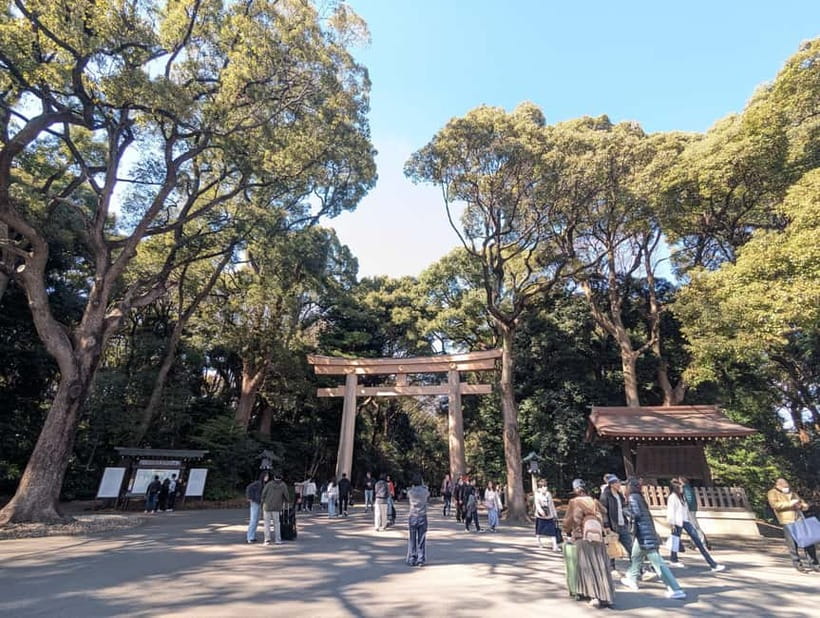
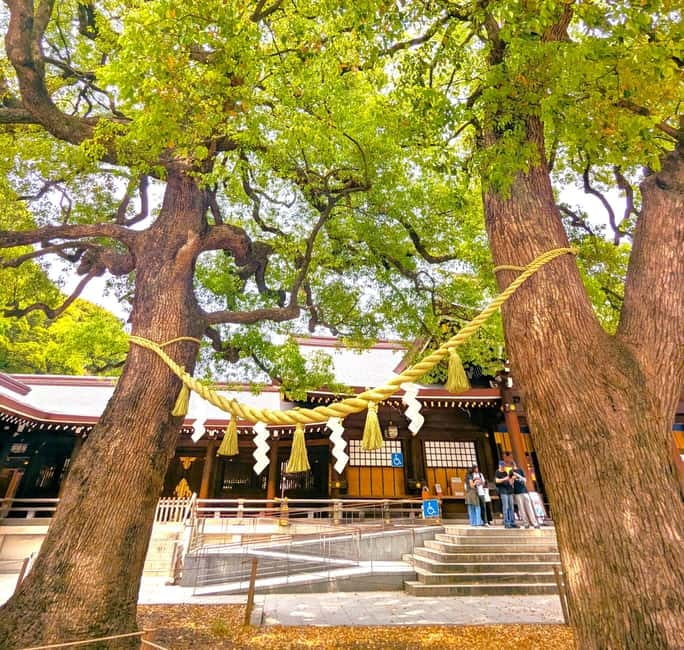
Then comes Meiji Shrine, a major shift in mood. The tour calls it a power spot and points out it as the largest number of visitors in Japan. You also get the cultural context, including that it enshrines Emperor Meiji and Empress Shoken, with notes about Emperor Meiji’s vision for a new era and Empress Shoken’s encouragement of women’s education and philanthropic work.
This stop is valuable even if you are not a history buff. Tokyo has a lot of noise, and a shrine visit lets you slow down your body and your attention. You can take photos, then step into the calmer paths without feeling like you have left the city behind.
Practical tip: Meiji Shrine areas can be a little damp if it rained earlier, and the ground can be uneven. Comfortable shoes are your friend. Also, if you plan to shoot video, keep your hands free and avoid swinging your camera while people pass.
Takeshita Street for Pop Culture Energy, Crepes, and Character Merch
After the shrine, the tour swings back into pop-culture mode with Takeshita Street. This is described as the birthplace of Japanese pop culture, and you feel that fast when you enter. The vibe here is playful and fast: cute miscellaneous goods, character items, and quick bites like crepes.
The tour also mentions more unusual experiences like rare pig cafes and otter cafes. Even if you do not stop for a cafe during the tour window, it signals what Takeshita does well. It is not just mainstream shopping. It is where you go to find the quirky version of Tokyo.
The best part is that you get time to shop and walk, not just a quick look. That flexibility is key because Takeshita is sensory. You will see too many things at once unless you have a little time to pick favorites.
Shibuya Scramble Square and Sky Deck Photos, With a Backup Plan
The tour ends at Shibuya Scramble Square, with a visit and time to take special photos and videos on the Sky Deck. This is the “wrap up” moment where Shibuya turns into a view you can grasp from above.
One big reality check: Sky Deck reservations can sell out during peak times. The tour notes that tickets are sold out roughly 10 days ahead, and the observation deck is reservation-based, so planning matters. Also, tickets are not included, and the tour does not guarantee you will secure them.
If you cannot get Sky Deck tickets, the tour states you will be directed to Togo Shrine or Yoyogi Village instead. That is a helpful backup because it keeps your last portion from collapsing into a boring wait.
When you are thinking about whether to prioritize Sky Deck, here is my take: go for it if you love skyline views and you are okay paying extra for timed entry. If you are more about street-level Tokyo photos, the shrine or Yoyogi alternative may suit you just fine.
Price and Value for a 3-Hour Shibuya Private Group
The price is $193 per group, up to 6 people, for 3 hours. That is how this tour can feel like value: it is not “per person guided walking,” it is “your group gets a guide and a plan.”
You do have added costs to consider. Shibuya Sky ticket fees are not included, and they vary depending on your desired time slot. The tour also notes that booking the walking tour does not guarantee Sky Deck tickets, and a separate purchase process is required from the Shibuya Sky website or an authorized sales agent.
So the math works like this:
- You pay for the guided walk and photo service included in the tour fee.
- You pay extra if you want the Sky Deck view at the end.
If you are traveling as a couple, family, or small group, this structure often makes sense. If you are traveling solo and Sky Deck is a must, you may decide the extra ticket cost is worth it. Either way, you will want to start thinking about the Sky Deck timing early.
As for flexibility, the tour offers free cancellation up to 24 hours in advance for a full refund, and there is also a reserve now, pay later option shown in the details. That can reduce stress if your Shibuya day is tied to weather or jet lag.
Pace, Walking Distance, and Who This Tour Suits Best
This is a walking tour of about 5.5 km over three hours. That is not a marathon, but it is enough walking that shoes matter. The tour strongly suggests comfortable shoes and weather-appropriate clothing.
The pacing is designed for photos and short breaks. You have multiple photo stops and browsing windows, which means you are not just trekking from one landmark to another. The time allocations also suggest a pattern: short photo moments, a shopping street break, then a mood shift to shrine calm, then pop-culture energy again.
It is also listed as wheelchair accessible and a private group experience, which is a big deal in Shibuya where crowds can be tough. If you have mobility constraints, the private setup can make the route feel more manageable because the guide can guide spacing and transitions.
Language support is wide. The guide can work in English, Japanese, Chinese, Korean, Spanish, Turkish, and many more. In practice, you can still run into a few confusing moments when signage is fast or dense, but the tour experience includes translation support, which helps smooth out the details.
This tour is a great fit if you want:
- a first-day orientation to Shibuya and Harajuku
- a guide who helps with photo and video setups
- a route that mixes famous spots with lesser-known-feeling side streets
- a calm shrine reset inside a very energetic neighborhood
It might be less ideal if:
- you only want one or two stops and do not care about street wandering
- Sky Deck is non-negotiable and you cannot handle ticket hunting or the possibility of a backup ending
Should You Book This Real TOKYO Shibuya Walk From TGP?
I would book it if you want a guided day that helps you move through Shibuya with less guesswork and better photo results. Starting at Hachiko, getting real timing help for the crossing, then shifting through Center Street, Cat Street, Omotesando, Meiji Shrine, Takeshita, and ending at Scramble Square gives you a complete Shibuya to Harajuku snapshot in just three hours.
I would pause before booking if you are relying on Sky Deck for your ideal ending. Tickets cost extra, sell out fast, and the tour will not guarantee access. The backup options are listed, but if your plan is strict, you should check Sky Deck availability early.
One smart way to decide: if you like photos, you will probably love this. If you do not care about skyline views and you mainly want street-level Tokyo, the guide can still deliver a strong day even without Sky Deck tickets.
FAQ
What is the meeting point for the Shibuya tour?
You meet in front of the Hachiko statue in front of Shibuya Station. TGP staff wear orange collars and name tags, and you can share your clothing details to help them find you.
How long is the tour?
The tour duration is 3 hours.
Is the Shibuya Sky ticket included in the price?
No. Shibuya Sky ticket fees are not included, and ticket prices vary by time slot.
Does booking this tour guarantee Shibuya Sky access?
No. Booking the tour does not guarantee you will secure tickets for Shibuya Sky.
If Shibuya Sky tickets are unavailable, where does the tour go instead?
If you cannot get Shibuya Sky tickets, you will be directed to Togo Shrine or Yoyogi Village.
What languages are available for the live guide?
The guide list includes many languages such as Chinese, English, Japanese, Korean, Spanish, Turkish, and others.
More Tours in Tokyo


More Tour Reviews in Tokyo
Not for you? Here's more nearby things to do in Tokyo we have reviewed



Shibuya Tours, side by side.
 ★ 5.0Official Street Go-Kart in ShibuyaFrom $763,435 reviews
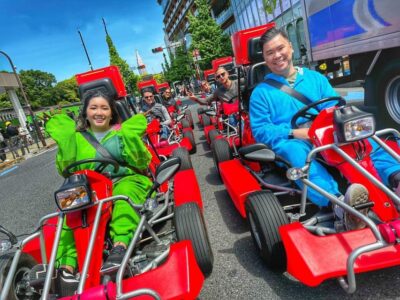 ★ 4.9Street Kart Experience in ShibuyaFrom $741,484 reviews
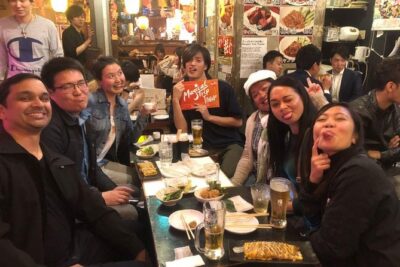 ★ 5.0Shibuya Meltdown Nightlife Tour: All-You-Can-Drink Bar HoppingFrom $1061,058 reviews
 ★ 5.0Shibuya Official Street Go-Kart in Shibuya AnnexFrom $69972 reviews
 ★ 5.0Shibuya Food Tour (13 dishes and 4 Eateries)From $77770 reviews
 ★ 5.0Best of Shibuya Food TourFrom $217612 reviews
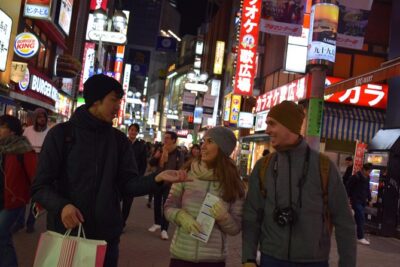 ★ 4.8Shibuya Highlights Walking TourFrom $19601 reviews
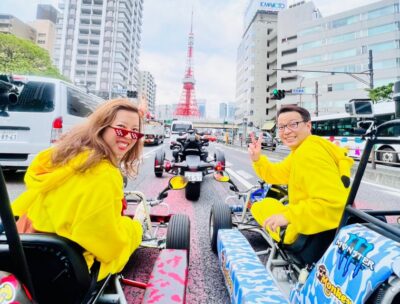 ★ 4.7Premium Go-Kart Tour with Tower & Shibuya CrossingFrom $116528 reviews
This tour also belongs to