

Review · TOKYO CITY TOURS
Tokyo: 1-Day Private Customizable Tour by Car
Tokyo can feel like a puzzle. This day tour makes it manageable, fast, and personal. You get private car comfort plus a route that can fit your mood, not just a timetable. I also like the English-speaking driver support, with guides such as Zoma-San, Bek, and Hiro who kept things moving while still giving context at each stop. One consideration: the day is full, and some major sights are often more of a photo and exterior moment, with tickets bought on the spot.
If you want a default plan, it runs on a clear rhythm: start around 9:00 AM with classic Tokyo sights, then ease into modern highlights like Shibuya and Odaiba before returning to your hotel area by about 7:00 PM within Tokyo’s 23 wards. It operates rain or shine, and you travel in an air-conditioned vehicle with onboard Wi-Fi available when the system cooperates.
Key things I’d zoom in on
- Door-to-door private transport for a group of up to 5, with hotel pickup and drop-off
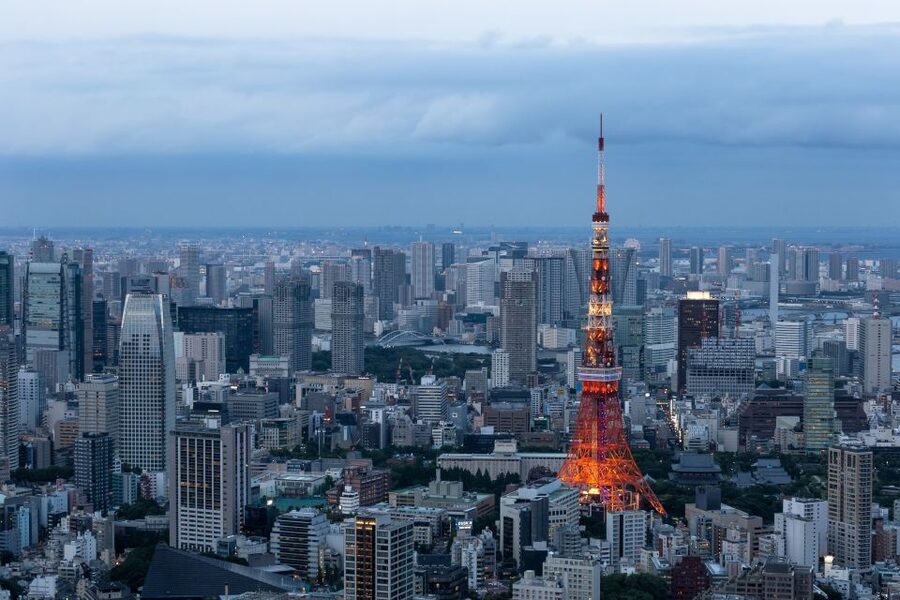
- A default loop of Tokyo classics, from Asakusa and Meiji Jingu to Shibuya and Odaiba
- A calm-to-chaos contrast built into the route, with temple serenity after busy streets
- English driver help that can turn sightseeing into something you actually understand
- Bring your own plan for food and attraction tickets, since they are not included
- Real support for different needs, including wheelchair accessibility reported by guests
Why a private car day works so well in Tokyo
Tokyo is efficient, but it is also dense. Switching trains, hauling bags up stairs, and decoding station signage can eat your day. A private car flips the equation. You get dropped off close to sights, with less friction between stops.
I especially like how this format helps on day-one visits. If you are seeing Tokyo for the first time, you do not have to choose between temples and neighborhoods. You can take the biggest hits in one sweep, then decide later which areas deserve a second visit.
And yes, the car matters. In reviews, people highlighted safe, careful driving and comfortable rides, including strong air conditioning during hot weather. That is not a small detail in Tokyo, where outdoor walking is often the real time tax.
You can also read our reviews of more private tours in Tokyo
Price and what you’re really buying with $377
The headline price is $377 per group (up to 5) for about 10 hours. On paper, it can look steep if you are thinking solo. But for a group, private transport can start making sense fast, because you are paying for one hired vehicle instead of stacking multiple taxi rides or spending half the day in transit.
What you should budget mentally:
- Attraction tickets are not included, so observation decks and any ticketed entrances are extra.
- Food and drinks are not included, though you can eat during stops like Tsukiji Outer Market.
- If you go outside the 23 wards for pickup or drop-off, there can be a surcharge.
- If you run over, there is an overtime fee charged in cash.
So the real value is not just “a car.” It is time saved and flexibility bought with cash. If your group wants maximum Tokyo coverage with minimum hassle, this pricing structure is usually fair.
How customization works, and when it’s worth choosing the driver-guide
This tour is designed to be adjustable. You can do it two ways:
- Travel with a chauffeur and explore sights at your own pace.
- Or add a driver-guide option, which means the person in the car can explain what you are seeing and help you make quicker calls.
If you already have a strong list, customization can be a big win. Guests talked about drivers adjusting to interests and even adding a couple of extra stops when it made sense. Names that came up with this kind of attention included Zoma-San, Jiro, Bek, Saki, and Rabs.
If you do not want to overthink, the default itinerary is solid. It hits the major landmarks most visitors want, with a few built-in shifts in mood, from traditional Tokyo to the modern skyline.
One more practical detail: the tour works rain or shine, so if you are the type who hates last-minute changes, this can feel reassuring. The plan is the plan, unless conditions force a safer adjustment.
Pickup in Tokyo’s 23 wards, and the pace of a full day
Within Tokyo’s 23 wards, the standard plan runs like this: pickup around 9:00 AM and drop-off around 7:00 PM. The driver meets you at your hotel or another location you choose within the wards.
The route also includes travel time between neighborhoods. Expect transfers, and do not plan for a “no waiting” day. But the private format usually keeps waiting smaller than it would be with self-guided train hops.
Also note: onboard Wi-Fi is provided, but it can depend on availability. I treat it as a bonus, not a guarantee.
If you are traveling with luggage or you have mobility needs, mention it early. Reviews showed the experience can be adapted, including wheelchair accessibility needs handled smoothly.
Tsukiji Outer Market: snacks, shopping, and an easy first win
The day often starts with Tsukiji Outer Market (about 1 hour for walking and food market time). This is a great opener because it gets you into Tokyo’s daily rhythm fast. Even if you do not go deep on seafood, you can still sample street-level food culture and pick up small gifts without a big detour.
Two practical tips:
- Decide early if you want to eat immediately or save your appetite for later. The market time is finite.
- Bring some cash and keep receipts. Not because you have to, but because food spending at markets can be quick and chaotic.
The downside is the same as everywhere popular: crowds and lines. If it is hot or rainy, your comfort will come down to your shoes and your attitude.
More Tokyo tours and experiences for the shortlist




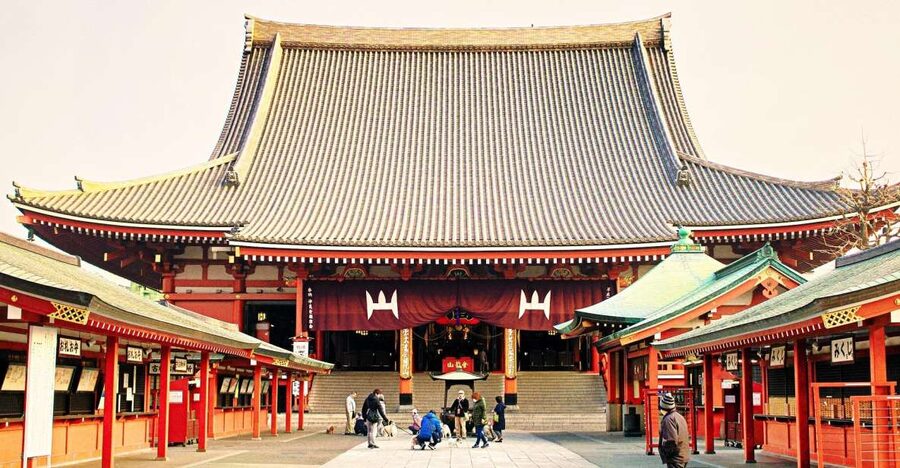
Sensō-ji and Nakamise Street: the “classic Tokyo” stretch
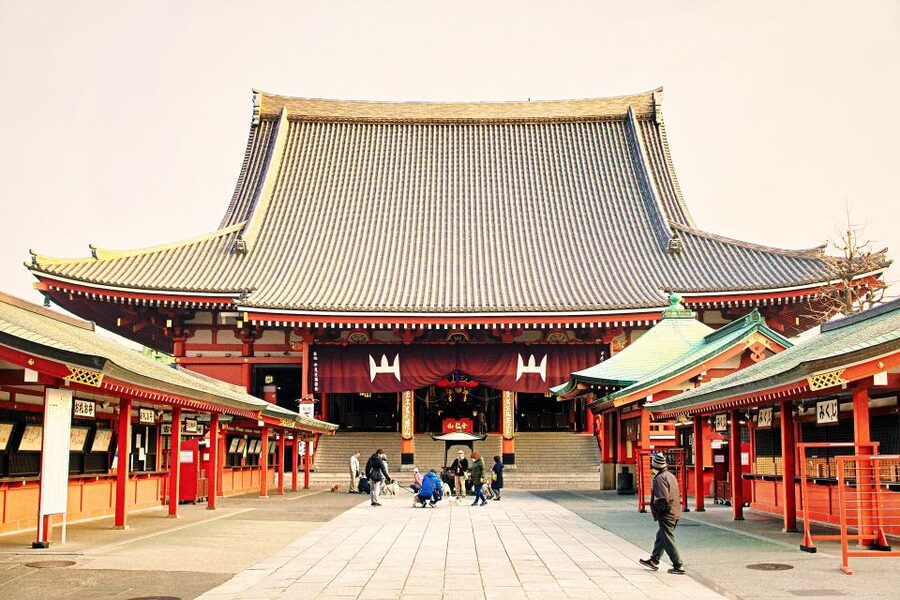
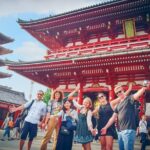
Next comes Sensō-ji Temple (about 30 minutes), followed by Nakamise Shopping Street (about 55 minutes). This is where you get the postcard visuals, the temple atmosphere, and the shopping street energy in one connected area.
Sensō-ji is famous for good reason. The atmosphere is more than scenery. It is how Tokyo blends tourism with something that still feels lived-in.
Nakamise adds the practical fun: snacks, souvenirs, and lots of small browsing stops. It is an easy place to slow down without losing momentum because it naturally supports quick breaks.
A consideration: this is a high-foot-traffic area. If your group has limited stamina, keep a meeting point and a quick “walk or browse” plan so nobody gets separated.
Tokyo Skytree: one hour of height, if you plan tickets
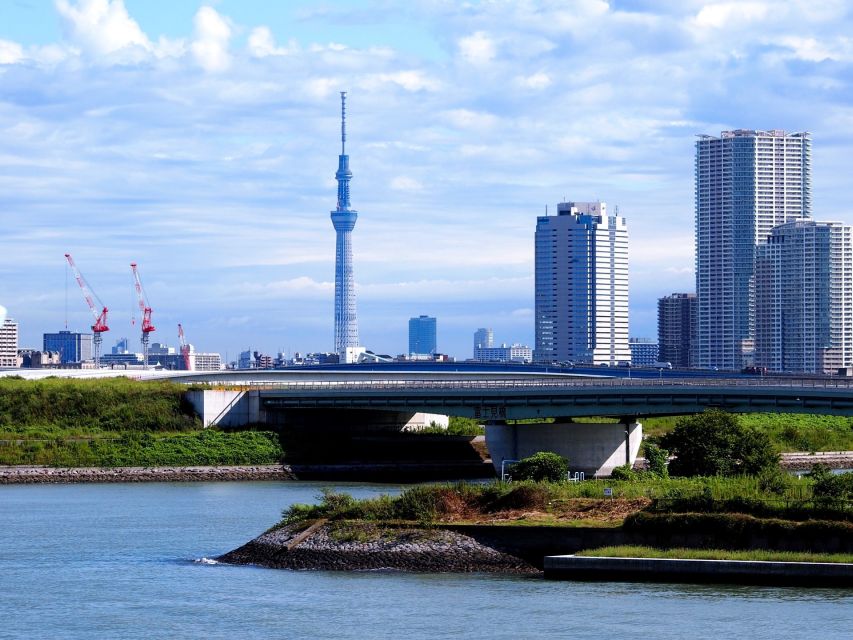
The itinerary includes a Tokyo Skytree stop (about 1 hour for sightseeing and an aerial view). This is the skyline moment. It helps you connect neighborhoods you visited by car to a bigger sense of how Tokyo spreads out.
Important catch: attraction tickets are not included. So expect an extra line step and extra cost. If you care about getting the best views, I’d treat the Skytree part of the day as a ticket plus timing event, not just a photo stop.
Also, weather matters. Clearer days obviously help, but even hazy weather can be worth it for the scale.
Imperial Palace East Gardens: what you might actually get
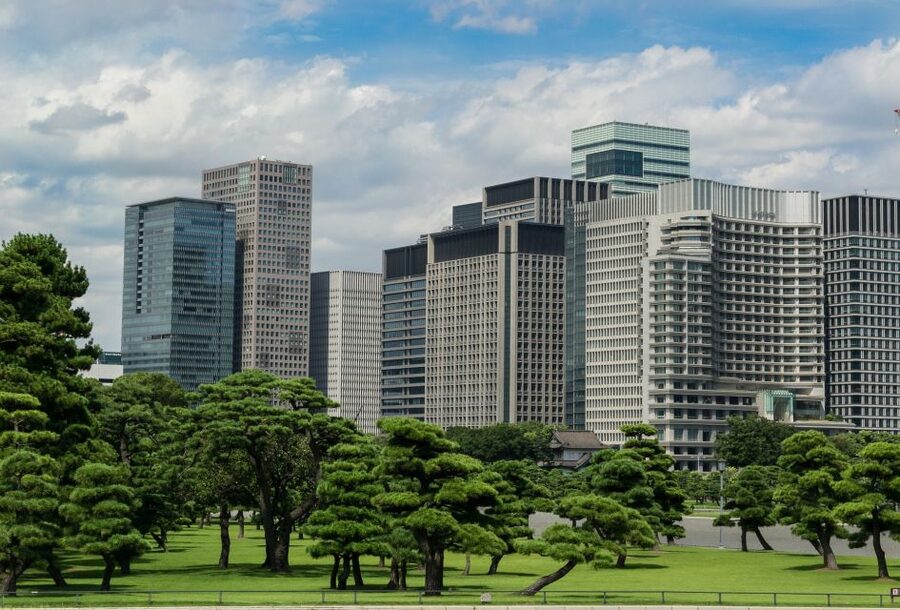
The plan includes Imperial Palace East Gardens for about 30 minutes, with photo stops and sightseeing. Here is the realistic part.
Some guests reported that palace access can be limited and that the day might be more of an exterior experience than a full inside look. One example mentioned the Imperial gardens being closed on a Friday, and another highlighted limited access to the palace itself.
So how do you enjoy it anyway? Treat it as a calm pause. Use it for a breather, photos, and context. If the “inside” version happens, great. If not, the value still works as a restful contrast between heavier sightseeing stops.
Meiji Jingu: the peaceful counterweight
Then you head to Meiji Shrine for about 30 minutes of photo stop, walking, and visiting. This is the part of the tour that many people remember as a reset button.
Meiji Jingu feels like you are stepping out of the city’s noise and into a greener, quieter pocket. It is especially nice after crowds at temple streets and busy shopping zones.
If you love photography, this is a good moment to slow down. If you are traveling with older family members, it is also a strong choice because it supports a gentle pace.
Harajuku Takeshita Street: street culture with shopping energy
The tour includes Harajuku and focuses on Takeshita Street for about 30 minutes of visit and shopping. This is where Tokyo’s teen fashion and street styling show up fast. It is not about deeper sightseeing. It is about atmosphere and people-watching.
Two practical notes:
- Wear something comfortable. You will walk.
- Set expectations with your group. Harajuku is fun, but the vibe is more “quick hit” than long, slow wandering.
Shibuya Scramble Square and the crossing moment
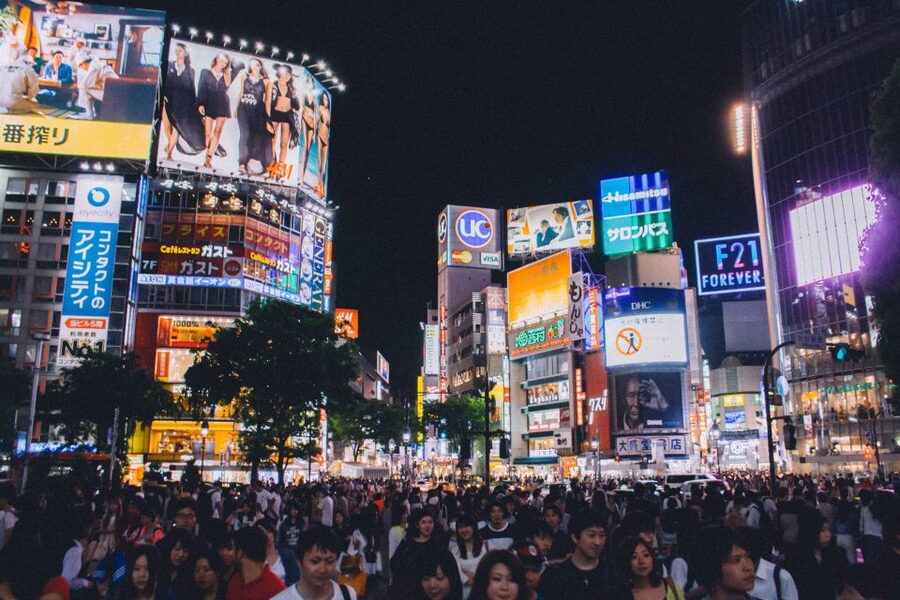
Next is Shibuya Scramble Square (about 1 hour), with sightseeing and walking. This is where Tokyo’s modern edge becomes real, not just something you’ve seen in videos.
You get time for panoramic city views from the complex area, plus the ground-level theater if you want it. It is a crowd magnet. If your group likes action, you’ll love it. If your group hates crowds, agree on a quick plan so you are not negotiating on the fly.
Odaiba and Tokyo Bay: futuristic views to end on a high note
The day wraps with Odaiba for about 1 hour, including sightseeing, walking, and a scenic drive. This is a change of scenery: more open space and that “future Tokyo” feeling, with panoramic views of Tokyo Bay in the mix.
Odaiba works well late in the day because it is visually rewarding without requiring intense navigation. It also helps that you are usually heading back to your hotel afterward, so your final stop feels like payoff, not “another chore.”
What the best guides do with your day
The difference between an okay Tokyo day and a great one often comes down to the person in the car. Reviews made that clear: drivers like Bek, Hiro, Jiro, and Saki stood out for being friendly, patient, and easy to communicate with in English.
A few high-impact examples that matter for you:
- People noted drivers who were attentive to different ages and mobility needs, including wheelchair support.
- Drivers reportedly shared context at stops, which makes places like temples and shrine grounds feel less like checkpoints.
- One guest described how their guide helped with a lost bag situation involving passports and cash, then helped them get it back. That kind of problem-solving is not why you book, but it is why you feel safe when plans get weird.
Also, look for the small “tour manager” responsiveness. One guest praised prompt attention to inquiries from a tour manager named Krizzia. That kind of communication helps if your timing is tight, like after a cruise or a flight.
Practical tips so your day doesn’t feel rushed
This is a packed 10-hour plan. You can still make it feel smooth with a few habits:
- Pick must-see and nice-to-see before pickup. Tell your driver what matters most.
- Save energy. Shoes matter more than you think when you have multiple walking zones, especially around Nakamise and Harajuku.
- Plan for ticket time at places like Skytree. Since tickets are not included, build that friction into your expectations.
- Budget food separately. Since meals are not included, it helps to decide where you want a proper bite and where you’ll grab snacks.
- If you plan to eat in the car, note the rules: food is allowed with conditions, alcohol is not allowed, and there can be a cleaning fee if the vehicle gets unusually dirty.
Should you book this private Tokyo day tour?
Book it if you:
- Want a high-coverage day that hits temples, shrine time, and modern neighborhoods without train transfers
- Have a group of up to 5 and want a fair cost per person versus constant taxis
- Appreciate an English-speaking driver who can explain what you are seeing and adjust pacing
- Prefer comfort, especially in heat, rain, or when walking might be tough
Skip it, or at least compare, if you:
- Want a slow, neighborhood-first Tokyo experience with no big sightseeing blocks
- Are traveling solo on a tight budget and would rather buy transit tickets and spend less on private transport
- Strongly need guaranteed access to specific restricted palace areas, since what you get there can be limited in practice
My take: this is a smart choice for a first Tokyo visit or a short stay where you still want the classics. You get the speed of a highlights tour, but with the comfort and flexibility of a private vehicle and an English driver guiding the flow.
FAQ
How much does the Tokyo 1-Day Private Customizable Tour cost?
It costs $377 per group, for up to 5 people.
How long is the tour?
The tour is 10 hours.
What time do I get picked up and dropped off in Tokyo’s 23 wards?
For Tokyo 23-ward pickups and drop-offs, pickup is at 9:00 AM and drop-off is at 7:00 PM.
Where can the driver pick you up and drop you off?
Pickup and drop-off are included within Tokyo’s 23 wards. There are multiple pickup and drop-off options listed, and locations outside the 23 wards can require an additional surcharge.
Can I customize what I see?
Yes. The day is completely customizable, and you can also choose a default itinerary if you are not sure what you want to see. There is also an option that includes a driver-guide.
Are tickets for attractions included?
No. Attraction tickets are not included and need to be purchased on the spot.
Are food and drinks included?
Food and beverages are not included.
Is the tour accessible for wheelchairs?
Yes, the tour is wheelchair accessible.
More Private Tours in Tokyo

More Tours in Tokyo



More Tour Reviews in Tokyo

Not for you? Here's more nearby things to do in Tokyo we have reviewed












Tokyo City Tours, side by side.
 ★ 5.01-Day Tokyo Bus TourFrom $12914,250 reviews
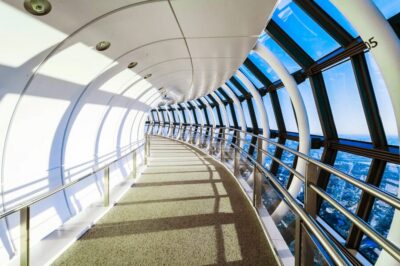 ★ 4.5TOKYO SKYTREE® Admission ticketFrom $1311,192 reviews
 ★ 4.6teamLab Planets TOKYO Digital Art Museum Entry TicketFrom $259,779 reviews
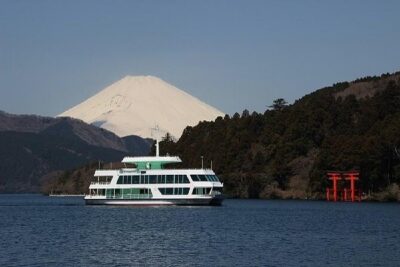 ★ 4.0Mt Fuji & Hakone Cruise, Drum Show Bullet Train 1 Day from TokyoFrom $1497,413 reviews
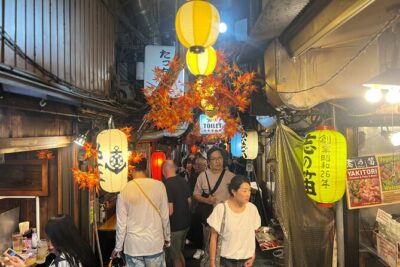 ★ 5.0Shinjuku Food Tour (13 Dishes at 4 Local Eateries)From $866,603 reviews
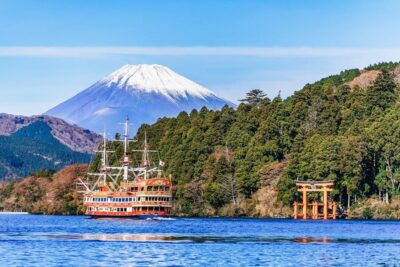 ★ 4.4Tokyo Mt Fuji 5th St & Hakone Cruise Bus Tour w/Bullet TrainFrom $1545,024 reviews
 ★ 5.0Flagship 2-Hours Official Street Go-Kart Tour – Tokyo Bay ShopFrom $644,974 reviews
 ★ 4.5From Tokyo: Mount Fuji Full-Day Sightseeing TripFrom $684,970 reviews
This tour also belongs to