
Review · ASAKUSA TOURS
Tokyo: Asakusa and Tokyo’s Oldest Temple Senso-ji Tour
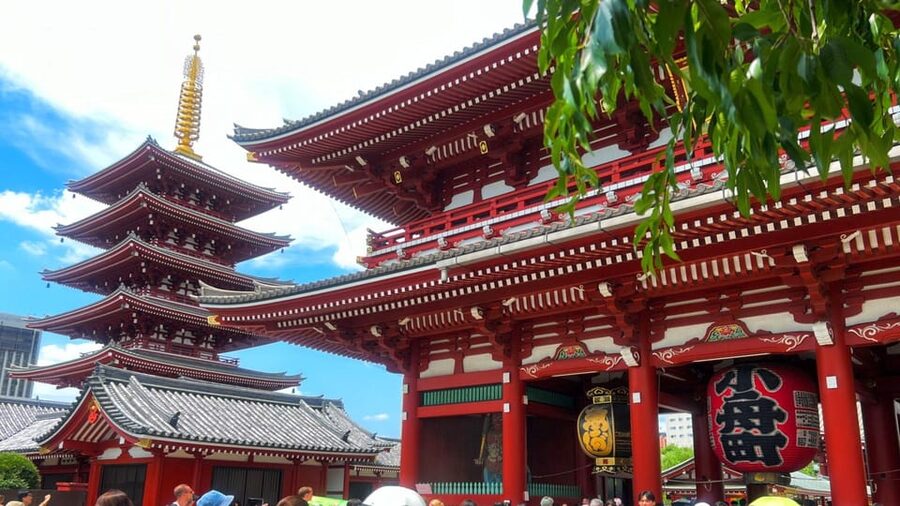
There are few places in Tokyo that feel so time-worn. This Asakusa and Sensō-ji walking tour threads you through Edo-era streets, right up to one of the city’s oldest temple sites, with a real human guide telling the why behind the sights.
I especially like two things: the compact small-group size (up to 10) that makes it easier to stay together in crowds, and the story-led way you move from landmark to landmark, including Kaminarimon Gate, Nakamise Street, Sensō-ji, and Asakusa Shrine. One thing to consider is crowd level, because you are walking through a top tourist area, so you’ll want comfortable shoes and some patience.
Key highlights worth your attention
- Small group, up to 10 people, so questions and pacing don’t get lost in the mass.
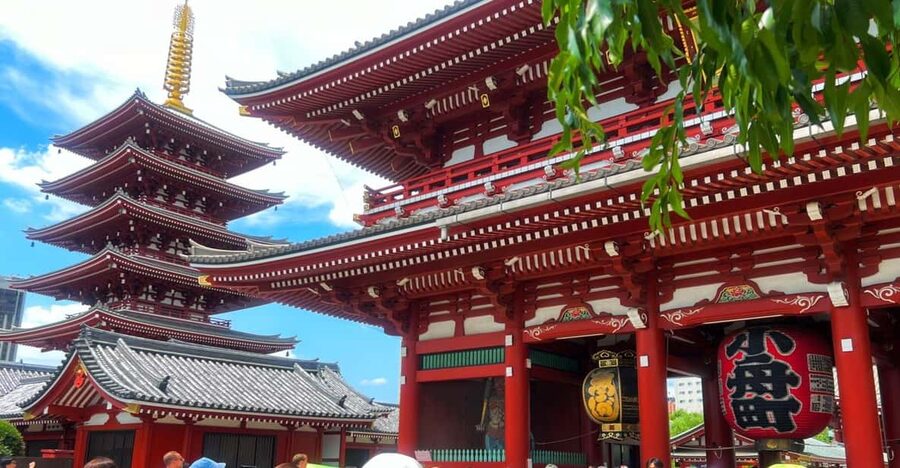
- Kaminarimon Gate photo stop, where you learn what you’re actually looking at before you take pictures.
- Nakamise Street snack and souvenir focus, with guidance on what to try and what’s meaningful.
- Sensō-ji orientation with temple etiquette tips, so you feel less like you’re guessing.
- Asakusa Shrine added to the loop, giving you a quieter, less obvious angle of the neighborhood.
Why Asakusa and Sensō-ji work as a 2-hour Tokyo intro
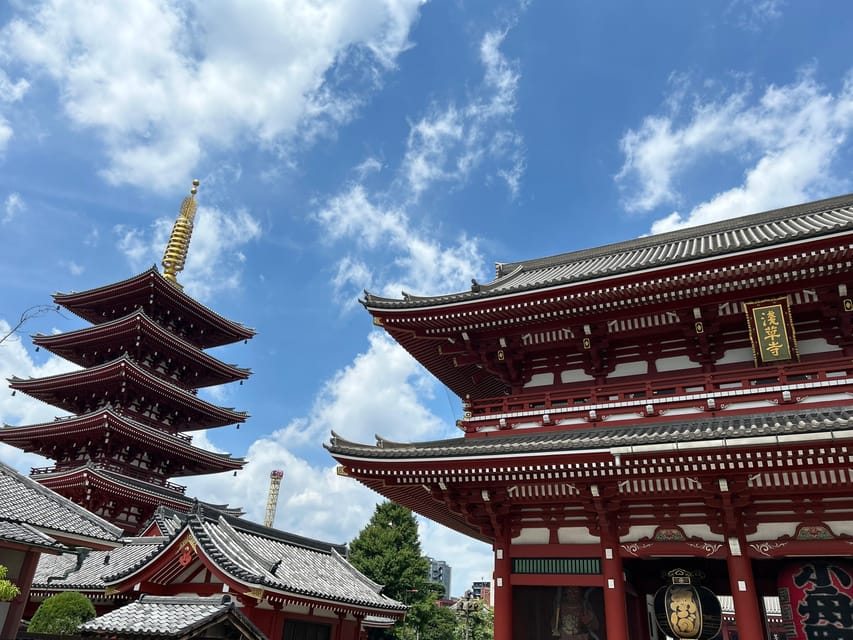
If you want Tokyo without the electronics and the rush, Asakusa is a smart starting point. You’ll see traditional streets, lantern-lined approaches, and the kind of everyday motion that makes this area feel like Tokyo’s older sibling.
Sensō-ji matters because it’s not just a pretty temple. It’s part of the city’s long memory, officially tied to the 7th century, and the surrounding area developed around it. This tour is short, so the guide’s job is to connect the dots quickly, which is exactly what I’d want on day one.
You can also read our reviews of more tours and experiences in Tokyo.



Meeting at Starbucks near Asakusa Station, and how the tour stays organized
You meet in front of Starbucks Coffee closest to Asakusa Station. The meeting point is practical if you’re arriving by train, and the exact coordinates are 35.71194609999999, 139.7979446, which can help if you’re using a map app.
One detail I like: you’re asked to download WhatsApp before you go, so the group can meet smoothly. That’s not just tech fluff. In a dense area like Asakusa, it reduces that awkward moment of trying to find a guide while everyone else is already walking.
Kaminarimon Gate: more than a classic postcard stop
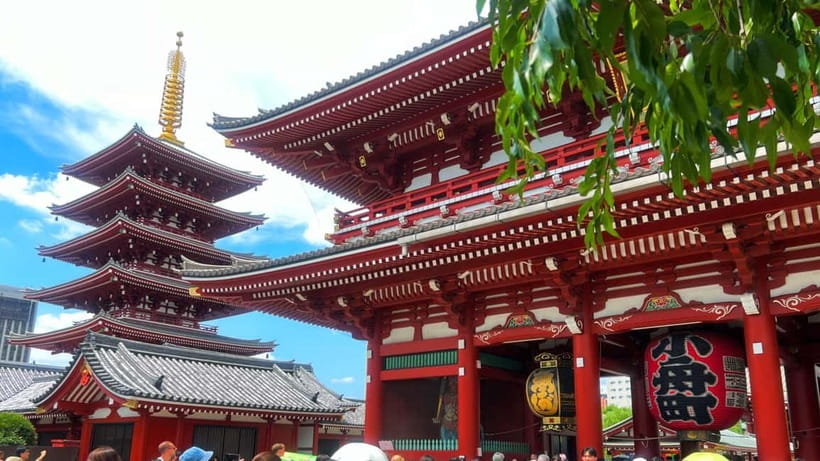
Your tour starts by heading to Kaminarimon for a photo stop, then a guided walk and tour time around the area. This gate is one of the most recognizable entrances in Tokyo, but what makes it worth your time is the context your guide adds.
Instead of treating it like a background for photos, you’ll get a sense of how this temple approach functions and why people gather here. Guides also tend to help with timing and crowd navigation, so you spend less energy stuck at the edges and more time actually seeing what’s in front of you.
Practical tip: even though this is a short stop, you’ll want to have your phone charged and your best walking route sorted. The area draws constant foot traffic, so photos are easier when you know where to stand first.
Nakamise Street: snacks, souvenirs, and how to shop without wasting time
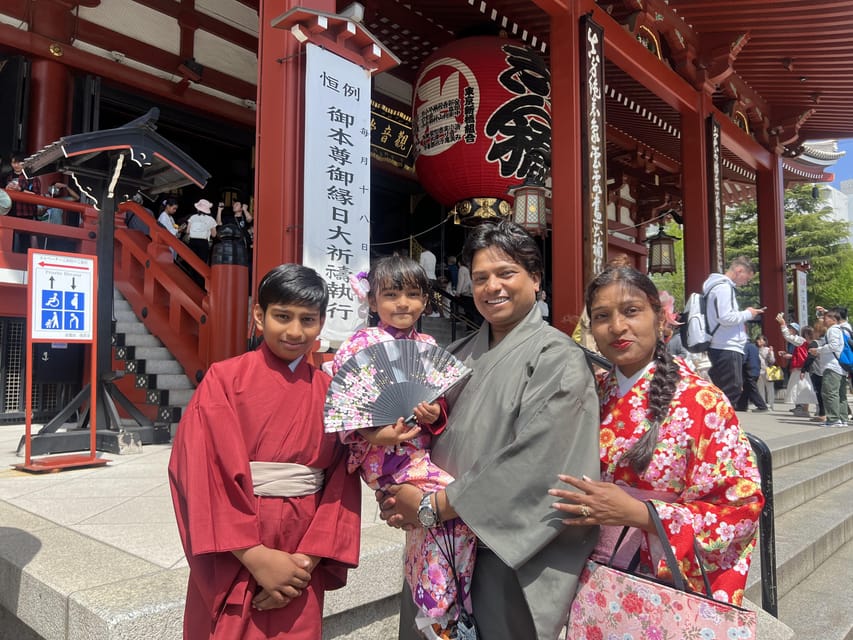
Next is Nakamise Shopping Street, where the focus shifts from temple space to the everyday market world built around it. This stretch is famous for traditional snacks and small gift items, and the guide helps you notice the difference between random tourism clutter and things worth buying.
Here’s what I find valuable: you don’t just walk through and get swept along. You get direction on what to look for and which kinds of foods and souvenirs match the culture of the place, plus time to browse without feeling lost.
Many guides in this program also share personal-style recommendations. For example, some have pointed out local favorites for eating and souvenirs with more meaning than the usual mass-produced trinkets. If you’re the type who likes to bring home one or two items you can explain, this is where you’ll get that.
Watch-outs: Nakamise can feel like a conveyor belt during peak hours. Keep your hands free for eating, bring small bills if you prefer cash, and don’t let the tempting smells make you forget where the group is heading next.
Inside Sensō-ji: learning the stories, and how to act respectfully
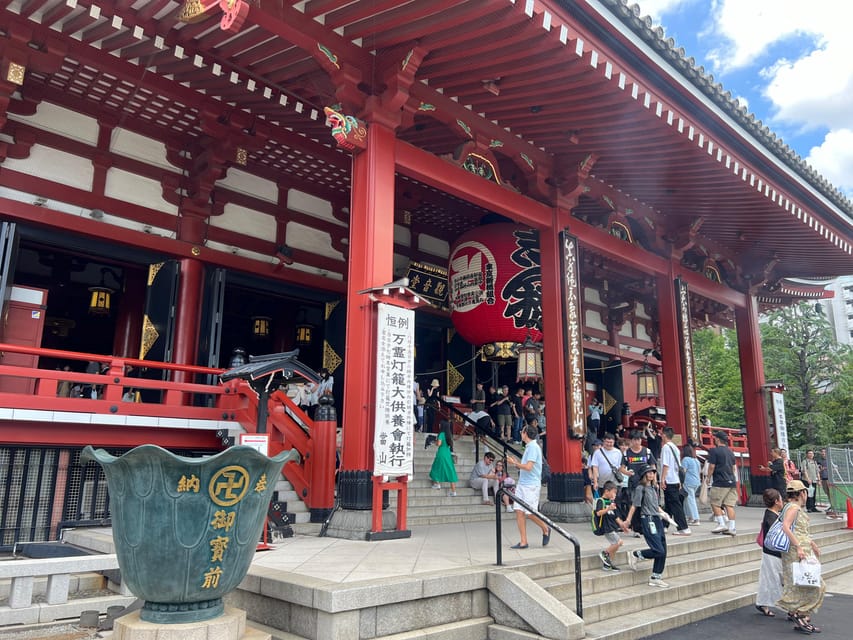
This is the anchor of the tour: Sensō-ji. You’ll get time for a photo stop and a guided tour, plus a walk that helps you understand the space as more than a checklist.
What makes this visit click is the guidance around temple traditions and how people approach religious spaces. Multiple guides have been praised for explaining how to pray and what different actions mean, so you’re not left guessing when you’re standing among people who grew up with these customs.
You’ll also hear legends and historical context tied to the temple and its role in Tokyo. The goal is not to overload you with dates, but to give you the “why” so the whole place starts to feel coherent. Since the tour is only 2 hours, that storytelling matters because it turns a busy, crowded site into something you actually understand.
Also, don’t ignore the practical side: temple areas are often noisy and crowded, and your guide’s job includes keeping the group moving without pushing you too fast. If you’ve ever felt stressed at big temples, this kind of orientation helps.



Asakusa Shrine: a quieter stop that rounds out the neighborhood
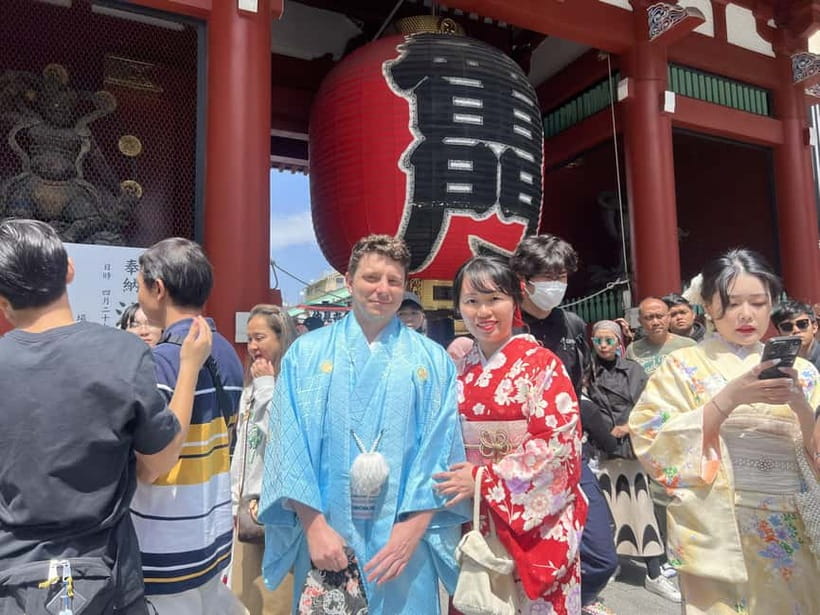
After Sensō-ji, you’ll visit Asakusa Shrine. You get another photo stop plus guided time there, and that matters because it adds variety to the experience.
Sensō-ji is the headline, but Asakusa Shrine helps you see that Asakusa is not a single monument. It’s a layered neighborhood where different sacred spaces overlap with daily life. This extra stop can be the difference between feeling like you only saw one location and feeling like you got a more complete sense of the area.
It’s also a helpful pacing tool. By the time you reach the shrine, you’ve already absorbed a lot of sensory input from Nakamise and Sensō-ji. A guided pause at Asakusa Shrine gives your brain a chance to reorganize what you saw, using a new reference point.
Pace and group size: why up to 10 people is a big deal here
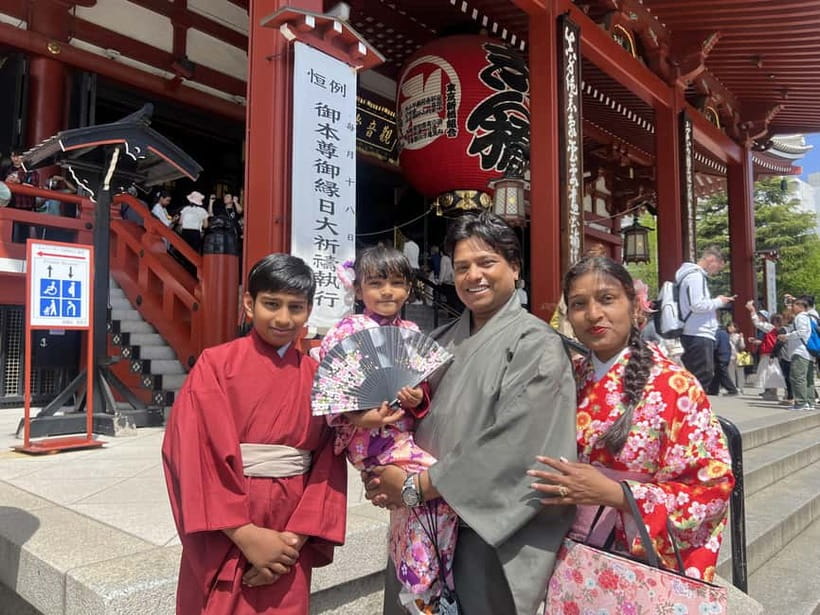
This tour caps at 10 participants. In a place like Asakusa, group size is not a small detail. It affects how often you can hear the guide, how easy it is to follow turns, and how quickly you can ask questions.
You’ll also notice the pacing is built to fit real sightseeing needs. Stops are long enough for photos and walking, but short enough that you’re not stuck for ages in one spot. The schedule also works well for first-timers, because it gives you a map of the area by covering the main nodes plus supporting streets.
One bonus from the way guides lead: they often keep an eye on cohesion. In other words, if the crowd gets tricky or someone lags behind, a good guide helps bring the group back together instead of leaving people behind to figure it out.
What $14 buys you, and where the value really shows
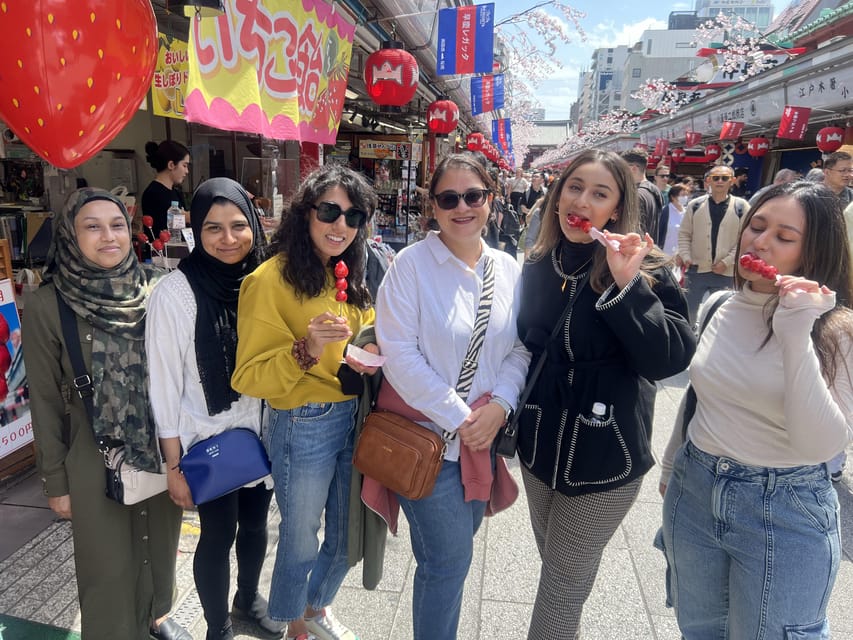
$14 per person for a 2-hour, guided, small-group walk with admissions included is strong value, especially in Tokyo where tours can swing wildly in price. The math here is simple: you’re paying mostly for the guide’s time and expertise, not for a long day tour you have to wait on.
Admissions are included for the major stops tied to the experience, including Sensō-ji. Even if you could technically visit on your own, the real benefit is how you use the time you have. You get a guided route that keeps you oriented and helps you understand what you’re seeing instead of wandering.
Another value point is the guide effect. In this program, guides are often locals and are praised for sharing less obvious insights, plus practical recommendations for food and shopping in the area. That kind of help can save you from wasting time on things that look good from a distance but don’t match what you actually want.
Who this tour suits best in Asakusa
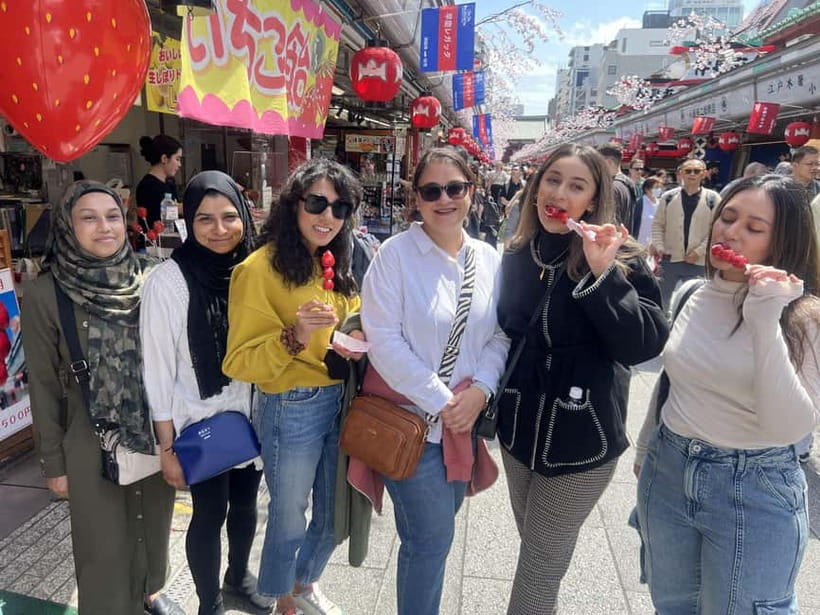
This tour is ideal if you’re trying to get your bearings in Tokyo’s traditional side fast. If you care about how places got their name, why customs exist, or how to behave at religious sites, you’ll find the explanations useful.
It’s also a good fit for people who dislike long, stressful group tours. The small group size makes it easier to keep up, and guides tend to tailor their approach to the group’s comfort, including making sure you can hear them and move at a manageable speed.
If you’re traveling with family, this type of schedule can work well because it’s short enough to keep energy up, while still hitting the main sights people come to see. Solo travelers also tend to like it because it gives structure in a crowded neighborhood, without feeling like you’re being herded from one photo to the next.
Tips to get more out of your walk
Wear comfortable shoes. You’ll be walking through temple grounds and a shopping street with a lot of foot traffic.
Keep a small buffer for crowds. Even when the schedule is well paced, the area can get packed, so plan to be patient for the next turn, not frustrated at it.
Use the guide for decisions. Ask what to eat and what souvenirs make sense. Some guides have been specifically praised for steering people toward food and gift ideas with authentic meaning, which is exactly the kind of tip that improves your whole trip.
If you want to take photos, do it with purpose. Start by getting your orientation first at key stops like Kaminarimon, then capture the shots when you understand where to stand.
Should you book this Asakusa and Sensō-ji tour?
I think you should book it if you want a fast, guided introduction to one of Tokyo’s most historically loaded neighborhoods, and you value clarity over chaos. At $14 for a 2-hour small-group walk with admissions included, it’s an efficient way to see the highlights and still come away understanding the culture behind them.
Skip it only if you prefer unguided wandering and you already feel confident about temple etiquette and the basics of what Sensō-ji and Asakusa Shrine represent. If you’re comfortable reading the signs and figuring out your own route, you might be fine doing it on your own.
In most cases, though, the guide-led storytelling, the manageable group size, and the focused route make this a smart use of limited time in Tokyo.
FAQ
How long is the Asakusa and Sensō-ji tour?
It runs for 2 hours.
What is the price per person?
The price is $14 per person.
Where do we meet for the tour?
You meet in front of Starbucks Coffee closest to Asakusa station.
Do I need WhatsApp before the tour?
Yes, it’s recommended that you download WhatsApp before meeting up so it’s easier to connect with the group.
How many people are in the group?
The group is small, limited to 10 participants.
Is the tour guided and in English?
Yes. The tour includes a live guide and the language is English.
Which places are included in the tour stops?
The tour includes Kaminarimon, Nakamise Shopping Street, Sensō-ji Temple, and Asakusa Shrine.
Are admissions included?
Yes, admission is included for the Asakusa stops listed, including Sensō-ji Temple.
What is the cancellation policy?
Free cancellation is available up to 24 hours in advance for a full refund.
Can I reserve and pay later?
Yes. You can reserve now and pay later to keep your plans flexible.
More Tours in Tokyo


More Tour Reviews in Tokyo
Not for you? Here's more nearby things to do in Tokyo we have reviewed












Asakusa Tours, side by side.
 ★ 4.8Japanese Dance Cabaret Theater Asakusa-Kaguwa TicketFrom $492,270 reviews
 ★ 4.7Meiji Shrine, Asakusa, Skytree Bus Tour and CruiseFrom $1221,986 reviews
 ★ 4.9Roll and Authentic Sushi Making Class in AsakusaFrom $581,957 reviews
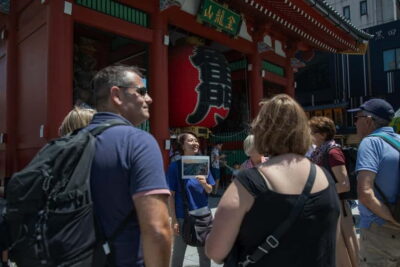 ★ 4.8Asakusa Walking Tour with Sensoji Temple VisitFrom $221,583 reviews
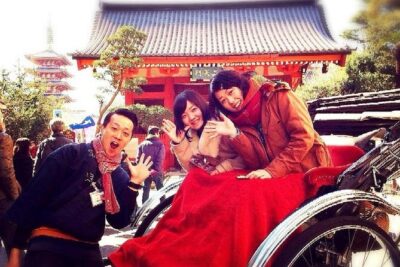 ★ 5.0Tokyo Asakusa Rickshaw TourFrom $421,375 reviews
 ★ 4.5Tokyo Panoramic 1 Day: Meiji Shrine, Asakusa, Odaiba and SKYTREE®From $851,222 reviews
 ★ 5.0Tokyo Go Kart: Asakusa, Skytree, and Akihabara **IDP MUST**From $99988 reviews
 ★ 4.7Asakusa, Skytree & Akhihabara Go-Kart City ExperienceFrom $96761 reviews
This tour also belongs to