
Review · ASAKUSA TOURS
Tokyo: Asakusa Sightseeing Tour by Rickshaw
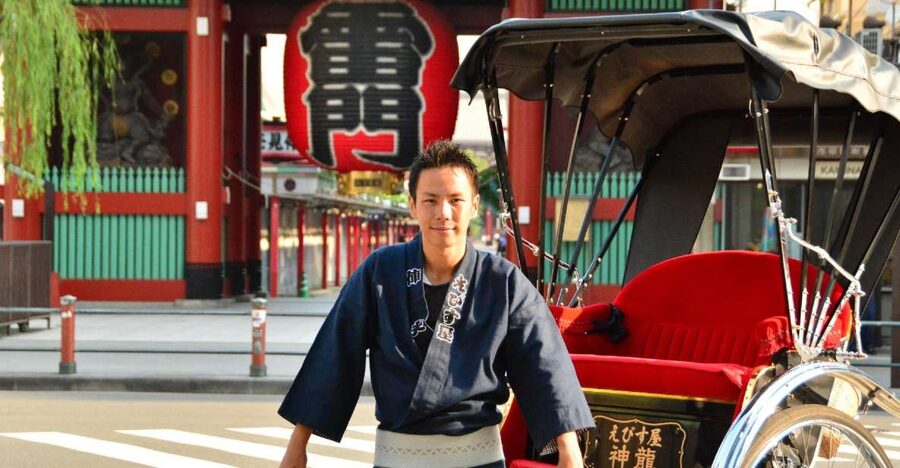
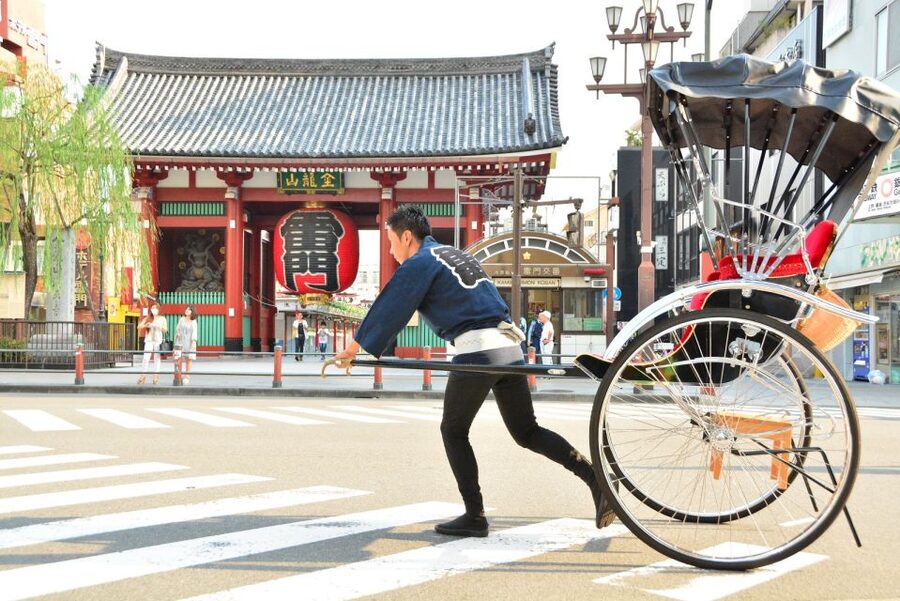
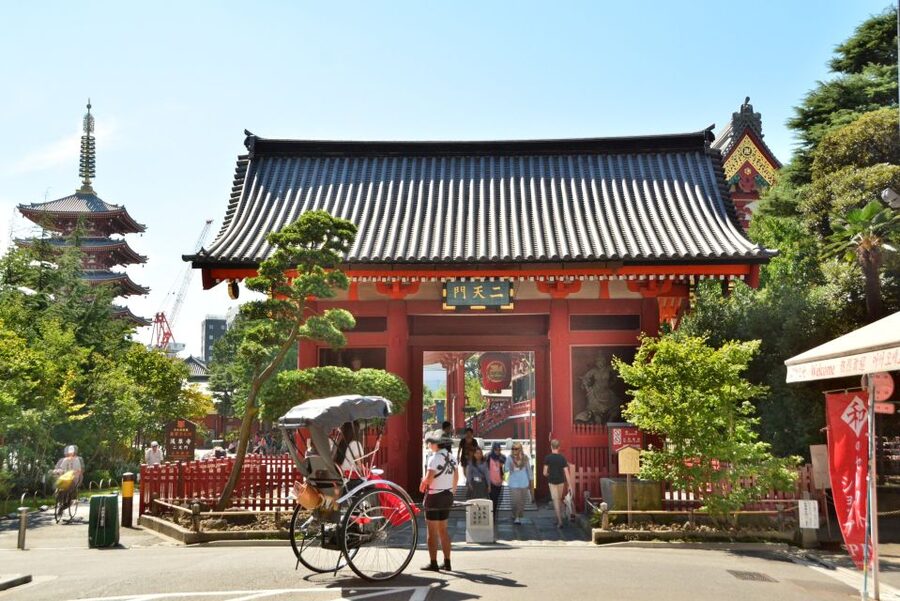
Rickshaw time travel through old Tokyo. This private Asakusa ride is one of the easiest ways to see temple streets and everyday Tokyo life in a short window, with a guide who explains what you’re actually looking at. I love the street-level views of Bentendo Hall and the Asakusa Shrine area, and I love the ritual and history context that turns a quick look into real understanding.
One heads-up: the rickshaw is narrow (29.1 inches wide), and you’ll be seated for the ride at that fixed angle. If you’re picky about comfort, or you’re sharing with more than two adults, I’d plan carefully and consider booking separate rickshaws.
Key highlights you’ll actually feel
- Private ride, local guide: you set the rhythm, not a crowded group timetable.
- Bentendo Hall and classic Asakusa landmarks: you pass the sights instead of just staring from afar.
- Sumida River plus gardens and big trees: a calmer contrast to the denser back streets.
- Sumida Park in spring: thousands of cherry trees show up here when conditions are right.
- Quirky lanes like Tanuki-doori: a different Tokyo mood, more playful and local.
- Rokku Ward and Denpoin Street: you’ll see the practical, slightly unusual side of Asakusa.
Why a rickshaw in Asakusa makes Tokyo click
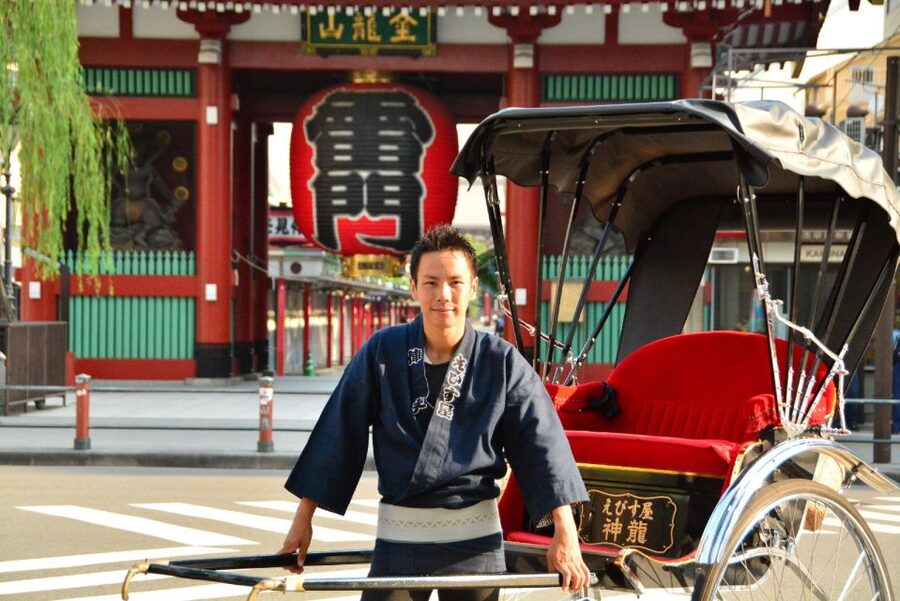
Asakusa is the kind of neighborhood where it’s easy to get distracted. One minute you’re following the crowds toward a temple gate, the next you’re buying snacks or souvenirs with no idea why the place feels so layered. A rickshaw tour helps because it slows your movement and forces attention.
You’re not just taking in views. You’re learning what to notice. Guides can point out things like why certain ritual steps matter, what you’re seeing in temple and shrine areas, and how the street layout connects older Tokyo with daily life today. The private format is a big part of the value. Instead of absorbing information at random, you can ask questions as you ride.
Also, the photo factor is real. Many guides are praised for helping with great pictures along the route, and you can feel the difference when someone knows exactly where to pause and how to frame you against the right background.
You can also read our reviews of more tours and experiences in Tokyo.
Getting to the stand at Asakusa Station without stress
Start at the rickshaw stand just outside exit #1 of Asakusa Station on the Tokyo Metro Ginza line. This matters because there are multiple stations with similar names, but different subway lines. Confirm the Ginza line on your map and then aim for that specific exit.
From exit #1, you still walk a few meters to reach the stand along the street. My practical tip: arrive a bit early, so you can settle in and avoid that last-minute scramble. You’ll also want a calm start because the first few minutes set the tone for the whole ride.
Two more small rules to keep in mind: selfie sticks are not allowed, and you’ll want to keep your phone and camera ready because you’ll have multiple natural photo stops along the way.
Asakusa Shrine area, old temples, and Bentendo Hall from street level
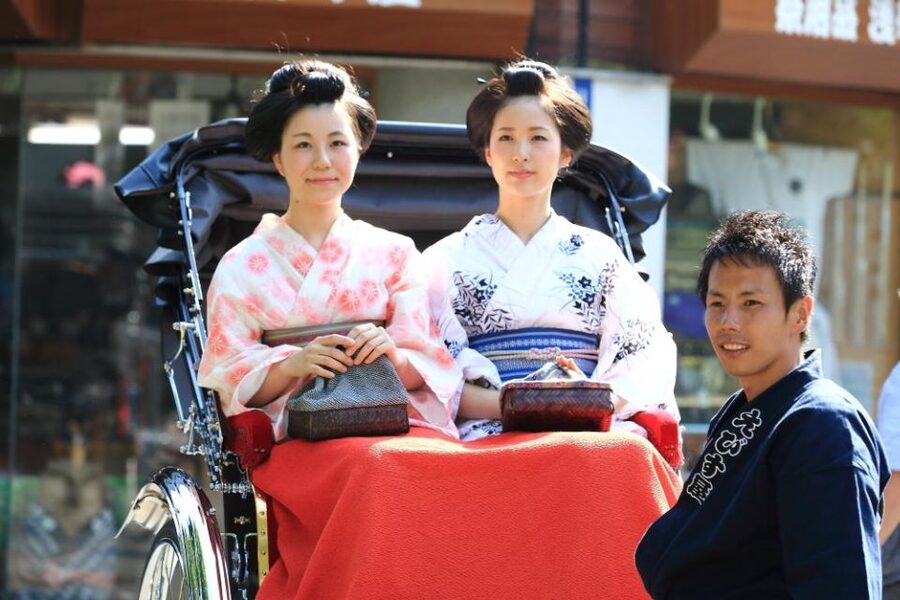
Most of your route centers on the Asakusa shrine-temple zone and the surrounding streets. One of the best parts is that you don’t have to choose between “temples” and “city life.” You get both.
You’ll see the Asakusa Shrine next to Tokyo’s oldest temple, and you’ll also pass Bentendo Hall. Riding past these places changes how you perceive them. On foot, you often end up staring at signage and crowd flow. From a rickshaw, you get a wider street view, so you can understand where the buildings sit relative to the sidewalks, alleys, and river access.
This is also where the guide explanations tend to do the most work. Some guides are specifically praised for clarifying what’s happening around smaller temple spaces, including ritual details such as washing hands and mouth and why incense is handled the way it is. Even if you’re not planning to memorize every step, those explanations help you avoid the feeling of watching from the outside.
A small consideration: temple areas can be crowded. A rickshaw ride helps, but it’s still Tokyo. The best comfort choice is to dress for slow movement and short pauses, not for a fast sightseeing sprint.
Sumida Park, cherry-tree season, and the calmer river-side feeling
Asakusa is not only about shrines. The tour also shifts toward greener stretches and the Sumida River area. You’ll spend time in Sumida Park, and the standout seasonal note is huge: it’s most resplendent in spring, when thousands of cherry trees are blooming.
If your timing lines up, this is a classic Tokyo “wow” moment. From a rickshaw, you get those tree-lined views without doing the full walking loop. You can pause, photograph, and then keep moving.
You’ll also see beautiful gardens and glorious trees during the ride. That’s a useful detail because it means the tour isn’t only stone facades and souvenir streets. It gives your eyes a break and helps the whole route feel balanced.
One practical drawback to accept: because you’re on a cart and moving through real streets, you might not get the exact perfect photo angle every single time. The advantage is that the guide can choose stops based on timing and flow, and many guides are praised for exactly this kind of photo-friendly pacing.
Tanuki-doori and Rokku Ward, where Asakusa gets quirky
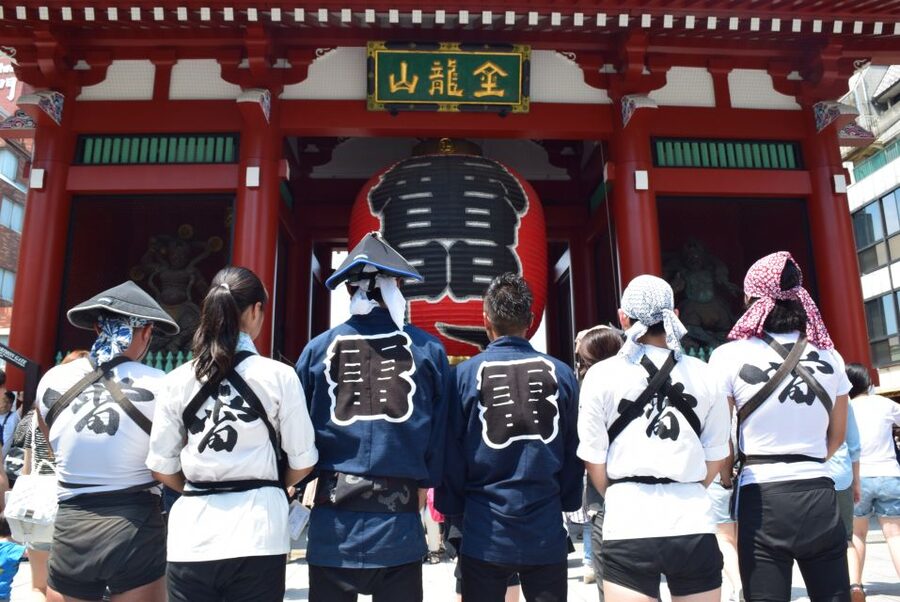
After the major landmarks, the ride leans into smaller neighborhood flavor. You’ll pass through spots described as quirky and local, including Tanuki-doori and areas tied to Rokku Ward.
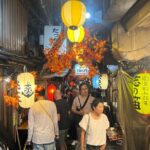
Tanuki-doori is known for its playful vibe. You’ll feel that even if you’re not shopping. It’s one of those stretches where the street energy changes, and the rickshaw helps you take it in without squeezing through everyone.
Rokku Ward is where the tour gets more unusual. You’ll see adult theaters in this historic ward. If that kind of sightseeing feels awkward, you can treat it as a cultural contrast stop: Asakusa isn’t a theme park, and the mix of old and everyday entertainment is part of what makes it honest. The guide’s explanations can also help you understand what you’re seeing without judgment.
Also part of the experience is Nishi Shitamachi, a neighborhood label you’ll hear as you move through the area. The point of including it is simple: you see more than the postcard corridor. You see the parts that feel lived-in.
Hanayashiki, Hanakawado shoe shopping, and Denpoin Street time travel
A good Asakusa tour should balance the big-name areas with the streets people actually move through. This one does.
You’ll head toward Hanakawado, described as a shoe shopping district. That’s a smart inclusion because it stops the tour from turning purely into “temples and photos.” You get a sense of what the neighborhood sells and why it draws foot traffic.
You’ll also take souvenir photos at Hanayashiki, known as the oldest amusement park in Japan. This is one of those places that instantly looks like the past, and it photographs well. The rickshaw gives you a quick visual connection without turning it into a long entry-and-wait excursion.
Then comes Denpoin Street. It’s specifically described as a street where little has changed since World War II. That’s the kind of statement that can sound dramatic until you see it for yourself, and then you get why guides like to bring you there: it’s a reminder that cities keep living while history keeps moving.
A practical note: Denpoin Street can feel narrower and more maze-like depending on day and time. Since you’re in a private cart, you can typically keep your attention on the route rather than fighting for walking space. Still, keep your expectations realistic. This is not a controlled studio set. It’s street Tokyo.
Private ride logistics, comfort rules, and who should book two carts
This tour is wheelchair accessible and stroller friendly, which is a big deal if you’re traveling with mobility needs. The private group style also helps you move at a pace that works for your crew, instead of syncing with a full bus schedule.
Now for the important comfort math. The rickshaw is 29.1 inches (74 centimeters) wide. It’s not a sofa, and bodies sit within that narrow footprint. The info also suggests you might find it more comfortable to book individual rickshaws for each passenger.
Sharing rules matter too:
- A maximum of 2 adults per rickshaw is permitted.
- Children 5 years and under ride for free if they sit on an adult’s lap (one child per adult, max two adults plus two children per rickshaw).
- If a child aged 5 wants their own seat, it must be booked as an adult.
One more small suggestion, based on real experience shared by others: if you’re traveling in cooler months, you may get blankets and heated pads during some tours, which can make the ride much easier. Don’t assume it’s always the case, but it’s worth dressing in layers anyway.
If hills slow down the ride, that’s normal. Some guides are praised for the strength it takes to pull you through busy streets and inclines. It’s not a reason to skip the tour, just a reminder to plan for the ride to feel like sightseeing, not transportation.
Price value and how to get the most from $35
At $35 per person, you’re paying for three things: the rickshaw ride, a local guide, and the ability to see multiple Asakusa areas without packing your day with extra transfers and long walks.
What’s not included: snacks and drinks. That means you should bring water or plan to buy something nearby when the tour ends. Don’t make the tour your only meal plan.
The duration options are wide: 30 to 190 minutes depending on availability. Short options work well if you’re tight on time or you just want a highlight ride to orient yourself. Longer options are for deeper wandering and extra stops, especially if you want to include places beyond the main postcard corridor.
One money-smart detail: the tour can be customized according to your interests. So instead of treating it like a fixed checklist, tell your guide what you care about most, like temples and rituals, photography, shopping streets, or that Denpoin Street historical feel.
There’s also a perk for booking the 3-hour option: you can choose a memorial gift of either a Hello Kitty doll or an original T-shirt. If you like souvenirs that feel personal, this adds value beyond the ride itself.
The guide factor: why names keep coming up
The guide is the difference between a fun ride and a memorable understanding of the neighborhood. Many standout comments center on friendliness, humor, and storytelling, plus a knack for photography.
A few guide names you might hear in real experiences with this company include Tashi and Taisei, praised for being both informative and fun. Others include Shima, described as professional and skilled at navigating busy streets, and Matcha, credited with being insightful and taking beautiful photos. Some guides like Masa and KoKo also show up in strong photo and pacing praise.
Don’t treat this as a guarantee of a specific person, but it is a useful sign of what the tour is built around: you’re not sitting passively. You’re talking, learning, and getting stops that fit your group.
Who this Asakusa rickshaw tour fits best
This is a great choice when you want:
- A quick orientation to Asakusa’s layout and key sights
- A way to see both landmarks and local streets
- A more personal style than a set walking group
- Help with context, especially around temple and shrine culture
It’s also a solid pick for families, because kids can ride in specific ways and the tour is stroller friendly. For solo travelers, a private ride can feel extra rewarding because you get attention and photo support without competing for space.
Skip or rethink if:
- You’re pregnant. The tour is not recommended for people in their first 16 weeks of pregnancy, and it’s listed as not suitable for pregnant women.
- You expect a high-speed, get-around-Tokyo transport plan. This is sightseeing at a slower, human pace.
Should you book this Asakusa rickshaw tour?
If your goal is to see Asakusa efficiently while still understanding what you’re seeing, I’d book it. The biggest reason is simple: the combination of private pace and guide context makes the ride feel like more than a photo stop.
I’d book the longer option if you want time for multiple neighborhood vibes and a better chance at seasonal magic like Sumida Park cherry blossoms. I’d book the shorter option if you want a fun orientation that slots cleanly into a busy Tokyo day.
One final practical move: wear comfortable shoes and keep layers handy. If you plan to rent a kimono, it can make the rickshaw experience feel extra complete, since the ride is all about visual contrast between traditional outfits and old streets.
FAQ
How long is the Tokyo Asakusa rickshaw sightseeing tour?
The tour duration ranges from 30 to 190 minutes. Starting times depend on availability.
What is included in the price?
The price includes the rickshaw ride and a local guide.
Where exactly do I meet for the tour?
Meet at the rickshaw stand located just outside exit #1 of Asakusa Station on the Tokyo Metro Ginza line. You may need to walk a few meters from the station exit to reach the stand.
Is the tour wheelchair accessible?
Yes. It is listed as wheelchair accessible and stroller friendly.
How many people can ride in one rickshaw?
A maximum of 2 adults is permitted per rickshaw. Children 5 years and under can ride for free if they sit on an adult’s lap (one child per adult). If a child 5 has their own seat, they must book as an adult.
Are selfie sticks allowed?
No. Selfie sticks are not allowed.
Can I cancel and get a full refund?
Yes. Free cancellation is available up to 24 hours in advance for a full refund.
More Tours in Tokyo
More Tour Reviews in Tokyo
Not for you? Here's more nearby things to do in Tokyo we have reviewed


Asakusa Tours, side by side.
 ★ 4.8Japanese Dance Cabaret Theater Asakusa-Kaguwa TicketFrom $492,270 reviews
 ★ 4.7Meiji Shrine, Asakusa, Skytree Bus Tour and CruiseFrom $1221,986 reviews
 ★ 4.9Roll and Authentic Sushi Making Class in AsakusaFrom $581,957 reviews
 ★ 4.8Asakusa Walking Tour with Sensoji Temple VisitFrom $221,583 reviews
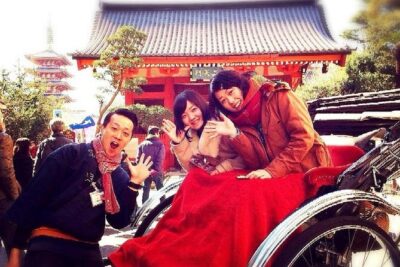 ★ 5.0Tokyo Asakusa Rickshaw TourFrom $421,375 reviews
 ★ 4.5Tokyo Panoramic 1 Day: Meiji Shrine, Asakusa, Odaiba and SKYTREE®From $851,222 reviews
 ★ 5.0Tokyo Go Kart: Asakusa, Skytree, and Akihabara **IDP MUST**From $99988 reviews
 ★ 4.7Asakusa, Skytree & Akhihabara Go-Kart City ExperienceFrom $96761 reviews
This tour also belongs to