
Review · TOKYO SAMURAI EXPERIENCES
Tokyo : Authentic Samurai Experience in a Private Space.
Sword drills in a quiet old house, in Tokyo. This private samurai experience walks you from kimono dressing to a controlled sword fight. I especially love the chance to handle a real sword while learning proper etiquette, not just posing for photos. One thing to consider: it is physical and not suitable for people with mobility impairments, pregnant women, or kids under 10.
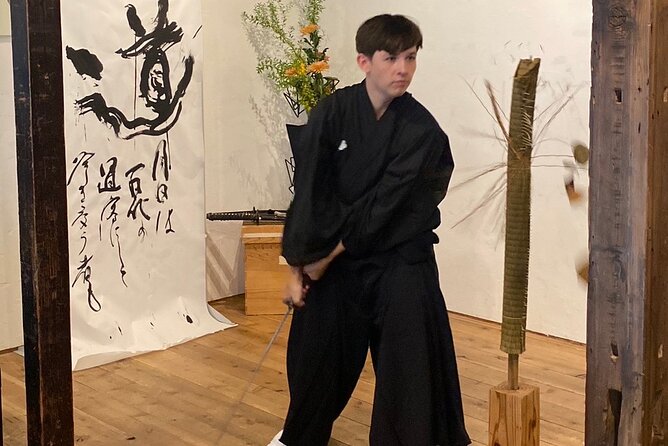
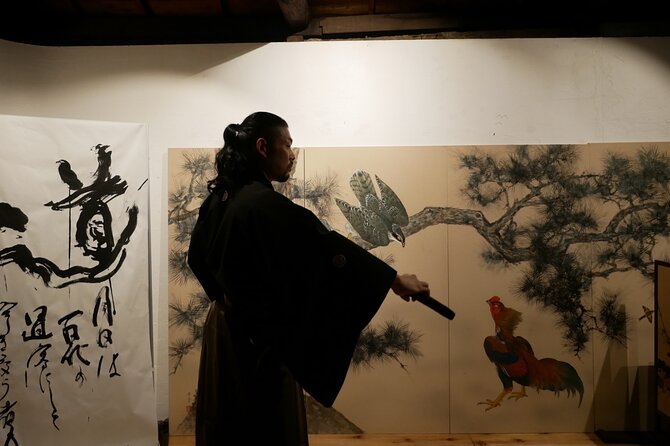
What makes it feel real is the setting, an old private house where you also get that classic Japan photo moment. You’ll learn in English with a Japanese instructor, and you end with Japanese tea and time to talk with the small group.
Key highlights at a glance
- Kimono dressing first so the rest of the training feels natural and on-theme
- Sword etiquette + basic handling taught from scratch, even if you have zero experience
- Real katana practice with safety rules explained before you move
- Controlled sparring with a real samurai while safety stays front and center
- Tea time after training in the old house, plus photos and conversation
- Small group size (up to 3) for more attention during the lesson
Your 90 minutes in a private Tokyo samurai space
This is not a “stand in line and watch” kind of activity. It’s a short, focused 90-minute session in a private space in Honshu, Japan, built around hands-on practice. The group stays small, limited to 3 participants, which matters because sword training needs correction and pacing, not crowd noise.
You meet near a signboard, then follow the arrow to the entrance. Plan to arrive a few minutes early, because you’ll start with getting dressed and settling in. The instruction is Japanese and English, so you can actually understand what you’re doing, not just copy movements. And because it is a short block of time, it fits well into a day of Tokyo sightseeing without eating your whole afternoon.
A quick heads-up on the vibe: it’s traditional, but it’s also practical. You’ll be taught how to hold, swing, and move with care, and you’ll get a safety talk so you know what is expected. Also, if your plans are flexible, free cancellation is offered up to 24 hours in advance, and there is reserve now, pay later.
You can also read our reviews of more private tours in Tokyo

Kimono dressing in an old private house (and why it matters)
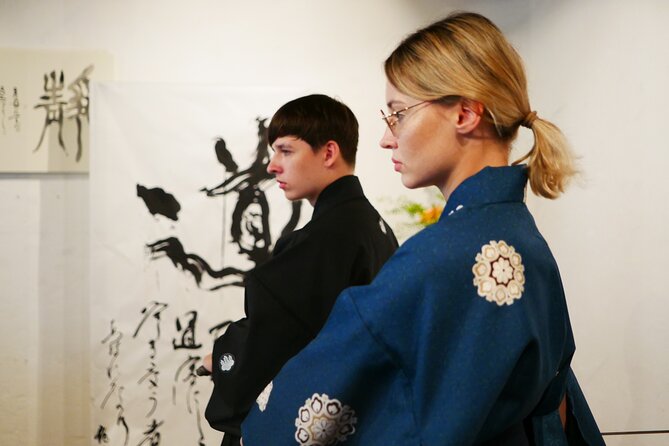
The experience starts with dressing in a kimono. This isn’t just a costume moment. It sets your body position, posture, and sense of routine for the training that comes next. Getting dressed properly also helps the instructors keep everyone aligned, especially because sword practice depends on stance and spacing.
Many people remember this part most because it feels like a time jump. After you’re dressed, the old house becomes your backdrop. You’ll also have the chance to take a typical Japanese photo in that traditional interior setting, the kind you can’t easily recreate elsewhere.
If you’re wondering who helps with the practical parts, the host can support you through the kimono process and help capture photos. In one account, the host Yukari is specifically mentioned as friendly and attentive, helping with dressing and serving tea later. Even if your Japanese is basic, you’ll have clear guidance before you go near the sword.
One small consideration: this is a hands-on training setting, so wear comfortable footwear and be ready for movement while you’re getting dressed and changing your clothes.
Bushido etiquette lesson before you swing anything
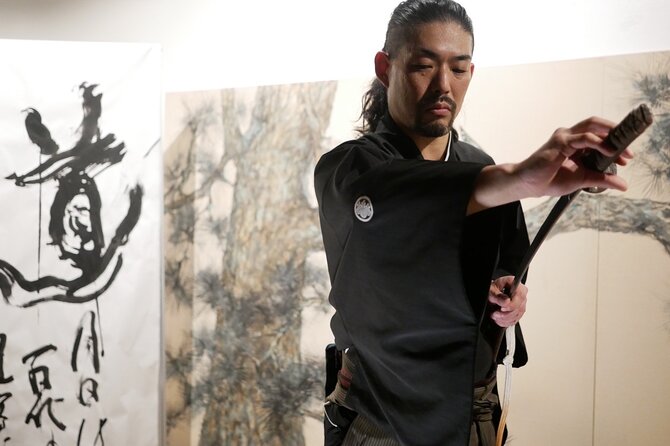
Before any sword work, you learn the basics of samurai etiquette and how to handle the weapon properly. This is the part that keeps the experience from turning into a simple stunt. The instructor teaches you how to move, how to hold the sword, and how to understand what the movements mean in the bushido mindset.
The key is that it starts from scratch. You don’t need martial arts background to get value here. You’ll be taught how to pull and sheath safely, how to stand, and the etiquette that goes with sword work. That matters because good technique is not just about power, it’s about control.
Safety is explained clearly too. You are told that no one will point the blade at you. If you are sensitive to the sword’s edge, you should say so before things start. That is a good rule to know ahead of time, because comfort and safety should come before the performance.
Also note the language support: the instructor works in English (with Japanese as well). That can make a big difference when instructors are correcting your stance or foot position.
Wielding a real samurai sword: what practice feels like
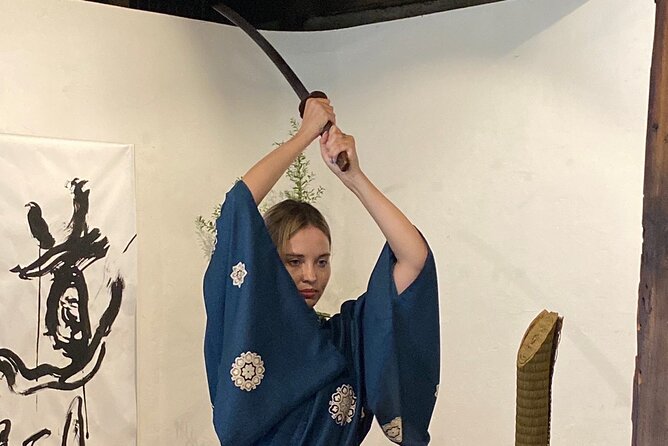
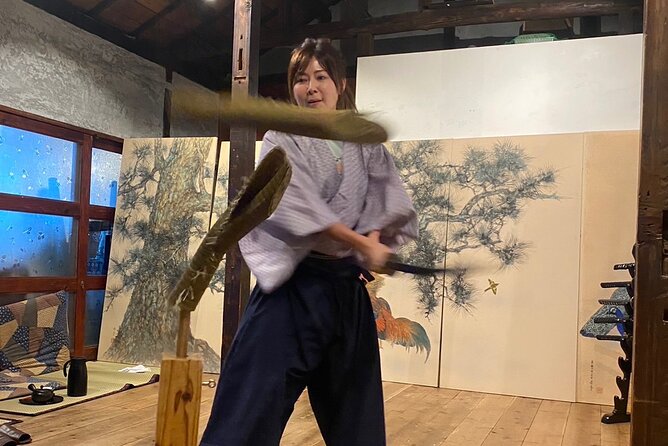
Once you’re trained on etiquette and basic handling, you move into actual sword practice. You’ll learn how to swing and move with the sword rather than just rehearsing a single pose. The “real sword” part is a major reason this experience costs what it does. It turns the session into real instruction, not a themed photo op.
In accounts from different backgrounds, the class covers multiple elements like pulling and sheathing, stances, and swing mechanics. One person who practices historical European martial arts (HEMA) described the training as structured, including practice swings and focus on how the cut works rather than only memorizing the show sequence.
There may also be a cutting moment. A highlight that came up is tatami cutting, described as fun and doable even for someone new to that particular motion. Another person mentioned trying cutting from a seated position after improving the standing technique. The exact balance of drills can vary, but the training style is consistent: you practice the movements enough to feel the logic of them.
If you’re someone who likes learning how tools work, here is a smart move. Ask the instructor if they can show the sword’s construction by taking it apart. One account says this was done willingly, and it was interesting for anyone curious about how the katana is made. Even if it is not always offered on every day, it’s an easy question to ask respectfully.
One more practical note: this is not a lazy activity. You will use your arms, core, and legs to move in stances. If you’re expecting a gentle cultural talk only, you might feel surprised.
The sparring moment with a real samurai, controlled and safety-first
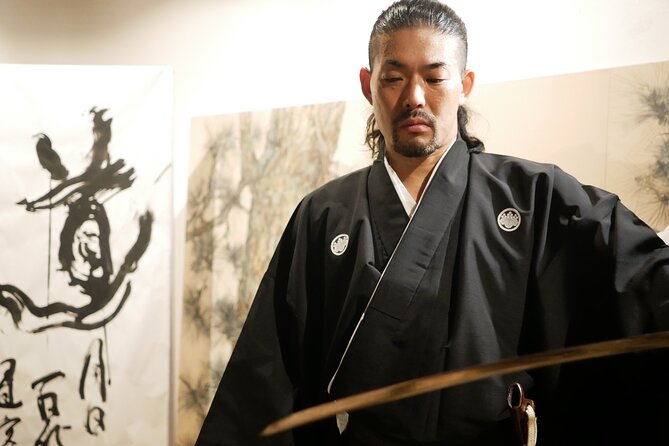
The finale is the part that sounds most dramatic: you fight against a real samurai with a sword. The important word here is controlled. The experience explicitly says safety is taken into consideration, and you are reminded that blades are not pointed at you.
So how does it feel? Think choreography plus coaching. You are not being asked to win a battle. You’re learning how a samurai-like exchange works in a way that teaches spacing, timing, and respect for the weapon.
If you are unsure about how strict the motions will be, you can look at how the program is built. It takes you from etiquette to practice swings and only then to a confrontation-like segment. That sequence helps keep the sparring grounded and understandable.
One drawback for some people is that the sword phase can feel intense even when it is safe. If you dislike loud concentration or physical exertion, this may be more than you bargained for. Still, the instructors are there to correct you and keep you comfortable.






Tea time and photos: the reset after the sword work
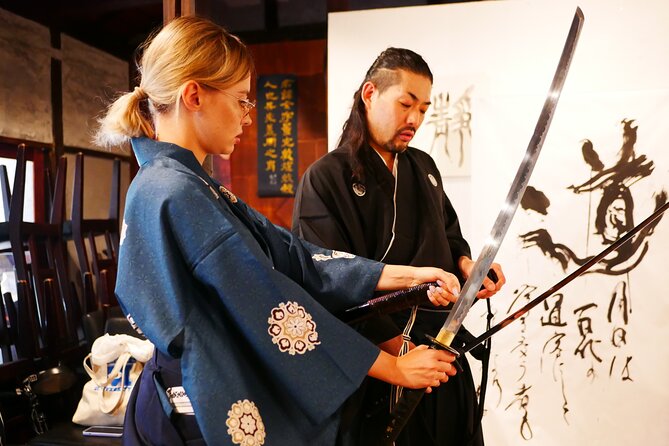
After training, you get Japanese tea served in the old house. This is not just a snack. It gives you a breather and lets the experience settle in. You can talk with other participants, ask questions, and cool down your body after using your arms and legs.
Tea also fits the theme. Bushido is not only about action. It’s also about calm and rhythm. Taking a few minutes with tea helps you connect what you practiced to the cultural idea behind it.
You’ll also get help with photos during the experience, including the kimono look against the traditional interior. If you care about pictures, this is a good time to slow down and ask for a specific shot idea once you’re dressed. The host often handles videos and photos, so you don’t need to juggle your own phone while keeping the training moving.
Price and value of $322 per person
At $322 per person for 90 minutes, this is not a budget activity. You are paying for a small group size, instructor time, a traditional dressing session, tea, and the biggest cost driver: a real sword and guided practice with it.
Here’s the value math that tends to make sense for this type of experience:
- You are getting hands-on instruction, not just watching.
- The session includes multiple parts in one package, kimono, etiquette teaching, sword practice, and sparring.
- The group stays tiny, so correction and attention matter.
- You train in a traditional private-house setting, which adds atmosphere without turning into a costume-only show.
Is it worth it if you only want a quick samurai photo? Probably not. But if you want a real skill lesson and a short story you can walk away with, the price can feel justified. The key is setting your expectations: you’re buying a training session with cultural framing, not a museum walkthrough.
Who should book, and who should skip
This program is described as enjoyable for men and women, and it works well for people who want samurai and bushido from scratch. If you’re curious about Japanese culture, this is also a good way to get out of the “see it, move on” routine.
That said, it has clear limits:
- Not suitable for pregnant women
- Not suitable for people with mobility impairments
- Not for children under 10
- Scooter is not allowed
Also, it involves sword handling practice and movement in stances. So if you have injuries, stiffness, or you know you cannot do physical activities comfortably, you should consider a different type of Tokyo experience.
If you do fit the requirements, you’ll likely enjoy it most if you like structured instruction and you want to understand etiquette, not just swing a sword for a minute.
Should you book this Tokyo samurai experience?
If your ideal Tokyo day includes something hands-on, you should book. This works especially well when you want a short time commitment, a small group, and an experience that teaches etiquette alongside the physical drills.
I would skip it if you want only passive culture, or if the idea of sword work makes you uneasy even with safety rules in place. It’s also a hard no for anyone who falls outside the provided suitability guidelines.
My practical recommendation: go in with patience. You’ll learn a lot in 90 minutes, but the instructor can only correct so much. Focus on basics, listen for stance and timing cues, and ask questions during the tea portion. If you’re the curious type, ask about the sword construction too, and see if the instructor can show it.
FAQ
How long is the Tokyo samurai experience?
It lasts 90 minutes.
What happens during the session?
You start by dressing in a kimono, then a professional instructor teaches samurai etiquette and sword handling. You practice swinging a real sword and then fight against a real samurai with a sword. After the experience, you are served Japanese tea.
Is this a small group activity?
Yes. The group size is limited to 3 participants.
What languages does the instructor speak?
The instructor speaks Japanese and English.
Is a real sword used, and how is safety handled?
A real sword is used, and safety is taken into consideration. You are told that no one will point the blade at you. If you do not like the edge of the blade, you should tell staff first.
Who is the experience not suitable for, and is scooter allowed?
It is not suitable for pregnant women, people with mobility impairments, and children under 10 years. Scooter is also not allowed.
More Private Tours in Tokyo



More Tour Reviews in Tokyo
Not for you? Here's more nearby things to do in Tokyo we have reviewed












Tokyo Samurai Experiences, side by side.
 ★ 4.6Samurai Ninja Museum Guided tour and ExperienceFrom $271,010 reviews
 ★ 5.0Samurai Sword & Archery Class from Samurai DescendantFrom $193603 reviews
 ★ 5.0Best Samurai Experience in TokyoFrom $65458 reviews
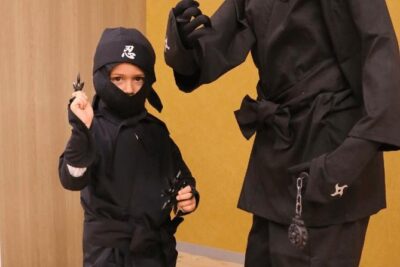 ★ 5.0Ninja Experience (Family Friendly) at Samurai Ninja Museum TOKYOFrom $47441 reviews
 ★ 4.6Samurai Entertainment Night Show in Kanda ShrineFrom $41417 reviews
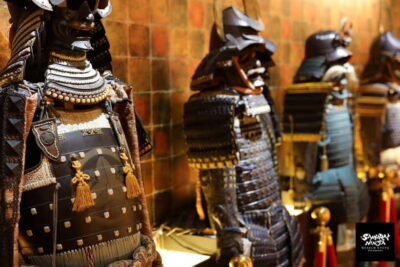 ★ 4.8Samurai Ninja Museum Asakusa: Samurai Sword Lesson & TourFrom $63306 reviews
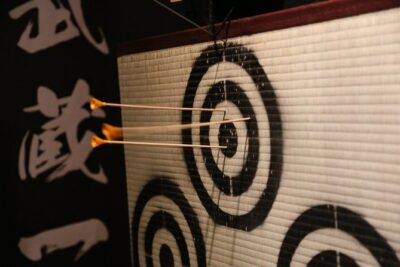 ★ 5.0Ninja Samurai 2-hour hands-on lesson by Japanese master in TokyoFrom $86194 reviews
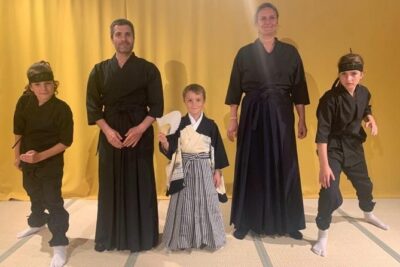 ★ 5.0Samurai Sword Experience (Family Friendly)at SAMURAI MUSEUM TOKYOFrom $65168 reviews
This tour also belongs to