
Review · TOKYO CITY TOURS
Discover Japanese Coffee Brewing Experience at Tokyo
Coffee has a calm kind of drama.
This 2-hour workshop in central Tokyo teaches you Japanese-style brewing step by step, then lets you taste what changes when you change the technique. I love how hands-on it is, especially the practical hand drip practice, and I also like the structured cupping session that trains your palate for acidity, body, and aftertaste. One drawback to plan for: you only get a short run time, so it is not a long practice course if you want to master every method at home.
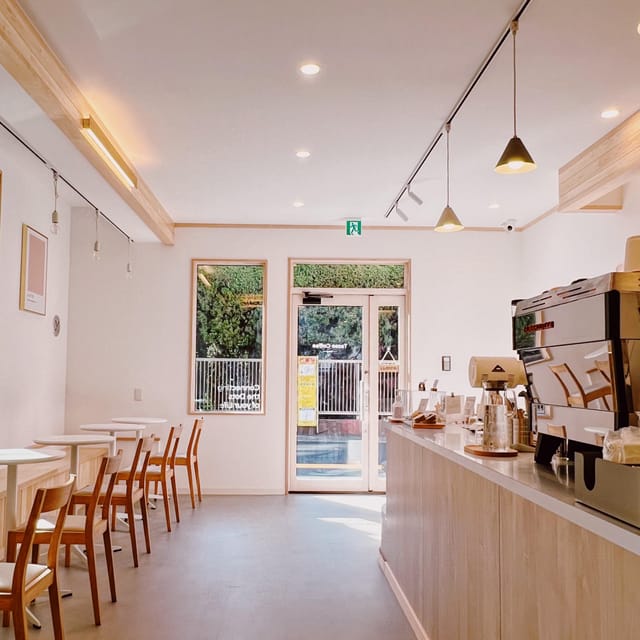
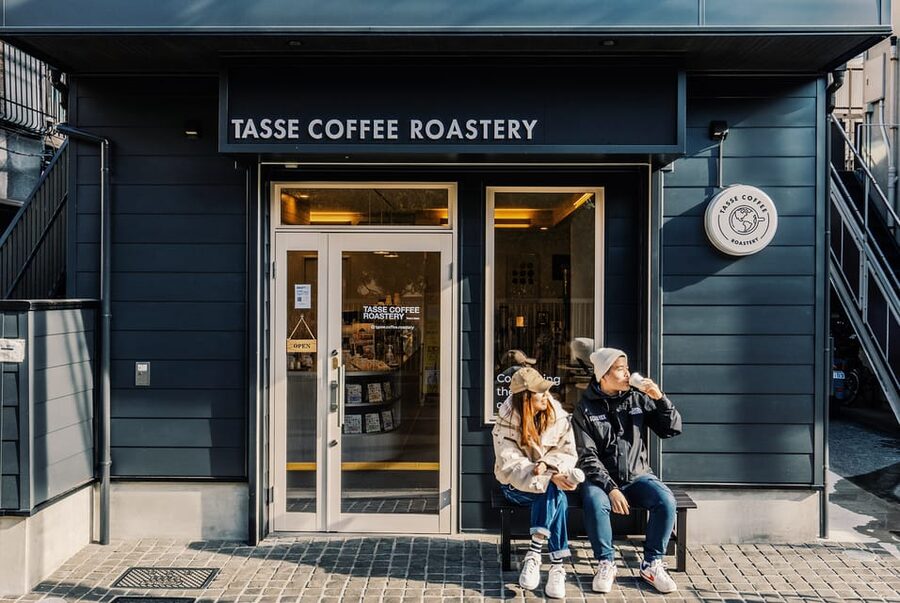
The setting helps. The workshop takes place in the roastery at Tasse Coffee Roastery, with a comfortable setup in natural wooden tones that makes the whole session feel more like a focused class than a demo. You can also expect small group attention, plus the option of a private group format if you want a quieter, more tailored pace.
Key things I’d plan around
Three Japanese-style brews in one session: siphon, Kyūsu, and hand drip
Guided cupping so you learn how to read flavor, not just drink coffee
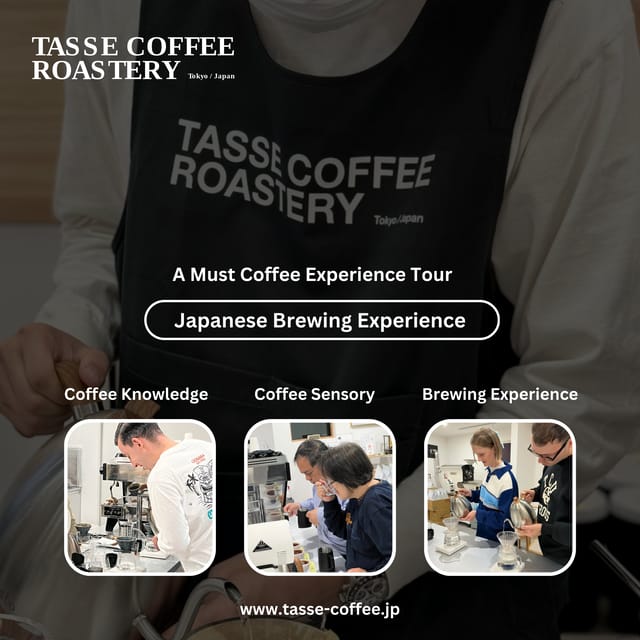
Hands-on practice with all equipment provided, so you focus on technique
Japan coffee culture context tied directly to what ends up in your cup
English instruction (plus Japanese), useful even if you already live in Japan
Tasse Coffee Roastery in Tokyo: a class with the right mood
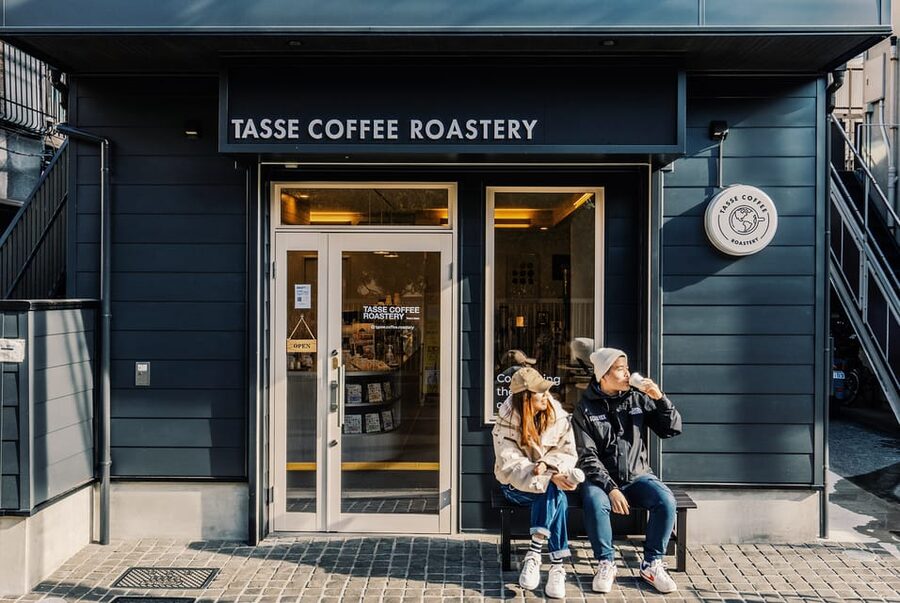
The experience runs out of Tasse Coffee Roastery in Tokyo, and the venue matters more than you might think. You are not just watching someone pour. You are in a real working roastery space, designed with soothing natural wood tones, which makes it easier to concentrate on fine details like water temperature and aroma.
A big plus is the small group size and the private group option. Smaller groups usually mean more correction and more chances to taste side by side. If you like a calm, controlled pace where you can ask questions, this setup fits better than a large group tour that moves you along.
More Tokyo tours and experiences for the shortlist
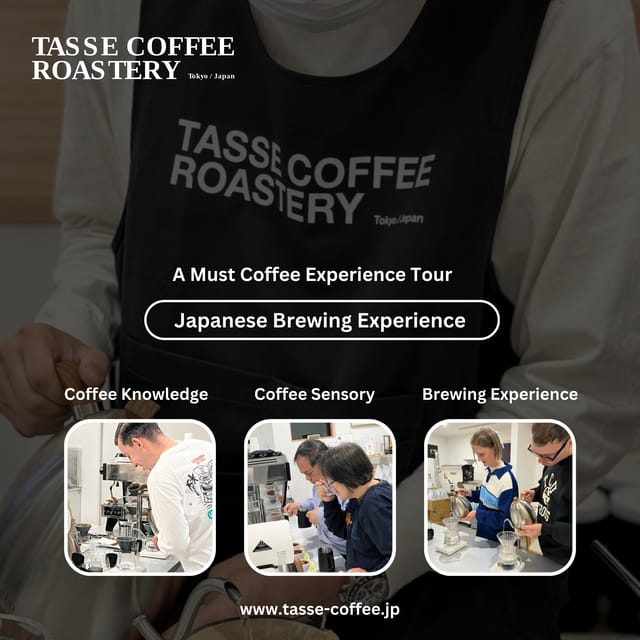
The 2-hour flow starts with beans, roasts, and the Japan coffee story
You begin with an introduction that goes beyond “coffee is great.” The session covers coffee history and culture in Japan, then shifts into practical fundamentals: how to think about different beans and roasts, and how coffee moves from farm to cup.
This first section is valuable because it gives you a framework for the rest of the class. When you later taste differences in siphon, Kyūsu, and hand drip, you are not guessing. You are applying a set of ideas about roast level and bean character that the instructors keep referring back to.
Cupping exercise: training your nose and palate for real differences
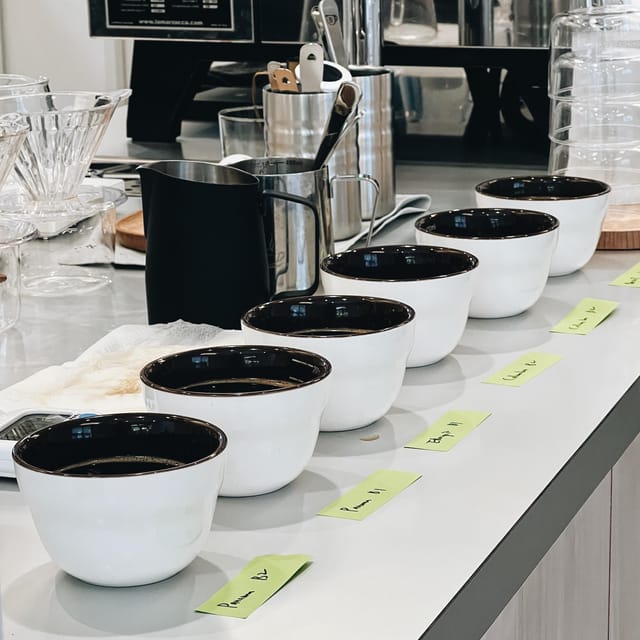
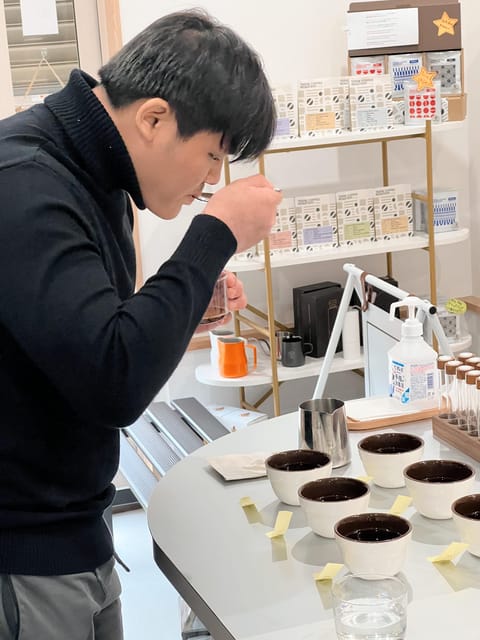
Then comes the cupping exercise, one of the most praised parts of the experience because it actively teaches you how to taste. You get an intro to cupping and why it matters, and you do guided coffee tasting to understand flavor profiles.
Instead of just saying this one is good, you learn to identify things like:
aromas
acidity
body
aftertaste
That skill transfers straight into how you choose coffee later. After cupping, you tend to notice if a coffee feels sharp or rounded, if the texture is lighter or thicker, and how the flavor hangs around after swallowing. It is also a great equalizer for mixed experience levels. If you are brand-new to specialty coffee, cupping gives structure. If you already brew at home, it sharpens your vocabulary and your observations.
Siphon brewing: Japanese-style precision with a showy payoff
Next you move into brewing methods, starting with the siphon. This is the visually engaging one, but the point is not the drama of bubbles. The instructors walk you through the history and elegance of the siphon method, then you see and practice the technique yourself.
What makes siphon interesting for many people is how clearly it shows cause and effect. You adjust the process, and the coffee you get tends to reflect those choices. The workshop emphasizes how siphon brewing impacts coffee flavor, so you taste with a purpose.
In practical terms, siphon brewing is a good choice if you like structured steps. You can actually feel the workflow: the setup, the heat, the draw, then the final pour. Even if you do not plan to buy a siphon at home, it teaches you to pay attention to how brewing conditions influence what lands in the cup.
Kyūsu (急須) method: turning a Japanese teapot into coffee brewing
After siphon, you try the Kyūsu method. This is a clever adaptation of a traditional Japanese teapot used for coffee brewing. You learn techniques for using a Kyūsu and then you compare its taste profile with the other methods you have tried.
Why this matters: it gives you a different kind of control. You are not just switching between brewing devices. You are changing how coffee interacts with the vessel and the process, and your tasting becomes more specific. When you compare methods, you start noticing patterns, like which method tends to feel cleaner or how the same bean can shift in acidity and body.
This part also feels especially authentic because it connects coffee to an existing Japanese object and routine. It is the kind of translation that makes you go, Oh, I get why coffee found a place here.
More Tokyo tours and experiences for the shortlist




Hand drip method: the technique you can repeat at home
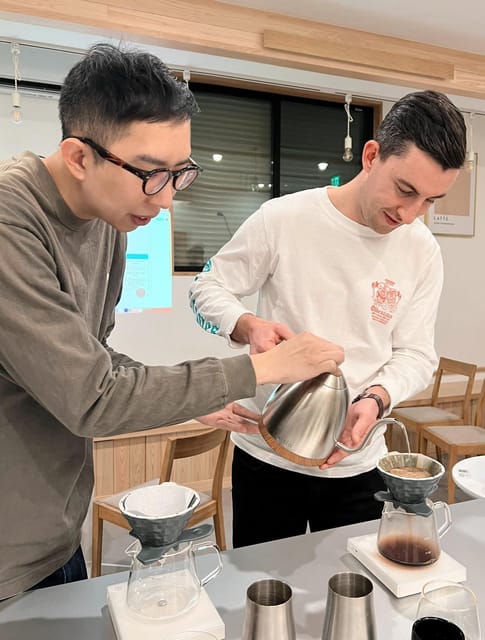
Finally, you get the hand drip method, which is often the highlight for people who want something practical. You learn the art of hand drip brewing, focusing on water temperature and pouring technique, then you practice and taste.
This is where the workshop’s hands-on approach really pays off. The instructors guide you through the steps, but you also do the work. If you want a method you can recreate later, hand drip is usually the best return on investment. The workshop teaches you the basics clearly enough that you can take your notes home and attempt a similar brew without needing a complex setup.
One practical win from this method: it trains your timing and your pouring consistency. Even small changes can affect extraction, and the class gives you a chance to notice those differences during the session rather than discovering them later with a random bag of beans.
Tasting comparisons and coffee selection tips that actually help later

Throughout the workshop, you do tasting comparisons. You try various coffee blends, then compare the flavors across the brewing styles. You also get insights into coffee selection, which matters because “best coffee” depends on what you like.
If you are paying $116, your time should convert into future choices. This class helps you do that. After you have tasted coffees under different methods, you can better predict what to look for based on the cup you enjoyed. Prefer more structure and clarity? You can start steering toward methods and roasts that fit that preference. Want more body or a rounder aftertaste? You have a better sense of what to request or look up.
Also, because equipment and quality beans are provided, you do not waste this learning time juggling gear. You focus on process, tasting, and comparison, then decide what you want to replicate.
Price and value: $116 for three methods, cupping, and full gear
At $116 per person for a 2-hour experience, the headline question is simple: is it worth it?
For me, it looks like solid value because the price is paying for more than coffee. You are paying for:
expert instruction during hands-on brewing
a guided cupping session with structured tasting goals
access to all brewing and tasting equipment
quality beans used specifically for the workshop
multiple brewing methods in one sitting, not just one demo
If you tried to recreate this on your own, the cost often shifts into equipment purchases, trial-and-error coffee experiments, and the time cost of learning. Here, your time is compressed into a guided package with tastings baked in.
There is an optional extra too: an exclusive coffee tasting kit is available for purchase. If you like the session and want to keep practicing, this can be a useful add-on, but it is optional.
Who this workshop is best for, and who may want a different option
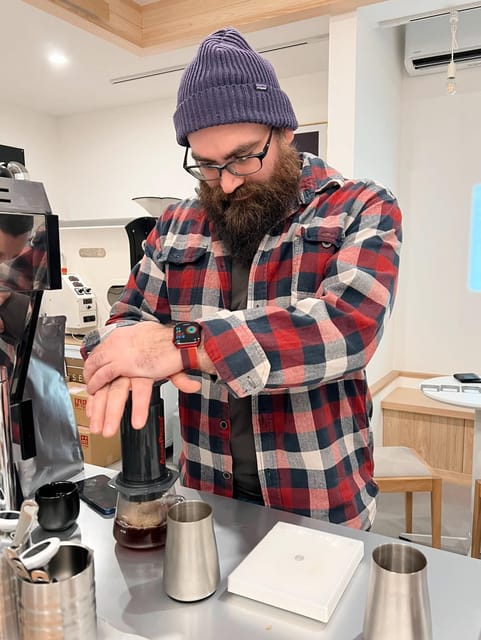
This workshop is well suited for adults and teens who want practical coffee skills, not just a photo-and-sip experience. It is explicitly not suitable for children under 16, so plan on it being a more grown-up, focused setting.
It is also a strong fit if you already live in Japan or you already brew at home. One reason is the language setup: instruction is available in English and Japanese, and having the chance to learn the techniques in English can be genuinely helpful even if you know coffee culture locally. The structure also benefits people who want a clear method and repeatable steps, especially in hand drip.
If you are looking for a casual taste tour with zero instruction, this might feel too structured. The workshop is built to teach process and tasting skills, so you will be most satisfied if you enjoy learning.
Should you book Japanese Coffee Brewing Experience in Tokyo?
Book it if you want a short, guided way to learn how to brew Japanese-style coffee with real practice. The best reason is that you get three methods in one session, plus cupping training and tasting comparisons, which makes the learning stick beyond the 2 hours.
Skip it if your goal is purely sightseeing around coffee neighborhoods. This is a skills workshop first, roastery visit second. Also, if you prefer long practice sessions over introductions, you may feel a little limited by the 2-hour time window.
If you like structured tasting, enjoy hands-on brewing, and want techniques you can reuse, this is an easy yes.
FAQ
How long is the Japanese coffee brewing workshop?
The workshop lasts 2 hours.
Where does the workshop take place?
It is located in the heart of Tokyo, in Honshu, Japan, at Tasse Coffee Roastery.
What does the price include?
The price includes expert instruction, a cupping session, hands-on brewing workshops, equipment for the duration, quality coffee beans, beverage samples, and coffee culture insights. All fees and taxes are included.
Which brewing methods are taught during the session?
You will learn and practice siphon brewing, the Kyūsu method, and the hand drip method.
What languages are used during the workshop?
The instructor provides instruction in English and Japanese.
Is there an age limit?
Yes. It is not suitable for children under 16.
Can I reserve and pay later?
Yes, the experience offers reserve now and pay later.
Is there free cancellation?
Yes. You can cancel up to 24 hours in advance for a full refund.
More Coffee Experiences in Tokyo
More Breweries in Tokyo
More Tour Reviews in Tokyo



Not for you? Here's more nearby things to do in Tokyo we have reviewed







Tokyo City Tours, side by side.
 ★ 5.01-Day Tokyo Bus TourFrom $12914,250 reviews
 ★ 4.5TOKYO SKYTREE® Admission ticketFrom $1311,192 reviews
 ★ 4.6teamLab Planets TOKYO Digital Art Museum Entry TicketFrom $259,779 reviews
 ★ 4.0Mt Fuji & Hakone Cruise, Drum Show Bullet Train 1 Day from TokyoFrom $1497,413 reviews
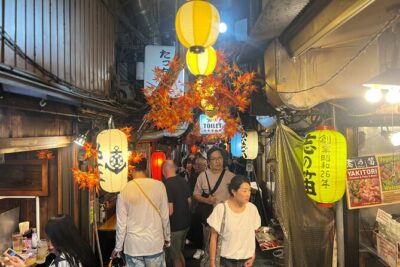 ★ 5.0Shinjuku Food Tour (13 Dishes at 4 Local Eateries)From $866,603 reviews
 ★ 4.4Tokyo Mt Fuji 5th St & Hakone Cruise Bus Tour w/Bullet TrainFrom $1545,024 reviews
 ★ 5.0Flagship 2-Hours Official Street Go-Kart Tour – Tokyo Bay ShopFrom $644,974 reviews
 ★ 4.5From Tokyo: Mount Fuji Full-Day Sightseeing TripFrom $684,970 reviews
This tour also belongs to