
Tokyo coffee isn’t just a habit. It is a street-level story told through tastings, roasters, and old-school cafés. I love how this small-group Kanda walk keeps things moving while still teaching you the practical side of coffee, and I like that you get takeout-style samples from places you would not easily find alone. One thing to consider: this is not a sit-down coffee experience, so if you want lingering, table service, or full meals, plan to adjust your expectations.
You will start at a Starbucks in front of Akihabara Station, then wind through Akihabara and into Kanda, finishing at Jimbocho Station. Along the way, you visit seven coffee shops, including a Nordic roastery, Japanese classical roasting, a famous specialty roaster, and a Taiwanese coffee shop, plus a nostalgic Showa-era café street at the end. I also appreciate how the walk is timed for photo stops and neighborhood wandering, including Manseibashi Bridge and an architecture-focused bookstore area.
Quick hits before you go
- Seven coffee stops across Nordic, Japanese, and Taiwanese styles, with optional orders and takeout drinks.
- Showa-era streets and café culture plus classic sweets shops to balance the coffee focus.
- Bookish detour in Jimbocho area, including a street lined with bookstores and an architecture specialty shop.
- Learn the basics hands-on, with an intro to coffee fundamentals and handouts during the 3.5-hour session.
- Small group (up to 5), which makes it easier to ask questions and get attention from your guide.
Why Kanda and Akihabara are perfect for coffee culture
Coffee culture in Tokyo makes more sense when you see where people shop, roast, and snack. Kanda is that kind of neighborhood, with an old-school pace and a serious coffee scene that has been around for a long time. Akihabara helps set the vibe too, with its dense streets and the feeling that Tokyo is running on creativity and curiosity.
What makes this tour click is the mix: you are not only drinking coffee, you are seeing the supporting cast. That includes roasteries, specialty counters, and the streets around them. You also get the “Tokyo contrast,” old cafés and Showa-era streets running right alongside third-wave style coffee. If you like travel that is practical and local instead of just scenic, this is your lane.
You can also read our reviews of more guided tours in Tokyo
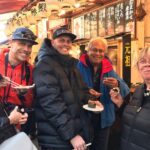
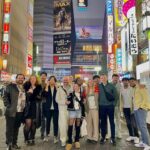
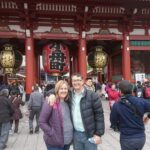
The walk setup: takeout tastings, 3 km on foot, no meal plan
This is a walking tour for about 210 minutes, so you are committing to roughly a 3 km walk. The format is “takeout-style,” meaning you will enjoy your drinks while walking rather than settling into a chair for a long sit-down session. Drinks and food are not included in the tour price, and coffee orders are optional, but you should budget extra if you want the full tasting effect.
Because it is designed as a sequence of stops, you will spend less time stuck waiting for tables and more time sampling variety. The tradeoff is simple: you cannot expect a slow, café-hopping vibe where you linger over one coffee for an hour. Think “one sip, one story, next stop.”
Coffee basics you can use right away
This tour is not only about where to drink coffee. You get an intro to coffee basics and handouts during the guided session. That matters because many Tokyo coffee choices can feel confusing at first, especially when menus talk in roast profiles, brew methods, and bean origins.
In practical terms, the tour helps you ask better questions. You will learn how to think about flavor like acidity, body, and roast depth, and you will have a framework for comparing what you try at each stop. Even if you are not a coffee super-nerd, this structure helps you enjoy the samples instead of just collecting them.
Stop-by-stop: what you’ll actually experience
You visit seven coffee shops, and the stops are intentionally different. You start near Akihabara, then move through Kanda, finishing at a nostalgic Showa-era café street. Here is what each part brings, and what to watch for.
1) Meeting at Akihabara and the first taste lead-in
You meet in front of a Starbucks Coffee at Akihabara Station front. That is a convenient anchor point in a busy area, and it sets you up for the “walking into Tokyo coffee” feeling fast.
After a short walk into Akihabara, you get a coffee segment and a photo stop. Since the tour is takeout-focused, you will likely be tasting on the move, so have your cup-handling ready and your photos queued.
Possible drawback: Akihabara is dense. If you are sensitive to crowds or noise, go in expecting some urban intensity before the tour settles into quieter Kanda streets.
More Tokyo tours and experiences for the shortlist
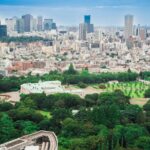
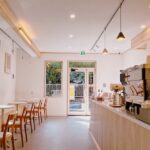
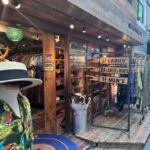

2) Akihabara streetscape, then Kanda shopping and snacks
The itinerary includes shopping and sightseeing time in Kanda, plus a local snacks window. This is one of the tour’s best pacing choices because it prevents the coffee-only effect. You get a moment to connect with the neighborhood: shop signs, street rhythm, and the kind of everyday browsing that makes Tokyo feel real.
You also get structured walking time between coffee stops, which helps you conserve energy. You will still walk, but you will also have clear “we are here now” moments.
3) Showa-era and classical music café stop (with a caution)
One of the planned stops is a Showa-era Street and Classical Music Café known for cloth drip and a 1933 opening date. The plan also notes it may be temporarily closed due to the owner’s injury.
So here is your real-world tip: treat this stop as “likely” but not guaranteed. If it is closed on your day, the value of the tour does not vanish, because the rest of the route still delivers the roastery and Showa-era café street payoff. Still, it is good to stay flexible.
4) Japanese classical roastery: blended coffee and mid-roast comfort
Another stop focuses on a Japanese classical roastery that features blended coffee and a medium roast profile, tied to a 1940 to 1950 era. This is a great place to compare with the other roasts because “blended coffee” often has a steadier, more rounded style.
If you like the idea of coffee that feels approachable and balanced, this stop is likely to land well. You can also use it as a “baseline” before moving toward lighter or darker choices.
5) A most famous roastery for specialty light-roast contrast
You also visit a highly noted roastery with specialty coffee and a light roast profile. Light roast generally highlights origin character and brighter notes, which gives you contrast against darker or more traditional styles.
This stop is useful even if you do not order anything fancy. The guided comparison helps you notice what changes when the roast gets lighter.
6) Meiji-era art supplies store and café: where creativity meets caffeine
One stop is built around a long-established Meiji era Art Supplies Store and Café. This one is for the “Tokyo maker brain.” Even if you do not buy anything, the setting tends to make coffee feel like part of a creative workflow.
You also get visual variety here, which helps keep the tour from turning into a repetitive tasting parade.
7) Taiwanese coffee shop: a different cultural angle
You then visit a Taiwanese coffee shop with specialty coffee and a light roast profile, tied to a 2022 opening date. A Taiwanese stop gives you a perspective shift, and it is one of the reasons this tour feels more interesting than a purely Japan-only crawl.
Taste-wise, it is a chance to compare how different regions interpret light roast flavors and brewing preferences. Even if you are not fluent in coffee language, the guide can help you connect flavors to style.
8) Finish at the Showa-era retro café street with dark-roast Viennese coffee
The tour ends at a Showa-era Retro Cafe Street featuring a long-established café and a dark roast. The stop is centered on Viennese coffee and is tied to a 1949 era.
This ending matters because it gives closure. After roasteries and specialty counters, you land somewhere nostalgic and “Tokyo memory lane.” Dark roast and Viennese coffee style are usually heavier and more comforting, which can be a nice way to wrap up the tour’s flavor arc.
Showa-era streets, Manseibashi Bridge, and the bookstore wandering
Coffee is the main event, but the route around it is what makes the day feel like Tokyo. You spend time around Manseibashi Bridge and an art gallery, plus you visit an old architectural street and a street area lined with bookstores.
Jimbocho is the star for book lovers. You get an architecture bookstore and a bookstore-lined street segment described as Japan’s largest bookstore street. You do not need to be an architecture nerd to enjoy it. Even if you only skim covers and browse titles, it is a fun way to see another side of Japanese culture: how people treat books like everyday objects worth walking to.
You also visit Western and Japanese confectionery shops along the route. That helps with balance. Coffee flights can be intense, so having classic sweets in the mix keeps your palate comfortable.
Weather and the guide: why this tour stays pleasant even when plans wobble
A walking tour has one obvious enemy: weather. The good news is that your guide can adapt the day’s flow. In a recent experience note, the guide Tomoyo handled torrential rain, offered an option to opt out, and then adjusted the route so the group still hit varied coffee shops and book stores.
That kind of flexibility is more valuable than people think. Tokyo weather can swing hard, and when it does, you want a guide who can keep the schedule humane and still protect the core coffee experience. The small group size helps here too. Less crowd means fewer bottlenecks when streets get wet or crowded.
Also, the tour includes a photo set at the end. That is not about Instagram. It helps you remember the exact order of places and the vibe of each street, even if you are overwhelmed by Tokyo’s constant motion.
Price and value: $58 for guided coffee, basics, and photos
At $58 per person for about 3.5 hours, the price is best viewed as paying for guidance plus structure, not for the coffee itself. Drinks and food are not included, and you will likely add about 1,000 to 3,000 yen depending on what you choose to order.
Here is the value math that makes this worth it for many people:
- You get a guided session that includes coffee basics and handouts, not just a list of cafés.
- You visit seven coffee shops, including roasteries and specialty counters, which would be hard to assemble on your own without local knowledge.
- You get a built-in mix of streets, Showa-era café atmosphere, and bookstore wandering, which turns the day into a mini neighborhood immersion.
If you already plan to spend money on multiple coffees anyway, this tour becomes more than “extra cost.” It becomes a way to choose better cups, faster, with context.
What to bring, and what to expect about comfort
Bring comfortable shoes, a hat, water, and some cash. Snacks are also suggested, which is smart for a walking schedule with takeout drinks.
Because this is takeout style, cup management matters. You do not get a dining pause. You will be fine if you are comfortable standing and walking with a drink in hand.
Fitness level: expect about 3 km of walking. Moderate fitness is recommended, and the tour is wheelchair accessible, so it is designed with mobility considerations in mind.
Who this tour fits best, and who should skip it
This is best for you if:
- You like coffee but also like learning how and why it tastes the way it does.
- You enjoy neighborhoods with a strong mix of old and new, especially around Kanda and Jimbocho.
- You want a guided day that includes tastings plus book and street wandering.
It may not be best for you if:
- You want sit-down café time and full meals, since the experience is takeout-style and food is not included.
- You do not like walking through busy Tokyo areas like Akihabara.
- You are traveling with children, since the tour is not suitable for anyone under 18.
Should you book this Kanda coffee culture tour?
Yes, book it if you want a well-paced, coffee-focused Tokyo day that still feels local. The combination of seven distinct coffee stops, Showa-era café atmosphere, and the Jimbocho bookstore area is a strong mix, especially if you like comparing styles rather than repeating the same kind of coffee.
Skip it or rethink your expectations if you need a long sit-down break, want meals handled for you, or you are not interested in walking. Also check day-of flexibility for the Showa-era classical music café stop, since it has a temporary closure note tied to the owner’s injury.
If you do book it, go in with comfortable shoes, a bit of extra yen for orders, and a mindset of tasting plus learning. That is when the tour feels like more than coffee, it feels like Tokyo itself.
FAQ
How long is the tour?
The guided session is 210 minutes, about 3.5 hours.
Where do I meet and where does the tour end?
You meet in front of the Starbucks Coffee at Akihabara Station front. The tour finishes at Jimbocho Station.
How many coffee shops will I visit?
You will visit seven coffee shops.
Are coffee drinks included in the price?
Drinks and food are not included in the cost. Coffee orders are optional, and you should prepare extra money, roughly 1,000 to 3,000 yen.
Is the tour a sit-down café experience?
No. It is takeout-style, so you’ll enjoy your drinks while walking. Sit-down coffee experiences are not included.
How much walking should I expect?
Expect to walk about 3 km, so moderate fitness is recommended.
Is the tour wheelchair accessible?
Yes, the tour is listed as wheelchair accessible.
More Coffee Experiences in Tokyo
More Guided Tours in Tokyo
More Tour Reviews in Tokyo






Not for you? Here's more nearby things to do in Tokyo we have reviewed












Tokyo City Tours, side by side.
 ★ 5.01-Day Tokyo Bus TourFrom $12914,250 reviews
 ★ 4.5TOKYO SKYTREE® Admission ticketFrom $1311,192 reviews
 ★ 4.6teamLab Planets TOKYO Digital Art Museum Entry TicketFrom $259,779 reviews
 ★ 4.0Mt Fuji & Hakone Cruise, Drum Show Bullet Train 1 Day from TokyoFrom $1497,413 reviews
 ★ 5.0Shinjuku Food Tour (13 Dishes at 4 Local Eateries)From $866,603 reviews
 ★ 4.4Tokyo Mt Fuji 5th St & Hakone Cruise Bus Tour w/Bullet TrainFrom $1545,024 reviews
 ★ 5.0Flagship 2-Hours Official Street Go-Kart Tour – Tokyo Bay ShopFrom $644,974 reviews
 ★ 4.5From Tokyo: Mount Fuji Full-Day Sightseeing TripFrom $684,970 reviews
This tour also belongs to