
Review · TOKYO CITY TOURS
Tokyo: Buddhism and Shinto Temple Tour with a Real Local
A good temple visit should teach you how to act. This 2 hour Buddhism and Shinto tour in Monzennakacho gets you the practical etiquette and the cultural meaning behind what you see, from the river streets to the fire ceremony. I love that it is led by local expert Manami Watanabe, and I also love the on-the-spot guidance that makes the rituals feel respectful, not like a tourist show. One possible drawback: you have to follow strict rules during the ceremony and inside spaces, including no video and no photography.
If you care about the why, you will enjoy this. I especially like that you learn the differences between Buddhism and Shinto from a Ph.D. holder in cultural heritage protection, with scene-by-scene explanations and handy guidance sheets for what is happening.
Key highlights you will actually remember
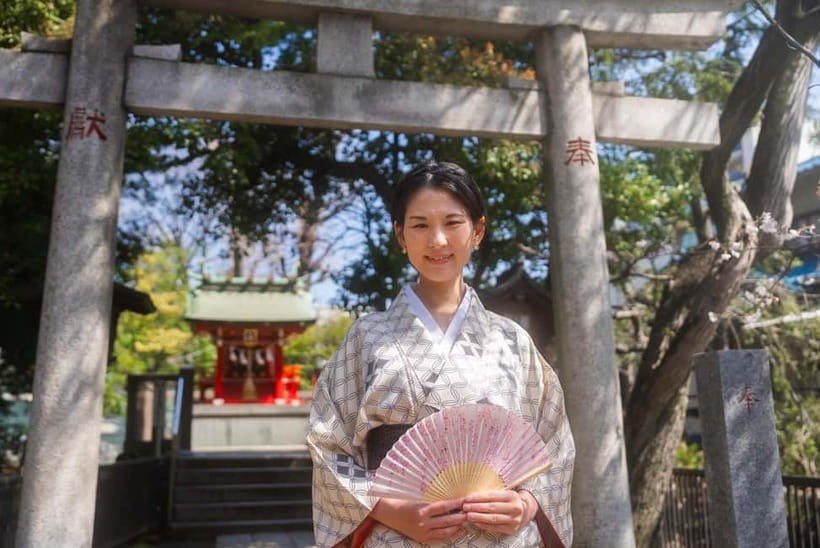
- Small-group pacing (up to 6), so you can ask questions and not feel rushed.
- Manami Watanabe, local and Ph.D.-level, with answers that go beyond basic facts.
- Naritasan Fukagawa Fudōdō fire ceremony explained scene-by-scene, with you observing in silence.
- Real temple and shrine etiquette, including behavior details most tours skip.
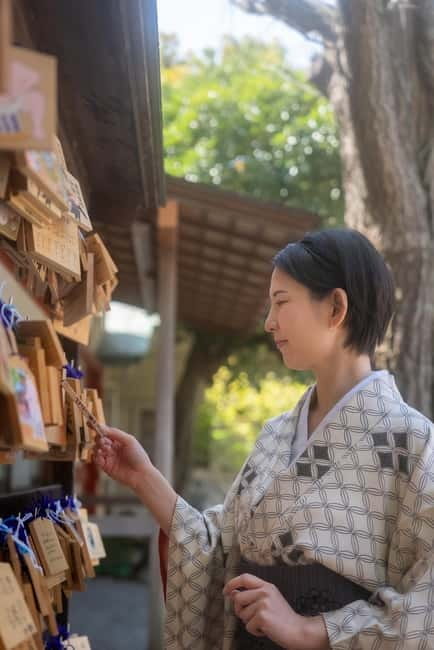
- Tomioka Hachimangu Shrine with hands-on cultural context, from goshuin to fortune paper and wish bars.
- Clear photography rules, plus guidance on what not to do so you do not accidentally break temple norms.
Monzennakacho, Tokyo’s Shitamachi feeling, without the big-tour crowds
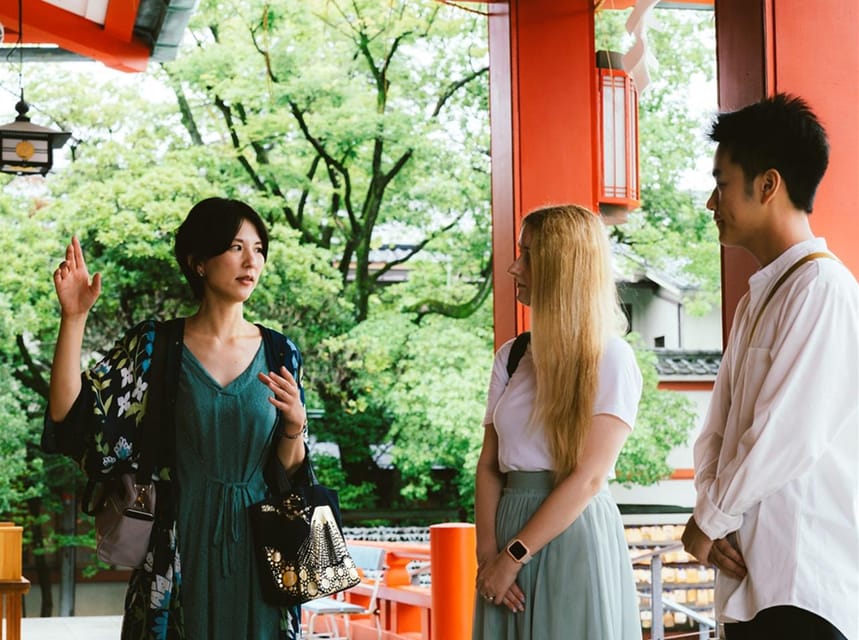
Monzennakacho is the kind of Tokyo neighborhood that still feels lived-in. During the walk, you get a sense of Shitamachi (old downtown style), where daily life and local worship sit side by side.
Your tour starts at Monzen-nakacho Station, and you will begin right in the neighborhood flow. That matters because it sets the tone: this is not a checklist tour. You are learning how locals think and behave around shrines and temples as you move through the area.
You can also read our reviews of more tours and experiences in Tokyo.

Meeting outside Exit 4 at Kusuri no Fukutaro, so you do not lose time
Logistics can quietly ruin a good tour. Here, the meeting point is very specific, so it is worth doing it right.
Meet outside Exit 4 of the subway Monzen-nakacho Station. Look for the drug store called Kusuri no Fukutaro with the red sign banner. Use the stairs at the station exit to find it fast, and do not accidentally end up at a different Kusuri no Fukutaro near another exit.
Oyoko River and Tatsumi-shindo: the quiet warm-up for worship etiquette
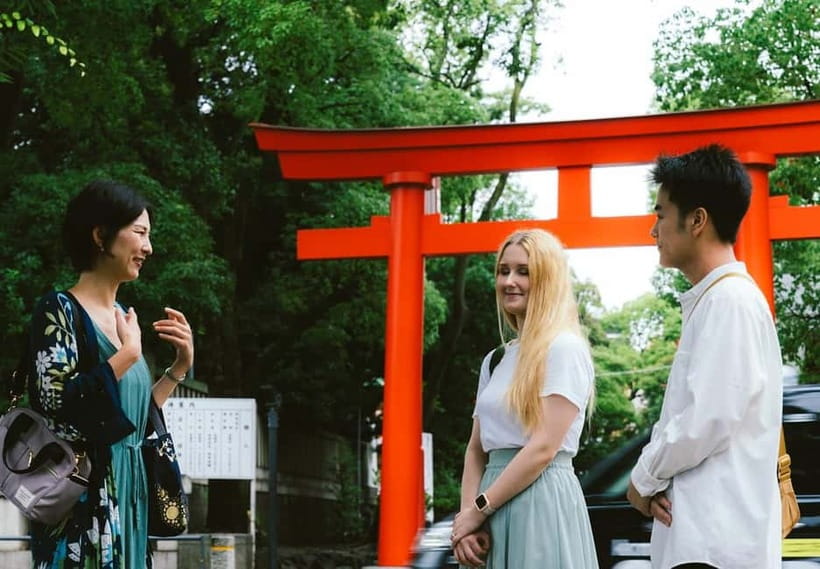
Before you reach the big ritual moments, you will get two short guided walks: the Oyoko River area (about 10 minutes) and Tatsumi-shindo (about 10 minutes). These are not “big attractions,” but they set up your understanding of place and context.
I like this warm-up because it gives your brain a frame. When you later watch the fire ceremony at Naritasan Fukagawa Fudōdō, you are not just reacting to spectacle. You understand the setting, the spiritual atmosphere, and why respectful behavior matters.
Also, the timing is friendly. You get a short rhythm of walking and explanation, then you settle into the heavier spiritual experience without feeling worn out.
Naritasan Fukagawa Fudōdō fire ceremony: the part that turns facts into respect
This is the anchor of the tour, and it is handled in a way that feels thoughtful. You spend about 40 minutes at Naritasan Fukagawa Fudōdō, and you will witness the temple’s fire ritual with powerful drum beats.
What makes this approach special is how seriously the tour treats the ceremony. You get scene-by-scene explanations as you watch, and you also get explanation sheets so you can follow what is happening while observing in silence. That is a big deal. Silence plus context is how you avoid turning ritual into a performance for your camera.
Seats, attitude, and etiquette rules that most tours skip
Some tours chase the best camera angles. This one does not. The guidance you are given is that the best seats should be offered to the Buddhist community, so the tour avoids the front-middle view setup that other tours often go for.
Even more important, you learn etiquette that many visitors never hear. For example, crossing your legs at chairs is treated as rude to Buddha and the monks. You also get essential rules tied to how you should behave and what is appropriate during observation.

Photography and audio rules during the ceremony
This is not a “film everything” type of event. You are told that video recording is not allowed, and photography inside is not allowed. Audio recording is also not allowed.
That restriction actually helps the experience. You focus on understanding what the ceremony is doing, not on building a video library. If you are coming from a habit of shooting constantly, plan to switch gears for this segment.
Who this fire moment fits best
This ceremony has strong energy and drum beats. If you know you struggle with loud audio or intense sensory moments, consider that you will be in the thick of it for the ritual viewing. That said, the guided explanations and the etiquette context make it feel grounded rather than chaotic.
Tomioka Hachimangu Shrine: Shinto meaning, fortune paper, wish bars, and goshuin
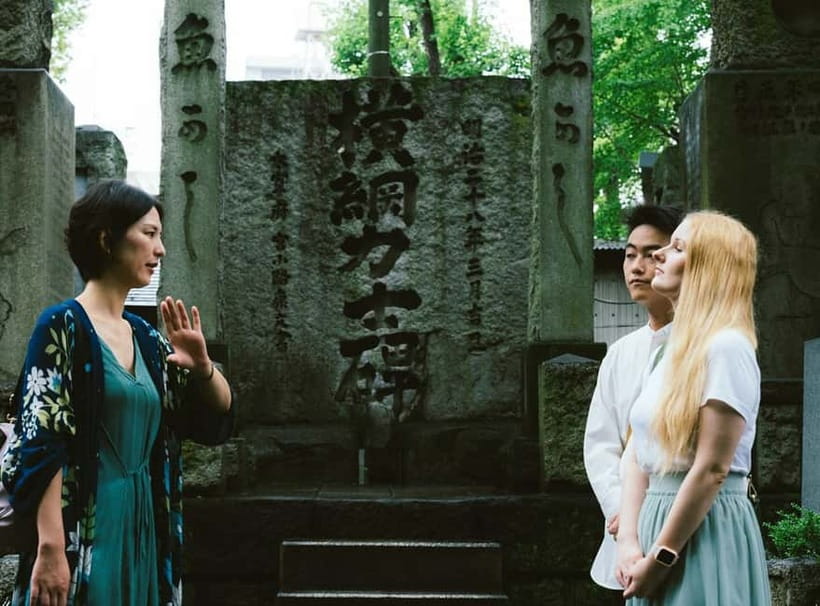
After the fire ritual, the tour shifts to a calmer Shinto setting at Tomioka Hachimangu Shrine (about 25 minutes of guided time). This stop is where you start seeing how Japanese spirituality works on two tracks at once.
You will hear what different shrine items mean, including white fortune telling paper, wooden wish bars, and Shinto symbols. You will also learn about goshuin stamps, which are a big part of shrine visiting culture.
I like that the guide connects small objects to lived meaning. It is easy to treat these items as souvenirs, but the explanations help you see why people return, why the symbols matter, and how ritual reading is part of the experience.
Why sake and sumo matter here, plus the sumo rocks
You will also learn why sake and sumo connect to Shinto at this shrine. That is followed by a look at the impressive sumo rocks.
This is a good reminder that religion in Japan is not always abstract. Cultural practices like food, sports traditions, and local iconography show up in shrine symbolism, and a guide can help you notice what you would otherwise walk past.
Finish with personal family connection
The tour ends with family stories from your guide about their connection to the place. This is where the tour feels most local. You stop treating the shrine as a “site” and start seeing it as community continuity.
What makes this tour good value at $62 per person
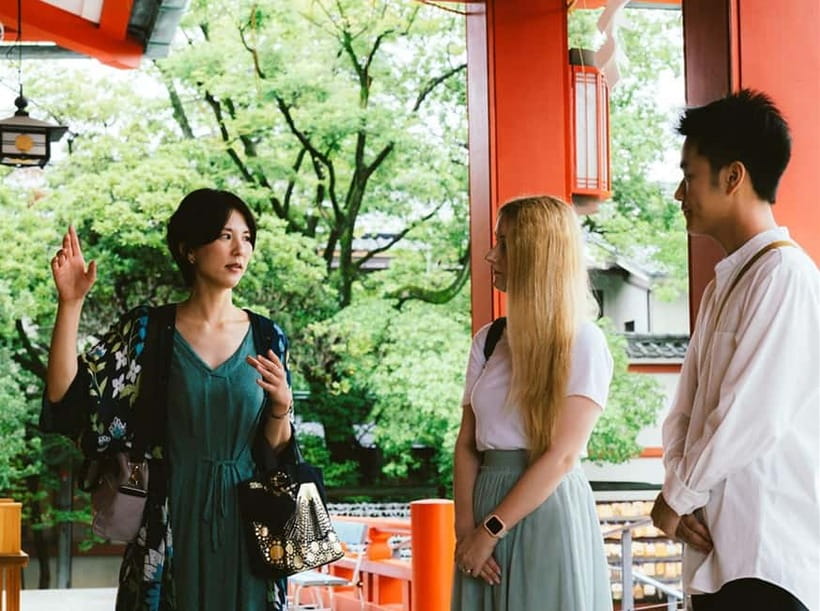
Tokyo pricing can be all over the map, and it is easy to spend more for less. At $62 per person for a 2 hour, small-group tour limited to 6 participants, you are paying for more than a walk.
Your money covers a few key things that add real value:
- Admission fee to the fire ceremony at Fukagawa Fudōdō
- A local English guide from the area, Manami Watanabe
- A Ph.D.-level cultural education approach focused on heritage protection
- Practical help like shawls for guests who need to cover shoulders or knees
Also, the tour includes the kind of behavioral guidance that prevents mistakes. When you know what not to do, you avoid awkward moments at sacred sites. That alone is worth something in Tokyo, where rules can be subtle.
If you want a “religion basics” overview, you can find cheaper options. But if you want correct etiquette, careful ceremony viewing, and clear meaning tied to real practice, this feels fairly priced for what you get.
Dress code, rules, and what you should bring (so you can participate calmly)
This tour is respectful by design, so you need to be too. Plan for restrictions, especially around clothing and photography.
What is not allowed
- Smoking
- Short skirts
- Sleeveless shirts
- Video recording
- Photography inside
- Audio recording
- See-through clothing
- Shoes indoors
- Hats
If you are used to casual temple visits, do a quick outfit check. If you need coverage for shoulders or knees, shawls are provided.
What to bring
Bring cash, drinks, and comfortable shoes. You will also want to be ready to remove shoes indoors where required.
There is also an optional ritual element: small coins to throw at the temple and shrine. If you want to do that part, you should bring coins yourself since it is not included.
Who should book this tour, and who might prefer something else
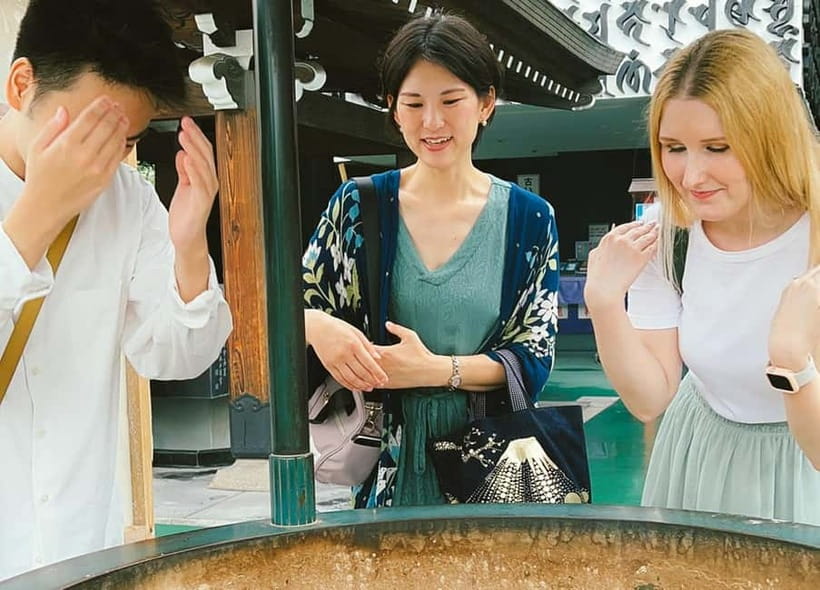
This tour is ideal if you want more than “see a temple, take a photo, move on.” You will enjoy it if you like learning from a local guide who can explain the spiritual logic behind Buddhism and Shinto, and who teaches etiquette you can use right away.
It also fits travelers who ask questions. The experience is built for dialogue, not just listening.
Two groups might want to think twice:
- People over 80 years
- Children under 5 years
Also, if you strongly prefer recording rituals with your phone, this tour is not a match. Photography inside and video recording are not allowed.
Should you book Tokyo’s Buddhism and Shinto Temple Tour with Manami Watanabe?
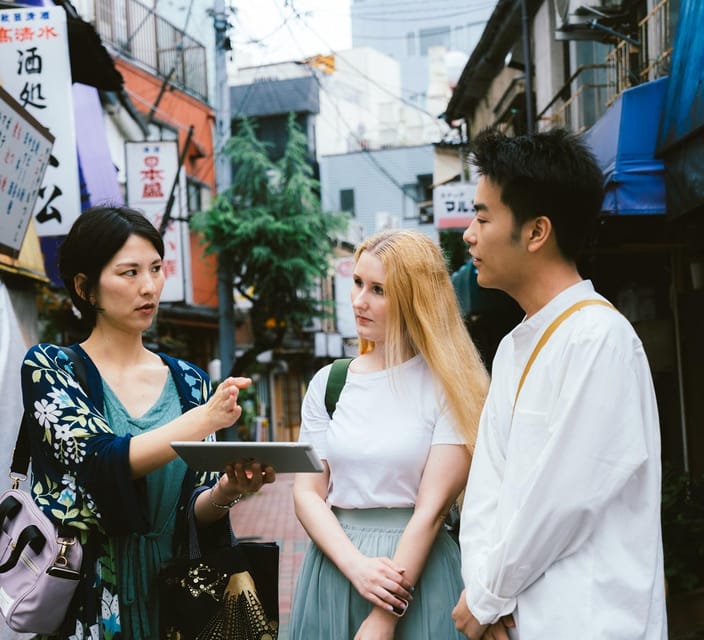
I would book it if you want a respectful, meaning-first temple experience in Tokyo’s Monzennakacho area. The standout reason is the combination of a local guide plus Ph.D.-level cultural heritage context, paired with ceremony viewing that is explained but not treated like a show.
If your goal is to learn how to behave at temples and shrines, and you want to understand Buddhism versus Shinto in a practical way, this tour earns its place. Just be honest with yourself about rules, no-video expectations, and the fact that this is a serious worship moment you are joining, not a staged performance.
If that sounds like your style, book it and go in ready to look with new eyes.
FAQ
How long is the Tokyo Buddhism and Shinto Temple Tour?
The tour lasts 2 hours.
Where is the meeting point?
You meet outside Exit 4 of Monzen-nakacho Station. The drug store Kusuri no Fukutaro, with a red sign banner, is just outside Exit 4.
What is included in the price?
The tour includes the admission fee to the fire ceremony at Fukagawa Fudōdō, a guided tour, a hosted local guide who speaks English, and shawls for guests who need to cover their shoulders or knees.
What should I bring?
Bring cash, drinks, and comfortable shoes.
Is photography or video recording allowed?
Video recording is not allowed, and photography inside is not allowed. Audio recording is also not allowed.
How large is the group?
The group is limited to 6 participants.
What is the cancellation policy?
Free cancellation is available up to 24 hours in advance for a full refund.
More Tours in Tokyo
More Tour Reviews in Tokyo
Not for you? Here's more nearby things to do in Tokyo we have reviewed



Tokyo City Tours, side by side.
 ★ 5.01-Day Tokyo Bus TourFrom $12914,250 reviews
 ★ 4.5TOKYO SKYTREE® Admission ticketFrom $1311,192 reviews
 ★ 4.6teamLab Planets TOKYO Digital Art Museum Entry TicketFrom $259,779 reviews
 ★ 4.0Mt Fuji & Hakone Cruise, Drum Show Bullet Train 1 Day from TokyoFrom $1497,413 reviews
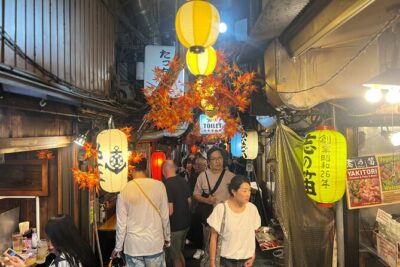 ★ 5.0Shinjuku Food Tour (13 Dishes at 4 Local Eateries)From $866,603 reviews
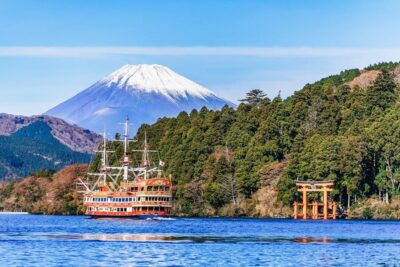 ★ 4.4Tokyo Mt Fuji 5th St & Hakone Cruise Bus Tour w/Bullet TrainFrom $1545,024 reviews
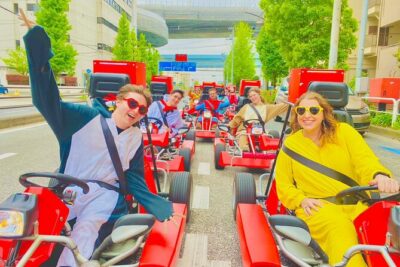 ★ 5.0Flagship 2-Hours Official Street Go-Kart Tour – Tokyo Bay ShopFrom $644,974 reviews
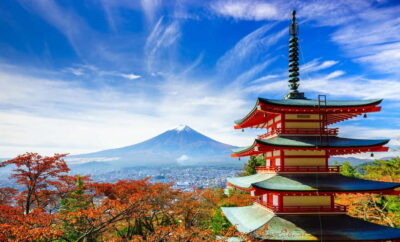 ★ 4.5From Tokyo: Mount Fuji Full-Day Sightseeing TripFrom $684,970 reviews