
Review · TOKYO CITY TOURS
Tokyo: Flagship 2-Hour Street Go-Kart Tour by Street Kart
Rainbow Bridge feels like a theme park, in real life. This 2-hour street go-kart tour in Tokyo Bay lets you drive public roads on an actual route, with the big-ticket sights built into the ride, including Rainbow Bridge and Tokyo Tower. I love that it’s not just fast driving, it’s guided driving, with a trained lead that keeps the group moving in formation.
Two other strong reasons I like it: you can dress up with provided costumes, and your guide takes photos during the tour, then delivers the photo data after. The one drawback to plan for is the pre-trip paperwork, because you cannot just show up with any license and hope for the best.
Why This Tour Feels Different From Usual Go-Karting
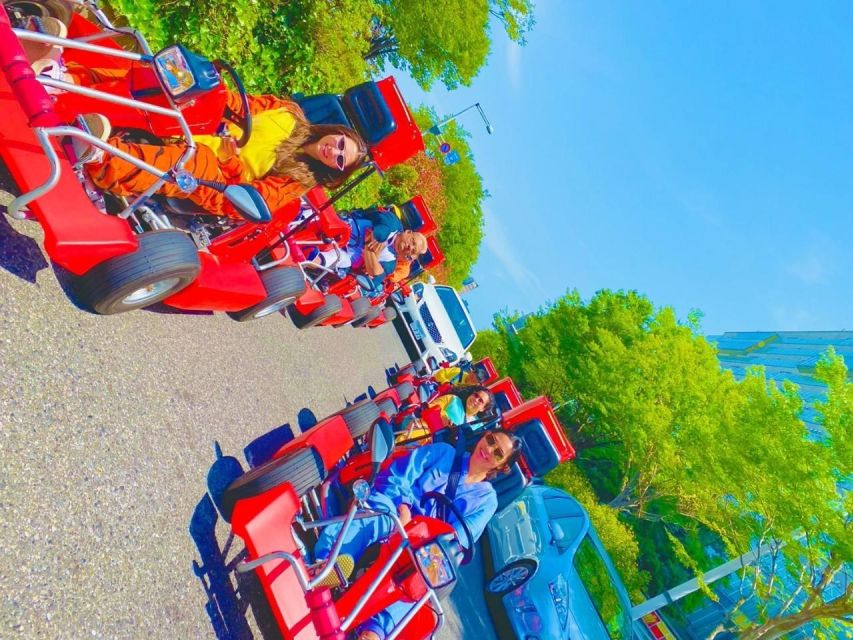
Street karting in Tokyo is already a novelty, but this one goes further. You’re on public streets near Tokyo Bay, with the route designed around major landmarks, including an easy-to-feel adrenaline moment crossing Rainbow Bridge and then continuing toward Tokyo Tower.
I also appreciate the safety culture. The ride is guided, with clear instruction and real emphasis on what you should do, especially if you’re new to driving in Japan. One consideration: if you don’t drive, you may find the waiting setup isn’t designed for long spectators on site, since the activity focuses on participants taking turns out on the course.
Key Things I’d Prioritize Before You Book
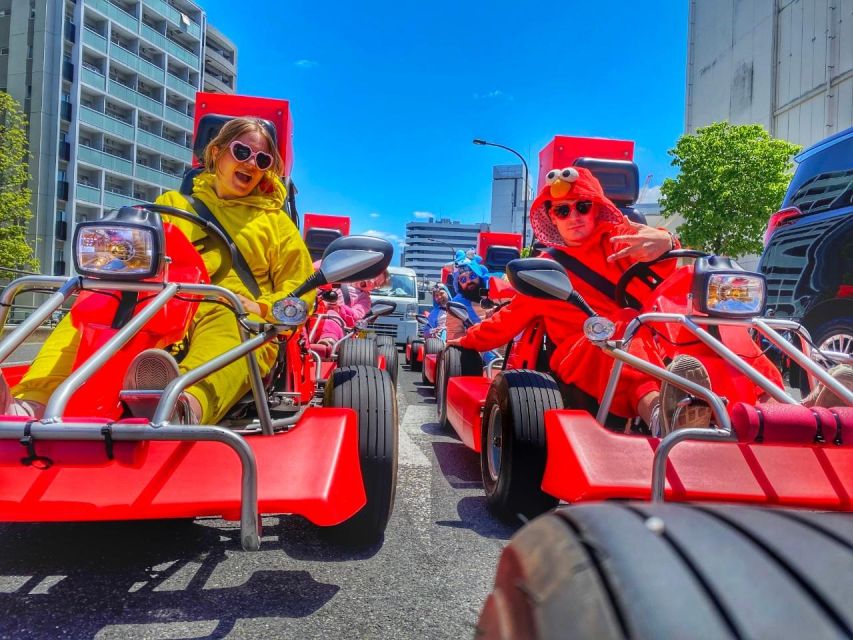
- Rainbow Bridge + Tokyo Tower route means the landmarks are part of the driving, not a quick stop.
- Costumes are included, so you can add fun without extra spending.
- Guide-taken photos are included, and you get the photo data afterward.
- Professional lead driving and formations help you feel steadier than you expect.
- Rain coat and goggles are included, but you still should prepare for eye comfort.
- You must have the right driving documents, since driving requires specific IDP or a JAF translation in some cases.
More Tokyo tours and experiences for the shortlist
Tokyo Bay Check-In: Costumes, Gear, and Getting Positioned
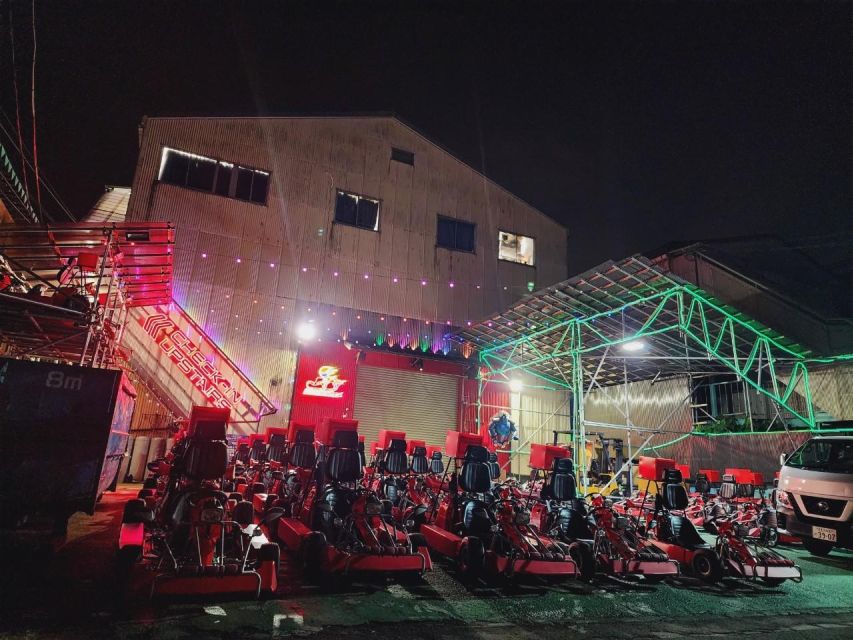
This tour starts at Street Kart Tokyo Bay, a warehouse-style place with lots of karts out front. You check in by going upstairs, and you’ll see the operation set up for quick group flow so you can get into the headspace of driving fast.
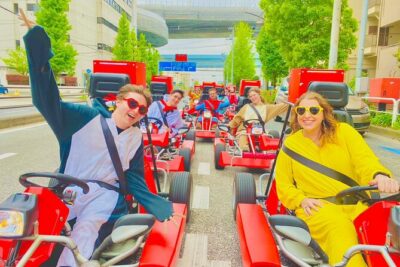
Once you’re checked in, you’ll pick a costume from the available selection. It’s a simple, effective way to make the experience feel playful right away. The dress-up part also matters practically: it sets the vibe, and it gets you thinking about what will feel comfortable while you’re wearing a racing helmet or head area gear.
Before you go out, the basics you’ll rely on are also provided: goggles, and a rain coat if weather calls for it. You’ll also be expected to follow the footwear rules. High-heeled shoes and open-toed shoes are not allowed, and cellphones are not allowed during the activity. That’s not just a rule, it keeps the driving focus where it should be.
One thing I think you should plan for: karts are about control, not sightseeing. Your “tour” while you’re driving is the route itself, so your eyes are mostly on the road and the guide’s cues.
Your Paperwork Comes First: IDP Rules That Can Make or Break Your Ride
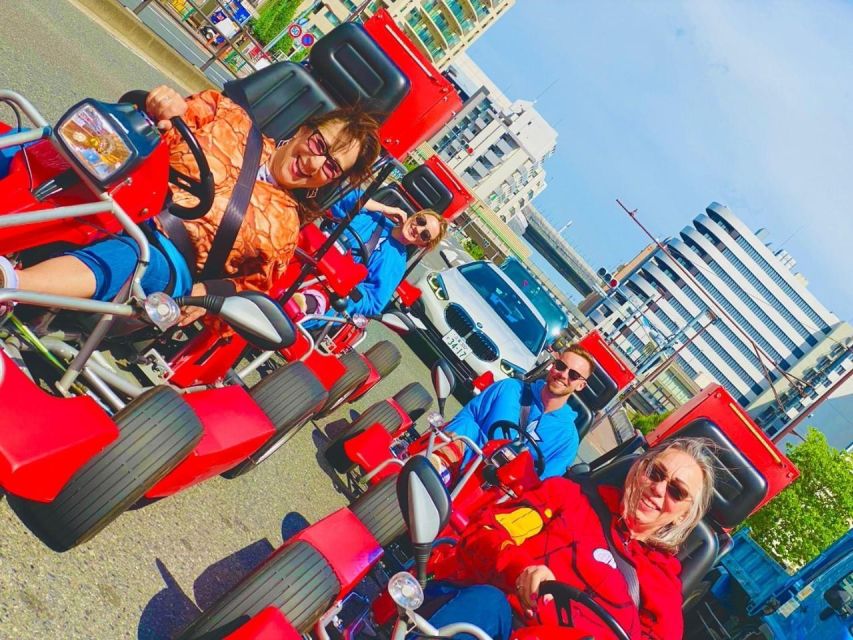
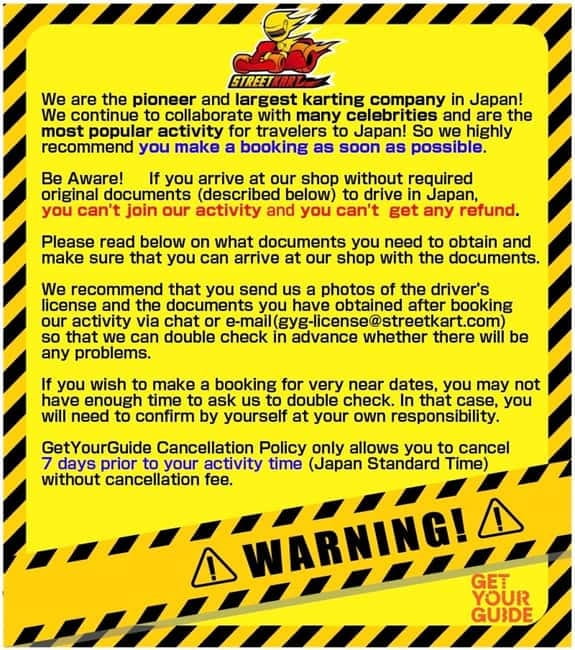
If you’re thinking, This looks fun, I’ll just figure out the driving documents later, pause here. This experience requires special documents to drive in Japan, and the rules vary by where your license comes from.
For most countries, you’ll need an International Driving Permit (IDP) in the booklet format compliant with the 1949 Geneva Convention. Two key realities make this important:
- Your IDP must be issued by the same country that issued your domestic driver’s license.
- It cannot be obtained online while traveling, and it must be physical (you’ll need to carry the physical IDP).
If your license is from Switzerland, Germany, France, Taiwan, Belgium, or Monaco, you don’t use the usual IDP route. Instead, you need a Japanese translation of your license from the Japan Automobile Federation (JAF). In that case, you must bring your physical domestic license plus the official translation.
If your license is from a country not covered by the 1949 Geneva Convention (examples provided include China, Indonesia, Mexico, Qatar, Saudi Arabia, and more), you are not permitted to drive in Japan for this activity.
Also, you must carry your physical passport along with your driving documents. The takeaway is simple: schedule your document prep early, and double check what applies to your specific country before you book your time slot.
Entering The Ride: Safety Briefing, Formations, and First-Time Nerves
Once you’re geared up and ready, the tour is run by an English-speaking, trained guide. Your job is to listen, follow instructions, and stay in position. Your guide’s job is to make sure the group moves correctly, not to let you free-lance your way around Tokyo.
A few safety patterns show up again and again in how this tour is described:
- The guide emphasizes clear hand signals and formations.
- The lead driver manages pacing so everyone can keep up.
- The guide checks alignment and keeps you on track, especially if you’re feeling nervous.
If you’re new to driving, this is where the tour can either feel intimidating or feel manageable. I like that the experience is structured for both outcomes. You’re not dropped into chaotic traffic with no direction. You’re coached into a rhythm.
There’s also an important practical note: you will likely have limited time for hands-on phone photos because cellphones are not allowed. So if your “memory plan” includes lots of video, you’ll want to think about your options ahead of time, including whether you want to rent an action camera package.
Rainbow Bridge by Go-Kart: The Big Adrenaline Moment
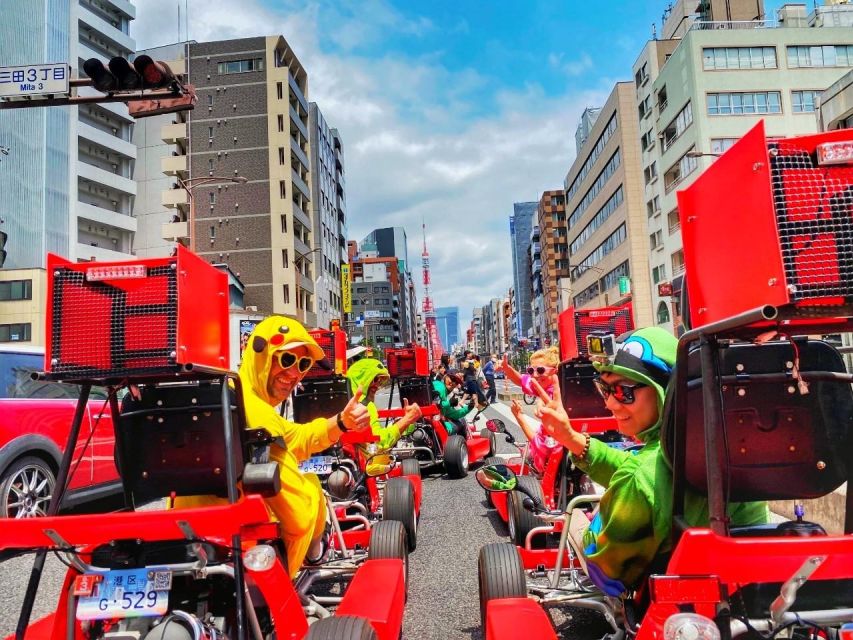
The headline thrill is driving across Rainbow Bridge. The experience here is about more than just speed. You’re crossing a major Tokyo landmark on a route that feels like real street driving, with the skyline and water area as part of what you’re reacting to.
This is also the moment where your posture and attention matter most. You’ll be focused on staying in formation, following the lead driver cues, and keeping your line steady. If you want to feel the adrenaline, this is it.
Night departures tend to be especially memorable for scenery. When the timing lines up, Tokyo Tower can look especially dramatic as lights come on, and Rainbow Bridge at night feels like a late-hour city highlight. If you’re flexible, choosing a night slot can add extra atmosphere, because the route connects directly to those city icons.






Tokyo Tower Drive-By: Why This Landmark Works Better Here Than on Foot
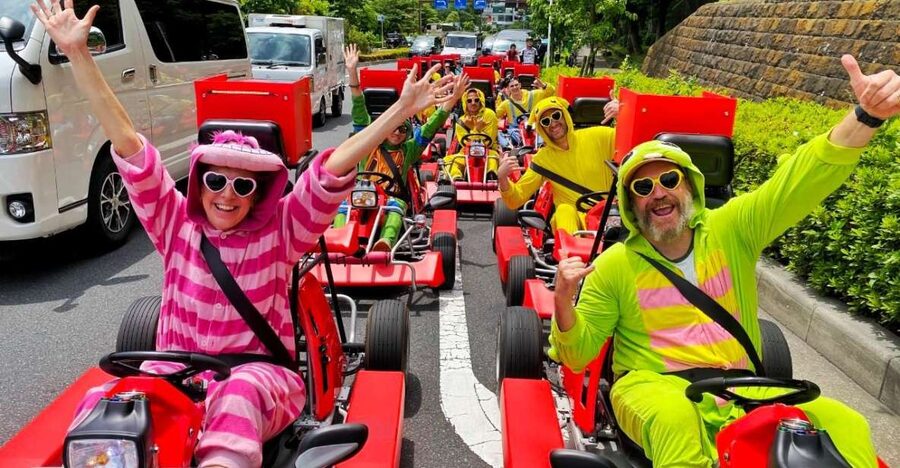
After the Rainbow Bridge segment, the route continues toward Tokyo Tower. This is one of the reasons the tour feels worth it for people who already plan to see Tokyo Tower by other means.
On foot, Tokyo Tower is a photo stop. From a go-kart, it becomes part of your driving story. Your brain is already engaged with motion, so the landmark adds intensity instead of breaking your momentum.
Also, since the guide takes photos during the tour, you’re not stuck trying to get the skyline in the background while you’re driving. You can focus on driving, and let the tour capture the moments that matter.
There’s another subtle advantage here. Because the route is designed around the landmark pair, you don’t need to map out a complex sightseeing route. You just show up with your documents, get in your kart, and follow the plan.
Photo Stops and the Guide’s Camera Work: Getting Memories Without Hassle
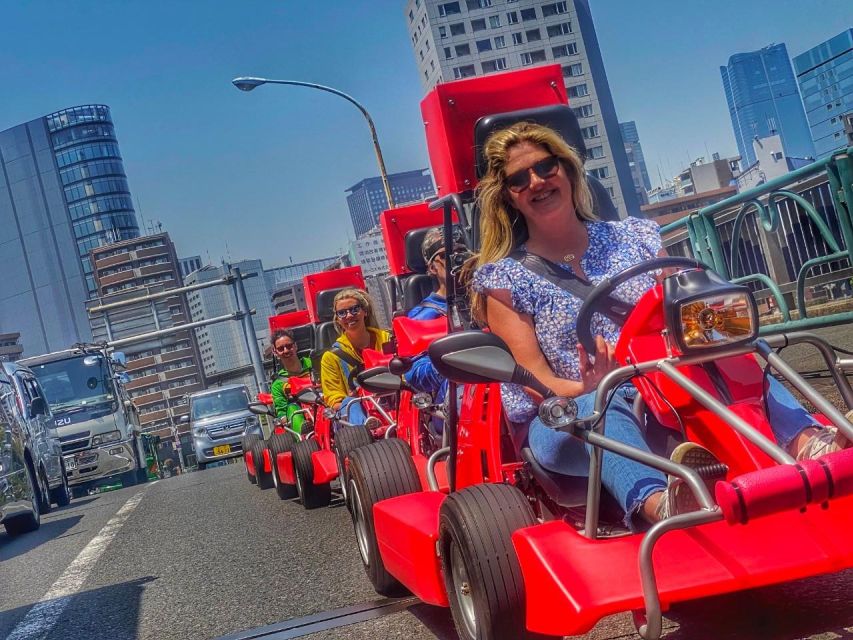
One of the most valued parts of this experience is the photography. Your guide takes photos during the tour, and you receive the photo data afterward. This is a big deal because:
- You don’t need to stop safely for pictures while driving.
- You don’t need to hold a camera or cellphone to try to capture the moment.
- The photos come from someone focused on the angles while you focus on the road.
Guides also appear to take a lot of shots, and there’s often a rhythm built into how cars are positioned for better views. For example, riders have noted a rotation where different participants get time in a leading position. That makes photos more varied and helps everyone feel like they were in the action, not stuck behind.
If you’re the kind of traveler who cares about video, note that action camera extras are not included. Action camera rental fees and micro-SD fees for saving video footage are listed as not included, and there’s also a camera mount rental fee if you want to attach the action camera on your head or chest.
My practical suggestion: if you care most about still photos, the included plan is strong. If you care about full action video, be ready for extra add-ons or bring your own setup, if allowed.
Costumes, Comfort, and Clothing Rules That Actually Matter
Costumes are included, and they’re part of the fun. I like that you don’t have to pack a theme, and you can pick something that matches your personality. Still, costumes have a practical side too. You’ll be moving, turning your head, and driving. If a costume item interferes with your comfort, it can distract you when you need focus.
Staff may also help with cold-day comfort. Riders have mentioned that extras like spare gloves, glasses, and even heat packs can show up for winter conditions. If you’re going in colder months, wear layers you can move in, and prioritize warmth without adding bulky stuff that limits your driving posture.
As for goggles, you should expect that provided goggles might not be perfect for everyone. Some riders have recommended bringing your own goggles if you’re picky about clarity. It’s not a bad sign that you should bring spares for comfort, especially if you wear glasses or your eyes get sensitive.
Also keep in mind the activity is not suitable for certain health and mobility situations. It’s not meant for pregnant women, people with back problems, people with mobility impairments, wheelchair users, children under 18, and people with pre-existing medical conditions. If any of these apply, this is one you should skip.
Weather, Timing, and the 2-Hour Reality Check
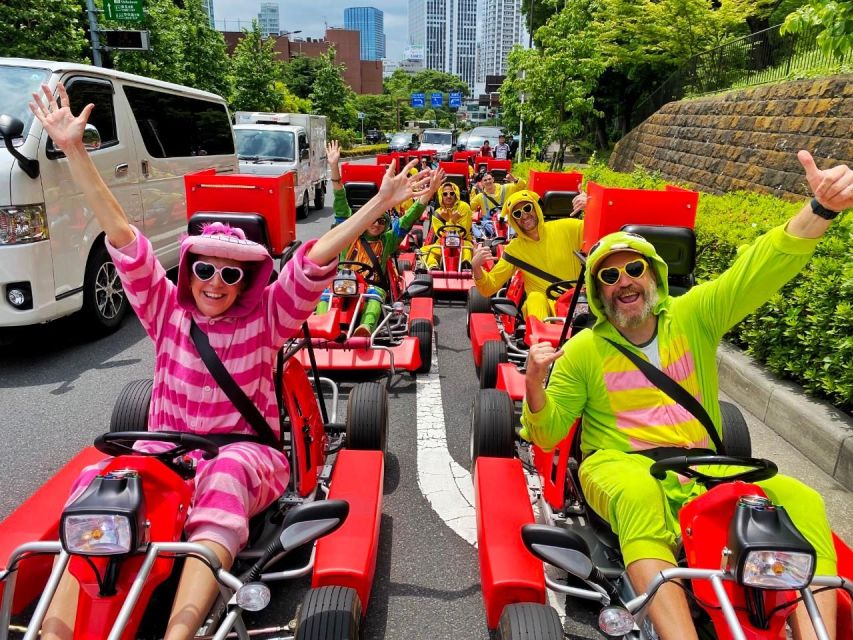
The tour lasts 2 hours. That includes check-in, gearing up, driving time, and photo handoffs. It’s long enough for you to feel like you accomplished something big, without turning into a half-day production.
In winter or rainy weather, you still get the same core experience because rain coats are included. If rain is in the forecast, you can expect the route to continue with the same safety approach, and your guide will keep the group moving and staged correctly.
The best timing depends on what you want to remember most:
- If you want lights and skyline drama, choose a time slot that lines up with night driving, when Tokyo Tower and the city feel more cinematic.
- If you want less sensory intensity, choose daytime, when you can focus on route and driving mechanics.
A real-world truth: while it’s a sightseeing tour in a sense, you’ll do less “looking around” than you might expect because you’re driving. One practical trade-off of go-kart street driving is that you’re busy steering and staying aware. Plan to get your landmark memories through the route plus the guide photos.
Price and Value: Why $64 Can Feel Like a Deal
At about $64 per person for a 2-hour experience, the value comes from what is included and where you’re driving.
You get:
- The kart, plus gasoline
- An English-speaking guide
- Costumes
- Photos your guide takes during the tour
- Rain coat for rainy days
- Goggles
That package matters because the costly parts are usually rentals and services in many cities. Here, the route is the star, and the included photo service saves you from spending time and energy capturing your own shots.
You’re also paying for guidance and structure. Driving around a major city can be intimidating. When the guide manages formations and pacing, it changes the experience from chaotic risk to controlled excitement. That safety emphasis is part of the value, not extra.
Is it for everyone? Not exactly. If you lack the required documents, you cannot drive. If you need lots of sightseeing time, this might feel too active. But if you want a fast, memorable Tokyo Bay night or day highlight, the package is easy to justify.
Should You Book Street Kart Tokyo Bay?
I’d book this if you meet three conditions:
- You already have (or can secure) the correct driving documents for Japan.
- You’re excited by street go-karting where the landmarks are part of the ride, especially Rainbow Bridge and Tokyo Tower.
- You like the idea of showing up, getting geared up, and letting the guide handle the rhythm and photos.
Skip it if paperwork is uncertain, if you can’t handle driving focus for 2 hours, or if any of the stated health and mobility restrictions apply. Also think twice if you’re bringing non-drivers who want to hang out inside, since the setup may not be designed for long spectator waiting.
If you’re ready to trade traditional sightseeing for real adrenaline, this is one of the most fun, high-energy ways to see Tokyo Bay that still feels well run.
FAQ
How long is the Street Kart 2-hour tour?
The experience runs for 2 hours. Check availability to see the starting times.
What does it cost?
The price is $64 per person.
Where do I meet for the tour?
Meet at Street Kart Tokyo Bay, in a warehouse with many go-karts out front. There are stairs on the outside, and you go upstairs for check-in.
What do I need to drive in Japan?
You need the correct driving documents. For most countries, that means a physical International Driving Permit (IDP) in the booklet format compliant to the 1949 Geneva Convention, plus your physical passport. For certain countries, you must use a Japanese translation from JAF instead of an IDP.
Does Street Kart message me about documents after booking?
Yes. Street Kart will email you after booking with guidance on the required documents.
Are cellphones allowed during the tour?
No. Cellphones are not allowed.
What should I wear?
High-heeled shoes and open-toed shoes are not allowed. You also need to follow the general rules given by the operator for safe driving and comfort.
Is a costume included?
Yes. Costumes are included, and you select one before you drive.
Are photos included, and how do I get them?
Your guide takes photos during the tour, and you receive the photo data afterward.
Is an action camera included?
No. Action camera rental fees, micro-SD purchase fees, and camera mount rental fees are not included.
More 2-Hour Experiences in Tokyo
More Tours in Tokyo
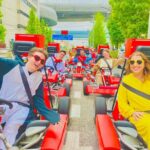
More Tour Reviews in Tokyo
Not for you? Here's more nearby things to do in Tokyo we have reviewed












Tokyo City Tours, side by side.
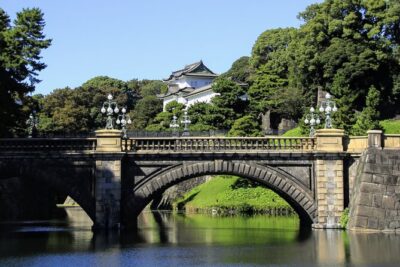 ★ 5.01-Day Tokyo Bus TourFrom $12914,250 reviews
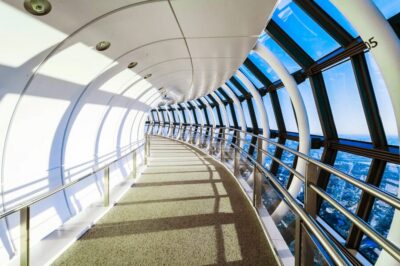 ★ 4.5TOKYO SKYTREE® Admission ticketFrom $1311,192 reviews
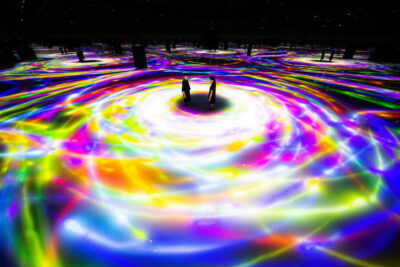 ★ 4.6teamLab Planets TOKYO Digital Art Museum Entry TicketFrom $259,779 reviews
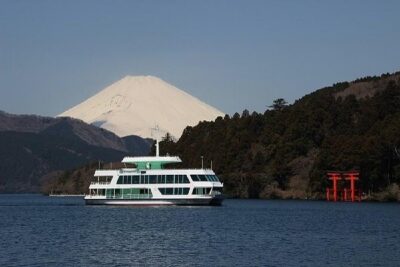 ★ 4.0Mt Fuji & Hakone Cruise, Drum Show Bullet Train 1 Day from TokyoFrom $1497,413 reviews
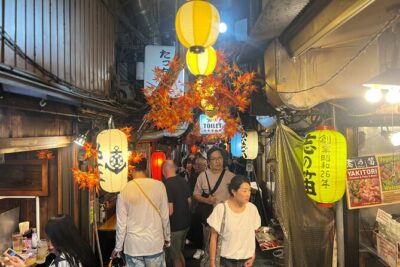 ★ 5.0Shinjuku Food Tour (13 Dishes at 4 Local Eateries)From $866,603 reviews
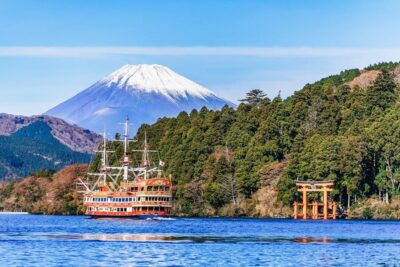 ★ 4.4Tokyo Mt Fuji 5th St & Hakone Cruise Bus Tour w/Bullet TrainFrom $1545,024 reviews
 ★ 5.0Flagship 2-Hours Official Street Go-Kart Tour – Tokyo Bay ShopFrom $644,974 reviews
 ★ 4.5From Tokyo: Mount Fuji Full-Day Sightseeing TripFrom $684,970 reviews
This tour also belongs to