
Review · TOKYO CITY TOURS
Catch a Baseball Game in Tokyo with a Local – Tickets Included
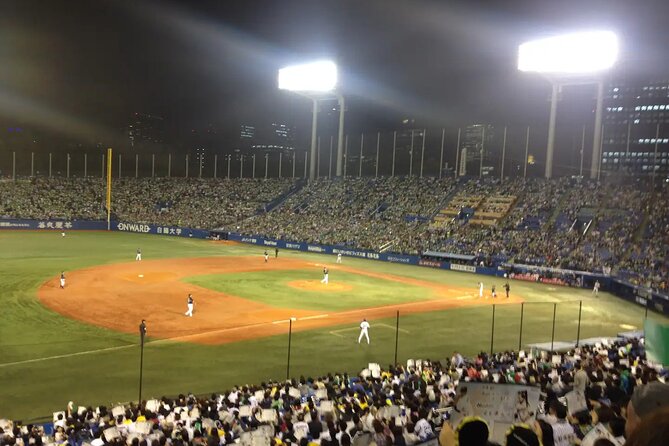
Japanese baseball hits different in Tokyo. You get game tickets sorted, a local guide to translate the chaos, and a front-row pass to the fan rhythm with cheers, snacks, and even a borrowed home jersey.
I especially like the no-language-barrier approach, since your guide helps you follow what matters minute by minute. I also like the standing-and-chanting home-section feel, because Japanese fans treat baseball like a team sport for your voice too.
One consideration: depending on the game and seating, you might not be in the exact loudest patch of the home cheering area, and some stadium seats can feel tight for larger folks.
Key things to know before you go
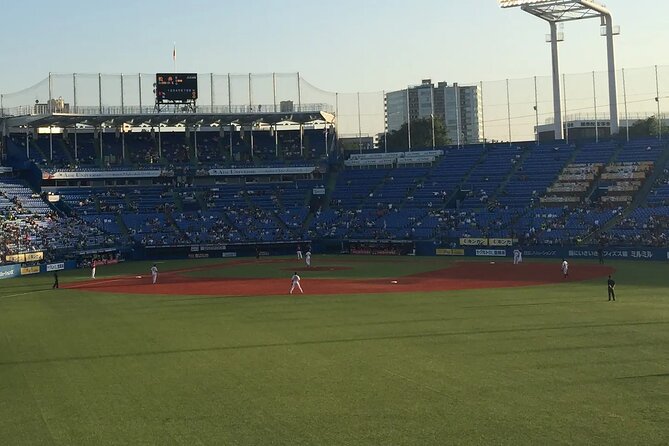
- Tickets are handled: admission is included for the match at Tokyo Dome, Meiji Jingu Stadium, or Yokohama Stadium.
- Learn the cheers: your guide shares team chants and can provide sheets for you to follow along.
- You borrow fan gear: a home-team jersey and cheering goods are available for some games.
- Snacks are included: you get game-time snacks so you can focus on the action.
- Small group vibe: capped at 6 travelers, so questions get answered fast.
Why Japanese baseball feels like a team sport for your voice
Japanese baseball is built for participation. People sing, shout, and chant for players with the kind of timing that makes the game feel choreographed, even when the action gets messy.
What makes this tour work is the guide layer. You do not need to know baseball rules ahead of time. The guide’s job is to translate what is happening on the field into something you can follow from the stands, including the key cheers and moments when fans switch from watching to chanting.
If you have ever felt lost at a game because you did not know the chants or what everyone was reacting to, you will get relief here. Guides such as Jason, Kristi, and Christy are described as clear communicators who bring materials like chant sheets, and they help you learn the cheers so you can join in without guessing.
More Tokyo tours and experiences for the shortlist
Price and value: what $110 really buys you
At $110 per person, this is not just a cheap ticket drop. You are paying for three practical things that usually cost time, effort, and head-scratching in Tokyo: tickets, interpretation, and logistics.
First, the ticket is included, so you are not spending your energy comparing seat sections, translating ticket types, or worrying about whether you bought the right area. Second, you get snacks, which sounds minor until you are sitting in a stadium for hours and not trying to make concession lines work with a language barrier. Third, the small-group format means the guide can actually coach you through the experience.
There is also the fan-gear angle. Borrowing a home-team jersey, plus cheering goods for some games, is one of those touches that changes your mood instantly. You feel like part of the crowd rather than a tourist hovering by the aisles.
Where you’ll actually watch: Tokyo Dome, Meiji Jingu, or Yokohama
Your game location can be Tokyo Dome, Meiji Jingu Stadium, or Yokohama Stadium, based on the schedule. That matters because stadium style affects comfort and atmosphere.
Tokyo Dome is the one that many visitors breathe easier around. It is indoors, which can be a lifesaver in summer heat, and you are still in the thick of stadium energy. Reviews also describe the setup as more comfortable when it gets brutally hot outside.
Meiji Jingu Stadium and Yokohama are outdoor options. Outdoor games can feel more seasonal, and you might experience more temperature changes depending on the day. Either way, the tour keeps it simple: you meet up near public transportation, then walk to the ballpark together.
One practical note: the tour is built around a 3 to 4 hour window. That fits most evenings, but it also means you should plan your dinner plans around the game. Dinner is not included.
The meet-up and walk-in: settling in before the first pitch
You will meet at a train station, then walk to the stadium with your guide. This sounds basic, but it is a big deal in Tokyo, where a wrong turn can cost you time and confidence.
The best part is what happens on the move. Your guide can help you get oriented and start teaching cheers early, so you are not staring at a crowd that already knows what to do. Some guides bring song sheets and written cues for chants, and they walk you through when to join in.
You may also do a quick circuit for team merchandise before you lock into your seats. The idea is to go in with a little more fan gear and context than you would on your own.
In the stands: learning cheers, joining the home-section chaos
This is the heart of the experience. Your group watches the game together, and the guide helps you learn the different cheers. You can follow along with cues, and the whole thing turns into a call-and-response moment where you are not stuck translating every announcement.
You will see a lot of standing. Fans cheer in the home section, and the crowd sound is part of the entertainment. Even if you only know a few players, you can still chant at the right moments, which makes you feel like you are doing something instead of just watching.
Snacks keep the experience steady. The included snacks are often described as rice treats, plus your guide may bring more options depending on the group and game. You are not left hunting for food while trying to read the flow of the inning.
Also, do not be surprised by the stadium culture details. One review called out beer sales performers, describing them as unusual and fun. If you have only ever seen North American stadium vendors in the background, you will notice how much the show becomes part of the fan routine.
And yes, cameras are ok. That helps because once you start learning the cheers, you will want to capture the moment without missing the action.

Practical stadium rules: what you can bring and how to pack light
Tokyo ballparks are easy to handle if you come prepared. Cameras are ok, and backpacks and bags are ok.
Outside food and drinks are allowed, with two limitations: no glass bottles and no cans. If you plan to bring your own snacks, this is useful, especially for picky eaters or people who want something familiar.
Also, plan for the no-dinner reality. You can bring food, but you should not assume you will get a full meal during the tour window. If you are traveling with kids or you just want a normal meal schedule, eat before you meet or plan a post-game plan.
Weather matters too. This experience requires good weather. If it gets canceled due to poor weather, you will be offered a different date or a full refund. Since stadium type can change, the weather impact can vary, but the rule still applies.
Timing, pace, and what the 3 to 4 hours feels like
The tour runs about 3 to 4 hours. That time is usually enough for a proper ballgame experience without turning your Tokyo day into a full-day project.
The flow tends to be simple:
- Meet near a train station
- Walk to the stadium together
- Watch the game and learn cheers
- Lean on the guide for questions and on-the-spot translation
Because the group is small, the guide can adjust to your pace. If you want to focus on learning chants, they can help. If you want to just watch and absorb, that also works.
You should still arrive mentally ready to be active. Baseball here is not a sit-and-sit still sport. People stand, clap, and sing through stretches of play. If you get uncomfortable standing for long periods, it is worth thinking about that before you choose this option.
Who this is best for (and who might want another plan)
This tour is a good fit for you if you want a genuine fan experience without doing stadium research the hard way. It is also a great choice if you are a baseball fan from elsewhere, because Japanese baseball traditions can be a shock at first, in the best way.
You do not have to be a rule expert. The guide explains what is going on and teaches chants, so even if baseball is new, you still get the point of the game.
It can also work well for families. One review mentioned a family setting and described the guide as helpful with the heat and comfort. Another review described elevator help being requested for someone who had a hard time walking, which suggests you can flag mobility concerns and the guide will try to make the route and stadium access manageable.
If you already love buying tickets on your own, you might wonder about value. Some people have said they found cheaper ticket options online when games are not sold out. If you like DIY travel, compare your preferred seating options. But if you want time saved and a coached cheer experience, this tour is built for that.
Potential downsides to plan for
No plan is perfect, and there are a few realistic considerations.
First, seat section can vary. One review noted that part of the group got into the cheering section while other seats were higher up, which changed the intensity. You can still have fun and learn chants, but your view of the game and the volume of crowd participation may differ.
Second, stadium seating can feel tight. A review mentioned that bench seating at Tokyo Dome can be cramped for larger Americans. That does not mean you cannot enjoy the game, but it is wise to pack comfort in your expectations.
Third, the meet-up point can be a little confusing if you rely only on email. One review advised using the online chat information for directions. In Tokyo, “near the station” is often enough, but the details matter, so stick with the most recent instructions your guide provides.
Should you book this Tokyo baseball game with a local?
I think you should book if you want the kind of Tokyo experience where you actually join in, not just watch. The biggest value is the guide support: tickets are included, chants are taught, and you get help turning a noisy stadium into something you can understand.
You should also book if you are traveling with people who might not be diehard baseball fans. Learning the cheers gives everyone something to do, and the fan culture is a story you can feel in your body.
Skip this option only if you are determined to pick your exact seats and you love doing the translation and ticket hunting yourself. If that is your style, you might find better individual pricing. If your style is low stress plus a real fan night, this is a strong bet.
FAQ
How long is the baseball game experience?
It runs about 3 to 4 hours.
Are the baseball tickets included in the price?
Yes. Admission tickets are included for games at Tokyo Dome, Meiji Jingu Stadium, or Yokohama Stadium.
What stadium locations might the game be at?
The game can be at Tokyo Dome, Meiji Jingu Stadium, or Yokohama Stadium.
Is pickup available?
Pickup is offered.
What food is included?
Snacks are included. Dinner is not included.
What if the weather is poor?
This experience requires good weather. If it is canceled due to poor weather, you will be offered a different date or a full refund.
More Tickets in Tokyo

More Tour Reviews in Tokyo
Not for you? Here's more nearby things to do in Tokyo we have reviewed






Tokyo City Tours, side by side.
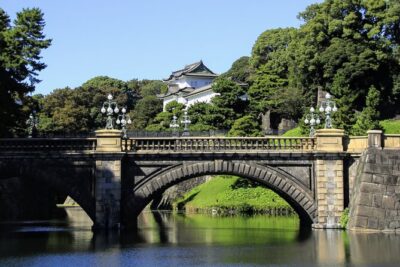 ★ 5.01-Day Tokyo Bus TourFrom $12914,250 reviews
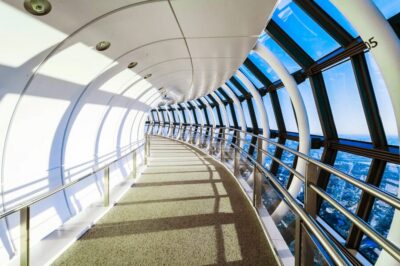 ★ 4.5TOKYO SKYTREE® Admission ticketFrom $1311,192 reviews
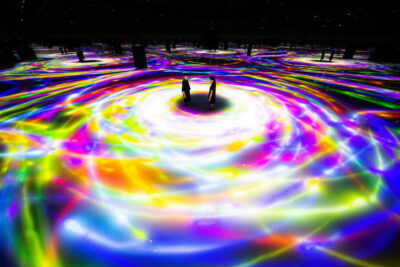 ★ 4.6teamLab Planets TOKYO Digital Art Museum Entry TicketFrom $259,779 reviews
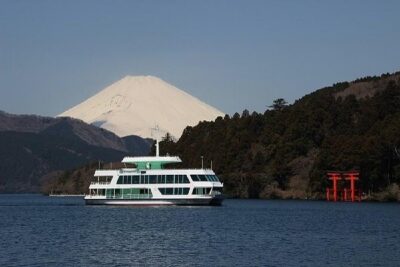 ★ 4.0Mt Fuji & Hakone Cruise, Drum Show Bullet Train 1 Day from TokyoFrom $1497,413 reviews
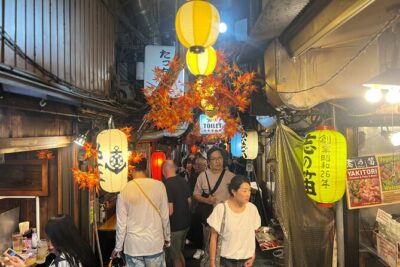 ★ 5.0Shinjuku Food Tour (13 Dishes at 4 Local Eateries)From $866,603 reviews
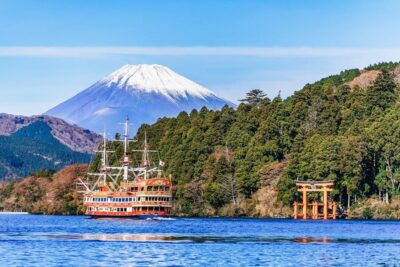 ★ 4.4Tokyo Mt Fuji 5th St & Hakone Cruise Bus Tour w/Bullet TrainFrom $1545,024 reviews
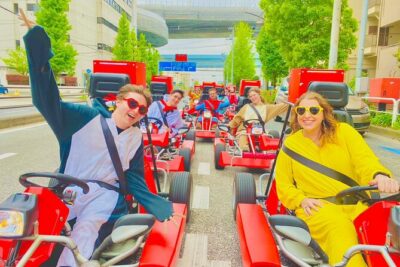 ★ 5.0Flagship 2-Hours Official Street Go-Kart Tour – Tokyo Bay ShopFrom $644,974 reviews
 ★ 4.5From Tokyo: Mount Fuji Full-Day Sightseeing TripFrom $684,970 reviews