
Review · ASAKUSA TOURS
Get to know the secret of Asakusa! Shrine and Temple Tour
Seven temples for one lucky walk. In Asakusa, this private tour strings together the ideas behind Japan’s Seven Gods of Fortune, plus free stamp souvenirs as you go.
What I like most is the private, exclusively for your party setup. You are not squeezed into a big group shuffle, and guides can pace things around your comfort level. I also love the stamp aspect, you collect stamps at the shrines and temples as a souvenir without having to buy anything special.
One thing to plan for: the food stop at Raku Ishihama Teahouse is not included. If you want to eat there, budget the listed admission fee (and expect it to affect your total day spend).
Key highlights to know before you go
- Seven Gods of Fortune focus: you visit the major stops tied to good fortune, not just random sightseeing.
- Free stamp souvenir: each stop is part of a single trail, and you collect stamps along the way.
- Private tour for your group: you get real guiding, with flexibility to adjust on the day.
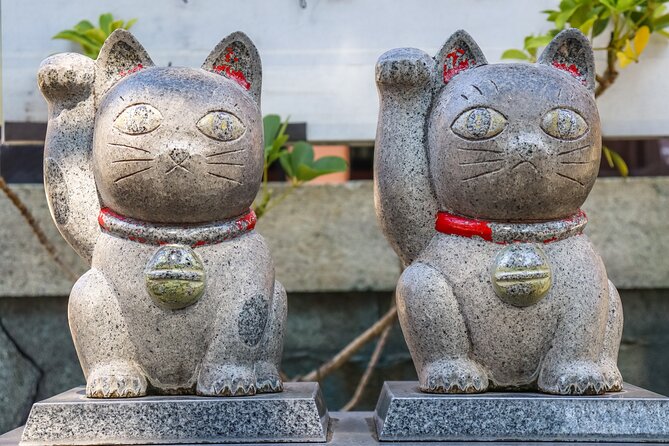
- Maneki Neko origin stop: Imado Shrine’s connection to the luck-cat lore makes photos and stories hit harder.
- Edo-period feel in the walk: several sites are specifically described with Edo-style architecture or Edo-era symbolism.
- A proper Tokyo souvenir finish: Nakamise Shopping Street wraps the day with snacks and shopping near the Kaminarimon area.
Asakusa’s Seven Gods mission, with a stamp souvenir
Asakusa is one of those Tokyo neighborhoods where you can feel the layers. This tour leans into one layer on purpose: religion and folklore, linked by the Seven Gods of Fortune. Instead of treating shrines and temples as checkboxes, you follow a guided theme that gives the sites a clear meaning as you move.
The stamp souvenir is a simple idea that makes a big difference. You’re not just looking around, you’re collecting proof you followed the trail. It also helps you stay oriented through the route, since every stop connects to the next one.
For guides, I’ve seen names come up like Nanako, Harada Taketsugu, Kazumi, Nobu-San, Eric, and Tom Harada. The consistent pattern is that guides work hard to make the walk make sense, and they help with practical stuff like pacing and photo moments when possible.
You can also read our reviews of more tours and experiences in Tokyo.



Who this private shrine and temple tour fits best
This is a great match if you like structured wandering. You want to see the important Asakusa religious sites, but you also want explanations that connect the symbolism, not just dates and facts.
You’ll likely enjoy it most if:
- You want a private experience in a crowded area. Asakusa’s top spots can get busy, so having a guide to direct timing and route is smart.
- You’re interested in Japanese culture through religion, including how luck and wishes are interpreted at specific shrines.
- You like walking tours, but you still want the safety net of a guide who can manage the flow.
If you are the type who hates walking, this might feel like too much. Even though the stops are short at many points, the tour is still a 5.5-hour day with multiple sites close together.
Price and what it really covers on the day
The listed price is $103.92 per person for a tour duration of about 5 hours 30 minutes. It’s a private tour, with a tour guide and the necessary expenses for the guide included.
Here’s the honest part: your total day cost depends on optional choices and the one ticketed stop.
- The tour’s included portion covers the guide, and it lists admission fees at the religious stops as 0 JPY in the provided cost estimate.
- Food and optional experiences are not included. The estimate shows meal costs of 1,000 JPY per person and optional experience costs of 3,500 JPY per person.
- The big standalone item is Raku Ishihama Teahouse, listed as ¥4,800 per person (this is the teahouse stop inside the Ishihama Shrine grounds, and it’s specifically marked as ticketed and not included).
So the value question becomes simple. If you eat at the teahouse and maybe add an optional extra, the day can become more expensive than the base tour price. If you treat the teahouse as optional and you keep meals minimal, it stays much closer to the advertised cost.
How the route works in 5.5 hours, from Edo mood to lantern photos
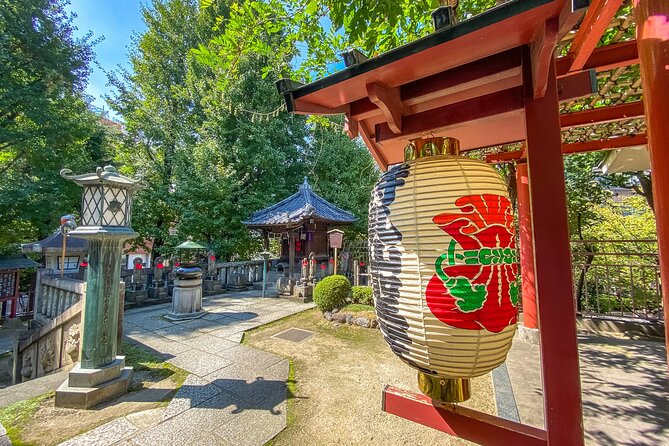
The itinerary is built like a loop through the heart of Asakusa. Several religious stops are short (around 15 to 25 minutes), then you get a longer break at the teahouse, and the day ends with the classic Asakusa experience of Senso-ji and the Nakamise street walk.
A useful mindset: this is not a sit-down museum day. You’ll be moving from one spiritual landmark to the next, listening to stories tied to the Seven Gods theme, and collecting stamps.
Also note a practical detail that matters: on Wednesday, the Raku Ishihama Teahouse stop is closed, and the tour shows an alternative spot. If your dates include a Wednesday, you’ll want to go in expecting a swap, not a disruption.
Honryuin Matsuchiyama Shoden to Imado Shrine, health, marriage, and Maneki Neko
Stop 1 is Honryuin Matsuchiyama Shoden (about 25 minutes). This one is described as a temple famous for health, good relations, and marital relations, with a connection to prosperous business. If you’re collecting the Seven Gods theme, it’s tied to Bishamonten, the deity associated with good fortune.
What I’d watch for here is how the guide links “everyday wishes” to the religious site. These shrines and temples often feel more personal when someone explains why people choose them for family, work, and relationships.
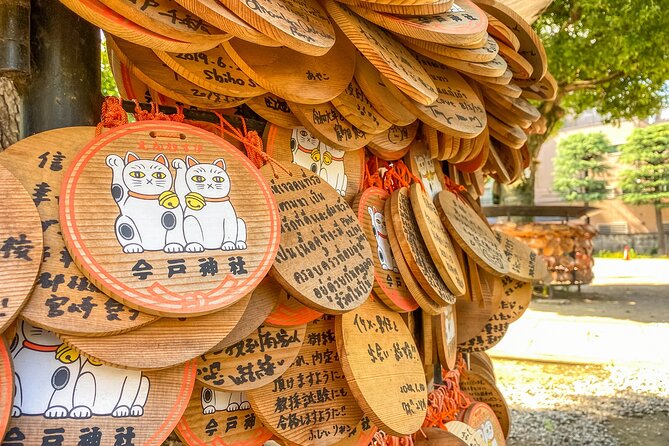
Stop 2 is Imado Shrine (about 20 minutes), and this is the Maneki Neko stop. It’s described as the birthplace of the lucky cat legend, and you’ll see Maneki Neko everywhere. The story also includes the idea that many female worshipers come for luck connected to marriage.
If you like photos, Imado is an easy win because the visuals are obvious and fun. If you like meaning, the luck-and-marriage angle gives you something to listen for beyond the cute cat imagery.



Hashiba Fudoson and Yoshiwara Shrine: Edo-style architecture and wishes for women
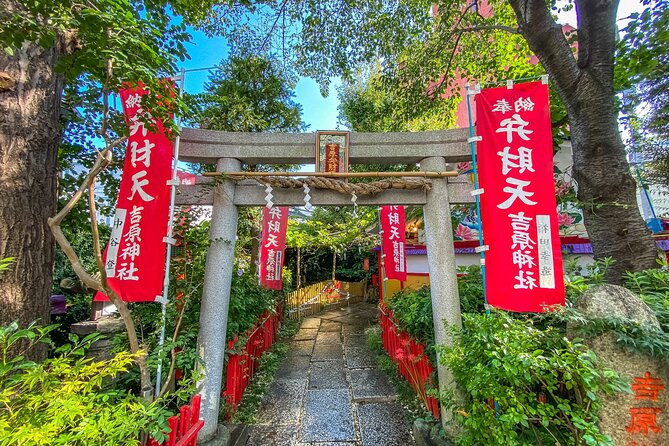
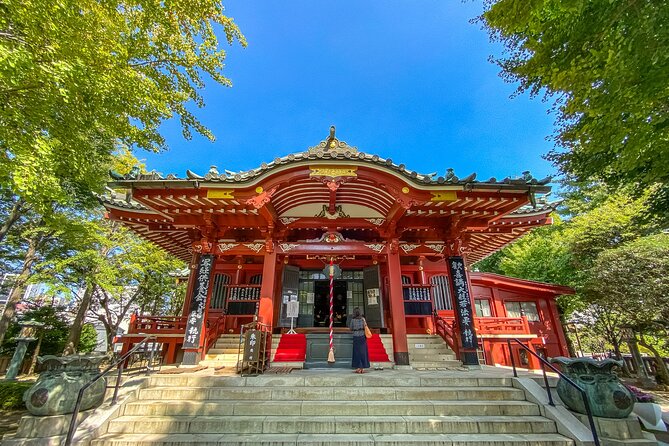
Stop 3 is Hashibafudo-son (about 15 minutes). It’s described as a small, simple temple where you can feel the beauty of Edo-period architectural style. In the Seven Gods lineup, it connects to Hotei-son, presented as a deity of good fortune.
This is one of those stops that can be underrated if you only care about big landmarks. But if you like texture and atmosphere, the “small and simple” framing is exactly what makes it worth the time. Short stop, high payoff if your guide points out the Edo style details.
Stop 5 is Yoshiwara Shrine (about 20 minutes). This is notable because it enshrines Benzaiten, described as the only female god among the Seven Gods of Fortune. The tour framing emphasizes wishes of women, with mentions of luck for art and marriage.
I like this stop because it adds balance to the day. A lot of shrine visits are geared toward general luck, luck for business, or luck for health. Here, the guide’s focus on women’s wishes makes the theme feel more human and specific.
Raku Ishihama Teahouse break, and how the not-included ticket affects your plan
Stop 4 is Raku Ishihama Teahouse (about 40 minutes) inside the Ishihama Shrine grounds. This is your longer break, and it’s where the budget reality hits.
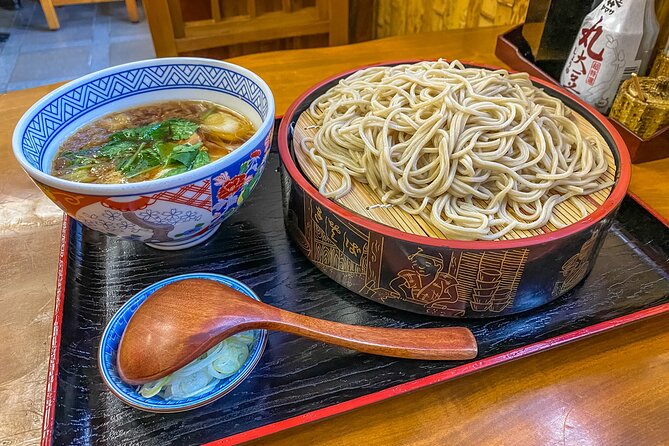
The teahouse stop is marked as admission ticket not included, and the separate admission fee is listed as ¥4,800 per person. The menu is described as having a wide variety, including items like a tempura bowl and soba, plus sweets.
So here’s your decision point:
- If you want a guided cultural food break in the shrine grounds, plan for the teahouse cost and use the time to rest your legs.
- If you want to keep spending tight, you can still treat this as a pause, but the teahouse itself is the costly part, not the surrounding walk.
On rainy days, this stop can be especially valuable because it gives you shelter and a break from the street. One of the stand-out bits from real-world experiences is that the day can still feel complete even when weather turns.
Otori Shrine and Asakusa Shrine, lucky rakes and Ebisu good fortune
Stop 6 is Otori Shrine (about 20 minutes). It’s described with a gorgeous and large rake, and it’s famous for holding the Rooster Market, where lucky rakes are sold. There’s also a symbolic detail: the mask used in Japanese Noh, Okame-san.
Even if you do not buy anything at the market, the story matters. It’s the kind of detail that makes a shrine feel like part of living culture instead of a static building.
Stop 7 is Asakusa Shrine (about 15 minutes). It’s described as having a deep relationship with Senso-ji and as being dedicated to Ebisu, one of the Seven Gods of Fortune. Ebisu is commonly associated with good fortune, and here the guide ties that theme back into the trail of stamps you’re collecting.
This stop is shorter, so it’s worth paying attention to what the guide emphasizes. The most meaningful parts at short stops are usually the one or two symbolism points you can carry forward into the next location.
Senso-ji Temple and Nakamise Street, lantern photos and souvenir shopping
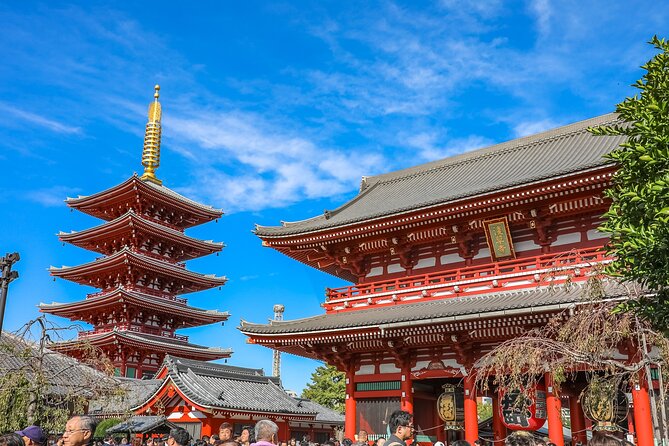
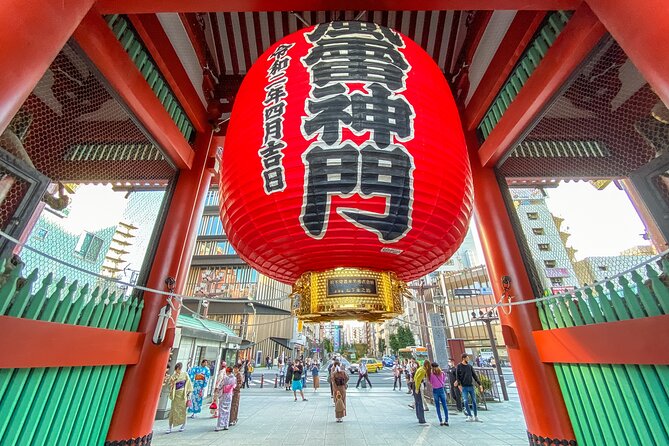
Stop 8 is Senso-ji Temple (about 30 minutes). It’s described as the oldest temple in Tokyo and the huge red lantern is called out as a symbol of Asakusa. This is the stop most people picture when they think of Asakusa, and the lantern area is where you’ll likely slow down for photos.
The value of having a guide here is not just seeing the landmark, it’s understanding why it matters in the Seven Gods storyline you’ve been following. By the time you reach Senso-ji, the day stops feeling random and starts feeling like a route with a point.
Stop 9 is Nakamise Shopping Street near Kaminarimon (about 20 minutes). This is described as the busiest area in Asakusa, and your guide walks you through recommended shops where you can buy souvenirs and eat.
In practice, this last leg is where you convert stories into items. If you collected stamps, you now also have a reason to pick up a small souvenir tied to what you did today, not just a random bag.
Should you book this Asakusa shrine and temple tour?
Yes, I think you should book it if you want a structured, meaningful Asakusa day without the planning headache. The private format is the real selling point, because it makes the walk feel tailored instead of rushed. The Seven Gods of Fortune stamp trail is also a smart hook. It turns the experience into something you can remember and physically take home.
Skip or reconsider if:
- You are trying to keep the day extremely low cost, since the teahouse stop has a listed ¥4,800 per person admission fee.
- You strongly dislike walking. The route is short per stop, but the total day still moves.
If you do book, bring comfortable shoes, a small umbrella if the forecast looks iffy, and a calm pace. Let the guide lead, especially at the shorter shrines where a single symbolism point can make the stop feel surprisingly memorable.
FAQ
Is this tour private?
Yes. It is a private tour/activity, and only your group participates.
How long is the Asakusa Shrine and Temple Tour?
The duration is about 5 hours 30 minutes (approx.).
Where do I meet, and where does it end?
The meeting point is Asakusa Sta.1-chōme-1-3, Taito City, Tokyo 111-0032, Japan. The tour ends back near the meeting point area, but the finishing spot can differ from the starting spot. Let your guide know if you want to change where you end.
What is included in the tour price?
Included items are the tour guide, a private tour setup, and the necessary expenses for the guide during the tour.
Are admission fees included for the stops?
The provided cost estimate lists admission fees as 0 JPY for the tour. However, the Raku Ishihama Teahouse stop is specifically marked as ticketed and not included, with an admission fee listed at ¥4,800 per person.
What should I budget for extra costs?
The estimate lists about 4,800 JPY per person as additional costs, including transportation (300 JPY) and meal costs (1,000 JPY), plus optional experience costs (3,500 JPY). The Raku Ishihama Teahouse admission fee is listed separately as ¥4,800 per person.
Do you get stamps from the shrines and temples?
Yes. You collect stamps from the shrines and temples as a free souvenir along the way.
What happens on Wednesday?
On Wednesday, Ishihama Saryo Raku is closed, and the tour will show an alternative spot instead.
How does cancellation and refund work?
Free cancellation is available up to 24 hours in advance for a full refund. If you cancel less than 24 hours before the start time, the amount paid will not be refunded.
More Tours in Tokyo

More Tour Reviews in Tokyo
Not for you? Here's more nearby things to do in Tokyo we have reviewed












Asakusa Tours, side by side.
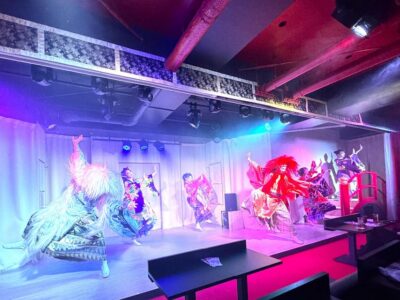 ★ 4.8Japanese Dance Cabaret Theater Asakusa-Kaguwa TicketFrom $492,270 reviews
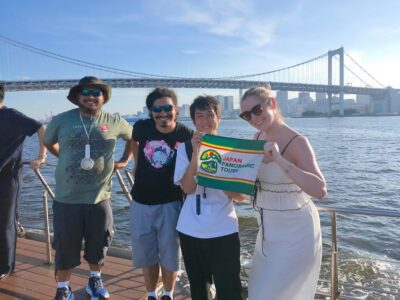 ★ 4.7Meiji Shrine, Asakusa, Skytree Bus Tour and CruiseFrom $1221,986 reviews
 ★ 4.9Roll and Authentic Sushi Making Class in AsakusaFrom $581,957 reviews
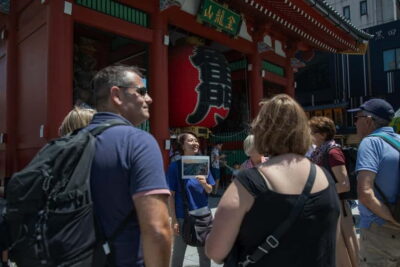 ★ 4.8Asakusa Walking Tour with Sensoji Temple VisitFrom $221,583 reviews
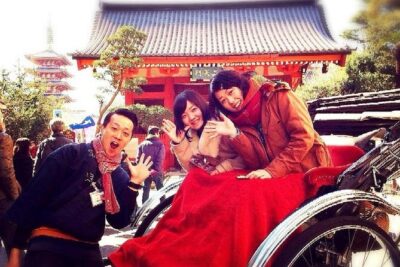 ★ 5.0Tokyo Asakusa Rickshaw TourFrom $421,375 reviews
 ★ 4.5Tokyo Panoramic 1 Day: Meiji Shrine, Asakusa, Odaiba and SKYTREE®From $851,222 reviews
 ★ 5.0Tokyo Go Kart: Asakusa, Skytree, and Akihabara **IDP MUST**From $99988 reviews
 ★ 4.7Asakusa, Skytree & Akhihabara Go-Kart City ExperienceFrom $96761 reviews
This tour also belongs to