
Review · HAKONE DAY TRIPS
Hakone Adventure: Explore Nature’s Beauty and Tranquility
Hakone is all the scenery, in one packed day. I like the Hakone Tozan Railway climb through mountain forests, and you’ll appreciate the photo payoff of the Lake Ashi cruise with its famous torii gates.
The main catch is value and time. The $139 tour price does not include the public transport fares you’ll use that day, and on crowded days, ropeway queues can cut into your buffer for the final stops.
That said, the day runs with an English-speaking guide who keeps you moving and explains what you’re seeing, with guide names like Yumiko, Taku, Yuuki, and Kyo showing up in recent experiences.
Key highlights at a glance
- Hakone Tozan Railway: Japan’s only mountain railway, with mountain switchbacks and seasonal views
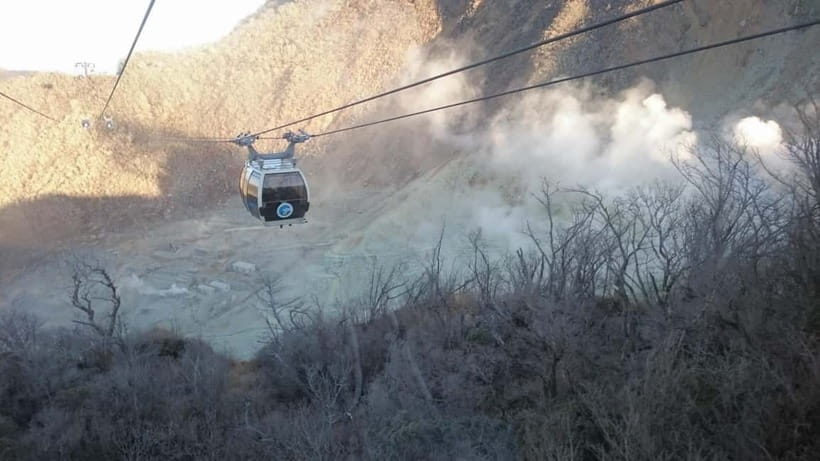
- Cable car plus ropeway: fast altitude gains above the caldera’s volcanic terrain
- Owakudani active vents: steam, sulfur smell, and the famous black-egg vibe nearby
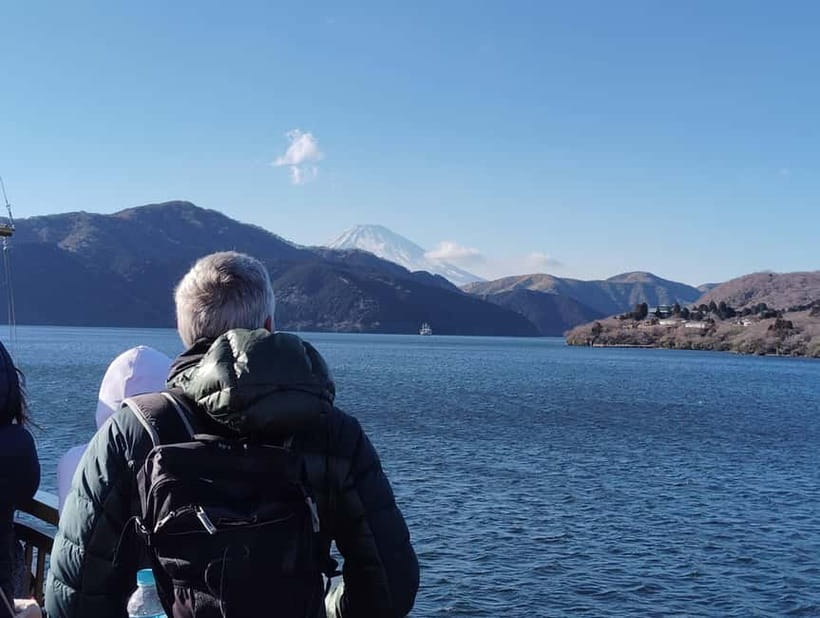
- Lake Ashi sightseeing cruise: torii gates, plus Mt. Fuji chances when the sky cooperates
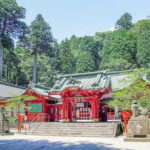
- Hakone Shrine stop: a spiritual classic tied to the region’s role as a historic checkpoint town
Entering Hakone by train, not by stress
This is a “see the key stuff” kind of day in Hakone, built around multiple transport types instead of one bus ride. You get rail, cable car, ropeway, and a lake cruise, so the scenery changes fast and the logistics stay handled.
What I like best is that you’re not stuck planning transfers and ticket counters on the fly. You still pay transport fares separately, but a guide helps you stay on schedule and understand where you are and why it matters.
You can also read our reviews of more tours and experiences in Hakone.

Meeting points across Tokyo or the Hakone gateway towns
You can start from several locations depending on the option you book, including Shinjuku areas, Odawara, and Hakone Yumoto. The idea is simple: choose the meeting point closest to where you’re already staying, and reduce the round-trip time squeeze that often ruins day trips.
Expect the total time to vary widely, roughly 270 to 570 minutes, depending on the departure and how the day lines up. If your day is tight, pick a start location that matches your return train timing, and don’t schedule dinner back in Tokyo the moment you think the tour ends.
Hakone Tozan Railway: the mountain train that sets the tone
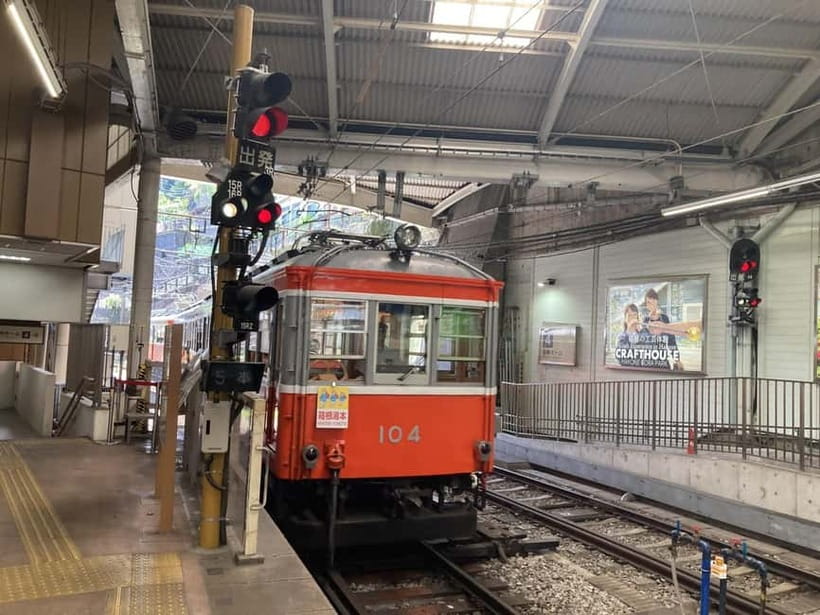
The day begins aboard the Hakone Tozan Railway, Japan’s only mountain railway. This is not just transit, it’s part of the show, with the train climbing through forested slopes and tight valleys.
As the train snakes upward, your guide shares context on Hakone’s development as a mountain resort and a connector between regions. You’ll get that “you are really going into the mountains” feeling early, and it helps the later volcanic stops make more sense.
What to know
- Wear shoes you can walk in comfortably, because even small transfers and platform changes add up.
- If you’re chasing window views, arrive a bit early so you can settle and avoid last-minute shuffling.
Cable car and ropeway: rising above the caldera’s volcanic terrain
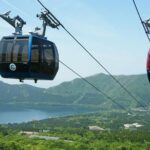
After the mountain train, you switch to cable car and ropeway time. This is where the tour earns its keep: you gain altitude fast, and you’re pulled out into wide open viewpoints above the caldera.
The guide frames what you’re seeing in plain language. The caldera is tied to ancient eruptions, so the rugged terrain isn’t random, it’s a clue. From up high, the scale of Hakone starts to click.

The drawback to plan for
Ropeways can be crowded. One experience described long queues on a busy Monday, and the result was less time for a final stop. If your route to Tokyo depends on a specific train, build in buffer time before you commit to tight return schedules.
Owakudani: steam, sulfur air, and geology you can smell
At Owakudani, you see active geothermal vents and watch steam rise. The air often carries a distinct sulfur scent, and that smell is part of the “living volcano” experience.
Here, your guide turns a viewpoint into a story: how this geothermal valley shaped Hakone, and how people built traditions around it. You’ll also likely spot the local “black egg” culture, which shows up in recent feedback as a must-see snack stop in the area.
How long is enough?
You’ll spend about 20 minutes here, including guided time and sightseeing. That’s short, but it’s realistic for a place where most of the value is in quick observation, scent, and photos near the vents. If you want extra time for food stalls, you’ll need to accept that your later stops may feel tighter.
Lake Ashi cruise: torii gates and Mt. Fuji chances
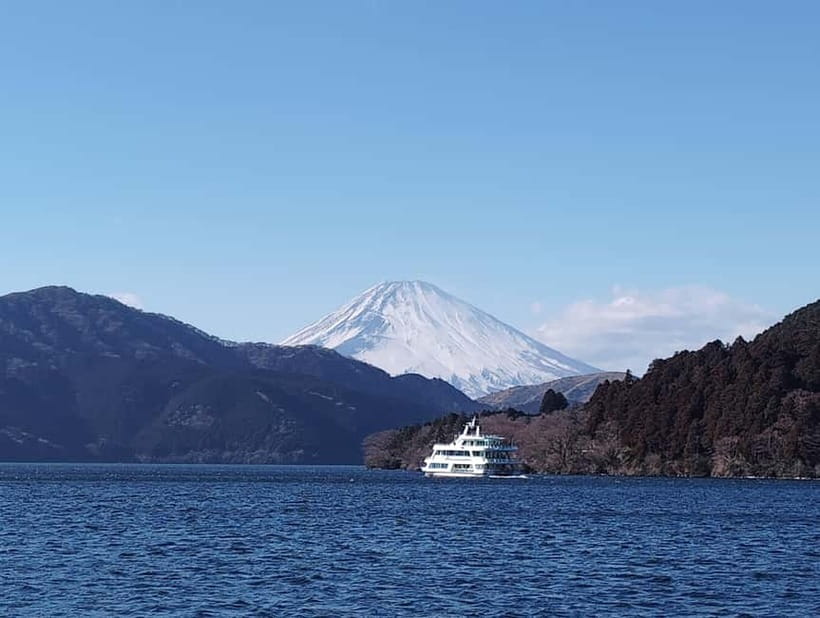
Then you glide across Lake Ashi on a sightseeing cruise. Lake Ashi sits inside the Hakone caldera, so you’re still in the same geological story, just from a calmer angle.
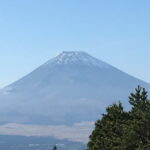
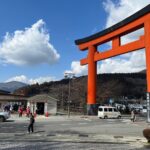
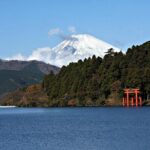
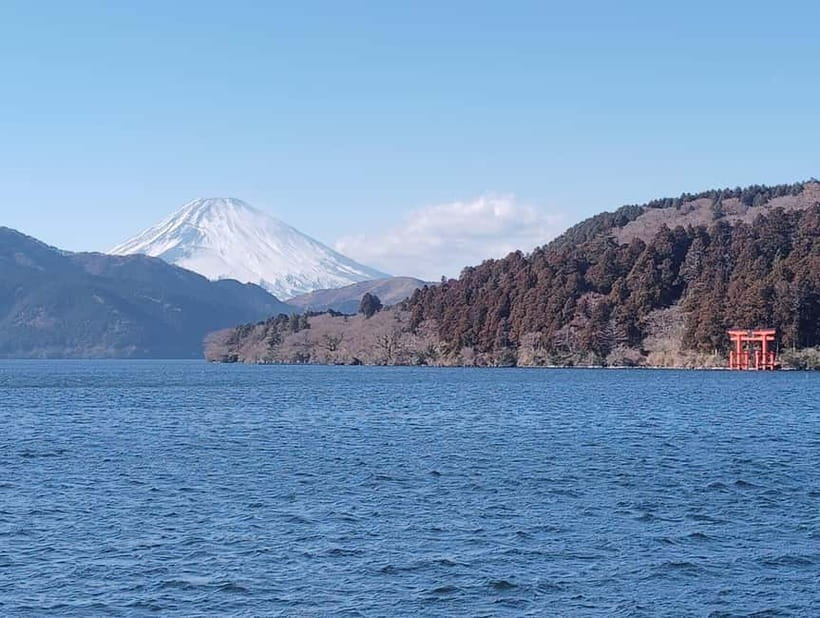
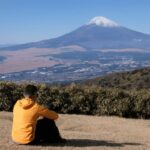
The cruise is famous for the torii gates you’ll see along the water and the dramatic line of Mt. Fuji on clear days. Not every day gives Fuji, and one recent experience noted cloud cover, but even without Fuji, the views and the quiet lake feeling do the job.
The practical tip
Clear weather matters, and you can’t control it. If your photos are tied to Mt. Fuji, you’ll feel more confident when the sky opens during the cruise. If the forecast looks iffy, think of the lake as a consolation prize that still photographs beautifully.
Hakone Shrine: the checkpoint town meets spiritual tradition
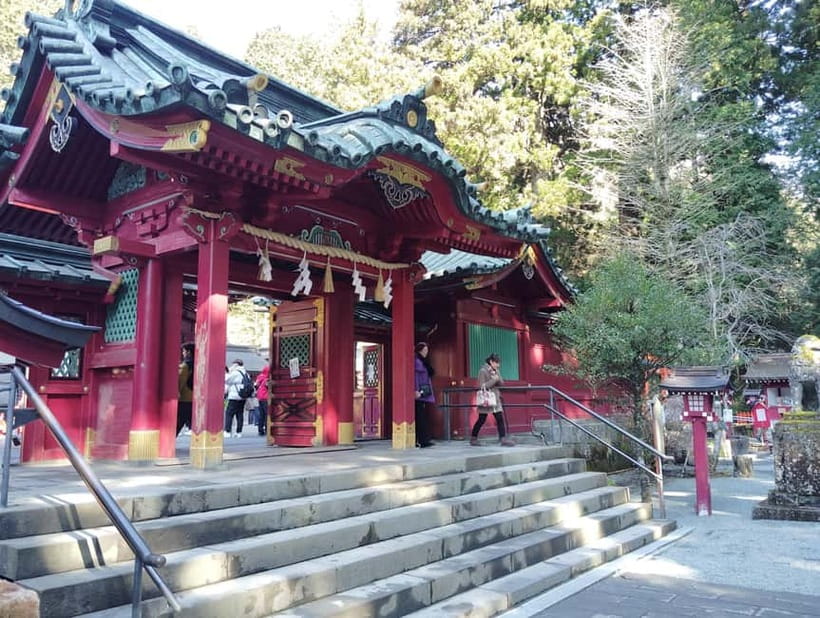
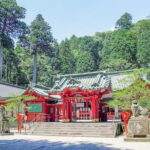
You finish with Hakone Shrine, with guided time and about 45 minutes on site. This is not only about the shrine itself. It’s also where you connect Hakone to Japan’s older spiritual and travel traditions.
The region historically acted as a checkpoint town along the old Tokaido Road. That matters because it explains why Hakone became such a magnet for travelers long before modern day trips. Your guide helps you see the shrine as part of that long-running route culture, not just a one-off stop.
A timing reality check
If the ropeway was slow earlier in the day, you may feel the squeeze here. In one reported experience, a crowded ropeway queue pushed the schedule so far that the shrine visit didn’t fully happen. So if you have a fixed train back, treat “last stop” as the stop most at risk of running late.
Price and logistics: where $139 makes sense, and where it might not
Let’s talk value in a clear way. The tour price is $139 per person, and you do get real benefits: an expert English guide, a planned route through Hakone’s top sights, and help coordinating transfers across train, cable car, ropeway, and cruise.
But transport fares are not included. That’s the part that can sting. One reviewer felt the all-in cost was poor value because they still needed to buy train tickets separately, and they said doing it yourself could be much cheaper.
So how do you decide? I think it comes down to two questions:
- Do you want someone to manage the route and give context while you ride the scenic transit pieces?
- Or would you rather pay less, navigate ticket steps yourself, and accept more schedule friction?
If you hate logistics, the guide’s time and on-the-ground timing support can be worth paying for. If you’re comfortable with public transit and want maximum control over timing, you might prefer going independent, then adding just one or two guided explanations.
What to bring and how to dress for Hakone’s day
Hakone can feel cool and changeable, especially when you’re riding higher up on ropeways. Bring warm clothing even if Tokyo feels mild.
Also bring comfortable shoes because you’ll walk at multiple stops. Add sunscreen if the day looks bright, and bring a camera because Lake Ashi and the high caldera viewpoints are the kind of places where you’ll keep wanting “just one more photo.”
One small rule matters too: no smoking during the experience.
Guide quality is a big part of why this day works
This tour lives or dies by the guide, and the recent feedback is consistently positive on that front. You may meet guides like Yumiko and Taku, praised for being prompt and considerate, or Yuuki and Kyo, noted for local context and helpful explanations.
What good guiding does here is simple: it stops Hakone from feeling like a checklist. Instead, you understand why the train climbs where it does, what the caldera terrain means, and why Owakudani is such a powerful geothermal experience.
Who should book this Hakone Adventure day
This fits best if you:
- Want a one-day plan that hits rail, ropeway, and lake cruise without you mapping transfers
- Prefer guided history and geology context, not just looking at signs
- Like scenic transportation as part of the experience, not just a way to get between sights
It may not fit if you:
- Are pregnant, have mobility impairments, or have heart problems, since the experience includes walking and higher-altitude segments
- Have no flexibility at all for a tight return train, because crowded ropeway lines can affect the schedule
Should you book this Hakone Adventure tour?
If you want the best “Hakone highlights in one day” experience with an English guide, I’d call it a solid option, especially if you’re starting from Tokyo and want to avoid spending your limited vacation hours battling transit. The combination of Hakone Tozan Railway, Owakudani steam, and the Lake Ashi cruise is exactly the kind of Hakone blend that feels worth packaging.
But if your budget is tight, read the fine print on transport fares because that’s where value can shift quickly. If you’re comfortable DIY-ing Hakone transit, you might find a cheaper path. If you’d rather pay for guidance and time-saving planning, this tour is built for you.
FAQ
What is the duration of the Hakone Adventure tour?
The duration is listed as 270 to 570 minutes. Exact length depends on the starting time option you choose.
Where can I meet the guide?
You may have options including 向山公園, 新宿警察署 新宿駅東口交番, 箱根湯本駅, or 小田原駅観光案内所. The exact meeting point can vary by the option booked.
Is the tour guided, and is the guide English-speaking?
Yes. The tour includes a live English-speaking guide throughout the journey.
Does the price include transportation fares?
No. Transportation fares are not included and are paid separately during the tour.
Are food and drinks included?
No. Food and drinks are not included.
What stops are included in the tour?
The experience includes Hakone’s main sights such as the Hakone Tozan Railway, Owakudani, Lake Ashi sightseeing cruise, and Hakone Shrine. It also includes cable car and ropeway segments as part of the route.
Will I see Mt. Fuji?
You may see Mt. Fuji on clear days, especially from viewpoints tied to the Lake Ashi cruise area. Cloud cover can reduce chances.
What should I bring?
Bring comfortable shoes, warm clothing, a camera, and sunscreen.
Is smoking allowed?
No. Smoking is not allowed.
Who should avoid this tour?
It is listed as not suitable for pregnant women, people with mobility impairments, and people with heart problems.
More Tour Reviews in Hakone
Not for you? Here's more nearby things to do in Hakone we have reviewed


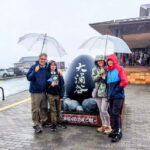
Hakone Day Trips, side by side.
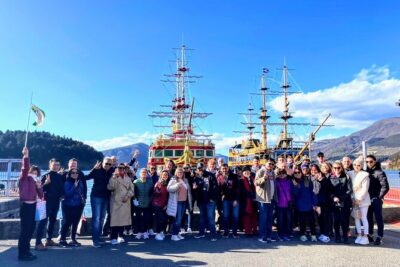 ★ 5.0Mt Fuji and Hakone 1-Day Bus Tour Return by Bullet TrainFrom $16326,383 reviews
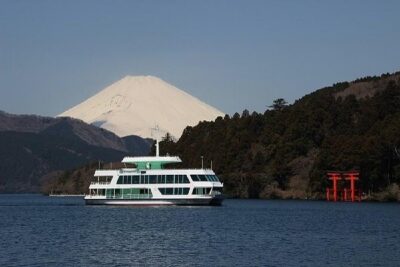 ★ 4.0Mt Fuji & Hakone Cruise, Drum Show Bullet Train 1 Day from TokyoFrom $1497,413 reviews
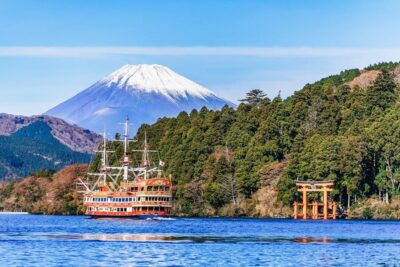 ★ 4.4Tokyo Mt Fuji 5th St & Hakone Cruise Bus Tour w/Bullet TrainFrom $1545,024 reviews
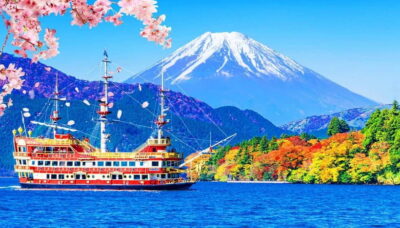 ★ 4.7Mt. Fuji Tour, Hakone Ropeway, Owakudani, Lake AshiFrom $544,002 reviews
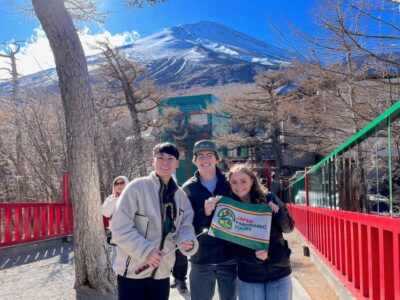 ★ 4.2Mt. Fuji 5th Station & Hakone Cruise 1-Day Bus TourFrom $1292,381 reviews
 ★ 5.0Private Tour to Mt. Fuji and Hakone (Fully Licenced Operator)From $4971,910 reviews
 ★ 4.0Mt Fuji & Hakone Cruise, Drum Show Bus 1 Day from TokyoFrom $1221,287 reviews
 ★ 4.2From Tokyo: Mt. Fuji & Hakone Tour w/ Return by Bullet TrainFrom $1171,278 reviews
This tour also belongs to